
Winter Tree Protection Tips Florida Homeowners Often Overlook
Florida winters may not feature snow-covered driveways or frozen ponds, but that doesn’t mean trees have an easy season. The state’s mix of mild days and sudden cold fronts creates unique challenges for landscapes that rely on warmth to thrive. Tropical and subtropical trees, especially, can struggle when cold air sweeps through unexpectedly. Professional winter tree protection prevents frost damage, bark cracking, and moisture loss while preparing trees for a strong start in spring. What many Florida homeowners overlook is that even brief cold snaps can have long-lasting effects.
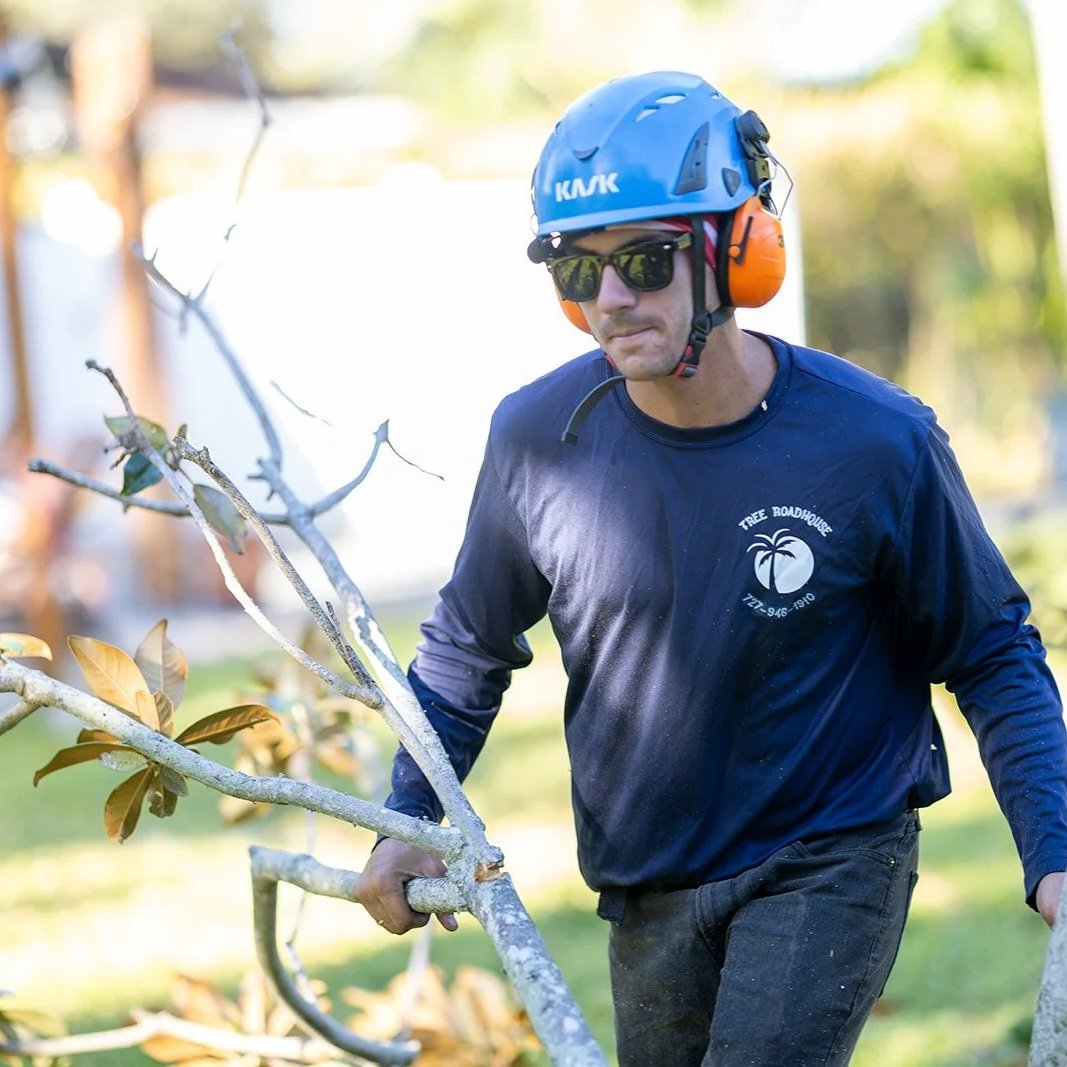
Professional winter tree protection prevents frost damage, bark cracking, and moisture loss while preparing trees for a strong start in spring.
Understanding Winter Stress In Florida Trees
Trees in Florida are not built for dramatic temperature swings. When warm days are followed by sudden drops at night, the bark expands and contracts too quickly, leading to splits or ruptures. Leaves and buds that have not hardened off can freeze, causing discoloration or drop. Even the soil can cool rapidly, affecting root activity and nutrient absorption.
Evergreen species, such as palms and magnolias, retain their foliage year-round, which means they continue to lose moisture through transpiration even when the air is dry and cool. Without proper care, they can dehydrate before spring returns. Deciduous trees also suffer if the temperature fluctuates faster than they can adapt. Professionals understand these subtle stressors and use targeted techniques to help trees stay stable.
Florida’s unpredictable weather can be a challenge for homeowners. One week might bring balmy sunshine, and the next could drop near freezing. That inconsistency is exactly why proactive winter protection matters. Even a single frost can cause leaf scorch or tissue damage in sensitive varieties, such as ficus, croton, and avocado.
Mulching For Root Protection And Temperature Control
Mulch may seem like a summer concern, but it is equally important during winter. Professional tree services apply mulch to act as insulation for roots. It regulates soil temperature, locks in moisture, and creates a buffer between the roots and the cold night air.
Florida’s sandy soils drain quickly, losing both heat and water. Mulch slows that process and keeps roots comfortable. Professionals recommend using organic mulch, such as pine bark or hardwood chips, which break down over time and naturally enrich the soil. The layer is applied about three inches thick and spread in a wide ring around the base, never piled against the trunk.
The right mulch strategy helps maintain more consistent soil temperatures. On chilly mornings, that means roots stay warmer, and during dry spells, they retain vital moisture. As the mulch decomposes, it releases nutrients that benefit growth in the spring, transforming winter protection into long-term nourishment.
Tree Wrapping To Prevent Bark Damage
Tree wrapping is often overlooked in warm climates, but it serves a critical role for young or thin-barked trees. Sudden cold snaps can cause the outer bark to heat up during the day under the sun and cool rapidly at night, resulting in cracking or peeling. Professionals use breathable wraps, such as burlap or paper, to protect trunks from these temperature shocks.
Wrapping begins near the soil line and extends upward to just below the lowest branches of the plant. The material acts like a cozy layer that traps warmth without suffocating the bark. For tropical species such as mango or citrus, wrapping is especially valuable when frost is forecast.
Once temperatures stabilize, wraps are removed to prevent moisture buildup and fungal growth. Professionals inspect for signs of stress beneath the wrap and trim any damaged bark to prevent further decay. In Florida, where winter may last only a few weeks, even temporary wrapping can make a huge difference in a tree’s recovery.
The Role Of Anti-Desiccant Sprays
While most people associate frost with the primary winter threat, dry air is often more damaging in Florida. Cold winds and low humidity draw moisture from leaves faster than roots can replenish it. Anti-desiccant sprays are professional-grade treatments that form a thin, protective coating over leaves, helping trees retain moisture during dry spells.
These sprays are particularly effective for evergreens and palms that keep their foliage throughout the year. Applied at the start of winter, the coating reduces water loss without blocking sunlight or air exchange. Professionals use commercial formulations designed for subtropical climates, applying them in even layers to create complete coverage.
A well-timed anti-desiccant treatment prevents browning, leaf curling, and early drop. It also supports trees recovering from transplanting or drought, when their hydration balance is already delicate. By helping trees retain internal moisture, these sprays give them an invisible shield against winter stress.
Winter Pruning For Safety And Structure
Winter pruning plays a vital role in tree health and safety. Even though growth slows during the cooler months, structural problems persist. Weak, broken, or diseased branches can fall under the weight of wind or rain. Professional arborists strategically prune to remove hazards and shape the canopy for improved balance.
Because most trees are semi-dormant in Florida’s winter, pruning now minimizes sap loss and reduces stress. Professionals avoid heavy cuts that stimulate new growth, focusing instead on improving structure and removing problem limbs. With fewer leaves in the canopy, it’s easier to see branching patterns and identify hidden weaknesses.
Well-timed pruning also prepares trees for spring. By directing energy toward healthy limbs, trees can grow stronger and fuller when warm weather returns. Clean, precise cuts made by trained hands prevent tearing and promote faster healing.
Monitoring Moisture Levels Throughout Winter
Florida’s winter rainfall can be unpredictable, with long dry spells between showers. Soil that looks moist on the surface may be dry underneath, especially around established trees. Professionals monitor moisture levels using probes to gauge how deeply water is reaching the roots.
Deep watering before a predicted cold snap is an effective way to protect roots. Moist soil retains heat better than dry soil, acting as a natural insulator. However, overwatering can be just as detrimental, creating conditions that foster root rot. Professionals maintain a balance, adjusting watering schedules based on temperature, humidity, and soil type.
Automatic irrigation systems are often recalibrated in winter to avoid unnecessary watering. Regular checks prevent waste and help trees maintain the optimal amount of hydration throughout the season. A steady water supply allows roots to stay active even when above-ground growth slows.
Protecting Sensitive And Tropical Species
Many Florida landscapes feature tropical species that cannot tolerate even brief cold snaps. Trees such as royal poinciana, papaya, banana, and avocado need extra care. Professional crews often use temporary frost cloths to cover these trees when temperatures drop suddenly.
Unlike plastic coverings, frost cloth allows air and moisture exchange while trapping ground heat. Covers are secured to the ground before sunset and removed in the morning after temperatures rise. For smaller trees, professionals may use stakes or lightweight frames to keep the fabric from touching the leaves directly.
In severe cases, portable heaters or frost fans are used under supervision to maintain warmth. These techniques protect valuable specimens without damaging their delicate tissue. For newly planted trees, wrapping or covering is often combined with mulching for maximum insulation.
Nutrient Support And Fertilization
Nutrient management plays a crucial yet often overlooked role in winter tree protection. As trees mature, their nutrient needs shift from leaf production to root development. Applying the right fertilizer before winter helps build energy reserves that sustain trees through the cold months.
Professionals use slow-release, balanced fertilizers that nourish without forcing new growth. Overfertilizing at the wrong time can make trees more vulnerable to cold damage. Soil testing determines the exact blend of nitrogen, phosphorus, and potassium needed for each species.
Micronutrients such as iron, magnesium, and manganese are often added to Florida soils, which are naturally sandy and prone to leaching. These supplements keep foliage vibrant and prevent deficiencies that weaken resistance to stress. A properly nourished tree enters spring with stronger roots and healthier color.
Pest And Disease Management In Cooler Weather
Cold weather slows insect activity but doesn’t stop it. Some pests, such as scale and borers, overwinter under the bark or in the soil. Without intervention, they emerge in spring ready to infest new growth. Professionals address these threats through winter pest management programs.
Dormant oil treatments are used to smother overwintering insects without harming beneficial organisms. Inspections reveal early signs of decay, fungal growth, or bark injury that could invite pests later. Removing fallen leaves, twigs, and debris eliminates hiding places for insects and spores that carry diseases.
Fungal infections, such as sooty mold or anthracnose, often persist during cool, damp weather. Professionals prune infected areas and apply targeted fungicides when necessary. A clean, well-maintained environment supports tree recovery and reduces the chance of reinfection.
Why Professional Care Is Worth It
Winter tree protection may sound simple, but every decision matters—from when to apply sprays to how much to water. Professionals understand the delicate balance necessary to protect trees without interrupting their natural rhythm. Their knowledge of local soil conditions, microclimates, and species-specific needs allows for customized care that a one-size-fits-all approach cannot match.
Working with trained arborists also adds a layer of safety. Tree wrapping, pruning, and spraying often require climbing or operating specialized equipment. Professionals handle these tasks efficiently and safely while protecting nearby structures and landscaping.
They also provide valuable documentation about tree health, which helps track progress and identify patterns from year to year. A history of professional maintenance not only keeps trees thriving but also increases property value by preserving curb appeal.
Maintaining Resilient Florida Trees Through Every Season
Florida’s mild winters can be deceptive, and even short cold spells have the potential to harm unprotected trees. Professional winter tree protection through mulching, wrapping, anti-desiccant sprays, pruning, and careful watering provides landscapes with the resilience to withstand whatever nature brings. When trees are adequately protected, they reward homeowners with healthy foliage, steady growth, and lasting beauty year after year.
With expert attention, even the most tropical landscapes can flourish through Florida’s coldest nights. The secret lies in timing, precision, and an understanding of how each species responds to the season. Winter may be brief, but with the right care, it becomes an opportunity for trees to rest, recharge, and prepare for another vibrant year of growth.
