
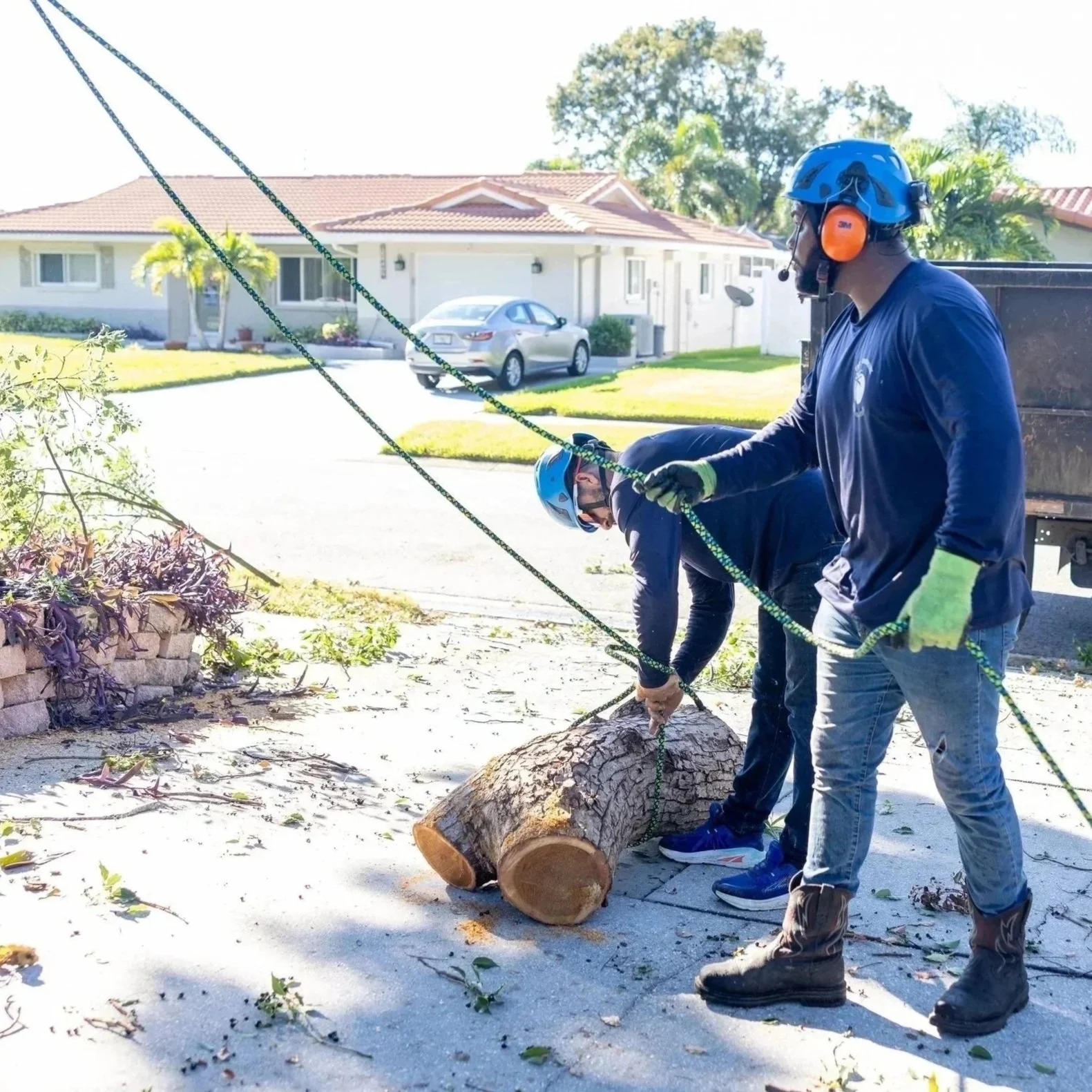
Once a branch dies, it loses strength and becomes unpredictable
Tree deadwood often blends into the background until a storm hits, a branch snaps, or a homeowner notices an odd patch of brittle bark falling on the driveway. Dead branches may seem harmless at first glance, but they create several risks that grow over time. Tree deadwooding removal offers a strategic approach to protecting trees, properties, and the people who live around them. Professional arborists identify dead or dying branches before they cause problems, helping support long-term tree health and overall safety. A friendly, slightly quirky tone can make a serious topic easier to understand, especially for homeowners unfamiliar with deadwood's hidden hazards.
Deadwood forms for many reasons, such as age, weather stress, storm damage, pest activity, or natural shedding. Once a branch dies, it loses strength and becomes unpredictable. Wind gusts that barely shake a healthy limb can snap deadwood instantly. GEO targeted services offer region-specific assessments, especially in areas prone to storms, droughts, or humidity-heavy climates. Tree deadwooding removal performed by professionals prevents hazards before they start and contributes to healthier, safer landscapes.
Understanding What Deadwood Means For Tree Health
Deadwood signals that part of the tree no longer receives nutrients. While some natural shedding is normal, excessive deadwood often points to deeper issues. Arborists examine how widespread the deadwood is, whether pests are involved, and how the tree responds to seasonal changes. Deadwood left in the canopy impairs a tree's ability to grow new branches, maintain its shape, and remain structurally stable.
Tree deadwooding removal helps redirect energy from decaying limbs to healthy growth areas. When deadwood remains, moisture collects around the damaged sections, creating opportunities for disease and fungal activity. Removing deadwood not only supports healthier growth but also helps homeowners avoid costly treatments caused by delayed care.
Preventing Safety Hazards From Falling Branches
Dead branches fall without warning. Even small pieces become dangerous projectiles when wind speeds increase. A harmless-looking dead twig can fall near doorways, driveways, or play areas, posing a safety risk to families and visitors. Larger dead limbs can crack roofs, dent vehicles, or damage outdoor structures.
Professional tree crews understand how dead limbs behave under stress and use specialized cutting techniques to remove them safely. Tree deadwooding removal becomes a critical part of property safety, especially in storm-prone regions. A friendly, humorous comment about trees occasionally "letting go of their baggage" helps homeowners understand why proactive removal matters.
Improving Storm Resistance With Deadwood Removal
Storms place enormous pressure on trees. Gusts push branches from all angles, and saturated soil reduces anchoring strength. Dead limbs break first, often causing chain reactions that damage healthy branches. Removing deadwood before storm season improves overall storm resistance.
Tree deadwooding reduces canopies' weight and flexibility, allowing wind to move through the tree rather than against solid pockets of decayed branches. A healthier tree becomes far more resilient during wind events. Homeowners value this kind of protection, especially in areas where storms arrive suddenly or frequently.
Supporting Better Airflow And Sunlight Exposure
Deadwood blocks sunlight from reaching healthy branches and prevents proper airflow through the canopy. Poor airflow leads to moisture buildup and fungal growth. Sunlight plays a major role in strengthening healthy limbs and stimulating new leaf production.
Professional crews identify which dead branches block canopy light and remove them carefully to promote balanced growth. Tree deadwooding removal creates a more open, breathable canopy that supports long-term vitality. Homeowners often notice how much brighter and more vibrant their tree appears after deadwood removal.
Reducing Pest Attraction And Infestations
Deadwood becomes an open invitation for insects. Termites, beetles, borers, and carpenter ants thrive in dead or decaying branches. Once pests settle into deadwood, they may attempt to move into healthy sections or migrate toward nearby structures such as fences or homes.
Tree deadwooding removal eliminates the conditions pests prefer. Removing dead branches helps deter infestations and creates an environment less suitable for unwanted insects. Professional arborists also identify early signs of pest activity that may require treatment.
Protecting Surrounding Landscaping And Structures
Falling deadwood can crush shrubs, damage flower beds, and leave marks on decks or fences. Large dead limbs can be heavy enough to crack pavers or damage irrigation systems. Tree deadwooding removal prevents accidents that lead to yard repair costs or structural damage.
Professionals also consider how deadwood placement influences surrounding vegetation. A branch falling on a young sapling or ornamental shrub may cause long-term harm. Removing deadwood early supports landscape balance and protects the property's beauty.
Maintaining A More Attractive Landscape
A tree filled with dead branches looks neglected and tired. Deadwood disrupts the tree's natural shape and causes uneven growth patterns. Removing deadwood improves appearance and helps homeowners maintain vibrant, polished curb appeal.
Tree deadwooding removal also reduces leaf litter from decaying branches that constantly shed bark and twigs. Homeowners enjoy cleaner yards and more attractive outdoor spaces with regular deadwood maintenance.
Identifying Internal Decay That Threatens Tree Stability
Deadwood often indicates internal issues beneath the bark. Decay pockets, fungal spread, or trunk cavities may form gradually. Arborists examine dead branches closely to determine the cause. Tree deadwooding removal reveals whether additional treatments or interventions are necessary.
Early detection of internal decay helps prevent serious structural problems. A stable tree becomes safer during storms and less likely to uproot or split. Homeowners appreciate understanding the deeper reasons behind deadwood formation.
Encouraging New Growth And Healthier Canopy Development
Removing deadwood promotes healthier canopy development by giving healthy limbs more access to nutrients and sunlight. Trees respond positively to deadwood removal by producing new shoots and strengthening existing branches.
Tree deadwooding removal becomes part of a broader tree health plan. Seasonal maintenance helps maintain consistent growth, better structure, and improved resilience throughout the year. A friendly comment comparing deadwood removal to giving the tree a fresh haircut often resonates with homeowners.
Supporting Fire Mitigation By Reducing Fuel Sources
Deadwood becomes a fuel source during dry seasons. Branches that fall to the ground or remain in the canopy contribute to fire spread in wildfire-prone areas. Removing deadwood reduces fuel accumulation and supports regional fire mitigation efforts.
Tree deadwooding removal also improves fire mitigation teams' ability to assess other vegetation risks around the property. Removing deadwood plays a valuable role in maintaining safer outdoor environments.
Improving Property Access And Usability
Dead branches that hang low or fall near walkways block access and create tripping hazards. Driveways, patios, and seating areas benefit greatly from deadwood removal. Professionals clear these zones to keep outdoor areas safe and usable.
Tree deadwooding removal often reveals hidden issues such as cracked branches, leaning trunks, or pest damage that obscures visibility. Clearing deadwood makes the entire property feel more open and functional.
Preventing Compounded Damage During Wind Events
Wind events cause deadwood to break unpredictably. Falling branches may strike healthy limbs, stripping bark or tearing attachments. These secondary injuries significantly damage the tree's structure. Removing deadwood prevents these cascading problems.
Tree deadwooding removal supports a stronger, more stable tree that withstands wind stress better. Homeowners gain reassurance knowing their trees are less vulnerable during gusty weather.
Supporting Environmental Health Through Selective Deadwood Removal
Removing deadwood contributes to healthier ecosystems. Diseased branches may harbor fungi or pathogens that spread to nearby trees. Removing these limbs helps contain potential outbreaks. Arborists take care to remove only the necessary portions without over-thinning the canopy.
Tree deadwooding removal supports both tree health and the broader landscape environment. A balanced approach helps maintain biodiversity while preventing disease transmission.
Why Professional Deadwooding Outperforms DIY Attempts
DIY deadwood removal often leads to accidental pruning damage, improper cutting angles, or risky ladder use. Dead branches behave unpredictably during removal and may shift weight unexpectedly. Professionals use climbing gear, cutting tools, and safety protocols designed for these situations.
Tree deadwooding removal performed by trained arborists protects both the homeowner and the tree. Professional crews know how to remove deadwood without harming healthy limbs or compromising the tree's structure. Homeowners appreciate the safety and efficiency that come with expert service.
Long-Term Benefits Of Routine Deadwood Maintenance
Routine deadwood removal prevents future hazards, supports year round tree health, and promotes balanced growth. Trees grow and change constantly, making regular inspections a valuable part of long-term maintenance. Seasonal tree deadwooding removal prepares trees for storms, droughts, and temperature swings.
Homeowners enjoy safer outdoor spaces, healthier trees, and improved property appearance with consistent care. Deadwood removal becomes a proactive strategy that offers benefits far beyond simple cleanup.
Tree Deadwood Removal FAQs
How often should deadwood be removed from a tree?
Deadwood should be removed regularly, often during seasonal maintenance. Annual or semiannual checks help identify new dead limbs early.
Does deadwood indicate that a tree is dying?
Not always. Small amounts of deadwood are normal, but widespread deadwood may signal deeper issues that require professional attention.
Can deadwood fall without warning?
Yes. Dead limbs are unpredictable and may fall during calm weather or light wind. Removal reduces this risk significantly.
Does deadwood attract pests?
Deadwood attracts insects such as termites and beetles. Removing it reduces pest activity around the tree and nearby structures.
Is deadwooding safe for all tree species?
Most species benefit from selective deadwood removal. Arborists tailor their approach based on the tree's structure, growth habits, and overall health.
