
Fire Mitigation and Brush Clearing: A Smart Safety Move
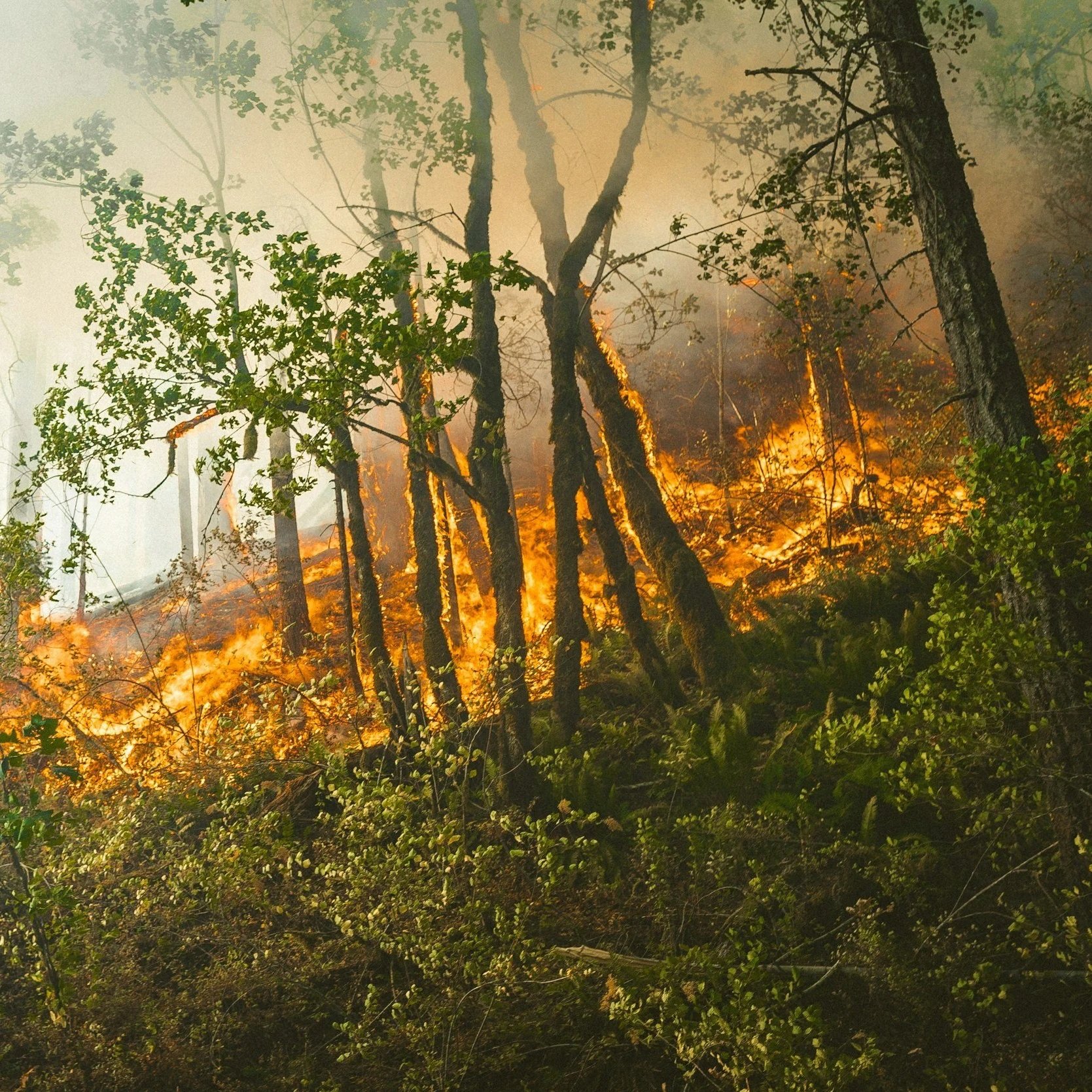
Fire mitigation is one of those topics that tends to get overlooked in Florida because people associate wildfire risk with dry western states.
Living and working around trees in Largo, Florida, brings a lot of benefits. Shade, privacy, wildlife, and curb appeal all come with the territory. It also brings responsibility. Fire mitigation is one of those topics that tends to get overlooked in Florida because people associate wildfire risk with dry western states. Years in the tree care industry tell a different story. Fires here behave differently, but they still start, spread, and cause damage when conditions line up. Brush clearing plays a bigger role than many property owners realize, especially as development pushes closer to natural areas and unmanaged vegetation piles up over time.
Fire mitigation in tree care starts with understanding how fuel behaves on a property. Fallen branches, palmetto fronds, leaf litter, overgrown understory, and unmanaged tree spacing all contribute to how a fire ignites and moves. Brush clearing removes the most volatile materials first, reducing the chance that a small spark turns into a fast-moving ground fire that threatens structures or jumps into tree canopies. In Largo, Florida, where seasonal dryness can follow heavy growth periods, that fuel builds up faster than people expect.
Tree care professionals look at properties differently than homeowners do. We see where heat can concentrate, where wind funnels through vegetation, and where ladder fuels form that allow flames to climb from ground level into larger trees. Fire mitigation is not about stripping land bare or turning yards into sand lots. It is about strategic clearing and thoughtful tree management that respects the landscape while reducing risk. When done properly, brush clearing actually improves the health of remaining trees and makes properties easier to maintain long-term.
Why Fire Mitigation Matters More Than You Think In Florida
Florida’s fire risk often hides in plain sight. The state experiences frequent rainfall, which fuels rapid plant growth. That growth eventually dries out, especially during seasonal dry spells or extended heat. In Largo, Florida, neighborhoods often border conservation areas, drainage corridors, and undeveloped parcels that collect dense vegetation year after year. Fire mitigation becomes critical in these transition zones where maintained landscapes meet unmanaged growth.
Fire behavior in Florida tends to stay low to the ground at first, feeding on brush, grasses, and debris. That ground fire creates intense heat that can damage tree roots, scorch trunks, and weaken larger trees even if flames never reach the canopy. Over time, repeated exposure to heat stress makes trees more vulnerable to pests, decay, and storm damage. Tree care professionals often see the aftermath months or even years later, when a tree fails during a storm, and the root damage traces back to an earlier fire event or smoldering ground burn.
Another overlooked factor involves wind. Florida storms bring strong gusts that can push embers into brush piles, fence lines, or dense shrub beds near homes. Fire mitigation reduces those ignition points. Clearing brush away from structures, sheds, fences, and tree bases limits how close fire can get to critical areas. Property owners sometimes focus only on visible threats, such as trees overhanging roofs, while ignoring dense ground growth that poses equal or greater risk during a fire.
Fire mitigation also plays a role in emergency response. Firefighters rely on access and defensible space to do their jobs safely. Overgrown brush can block access routes, limit visibility, and make suppression efforts more dangerous. Thoughtful tree care and brush clearing improve not only private property safety but also the broader community’s ability to respond when a fire does occur. In growing areas like Largo, Florida, those shared responsibilities matter more each year.
How Brush Clearing Fits Into Professional Tree Care
Brush clearing often gets lumped into general yard cleanup, but professional tree care treats it as a specific fire mitigation tool. The goal goes beyond aesthetics. Clearing focuses on removing fine fuels that ignite easily and carry fire quickly across the ground. These include small branches, vines, dead shrubs, palmetto growth, fallen leaves, and accumulated organic debris.
Tree care crews assess brush in relation to tree spacing and structure. Dense understory beneath mature trees creates ladder fuels that allow fire to climb upward. Removing that layer breaks the vertical path fire needs to spread. Proper brush clearing maintains separation between ground fuels and tree canopies, which reduces the chance of crown fires that cause the most severe damage.
In Largo, Florida, certain plant species contribute heavily to fire risk when unmanaged. Palmettos, for example, accumulate dead fronds that burn hot and fast. Vines can climb trees and fences, creating continuous fuel pathways. Shrubs planted too close together can trap heat and embers. Fire mitigation through brush clearing addresses these specific conditions rather than applying a one-size-fits-all approach.
Professional tree care also considers soil health and erosion when clearing brush. Removing vegetation improperly can expose soil, leading to runoff issues during Florida’s heavy rains. Experienced crews balance clearing with ground stabilization, leaving beneficial low-growth plants where appropriate and using mulching strategies that reduce fire risk without harming soil structure. Fire mitigation works best when it integrates with long-term property care instead of acting as a short-term fix.
Common Misconceptions About Fire Risk And Tree Removal
Many property owners assume fire mitigation means cutting down large trees. That misconception often leads to unnecessary removals that provide little added safety. In reality, healthy, well-spaced trees can act as wind breaks and shade the ground, reducing surface temperatures and slowing fire spread. Problems arise when trees grow too close together or accumulate dead material underneath.
Another common belief involves moisture levels. Florida’s humidity gives a false sense of security. While humidity does affect ignition, it does not eliminate fire risk. Dry periods, even short ones, dry out surface fuels quickly. Brush piles that sat wet for months can ignite after just a few hot, dry days. Fire mitigation planning accounts for worst-case conditions, not average weather patterns.
Some homeowners rely on irrigation to manage fire risk, assuming watered landscapes cannot burn. Irrigation helps, but it does not reach all fuel sources. Leaf litter under shrubs, dead fronds, and interior brush layers often remain dry even when lawns appear green. Fire mitigation through brush clearing targets those hidden risks that irrigation alone cannot address.
Tree care professionals also encounter resistance based on visual preferences. Dense landscaping feels private and lush, which many people value. Fire mitigation does not require sacrificing privacy or beauty. Strategic thinning and selective clearing maintain visual barriers while removing the most dangerous fuel loads. Education helps property owners understand that smart brush clearing improves both safety and plant health over time.
Fire Mitigation Planning For Residential And Commercial Properties
Fire mitigation looks different depending on property type, but the principles stay consistent. Residential properties in Largo, Florida, often feature mixed-use spaces with lawns, ornamental plantings, and natural areas blending together. Brush clearing focuses on creating defensible space around homes while maintaining usable outdoor areas. Clearing around HVAC units, electrical equipment, and outdoor storage reduces ignition risk where heat or sparks may occur.
Commercial properties face different challenges. Larger parcels, retention ponds, and undeveloped corners collect brush quickly. Fire mitigation planning for these spaces emphasizes access and containment. Clearing along fence lines, roadways, and building perimeters reduces the chance of fires spreading unnoticed. Tree care teams often coordinate with property managers to schedule routine clearing that aligns with maintenance cycles and budget planning.
Multi-family developments and HOAs benefit significantly from coordinated fire mitigation efforts. Individual actions matter, but fire does not respect property lines. Consistent brush clearing across shared spaces creates continuity in defensible zones. Tree care professionals help associations prioritize high-risk areas first, such as natural buffers and common corridors, before expanding outward.
Long-term planning also involves monitoring regrowth. In Florida’s climate, cleared areas regenerate quickly. Fire mitigation succeeds when properties establish maintenance schedules rather than treating clearing as a one-time project. Tree care professionals track growth patterns and adjust clearing intervals based on vegetation type, weather trends, and property use.
Long-Term Effects Of Ignoring Brush Clearing
Skipping fire mitigation does not usually lead to immediate disaster, which makes it easy to postpone. The risks compound quietly. Brush accumulates, tree canopies thicken, and access routes narrow over time. When a fire does occur, those conditions amplify damage and complicate response efforts.
Heat damage to trees often shows up later. A ground fire may not kill a tree outright, but it can weaken roots and trunks. Over the following seasons, decay sets in, pests move in, and structural stability declines. Tree failures during storms frequently trace back to earlier fire exposure that went unnoticed at the time. Proper fire mitigation reduces those long-term tree health issues.
Insurance considerations also come into play. Property owners increasingly face questions about vegetation management after fire incidents. Demonstrating proactive fire mitigation through regular brush clearing can support claims and reduce disputes. Tree care documentation provides valuable records that show responsible property management.
Environmental impacts matter as well. Uncontrolled fires burn hotter and longer, damaging soil microorganisms and root systems. Fire mitigation promotes cooler, more manageable burns when they occur naturally or during controlled situations. Healthy soil recovers faster, supporting regrowth that stabilizes landscapes instead of contributing to erosion or invasive species spread.
How Professional Tree Care Improves Fire Mitigation Outcomes
Fire mitigation works best when guided by experience. Tree care professionals understand how different species respond to heat, pruning, and clearing. Knowing which trees tolerate thinning and which require careful handling prevents unintended damage during mitigation efforts. Brush clearing performed without that knowledge can create new problems, such as stressed trees or exposed roots.
Professional crews also bring equipment designed for efficient, safe clearing. Proper tools reduce soil disturbance and allow selective removal rather than wholesale clearing. In Largo, Florida, where properties often include wetlands or protected zones, understanding local regulations matters. Tree care professionals navigate those requirements while still achieving effective fire mitigation.
Timing plays a role as well. Clearing during certain seasons minimizes stress on plants and reduces regrowth speed. Tree care schedules align fire mitigation with pruning cycles, storm preparation, and routine maintenance. That integrated approach saves property owners time and money over the long term.
Communication stands out as another benefit. Experienced tree care providers explain why specific areas need attention and what changes to expect. Property owners gain clarity about ongoing maintenance needs rather than reacting to emergencies. Fire mitigation becomes part of a broader property care strategy instead of a standalone concern.
Fire Mitigation As Part Of Responsible Property Ownership
Owning property in Largo, Florida, means managing natural growth alongside built structures. Fire mitigation through brush clearing reflects responsible stewardship of both. Clear properties reduce risk not only for individual owners but also for neighbors and first responders. The benefits extend beyond safety into tree health, aesthetics, and long-term maintenance costs.
Property owners who invest in regular brush clearing often notice improved usability of outdoor spaces. Trails become accessible, views open up, and wildlife patterns stabilize. Tree canopies receive better airflow and light, reducing disease pressure. Fire mitigation supports a healthier landscape overall when approached thoughtfully.
Ignoring fire risk rarely saves money. Emergency responses, storm-related tree failures, and insurance complications cost far more than routine mitigation. Tree care professionals see the difference firsthand between properties maintained with fire mitigation in mind and those left unmanaged for years. The contrast becomes especially clear after extreme weather events.
Fire mitigation does not eliminate risk entirely, but it shifts odds significantly. Clearing brush, managing tree spacing, and maintaining defensible space give fires fewer opportunities to escalate. In a growing community like Largo, Florida, those proactive choices protect investments and support safer neighborhoods for everyone.
Fire Mitigation Brush Clearing FAQs in Largo, Florida
How often should brush clearing be done for fire mitigation in Largo, Florida?
Brush clearing frequency depends on vegetation type and growth rate, but many properties benefit from annual or semi-annual maintenance. Florida’s rapid growth means fuel can rebuild quickly, especially after rainy seasons. A tree care professional can assess regrowth patterns and recommend a schedule that balances safety and landscape health.
Does brush clearing harm wildlife on my property?
Responsible brush clearing considers wildlife habitats and timing. Professional tree care crews avoid nesting seasons when possible and leave beneficial vegetation intact where it does not contribute to fire risk. Fire mitigation aims to reduce hazardous fuel while preserving ecological balance, not eliminate natural habitat.
Can fire mitigation help protect trees during storms as well?
Fire mitigation often improves storm resilience. Removing excess brush and thinning overcrowded areas reduces wind resistance and root stress. Trees maintained through proper clearing and pruning tend to withstand storms better than those weakened by overcrowding or previous heat damage.
Is brush clearing enough on its own to reduce fire risk?
Brush clearing addresses a major part of fire mitigation, but it works best alongside other tree care practices. Proper pruning, debris removal, and spacing all contribute to reducing risk. A comprehensive approach tailored to the property provides the most effective protection over time.
What areas of a property should be prioritized for fire mitigation?
High-priority areas include zones near structures, fence lines, utility equipment, and natural borders. Clearing around tree bases and under canopies also reduces ladder fuels. Tree care professionals evaluate each property to identify where brush clearing delivers the greatest safety benefit first.
