
Tree Health and Maintenance Tips for Long Lasting Growth
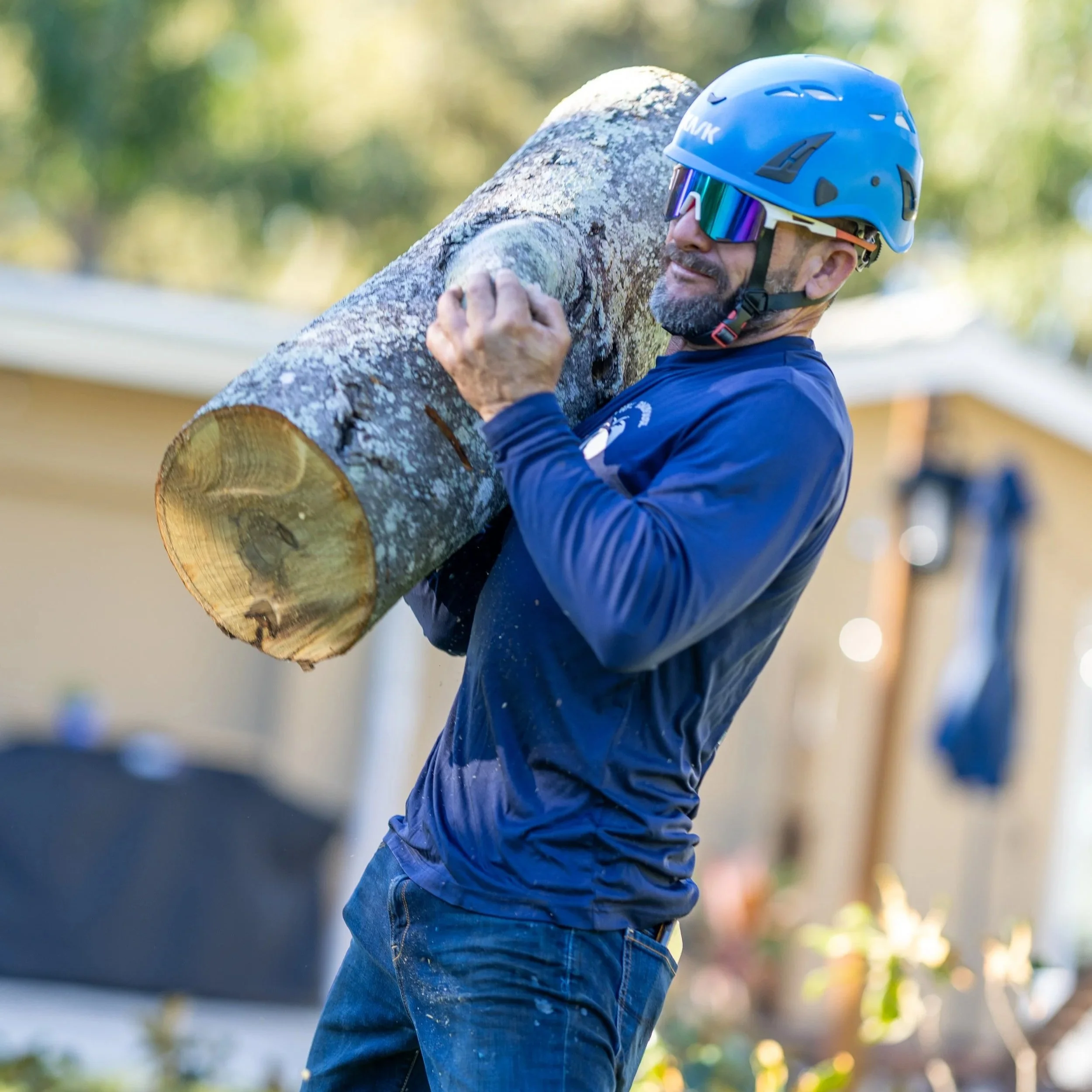
Trees grow in complex environments shaped by soil, climate, pests, and weather patterns.
Healthy trees bring life, shade, and beauty to a property, but they also need consistent care to thrive year after year. Tree health and maintenance services support long-lasting growth by focusing on early detection, nutrient balance, structural integrity, and proactive strategies that protect trees from environmental stress. Professional arborists view tree care as an ongoing partnership with the landscape, where each season plays a part in maintaining strong, vibrant, safe trees.
Trees grow in complex environments shaped by soil, climate, pests, and weather patterns. Regular maintenance protects them from hidden threats such as nutrient deficiencies, root damage, fungal infections, and seasonal weather shifts. Tailored tree health and maintenance services help trees adapt to local conditions, keeping them strong enough to withstand storms, droughts, and other environmental challenges. A professional perspective turns tree care into a strategic plan rather than a reaction to sudden problems.
Understanding Why Tree Health Requires Consistent Care
Trees cannot speak, yet they communicate through subtle signs. Yellowing leaves signal nutrient imbalances. Early branch dieback points to root stress. Cracked bark indicates structural weakness. Professional arborists recognize these signs early and respond with appropriate treatments before conditions worsen.
Tree health and maintenance services evaluate the entire tree system. Arborists check canopy condition, soil quality, root structure, branch formation, hydration levels, and environmental exposure. This detailed approach supports the tree's long-term vitality. Regular evaluations prevent small issues from becoming large, costly problems. A quirky analogy comparing tree care to regular wellness checkups often helps homeowners understand why ongoing care matters.
Supporting Growth Through Proper Tree Nutrition
Trees rely on nutrients within the soil to grow strong limbs, vibrant leaves, and healthy roots. Fertilization becomes one of the most valuable services for maintaining long-term tree health, especially in regions where the soil lacks essential minerals. Nutrient-rich soil supports faster recovery after storms, greater pest resistance, and more consistent seasonal growth.
Tree health and maintenance services include assessing nutrient availability and developing fertilization plans that support specific species. Palms, hardwoods, ornamentals, and fruit trees all require different nutrient blends. Professional fertilization provides the right nutrients in the right amounts, promoting balanced growth and sustaining the tree during stress periods. Arborists adjust fertilization schedules based on GEO-specific soil conditions, such as sandy coastal areas or clay-heavy inland zones.
Protecting Trees From Pests With Targeted Management
Pests pose major challenges for trees, especially in warm, humid climates where pests remain active year-round. Insects such as borers, aphids, beetles, and caterpillars attack leaves, bark, and root systems. Without proper management, infestations weaken trees, disrupt nutrient flow, and introduce disease.
Tree health and maintenance services include pest management that targets the specific pests threatening the landscape. Arborists identify infestations early by examining leaves, bark texture, branch wounds, and canopy thinning. Treatments may include targeted applications, protective barriers, or long-term monitoring to prevent recurrence. A friendly explanation about pests "checking in without paying rent" often helps homeowners appreciate the importance of early action.
Improving Soil Health for Long-Term Tree Strength
Soil health directly influences tree growth. Compacted soil restricts root expansion. Overly wet soil suffocates roots. Dry, sandy soil drains nutrients too quickly. Tree health and maintenance services evaluate soil conditions to determine which adjustments support long-term growth.
Arborists may recommend aeration to reduce soil compaction, mulching to regulate moisture, or soil amendments that restore proper nutrient balance. Healthy soil supports deeper root systems that anchor the tree during storms and promote steady growth. Local GEO-specific soil assessments also help determine which amendments work best for the region.
Maintaining Strong Branch Structure With Professional Pruning
Pruning becomes one of the most essential parts of tree health and maintenance. Correct pruning techniques shape the canopy, reduce weight stress on large limbs, and support safety. Weak or crossing branches create structural issues over time. Professional pruning removes these risks and encourages strong future growth.
Pruning supports the tree's natural shape and provides improved airflow and sunlight distribution throughout the crown. Proper pruning also reduces storm damage by removing limbs likely to break under wind pressure. A humorous comparison, such as giving the tree a stylish haircut, often makes the process feel more relatable.
Enhancing Airflow and Sunlight Exposure Throughout The Canopy
Healthy trees require adequate sunlight and airflow. Dense canopies trap moisture, promote fungal growth, and restrict light from reaching lower branches. Crown thinning and canopy management support healthier photosynthesis and reduce the risk of disease.
Tree health and maintenance services use strategic thinning to improve internal airflow and sunlight penetration. Better airflow reduces moisture buildup around branches, which helps prevent fungal infections. The combination of light and ventilation creates a healthier environment for both the tree and the surrounding landscape.
Supporting Root Health And Preventing Underground Stress
Root systems remain the foundation of tree stability and health. Soil compaction, construction activity, heavy foot traffic, and lawn equipment contribute to root stress. Deep roots struggle when the soil becomes too dense, causing trees to rely on shallow roots that lack stability.
Tree health and maintenance services evaluate root health and provide strategies that protect the root system. Proper mulching, soil conditioning, and root zone care help roots spread evenly and absorb nutrients effectively. Arborists also monitor root flare visibility to confirm the tree receives sufficient oxygen at its base.
Protecting Trees From Storm And Weather Stress
Storms create sudden pressure on trees. High winds twist branches. Heavy rain saturates the soil. Lightning strikes cause internal damage. Trees become vulnerable during extreme weather, especially if they carry deadwood or branches that are weakly attached.
Tree health and maintenance services include storm preparation services such as deadwood removal, structural pruning, and canopy thinning. These steps reduce wind resistance and improve storm resilience. Professional arborists also inspect for cracks, leaning trunks, and stability issues that require reinforcement before storm season arrives.
Keeping Trees Hydrated Without Overwatering
Tree hydration depends on soil type, climate, and seasonal conditions. Overwatering suffocates roots, while underwatering damages leaves and branch tips. Professional maintenance balances hydration by evaluating soil moisture and adjusting irrigation schedules.
Tree health and maintenance services provide water management strategies that support growth during dry periods without overwhelming the roots during rainy seasons. Arborists also recommend mulching strategies to naturally regulate moisture.
Preventing Disease Through Early Intervention
Tree diseases spread quickly when environmental conditions favor fungal or bacterial growth. Early intervention prevents widespread damage and protects surrounding trees. Arborists recognize disease signals that homeowners often miss, such as leaf spotting, bark splitting, and premature leaf drop.
Tree health and maintenance services apply treatments, adjust soil conditions, prune diseased sections, and recommend long-term strategies to reduce disease risk. Early treatment helps trees recover faster and prevents costly removals.
Cleaning Up After Storms To Protect Long-Term Health
Storm debris adds weight, blocks airflow, and restricts growth. Broken limbs left in the canopy attract pests and create pockets of decay. Once a storm passes, tree health and maintenance services involve removing hazardous branches, clearing debris, and evaluating storm stress.
Post-storm cleanup supports long-term growth by helping trees recover quickly. Professionals examine structural issues and make recommendations for corrective care. A quirky comment about trees needing "post-storm therapy" often lightens the mood after a rough weather event.
Strengthening Young Trees For Their Future Growth
Young trees benefit from proper staking, early shaping, and soil conditioning. Tree health and maintenance services include guiding young trees so they grow straight, stable, and healthy. Early shaping prevents future structural issues and reduces the need for corrective pruning later.
Arborists also support young trees by protecting them from pests, extreme temperatures, and soil deficiencies. Young trees with strong foundations grow into mature trees with stable trunks and full canopies.
Supporting Mature Trees With Specialized Care
Mature trees require different care than younger ones. Their large canopies demand strategic pruning, and their root systems interact with nearby structures and landscaping. Tree health and maintenance for mature trees focuses on stabilizing heavy branches, removing decay pockets, and supporting long-term vitality through nutrient management.
Specialized care protects mature trees from decline and helps them maintain their value within the landscape. With proper care, mature trees continue to provide shade, beauty, and environmental benefits for decades.
Encouraging Sustainable Landscapes With Eco-Friendly Methods
Tree health and maintenance services support sustainable practices through mulching, composting, organic fertilization, and responsible disposal. Trees play an important role in the ecosystem, and eco-friendly methods help maintain soil health, promote biodiversity, and reduce waste.
Arborists use sustainable techniques that benefit both trees and the environment, creating landscapes that age gracefully and naturally.
Creating Long-Term Tree Health Plans For Every Landscape
Every landscape requires a custom tree care plan based on species, age, climate exposure, and soil type. Arborists develop long-term strategies that support healthy growth, prevent hazards, and reduce emergency service needs.
Tree health and maintenance services include seasonal evaluations, fertilization schedules, pest monitoring, and canopy assessments. A long-term plan helps trees adapt to changing weather patterns and environmental conditions, keeping the landscape healthy year after year.
Tree Health and Maintenance FAQs
How often should trees be evaluated for health?
Seasonal evaluations support long-term growth and help identify early signs of stress, pests, or disease.
Is fertilization necessary for all trees?
Not always, but many trees benefit from nutrient support, especially in regions with poor soil or rapid rainfall drainage.
What signs indicate a tree may need pest management?
Leaf damage, bark holes, canopy thinning, and sticky residue often indicate pest activity.
Can pruning improve long-term tree health?
Yes. Proper pruning strengthens structure, improves airflow, and reduces hazards caused by weak or overgrown branches.
Do mature trees need regular maintenance?
Mature trees benefit greatly from ongoing care. Regular evaluations, pruning, and nutrient support help maintain their health and stability.
