
That Tree Is Leaning Over My Driveway Again
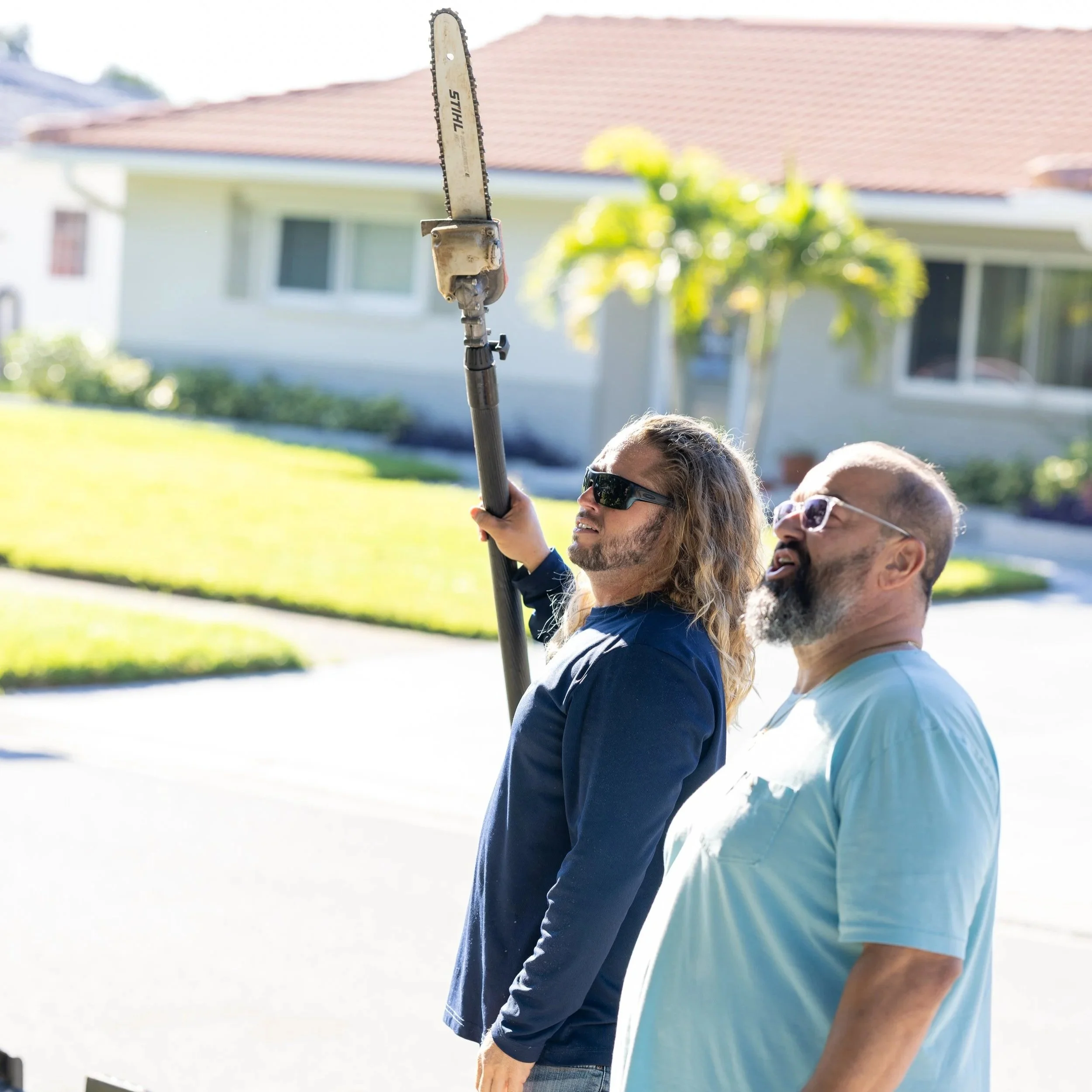
Most people call for emergency tree removal only after something has already hit the house, but the smarter move is often made before that.
You keep looking at it every time you pull in, hoping it will not come down tonight. One hard storm or a loud crack at 2 a.m. is all it takes to turn a leaning tree into a crushed truck, a torn-up roof, and a bill you never planned for.
Trees rarely fall without warning. Homeowners usually live with the signs for months, sometimes years, telling themselves it is probably fine. A slight lean toward the driveway. A split in the trunk that was not there last spring. Limbs are dropping during minor winds rather than during major storms. Most people call for emergency tree removal only after something has already hit the house, but the smarter move is often made before that. Fast removal of a hazardous tree is not a panic. It is prevention.
The difference between proactive removal and true storm damage cleanup often comes down to timing, and timing is what protects your roof, your fence line, and your peace of mind.
When “It’s Probably Fine” Turns Into A Cracked Roof
A common homeowner mistake goes like this. The tree has been there for decades. It survived every storm before. It shades the driveway in summer. It feels stable because it has always been there. That familiarity creates a false sense of security.
What most people do not realize is that trees weaken gradually from the inside out. Internal decay, root rot, and soil movement can compromise structural stability long before the canopy shows obvious distress. A tree can look full and green while the trunk core is hollowing out. By the time bark splits or the lean becomes dramatic, the structural failure is already well underway. Emergency tree removal is often needed not because the storm was unusually strong, but because the tree was already compromised.
I have seen homeowners delay removal because they thought trimming a few limbs would fix the issue. Pruning reduces weight, but it does not correct root failure or internal decay. If the root plate has shifted or the trunk has lost integrity, wind load during the next storm can push it past the tipping point. Once that happens, damage spreads fast. Roof decking cracks, gutters tear off, siding rips, and suddenly, the cost of waiting dwarfs the cost of early action.
What Counts As A Hazardous Tree Anyway?
Many people type into search engines, what is considered a hazardous tree near my house? That question usually pops up after a limb drops close to the patio or when bark starts peeling in large sections.
A hazardous tree has a high likelihood of failure and a clear target beneath it. The target might be your home, your garage, your neighbor’s fence, or even the sidewalk where your kids play. Risk is a combination of three conditions and what it can hit. A declining tree in the back corner of a large yard is less urgent than one leaning over your roofline. Location matters just as much as health.
Warning signs include deep vertical cracks in the trunk, large dead branches in the upper canopy, fungal growth at the base, soil heaving around the root ball, and sudden lean after heavy rain. Storm damage can accelerate existing weaknesses. Saturated soil reduces root grip. Repeated wind events stress compromised wood fibers. Emergency tree removal often becomes necessary after a storm, not because the storm was extreme, but because it was the final push on an already unstable structure.
Storm Damage Is Not Always Obvious At First
Homeowners often assume that if a tree is still standing after a storm, it must be safe. That assumption leads to delayed calls and a greater risk later. Microfractures in wood fibers, partial root tear-out, and internal splitting may not be visible from the driveway.
Storm damage can also alter weight distribution. A large limb loss on one side alters the canopy's balance. That shift increases stress on the remaining trunk and root system. Over time, gravity works against the weakened structure. Emergency tree removal becomes more complicated when a tree partially fails and hangs over a roof or power line. Controlled removal before complete collapse is safer, more predictable, and usually less invasive to the surrounding property.
After strong wind or heavy rain, a professional assessment can identify structural instability before it escalates. Many homeowners wait until they hear creaking during the next storm. By then, removal is more urgent and often more expensive due to restricted access or secondary damage.
Why Fast Action Costs Less Than Waiting
It feels counterintuitive to remove a tree that has not yet fallen. The house is still intact. The driveway is still usable. There is no visible damage. That mindset focuses on current conditions instead of future risk.
Emergency tree removal after impact involves more than cutting wood. Crews must stabilize partially fallen trunks, protect damaged structures, coordinate with roofing or utility professionals, and sometimes work around live wires. Debris can be embedded in roofing materials or siding. Insurance claims slow everything down. Temporary tarping or fencing adds additional layers of expense and inconvenience.
Fast removal of a confirmed hazardous tree is controlled and planned. Equipment placement is strategic. Sections are lowered safely. The surrounding landscape remains largely intact. Homeowners avoid secondary damage and prolonged disruption. Comparing early removal to post-impact cleanup is like comparing routine maintenance to emergency surgery. Both solve a problem, but one is calmer and far less chaotic.
The Shortcut That Creates Bigger Problems Later
Another common mistake involves hiring the lowest-cost option without verifying experience in hazardous tree work. Removing a healthy backyard tree for aesthetics is different from performing emergency tree removal on a structurally compromised trunk near a house.
Hazardous trees require technical rigging, weight calculations, and careful dismantling. Cutting a leaning tree at the base and hoping it falls away from the home is not a strategy. That shortcut often leads to collateral damage. Improper cuts can cause barber chair splits, where the trunk splits vertically and snaps unpredictably. Limbs can swing into siding or shatter windows if not properly secured.
Professional crews approach hazardous trees in sections. They analyze lean direction, internal decay, wind exposure, and ground conditions. They use ropes and controlled lowering techniques to prevent sudden drops. Storm damage removal especially requires patience and precision. Taking shortcuts with unstable trees often results in more structural damage than the tree would have caused if left alone for a few more weeks.
“My Tree Looks Fine, But It’s Leaning” Is A Red Flag
Homeowners frequently search, " My tree is leaning toward my house, but still alive. That situation is more concerning than it sounds. Lean combined with saturated soil is one of the most common precursors to sudden failure.
Trees develop structural roots that anchor them deep and wide. When soil becomes overly saturated from repeated storms, those roots lose friction. If the tree already had minor root decay or compaction issues from nearby construction, the stability margin shrinks. A living canopy does not equal structural security. Leaves and green growth reflect vascular function, not anchoring strength.
Emergency tree removal becomes more urgent when lean increases rapidly or when cracks appear in the soil directly beneath the lean. Those signs suggest root plate movement. Waiting to see what happens during the next storm is risky. Trees rarely lean back into place on their own. Once structural roots have shifted significantly, reversal is unlikely without professional intervention.
How Hazardous Trees Affect More Than Just The Roof
Most people focus on the obvious risk of roof damage. That concern makes sense. Replacing shingles, decking, and interior drywall is expensive and disruptive. Hazardous trees, however, create other long-term issues that are less visible at first.
Falling limbs can damage fences, irrigation systems, and vehicles. Root failure can cause sidewalks to upheave or driveways to crack. Insurance premiums can rise after a claim, even if coverage pays for repairs. Emotional stress is another factor homeowners rarely consider until it happens. Listening to branches scrape the siding during windstorms creates constant anxiety. Sleeping through heavy rain becomes difficult when you know a compromised tree looms overhead.
Fast removal removes that daily tension. Living under a known hazard erodes comfort in subtle ways. Addressing it restores confidence in your property. Preventing damage is not only about saving money. It is about protecting the feeling of safety inside your own home.
Timing Matters More Than Most People Think
Seasonal conditions influence tree stability. Late summer drought can weaken trees and make them brittle. Autumn storms then place added stress on already dry wood fibers. Winter saturation increases soil movement. Spring growth adds canopy weight just as soil remains soft from seasonal rain.
Homeowners often wait for a “better time” to address a questionable tree. The truth is, hazardous trees rarely improve over time. Decay spreads. Root systems continue to degrade. Storm exposure compounds structural stress. Emergency tree removal becomes more complex when access is limited by mud, snow, or debris.
Acting during calmer weather provides more control and flexibility. Crews can position equipment safely. Surrounding landscaping suffers less disruption. Proactive removal during stable conditions often prevents emergency calls during severe weather events when availability is limited and response times are longer.
Emergency Tree Removal FAQs
How do I know if I need emergency tree removal?
Emergency tree removal is necessary when a tree poses an immediate threat to your home, driveway, or power lines due to structural instability, severe lean, storm damage, or visible cracking. A professional assessment can determine whether the risk of failure is high enough to justify fast action rather than routine trimming or monitoring.
Can a healthy-looking tree still be hazardous?
Yes, a tree can appear green and full while suffering from internal decay or root instability. Structural weakness often develops within the trunk or below ground before visible canopy decline, which is why leaning, soil movement, or trunk cracks should never be ignored.
Is storm damage always obvious after bad weather?
Storm damage is not always visible right away. Microfractures, partial root shifts, and internal splitting can occur without dramatic external signs, which is why trees that remain standing after a storm can still require professional evaluation.
Does removing a hazardous tree increase property value?
Removing a hazardous tree can protect property value by preventing structural damage and reducing insurance risks. Buyers often feel more confident about a home when visible safety concerns have already been addressed rather than left unresolved.
What happens if I delay removing a leaning tree?
Delaying removal increases the likelihood of sudden failure during wind or heavy rain, which can result in roof damage, vehicle impact, or injury. Costs typically rise after a collapse due to emergency response needs, structural repairs, and debris cleanup compared to controlled proactive removal.
