
Regular Tree Trimming: The Simple Habit for Safer Yards
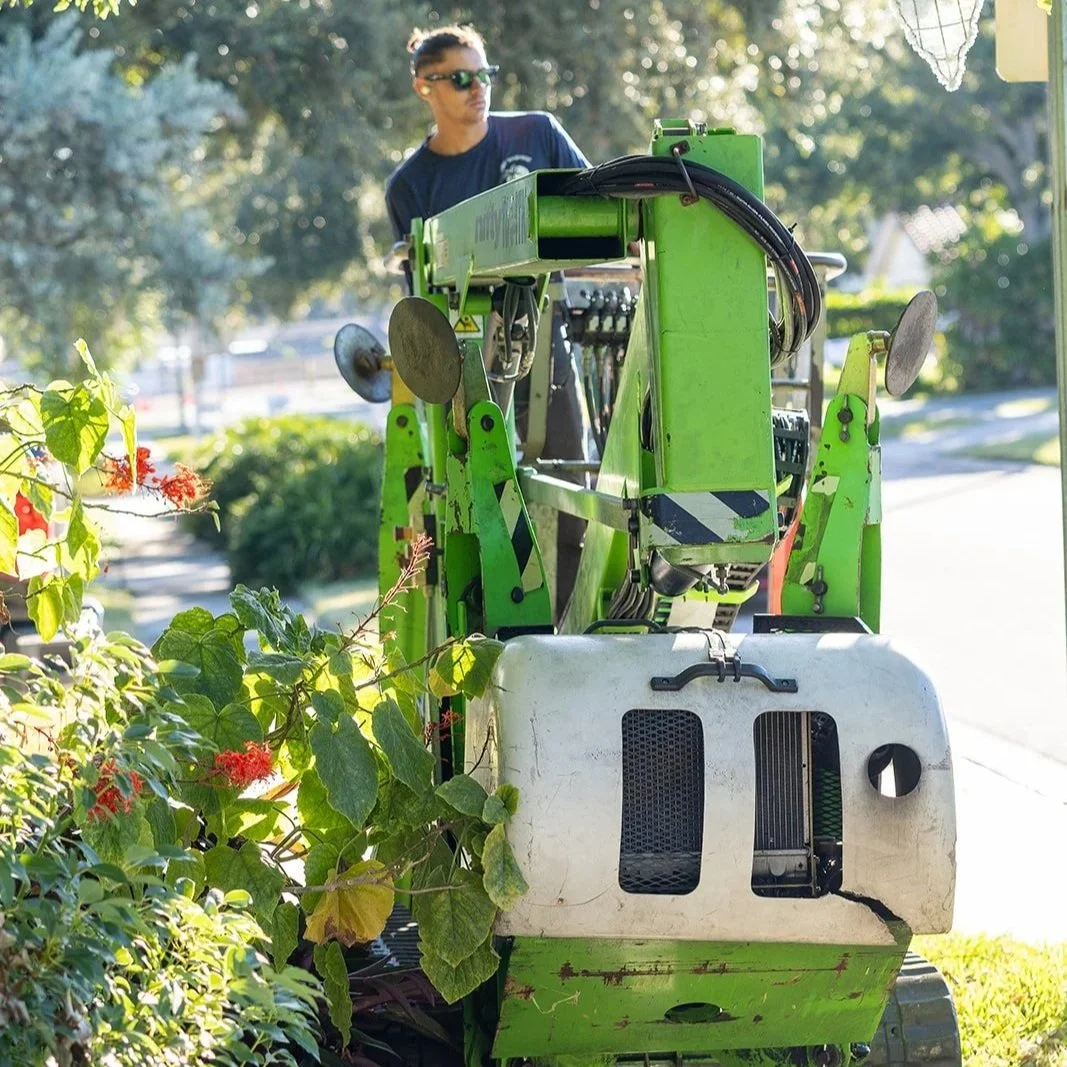
Regular tree trimming keeps trees healthy, strong, and safe.
A well-trimmed tree makes any yard look polished, but the real magic lies beneath the surface. Regular tree trimming keeps trees healthy, strong, and safe. When handled by professionals, it prevents accidents, improves growth, and extends a tree’s lifespan. It’s not just maintenance—it’s long-term protection for your home and property.
Why Regular Tree Trimming Matters
Trees may appear self-sufficient, but they rely on occasional help to maintain balance. As branches grow heavier and stretch farther, they compete for light, water, and space. Without trimming, growth becomes uneven, and branches can become brittle or diseased. Regular trimming removes these weak links, directing energy toward stronger limbs and healthy new shoots.
Professionals approach trimming strategically. Every cut serves a purpose, whether it’s to improve structure, prevent interference with power lines, or promote airflow. Trees that receive consistent care develop evenly, with sturdy branch unions and well-shaped canopies. The result is a landscape that’s both beautiful and safe.
Neglecting tree trimming often leads to more than a messy yard. Overgrown branches can scrape rooftops, obstruct sunlight, or block driveways. In some cases, they may become hazardous during storms. Regular trimming keeps nature’s beauty in check, preventing small problems from turning into costly emergencies.
The Safety Benefits Of Tree Trimming
Safety is one of the most overlooked advantages of professional tree trimming. Over time, trees grow closer to buildings, fences, and utility lines. In high winds or heavy rain, long branches can snap or fall, posing risks to property and people. Regular maintenance reduces the likelihood of falling debris or unexpected damage.
Professionals identify weak, cracked, or diseased limbs before they break. By removing them early, the tree maintains balance and stability. Thinning dense areas of foliage also improves wind resistance, allowing air to pass through more easily. That small adjustment can mean the difference between a tree that bends gracefully and one that topples under pressure.
Regular trimming also protects walkways and outdoor spaces. Low-hanging branches can obstruct paths or block visibility for drivers entering or leaving the property. Professional trimming restores safe clearance and keeps everyday movement hazard-free.
How Tree Trimming Supports Tree Health
Healthy trees depend on more than sunshine and rain. They thrive when old, damaged, or competing branches are carefully managed. Trimming removes deadwood that would otherwise drain the tree’s resources. It also helps distribute nutrients more effectively to areas with strong potential for growth.
Sunlight penetration is another major benefit. When thick canopies are thinned, light reaches lower branches and nearby plants, supporting a balanced ecosystem. Airflow improves, too, reducing humidity that can invite mold and pests. Professionals know how to balance aesthetics and biology to keep trees vigorous year-round.
Trimming also reduces disease risk. When infected branches are removed, it stops decay from spreading to the rest of the tree. Clean, precise cuts made by professionals heal faster and leave minimal exposure to bacteria or fungi. Each trim acts as preventive care, strengthening the tree’s natural defenses.
Timing Is Everything
Trimming may seem simple, but timing plays a major role in success. Professionals schedule trimming based on species, season, and local climate. Most trees benefit from pruning during their dormant season in late winter or early spring. At that stage, the tree directs its energy toward healing rather than producing leaves.
However, some trees respond better to summer trimming, especially fast-growing varieties that need shape control after their spring surge. Flowering and fruit-bearing trees also have special timing needs to avoid cutting off next season’s buds. Knowing when to trim helps maintain health and appearance without disrupting growth cycles.
Professional services factor in local conditions, too. In areas with frequent storms, trimming before severe weather seasons prevents breakage. Strategic scheduling keeps trees resilient no matter what nature throws their way.
Recognizing When Trees Need Trimming
Trees are expressive. They signal distress through overgrowth, sagging branches, or irregular shapes. When a tree’s canopy looks too dense, sunlight struggles to reach the ground. That’s a good indicator it’s time for a trim.
Branches touching roofs, windows, or siding are another clear sign. Constant contact can wear down materials and invite pests like ants or termites. A professional assessment can determine how much trimming is needed to restore safe spacing without harming the tree.
Unbalanced growth also hints at deeper problems. A lopsided canopy or sudden lean could mean internal weakness or soil instability. Professionals address these concerns early, reducing risks before they escalate. Routine inspections paired with trimming keep trees healthy and hazards minimal.
The Role Of Professional Expertise
Tree trimming may look straightforward, but doing it correctly requires training and precision. Every species has its quirks, and professionals understand how each responds to cutting. A poorly placed trim can stress a tree or create weak points that take years to recover.
Professionals use sharp, sanitized tools to make clean cuts that promote quick healing. They avoid over-pruning, which can strip away too much foliage and reduce the tree’s ability to produce energy. They also know where to make cuts relative to the branch collar, protecting the natural healing process.
Tree care experts evaluate the entire structure before starting. They consider weight distribution, canopy shape, and proximity to structures or power lines. Safety protocols, climbing gear, and equipment are part of every job to keep the process efficient and accident-free.
Trimming For Aesthetic Appeal
Well-maintained trees are not only safer but also more visually attractive. Professional trimming enhances shape and symmetry, giving the yard a polished, natural look. A well-shaped canopy provides balance to the landscape, making it look cared for without appearing artificial.
Tree trimming can also improve property value. Curb appeal matters, and healthy, well-trimmed trees create a welcoming impression. They frame homes beautifully and complement landscaping features like lawns, gardens, or walkways.
Professionals understand how to shape trees while respecting their natural growth patterns. Every cut contributes to long-term beauty, allowing the tree to thrive while staying proportional to its surroundings.
Environmental Advantages Of Regular Tree Trimming
A healthy tree benefits the entire environment. By trimming regularly, professionals help trees produce cleaner air, stronger roots, and more shade. Balanced canopies allow for better light distribution and airflow, promoting biodiversity among nearby plants.
Trees also provide energy savings for property owners. Well-placed and properly trimmed trees offer shade that cools homes during summer while allowing sunlight through during colder months. That balance improves comfort and efficiency naturally.
Regular trimming can also prevent invasive species or fungal growth that threatens local ecosystems. Removing infected branches stops diseases from spreading to nearby trees. Professionals take care to dispose of debris properly, preventing recontamination and keeping the environment cleaner.
How Often Should Trees Be Trimmed
The ideal trimming frequency depends on species, growth rate, and environment. Fast-growing trees may need trimming every one to two years, while mature trees may only need maintenance every three to five years. Professionals assess each tree individually to develop a care schedule that matches its needs.
Environmental stressors like storms or drought can influence trimming schedules, too. Trees recovering from damage may require more frequent attention to promote balanced regrowth. A tailored maintenance plan keeps the landscape safe and attractive year-round.
Consistent trimming prevents overgrowth from returning and maintains structural integrity. With a regular schedule, trees stay healthy, hazards remain low, and the property retains its charm.
The Cost Of Neglecting Regular Trimming
Skipping routine tree trimming often leads to bigger expenses later. Overgrown branches may block sunlight, causing lawn and plant decline. Structural issues can develop, making future pruning more difficult and expensive. In severe cases, neglected trees can fall or cause property damage.
Pest infestations and disease also thrive in neglected trees. Dense, untrimmed canopies create the perfect environment for insects and moisture buildup. Professional trimming disrupts these conditions, preventing widespread problems.
Emergency tree removal after damage costs significantly more than regular trimming. A simple maintenance habit saves money and stress in the long run. Investing in consistent care is always more affordable than dealing with aftermath repairs.
Partnering With Professional Tree Care Services
Working with a professional tree care team brings peace of mind. Experts assess tree health, recommend schedules, and handle trimming safely. They bring the right tools, equipment, and expertise for any size tree.
A professional service also knows local regulations about trimming near power lines or property boundaries. They keep everything compliant while protecting both the tree and surrounding structures. Reliable professionals value long-term relationships, helping property owners maintain safe, beautiful yards through every season.
Tree care isn’t a once-a-year chore; it’s an ongoing investment in the property’s safety and appearance. With professional attention, trees thrive, neighborhoods stay safer, and every storm or windy day becomes far less worrisome.
Regular tree trimming may seem simple, but it’s the quiet habit that keeps yards secure, healthy, and full of life. Each careful trim strengthens the connection between humans and the landscapes that shelter them, one well-balanced branch at a time.
Tree Trimming FAQs for Healthy and Safe Landscapes
How frequently should trees be trimmed?
The frequency of tree trimming depends on the tree species, age, and growth rate. Fast-growing trees may require trimming every one to two years, while mature trees may only need maintenance every three to five years. Regular inspections help determine the right schedule and ensure trees stay balanced, healthy, and safe.
What are the indications that a tree needs trimming?
Common signs include branches touching roofs or siding, low limbs blocking walkways or driveways, and an overly dense canopy that prevents sunlight from reaching the ground. Dead, cracked, or diseased branches are also indicators that trimming is needed to protect the tree and the surrounding property.
Is it better to trim trees in a specific season?
Many trees benefit from trimming during their dormant season, usually in late winter or early spring. However, some species respond better to summer trimming, especially when shape control is needed after rapid spring growth. Professional tree care services evaluate each tree and schedule trimming at the most beneficial time.
Why is professional tree trimming safer than DIY trimming?
Professional tree care specialists have the training, equipment, and knowledge to trim trees safely and correctly. They understand how different species respond to pruning and know where to make cuts to promote healthy growth. Proper equipment and safety practices also reduce the risk of injury or property damage.
Can regular tree trimming help prevent storm damage?
Yes. Regular trimming removes weak, dead, or overextended branches that are more likely to break during storms. Thinning dense areas of the canopy also improves wind resistance, allowing air to pass through more easily. This helps trees remain stable and reduces the risk of falling limbs during severe weather.
