
Tree Fell Across Your Driveway Again? Here’s What to Do Fast
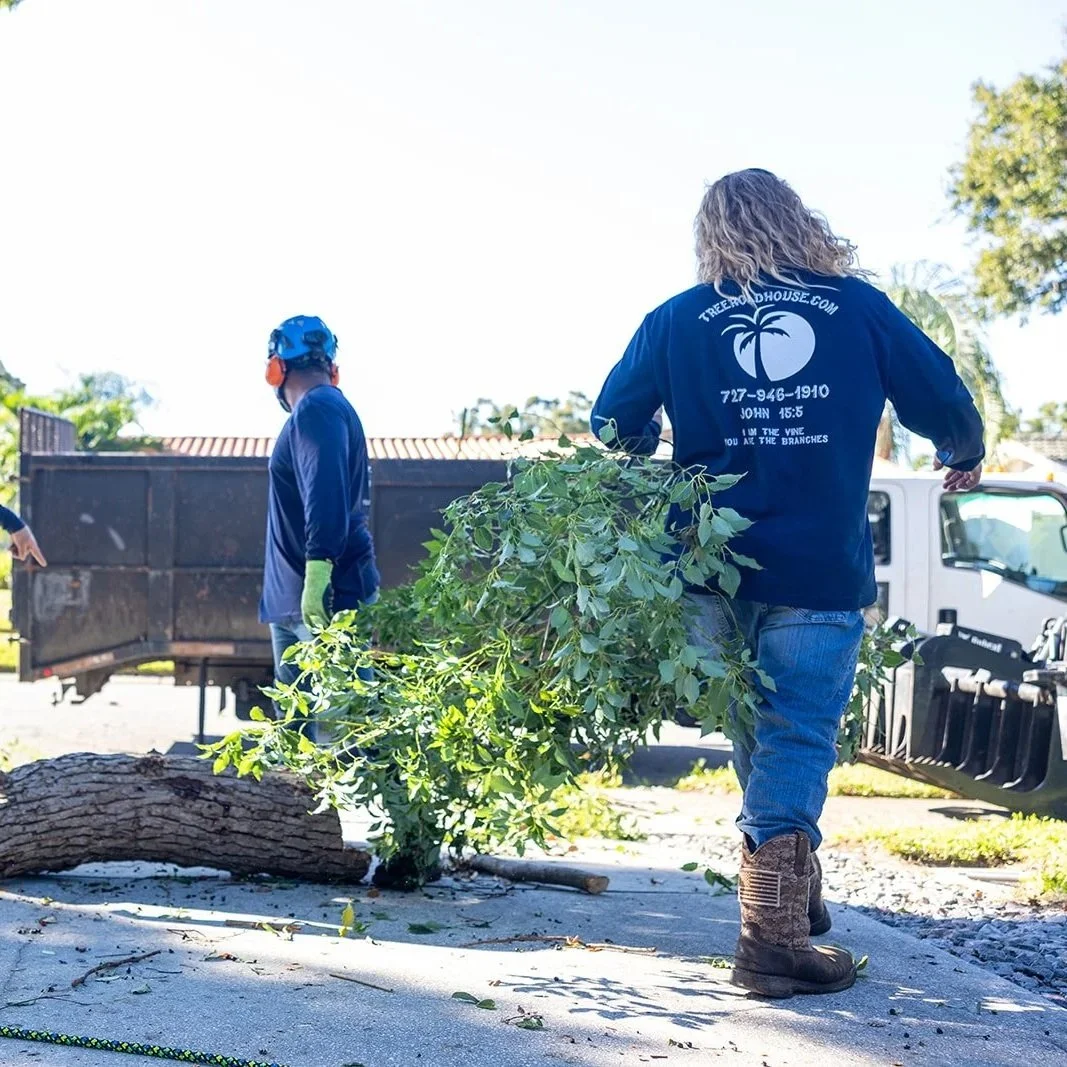
Now your morning is off track, your property feels exposed, and you’re stuck figuring out what to do before things get worse.
You walk outside, and your driveway is completely blocked, with branches everywhere, maybe even part of the trunk resting on your fence or roof. Now your morning is off track, your property feels exposed, and you’re stuck figuring out what to do before things get worse, especially when you were not expecting to deal with it at all.
It’s not just the mess. You’re facing safety risks, possible structural damage, and the uncertainty of whether it's safe to move anything before help arrives, all while your routine is disrupted.
Why Did That Tree Fall In The First Place?
Many homeowners ask this immediately, especially when the tree appeared healthy just the day before. Fallen tree removal begins by recognizing that trees rarely fall without warning. Compromised roots, internal rot, or saturated soil typically contribute long before the tree drops, even if all seemed stable externally.
Heavy rain, wind, or shifting soil conditions can push a compromised tree past its limit. Even healthy-looking trees can develop hidden structural issues that weaken their stability. These problems often go unnoticed until a storm or sudden stress exposes them, causing significant damage to your entire property.
Ignoring the cause can lead to repeated situations on the same property. If one tree falls due to root instability or disease, nearby trees may also be at risk. Identifying the cause of the fall helps prevent future damage and keeps your property safer in the long term, without waiting for another surprise incident.
What Should I Do First When A Tree Falls On My Property?
Most homeowners ask that exact question while standing in the middle of the mess. Fallen tree removal begins with safety, not cleanup. Your first instinct might be to start cutting or moving branches, but that can be dangerous if the tree is unstable or under tension from the way it landed.
Downed trees often rest in unpredictable positions, especially if they landed on structures or other landscaping. Branches can shift suddenly, and sections of the trunk may be under pressure. Moving anything without assessing the situation can lead to injury or further damage that makes the situation worse.
The safest first step is to keep your distance and evaluate the surroundings. Look for power lines, structural damage, or anything that could create immediate risk. Once the area is secure, you can begin planning the proper approach to removal without rushing into unsafe decisions.
Why Trying To Handle It Yourself Can Make Things Worse
It is tempting to grab a chainsaw and start clearing the problem right away. Fallen tree removal, especially on driveways, yards, or structures, involves more complexity than most homeowners expect. What looks like a simple cut can release stored tension in the wood in ways that are hard to predict.
Branches and trunks often hold hidden weight. Cutting in the wrong spot can trigger sudden shifts, rolling, or splitting, endangering structures and people nearby who try to help.
Professional removal accounts for these forces and uses controlled cutting techniques. Attempting to handle it without experience can turn a manageable situation into a much larger problem. Knowing when to step back is often the smartest move you can make in that moment.
How Fallen Trees Affect Structures And Hidden Damage
When a tree lands on a roof, fence, or garage, the visible damage is only part of the story. Fallen tree removal often reveals hidden structural stress that homeowners do not notice right away. The weight and impact can shift materials and weaken supports beneath the surface.
Roof damage may extend beyond broken shingles, affecting underlying layers or framing. Fences and walls can shift out of alignment, even if they appear intact at first glance. These issues can worsen over time if not properly addressed and carefully inspected.
Removing the tree without evaluating the structure can lead to missed problems. A careful approach considers both removal and inspection. Addressing hidden damage early helps prevent costly repairs later and protects your property's integrity from ongoing deterioration.
What Happens When A Tree Blocks Your Driveway Or Access
A fallen tree across your driveway creates immediate disruption. Fallen tree removal in these situations is often urgent because it affects access to your home. Being unable to leave or enter your property adds stress to an already frustrating situation during an already inconvenient moment.
Clearing access requires more than simply cutting a path through the debris. The weight and position of the tree must be managed carefully to avoid shifting hazards. Quick fixes can create unstable conditions that make the area more dangerous for everyone involved.
Proper removal restores access while maintaining safety. The goal is not just to move the tree, but to do it in a way that prevents further complications. That approach keeps your property functional without adding new risks or unexpected problems afterward.
The Common Mistake Of Waiting Too Long To Remove It
Some homeowners delay removal, especially if the tree does not seem urgent. Fallen tree removal should not be postponed, even if the situation appears manageable. Leaving debris in place can lead to additional problems over time that are easy to overlook at first.
Moisture can build up around the fallen tree, affecting nearby landscaping or structures. Pests may move into the wood, creating new issues for your property. The longer the tree remains, the more likely these secondary problems become and spread into other areas.
Prompt removal helps prevent these complications and restores normal conditions. Acting quickly reduces the impact on your property and limits the chances of further damage. Waiting often turns a straightforward job into a more involved and expensive process later.
How Weather And Timing Make The Situation Worse
Environmental conditions continue to affect a fallen tree even after it hits the ground. Fallen tree removal becomes more complicated when weather changes add stress to the situation. Rain, wind, or temperature shifts can alter how the tree rests on your property over time.
Wet conditions increase weight and make surfaces slippery. Wind can cause movement in partially supported sections of the tree. These changes create new hazards that were not present immediately after the fall and can catch homeowners off guard.
Timing matters because conditions rarely stay the same. Addressing the problem sooner reduces the risk of additional movement or damage. Understanding how the weather affects the situation helps guide the removal process more safely and effectively.
Why Proper Equipment Makes A Huge Difference
Fallen tree removal is not just about cutting wood; it requires the right tools for safe and controlled work. Professional equipment allows for precise cuts and better handling of heavy sections. Without it, the process becomes more unpredictable and harder to manage safely.
Chainsaws, rigging systems, and lifting equipment all play a role in managing large trees. These tools help control how the tree is dismantled and moved. Using improper tools increases the risk of accidents and property damage during the process.
Having the right equipment also speeds up the process without sacrificing safety. What might take hours with basic tools can be handled more efficiently with proper gear. That efficiency reduces disruption and restores your property faster with less stress.
What To Expect During Professional Fallen Tree Removal
Many homeowners are unsure what actually happens during removal. Fallen tree removal involves a step-by-step process that focuses on safety and control. The tree is carefully evaluated before any cutting begins to prevent unexpected movement.
Sections are removed in a controlled manner, starting with branches and working toward the trunk. Each cut is planned to prevent sudden movement or shifting. The goal is to reduce weight gradually and stabilize the remaining structure during the process.
Tree Roadhouse handles fallen tree removal for driveways, yards, and structures with that level of care. The process is designed to protect both the property and the people involved. A structured approach keeps everything under control from start to finish, without unnecessary risk.
How To Prevent The Next Tree From Falling
After dealing with one fallen tree, many homeowners start looking at the rest of their property differently. Fallen tree removal often leads to questions about prevention. Identifying at-risk trees can help avoid similar situations in the future before they become emergencies.
Signs such as leaning, root exposure, or visible decay indicate potential problems. Regular inspection helps catch these issues before they lead to failure. Addressing them early reduces the likelihood of another unexpected fall that disrupts your property again.
Preventive care includes trimming, monitoring soil conditions, and removing compromised trees. Taking action before a tree falls is always less disruptive than dealing with the aftermath. A proactive approach protects both your property and your peace of mind long term.
Why Cleanup And Disposal Matter More Than You Think
Many homeowners assume that once the tree is cut down, the job is done. Fallen tree removal also includes proper cleanup and disposal, which can become a major task on its own. Leaving debris behind can create both safety hazards and visual clutter across your property.
Large sections of wood, branches, and scattered debris can block walkways and damage landscaping. Without proper removal, your yard may remain unusable or unsafe even after the main trunk is gone. That lingering mess adds to the frustration of the original problem.
Professional cleanup restores your property to a usable condition. It removes hazards and clears space so you can get back to normal. Completing the job fully makes a noticeable difference in how quickly your property recovers from the incident.
Tree Roadhouse is a family-owned, leading tree care provider in Largo, offering tree fertilization and soil treatments, cabling and bracing, pest and disease management, and deep root feeding. With a veteran-led structure and decades of combined experience, our aim is to enhance your landscape and protect your property. Call now!
Fallen Tree Response FAQs for Property Owners
What should I do immediately after a tree falls on my property?
Start by checking for safety hazards, such as power lines or structural damage. Keep your distance and avoid moving anything until you understand the situation and can assess the risks properly.
Can I remove a fallen tree by myself?
Small debris might be manageable, but large trees can be dangerous to handle without proper equipment and experience. Professional help is often the safer choice for complex situations.
How quickly should a fallen tree be removed?
It is best to remove it as soon as possible to prevent additional damage or safety risks. Delays can lead to complications like pests, moisture buildup, or structural issues.
Will my insurance cover fallen tree removal?
Coverage depends on your policy and the cause of the fall. It is a good idea to document the damage and contact your provider for specific details about your situation.
How can I tell if other trees on my property are at risk?
Look for signs like leaning, cracks, or root damage. Regular inspections help identify potential problems before they become serious and lead to another unexpected fall.
