
Why Smart Tree Trimming and Pruning Keep Yards Healthy All Year
Healthy trees bring life to every yard. Their shade softens summer afternoons, their color adds curb appeal, and their presence brings balance to the landscape. Yet even the strongest trees need a little help to stay that way. Professional tree trimming and pruning aren’t just about making trees look nice; they are essential tasks that protect trees from disease, improve safety, and help them thrive from season to season.
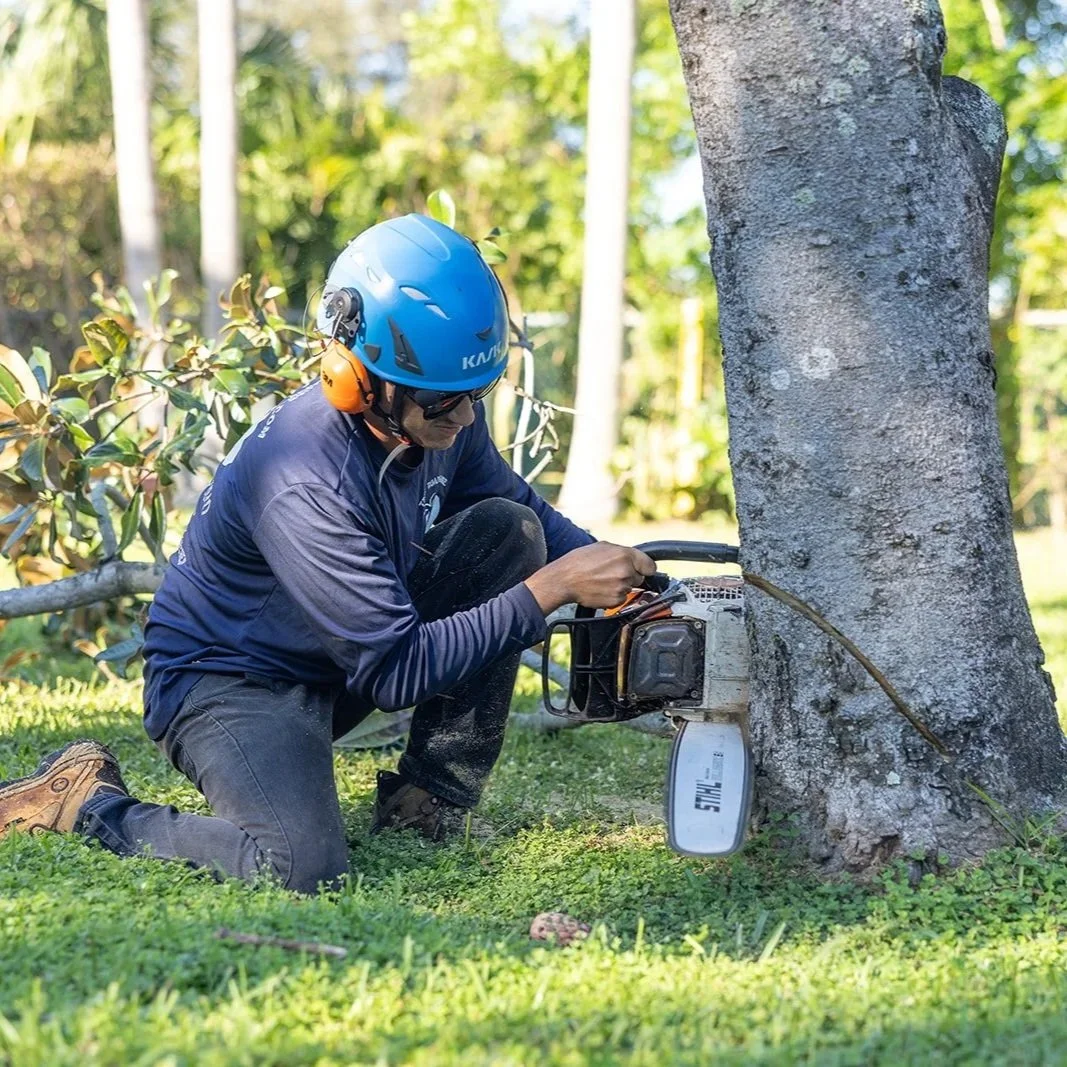
Professional tree trimming and pruning aren’t just about making trees look nice; they are essential tasks that protect trees from disease, improve safety, and help them thrive from season to season.
The Science Behind Smart Trimming
Tree trimming and pruning may look like simple snips and cuts, but there’s serious science behind the process. Every branch has a purpose, and understanding how to shape a tree without harming it takes know-how and precision. Professionals study branch structure, growth direction, and how each cut will affect the overall health of the tree.
Trimming it is all about removing overgrown or obstructive branches, helping trees keep a balanced shape, and preventing them from interfering with power lines, structures, or other plants. Pruning, on the other hand, takes a more targeted approach. It involves removing dead, diseased, or weak limbs to encourage new, healthy growth. Together, they create a tree that looks beautiful, grows stronger, and withstands seasonal stress better.
Seasonal Timing Makes All The Difference
Every season plays a unique role in a tree’s life. Knowing when to trim or prune makes the difference between healthy growth and unwanted damage. In late winter or early spring, before new growth begins, most trees benefit from structural pruning. It removes weak limbs before leaves arrive, giving the tree a stronger foundation for the growing season.
Summer trimming, when trees are fully leafed out, helps control their shape and size. It’s perfect for managing fast growers that tend to stretch too far. Autumn is generally a resting period for most trimming, as cuts can take longer to heal before the onset of dormancy. However, light pruning for safety, such as removing storm-damaged branches, is always a good practice.
Winter pruning, often overlooked, can actually be one of the healthiest times to work on deciduous trees. Without leaves in the way, arborists can clearly see the branch structure, allowing for precise cuts that protect long-term growth and health. Each season provides an opportunity to fine-tune the landscape without stressing the trees.
Pruning For Health, Not Just Looks
While aesthetic value is essential, pruning is primarily a form of preventive care. Over time, dead or rubbing branches can create wounds that attract pests and disease. Removing these weak parts preserves the tree’s natural defense system. By thinning crowded areas, arborists also allow sunlight and airflow to reach inner branches, reducing the risk of fungus and decay.
Proper pruning helps trees direct energy toward stronger, healthier growth. Instead of wasting nutrients on dying branches, they can focus resources where they’re needed most. It’s the tree world’s version of good housekeeping for trees, tidy, strategic, and surprisingly rewarding.
Protecting People And Property
Tree trimming isn’t just about keeping trees happy; it’s about keeping people safe. Overgrown limbs can scrape rooftops, block driveways, or hang dangerously over walkways. During storms, these same branches can become extremely heavy and hazardous, resulting in property damage.
Professional tree trimming reduces those risks. Certified arborists evaluate the structure and growth patterns of trees, identifying potential safety concerns before they become emergencies. By maintaining proper clearance from power lines and structures, they protect not only property but also electrical systems and nearby vegetation. A well-trimmed tree is a safe tree, strong, balanced, and far less likely to cause unexpected trouble during high winds or heavy rains.
Encouraging Fruit And Flower Production
For fruit-bearing and flowering trees, trimming and pruning offer performance benefits that go beyond appearance. Removing crowded or diseased branches helps redirect energy into productive growth. Proper cuts enhance air circulation, sunlight exposure, and nutrient flow, leading to improved yields and more vibrant blooms.
Neglected trees often produce smaller, less flavorful fruit or fewer blossoms because their resources are spread too thin. Professional pruning keeps fruit trees productive year after year by stimulating new growth and maintaining a balanced canopy. For flowering varieties, it encourages healthier buds and more uniform blooming cycles. Healthy pruning habits turn seasonal displays into show-stopping highlights.
Tree Trimming & Pruning As Preventive Maintenance
Just like regular checkups keep people healthy, professional trimming and pruning keep trees resilient. Early intervention prevents minor issues from turning into costly problems. Weak branches, fungal infections, or insect infestations can be caught and corrected before they spread.
Preventive maintenance also helps trees adjust to their environment. Trimming allows them to withstand high winds, heavy rainfall, and temperature fluctuations without structural failure. It’s an investment that protects not just the tree but the entire landscape ecosystem. A healthy tree supports surrounding plants, stabilizes soil, and contributes to better air quality around the property.
Smart Techniques That Make The Difference
Professional arborists use specialized tools and techniques designed to promote natural healing. Each cut follows a specific pattern that avoids tearing bark or leaving exposed wounds vulnerable to decay. Clean, angled cuts help the tree recover quickly while maintaining its shape and strength.
They also know which branches to remove and which to preserve. Over-pruning can shock a tree, while neglect can cause long-term damage. Professionals strike that perfect balance by assessing age, species, and environmental factors before making a single cut. Their expertise transforms routine maintenance into a customized care plan tailored to each tree’s unique personality.
Environmental Benefits Of Proper Pruning
Healthy trees contribute more than shade and beauty. They play an active role in supporting local ecosystems. Trimming and pruning help them live longer, produce more oxygen, and absorb more carbon dioxide. A properly maintained canopy provides shelter for birds and pollinators while improving soil stability through strong, well-nourished roots.
Overgrown or unhealthy trees, however, can block light for surrounding plants or become host to pests. Regular care promotes biodiversity and maintains a balanced ecosystem throughout the entire yard. Professional trimming not only enhances the tree’s health but also promotes the landscape’s sustainability.
Spotting The Signs That A Tree Needs Attention
Trees may not speak, but they give plenty of hints when they’re struggling. Drooping branches, cracked limbs, and sparse leaves can signal structural issues or disease. Fungal growth near the trunk or peeling bark often points to internal decay. Branches scraping your roof or blocking light are clear indicators that it’s time for maintenance.
Professional arborists read these signs like a language. Through careful inspection, they identify the source of the problem and create a pruning plan that restores vitality without over-stressing the tree. Waiting too long can lead to greater damage and, in some cases, removal. Regular trimming schedules prevent trees from reaching that point.
Why Professionals Outperform DIY Efforts
While trimming might look like a task for a ladder and a pair of clippers, it’s a job best handled by trained professionals. Working at heights, especially with power tools, brings significant safety risks. Beyond the physical hazards, improper cuts can permanently harm a tree’s structure. Over-trimming can lead to sunscald or water loss, while incorrect timing can slow seasonal growth.
Professional services provide precision, expertise, and specialized safety equipment designed for complex tasks. Arborists evaluate not just what needs trimming but why, helping trees thrive under expert care. The result is a landscape that looks refined, functions safely, and supports long-term property value.
Sustainable Yard Care Through Smart Tree Management
Tree trimming and pruning aren’t just one-time chores; they’re part of a sustainable yard care strategy. By promoting healthy growth and preventing decay, they reduce waste, support natural cycles, and minimize the need for chemical treatments. When combined with proper watering and soil management, regular trimming creates a self-sustaining landscape that requires less intervention over time.
Sustainability extends beyond the individual tree. Healthier trees protect surrounding vegetation by sharing resources efficiently and maintaining a balanced ecosystem. Their shade cools nearby areas, reducing the need for energy-intensive outdoor cooling or irrigation. In short, professional tree care benefits both nature and the neighborhood.
Boosting Property Value Through Healthy Trees
A well-kept yard instantly improves curb appeal, and thriving trees often serve as its centerpiece. Potential buyers and visitors notice healthy canopies, balanced silhouettes, and colorful seasonal displays. Trees with strong structures also indicate a well-maintained property, which can positively impact the overall property value.
Regular tree trimming and pruning highlight those natural features while preventing issues that could reduce value, such as root overgrowth or storm damage. A yard maintained by professionals signals care and investment, adding to both beauty and long-term stability.
Long-Term Rewards Of Year-Round Tree Care
Consistency is key in maintaining a vibrant landscape. Seasonal trimming and pruning schedules provide trees with a rhythm that aligns with their natural growth cycles. Over time, they develop stronger roots, fuller canopies, and greater resistance to pests and disease.
The rewards go beyond aesthetics. Year-round care means fewer emergencies, healthier soil, and a more balanced ecosystem. It’s the quiet, ongoing investment that keeps yards thriving through every storm and sunbeam.
Trees stand tall through decades of change, but their strength depends on the quality of care they receive. A bright and professional trimming and pruning guide that strengthens in the right direction, keeping yards healthier, safer, and more beautiful throughout every season. When handled with skill and attention, even a single cut can shape the future of an entire landscape.
