
Warning Signs Your Tree Needs Cabling or Bracing
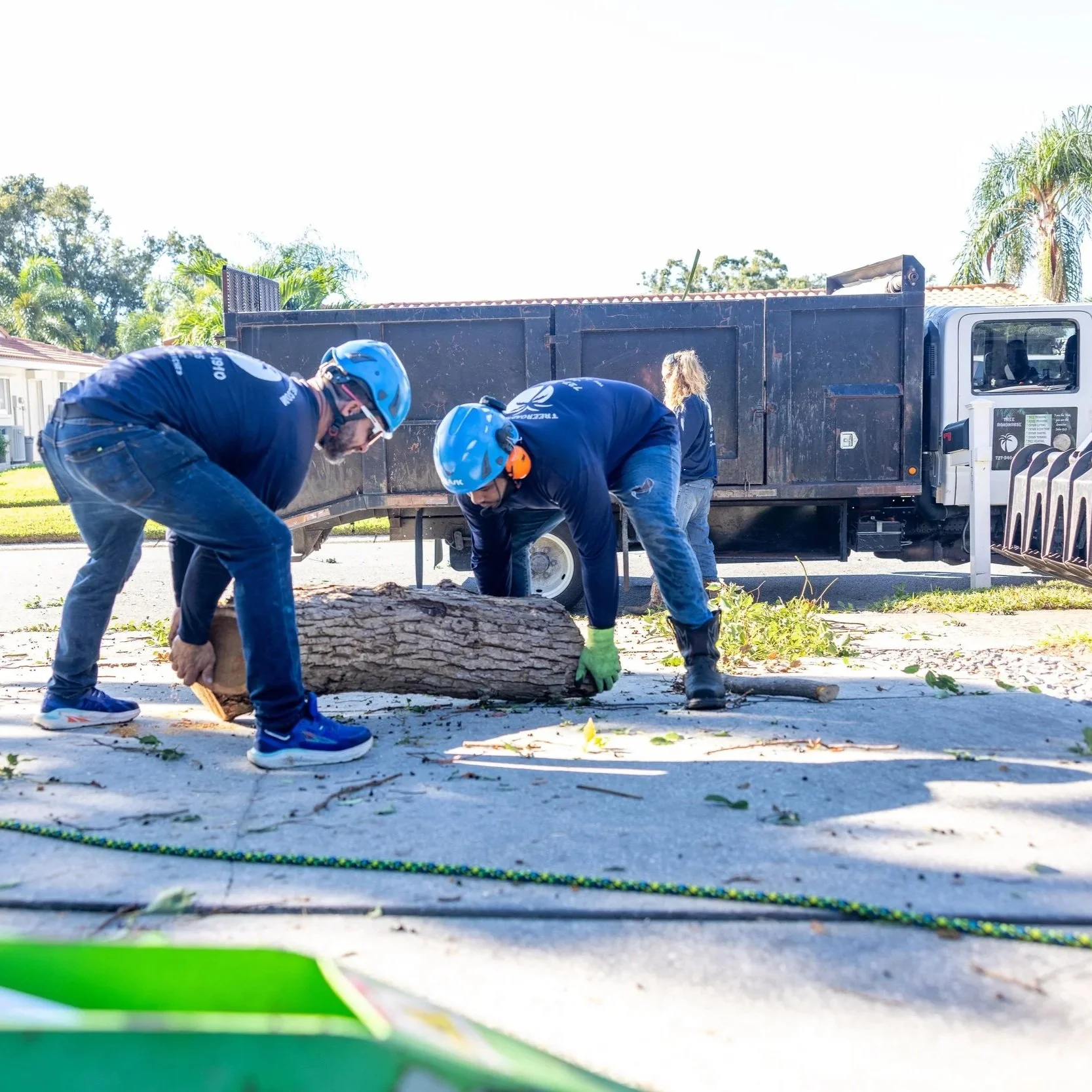
Cabling and bracing help stabilize weak trees, protecting them from storms and ensuring safety in Largo neighborhoods.
Trees are living structures that provide shade, beauty, and environmental benefits, but like any structure, they can develop weaknesses over time. Growth patterns, age, weather, and past damage can all compromise a tree’s structural integrity. When branches or trunks are vulnerable, cabling and bracing may be necessary to prevent failure. These professional techniques focus on safety and tree longevity rather than appearance.
Trees near homes, sidewalks, driveways, or public spaces pose a higher risk if they become unstable. Recognizing early warning signs can prevent property damage, personal injury, and the loss of mature, valuable trees. This guide is designed for homeowners, property managers, and HOA boards to identify red flags and understand when to call a certified arborist.
Why Tree Cabling and Bracing Matters
Structural support in trees isn’t about aesthetics—it’s about safety. Cabling and bracing reinforce trees with vulnerable limbs, stems, or trunks, reducing stress and the likelihood of catastrophic failure. Cabling typically involves high-strength steel or synthetic cables installed high in the canopy to limit movement between major branches. Bracing uses rigid rods through weak branch unions or trunks to provide direct support. Often used together, these systems help trees withstand storms, heavy snow, or the natural weight of aging limbs.
Understanding these systems is essential for property owners. Improper installation can increase failure risk and harm both the tree and people nearby. Only trained professionals should perform cabling and bracing, but homeowners can learn to observe warning signs, document concerns, and communicate effectively with arborists.
Understanding Tree Cabling and Bracing Basics
Tree Cabling: Cabling is a flexible support system designed to reduce movement in large, overextended branches or codominant stems. By redistributing stress during wind or snow events, cabling prevents limbs from splitting or tearing away. Hardware includes galvanized or stainless steel cables, anchored with professional-grade fittings. Proper installation allows branches to sway naturally while controlling dangerous movement.
Tree Bracing: Bracing involves inserting rigid rods, often threaded steel, through weak points in trunks or branch unions. This technique stabilizes cracks, splits, or narrow branch angles that may fail under stress. Bracing is often paired with cabling for comprehensive support, combining flexible and rigid systems to preserve safety and extend the life of compromised trees.
When Support Systems Are Recommended
Arborists recommend cabling or bracing for trees with large limbs, codominant stems, cracks, or storm damage. High-value specimen trees, especially those overhanging structures, driveways, or play areas, may benefit from proactive support. These interventions complement other tree management practices, such as pruning, soil care, and regular inspections.
Limitations of Cabling and Bracing
Support systems are not a cure-all. They cannot reverse decay, save trees with root or basal failure, or permanently prevent structural issues. Regular inspections and maintenance are essential; cabling and bracing are tools for risk management, not set-and-forget solutions.
Recognizing Warning Signs in the Canopy
Uneven Canopy Weight and Overextended Limbs: Branches that lean heavily to one side or extend far beyond the canopy are more likely to fail under wind or snow. Sagging limbs or branches overhanging homes and driveways may need cabling and pruning to reduce the risk.
Large Codominant Stems with V-Shaped Unions: Two or more main stems forming a tight V, often with included bark, are structurally weaker than U-shaped attachments. Cabling can hold these stems together and prevent splitting.
Sagging or Drooping Major Branches: Limbs that suddenly sag after storms or heavy fruiting indicate excessive strain. Supporting these branches can prevent cracking or separation.
Excessive Sway or Movement: Branches that move more than others in the wind may indicate weak attachments. Cabling reduces this movement, protecting vulnerable limbs.
Clusters of Heavy Limbs Over High-Value Targets: Even structurally sound branches may warrant cabling if they overhang homes, patios, or vehicles. Arborists assess potential risk zones and recommend preventive support accordingly.
Branch Union Warning Signs
Included Bark Between Branches or Stems: Bark trapped between growing stems prevents proper wood-to-wood bonding, creating natural fault lines. Cabling or bracing reinforces these weak areas.
Cracks at Branch Attachments: Visible splits or separation lines near branch unions indicate a high failure risk. Bracing rods, often paired with cables, help stabilize the structure.
Excessive Narrow Angles Between Branches: Narrow crotches reduce support and increase stress. Early corrective pruning is ideal, but cabling can help older trees with existing weaknesses.
Bark Ridges Bulging or Splitting: Raised or buckled bark at unions often precedes structural failure. Preventive cabling, bracing, or pruning can reduce stress before major damage occurs.
Visible Separation Between Trunk and Limb: Any noticeable gap signals active failure. Immediate professional assessment is necessary. Bracing or removal may be required depending on severity.
Trunk Issues That May Require Bracing
Vertical or spiral cracks, splits at branch junctions, abnormal bulges, old wounds, and leaning trunks can indicate serious structural compromise. Bracing rods may stabilize some of these defects, but advanced decay, root failure, or severe leaning often requires removal.
Root and Base Problems Support Systems Cannot Solve
Soft or decayed wood at the base, uprooting signs, girdling roots, and fungal growth at the root collar indicate instability that cabling or bracing cannot address. Construction damage and soil disturbance can also weaken roots, making removal or long-term remediation necessary.
Species and Growth Habits Prone to Structural Problems
Fast-growing ornamental trees like Bradford pears, multi-stemmed shrubs, heavy-limbed shade trees, species with naturally weak branch attachments, and heritage trees with high preservation value often require structural support. Regular inspections, preventive pruning, and timely cabling or bracing are essential for long-term safety.
Behavioral Changes That Indicate Stress
Sudden lean after storms, rapid crown thinning, increased deadwood, bark splitting, and changes in fruit or seed production are signs of structural stress. These behavioral cues, combined with visible defects, warrant professional evaluation.
When to Call a Certified Arborist
Seek professional help when trees are near people or property, after severe weather events, when visible defects are present, or for routine preventive inspections. Certified arborists can evaluate risk, recommend cabling, bracing, pruning, or removal, and create long-term management plans.
Choosing a Qualified Professional
Look for certified arborists with insurance and proven experience in cabling and bracing. Verify references, request written estimates, and ensure systems meet industry standards. A thorough assessment considers tree health, defect severity, potential failure consequences, and cost-benefit analysis.
Combining Cabling, Bracing, and Pruning
Structural pruning reduces limb weight, while cabling and bracing provide ongoing support. Integrated plans tailored to each tree ensure the best outcomes for safety, aesthetics, and longevity.
What to Expect During a Cabling and Bracing Appointment
Arborists typically conduct a site walkthrough, discuss the tree’s history, and identify defects. Safety measures include climbing gear or aerial lifts. Hardware installation involves drilling, inserting rods, and tensioning cables. Afterward, the property is cleared, and the arborist reviews the work with the owner, explaining future inspection schedules.
Ongoing Maintenance
Cabled and braced trees require periodic professional inspections to check tension, hardware integrity, and tree health. Pruning, monitoring for new defects, and updating or removing old systems are essential to maintain safety and effectiveness.
DIY Observation vs. Professional Intervention
Homeowners can safely monitor trees from the ground, taking photos and noting changes over time. Immediate professional help is required for large hanging branches, fresh cracks, exposed roots, or sudden canopy changes. Cabling and bracing are never DIY projects—incorrect installation is dangerous and ineffective.
Balancing Risk, Cost, and Tree Preservation
Preserving mature trees provides shade, enhances property value, supports wildlife habitat, and offers personal enjoyment. Cabling and bracing reduce risk but cannot eliminate it. Property owners should budget for inspection, maintenance, and potential removal, considering tangible and intangible tree benefits. Documenting assessments helps with insurance and liability. Long-term landscape planning ensures that structural interventions align with the property's broader goals.
Conclusion: Taking Proactive Steps to Protect Trees and Property
Key warning signs include canopy imbalances, weak or cracked branch unions, trunk splits, root or base concerns, species predispositions, and behavioral changes. Observing, documenting, and contacting a certified arborist early allows for proactive solutions rather than emergency interventions. Building a long-term relationship with a reputable tree professional ensures regular inspections, honest risk assessments, and timely cabling, bracing, and pruning to keep trees safe, healthy, and structurally sound.
Tree Cabling and Bracing FAQs in Largo, FL
Multiple warning signs, such as cracks, codominant stems with included bark, sagging heavy limbs, or recent storm damage, increase the likelihood. Only a certified arborist can make a definitive recommendation after an on-site inspection. Homeowners can use these signs as a prompt to call an arborist.
Properly installed and maintained systems are designed to support trees safely and often extend their lifespan. Trees grow around hardware, which is why periodic inspections and adjustments are critical. Poorly installed or neglected hardware can harm the tree, but following professional standards greatly reduces this risk.
Hardware can last many years, but environmental conditions, growth, and material quality affect longevity. Scheduled inspections check for wear, corrosion, tension, and structural changes. Arborists advise when adjustments or replacements are needed.
Cabling and bracing reduce the risk of failure but cannot guarantee safety during extreme weather. These systems are part of a broader strategy that includes pruning and site care. Owners should maintain realistic expectations and avoid activities under large trees during storms.
