
When Should You Consider Tree Cabling or Bracing in Largo, FL?
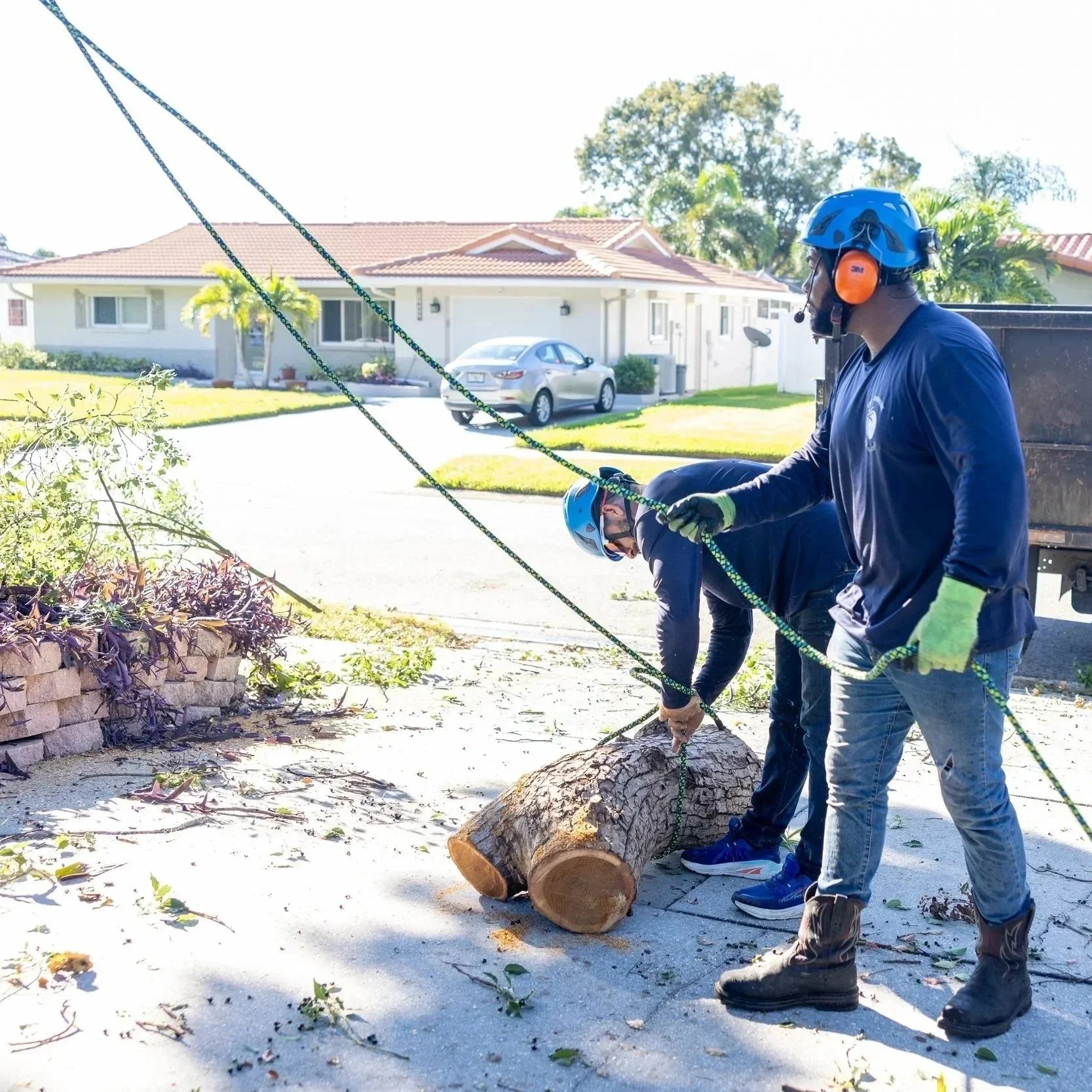
Cabling and bracing are essential for supporting structurally weak trees, especially in storm-prone areas like Largo.
Tree cabling and bracing are specialized techniques designed to support trees with structural weaknesses. Unlike cosmetic fixes, these systems help trees withstand stress and reduce the risk of limb or trunk failure. Cabling involves installing high-strength steel or synthetic cables in the upper canopy to limit the movement of major limbs, while bracing uses rods or hardware lower in the trunk or main branches to provide internal support. For mature trees with visible defects or structural concerns, these measures can preserve their health and longevity, especially when combined with pruning, soil care, and routine monitoring by certified arborists following ANSI A300 standards.
In Largo, FL, these techniques are particularly relevant given frequent storms, tropical downpours, and hurricane-force winds that put heavy stress on large trees. Common local species—live oaks, laurel oaks, slash pines, and palms—often grow near homes, driveways, and power lines. Sandy soils, high water tables, and compact urban lots can further compromise stability. Many homeowners want to preserve mature shade trees for their value, beauty, and energy-saving benefits while minimizing risk, making cabling and bracing a practical option.
This guide is intended for homeowners, property managers, HOA board members, and small business owners who are noticing structural issues in their trees. By the end, you’ll understand the warning signs that justify a professional evaluation, when cabling or bracing is appropriate, and what questions to ask a local tree service. This article provides guidance and education, but is not a substitute for an on-site assessment.
How Largo’s Climate and Environment Affect Tree Stability
Largo’s subtropical climate presents unique challenges for tree health. Tropical storms and hurricanes bring high winds and heavy rain that can test the strength of even the sturdiest trees. Repeated storms may create micro-fractures in limbs or weaken branch unions. Cabling and bracing do not make trees storm-proof, but they reduce the likelihood of limb failure in otherwise sound trees, particularly those with branches over roofs, driveways, or play areas.
Sandy soils in Largo affect root anchorage and water retention. Shallow-rooted species can be unstable, and high water tables in coastal or low-lying areas may further stress roots. While cabling addresses above-ground structure, arborists often combine support systems with soil amendments, mulching, and root-zone care. Severe root damage, however, can make structural supports insufficient, highlighting the need for professional evaluation.
Largo’s long growing season, high humidity, and frequent rainfall encourage rapid and sometimes uneven growth. Fast-growing limbs can overstress branch attachments, especially in dense canopies that catch wind more readily. Cabling redistributes loads and, combined with selective pruning, improves balance. Urban development pressures—such as driveways, sidewalks, and restricted root zones—can further compromise stability. In dense residential neighborhoods, cabling and bracing may be a better alternative to tree removal, helping preserve shade and property aesthetics.
Key Signs Your Largo Tree May Need Cabling or Bracing
Homeowners should look for warning signs indicating structural stress:
Visible cracks or splits in trunks or major limbs: Open gaps, vertical lines in the bark, or exposed inner wood indicate severe stress. Bracing rods and cables help stabilize these areas before they fail.
Co-dominant stems and weak branch unions: Two or more main trunks growing from the same point can split under stress. Early cabling reduces the risk of major limb failure.
Large limbs over structures or high-traffic areas: Long, heavy branches above roofs, driveways, or sidewalks pose risks. Cables redistribute weight, and selective pruning can further reduce stress.
Leaning trees or uneven weight distribution: Sudden leaning may indicate root compromise or soil movement. Cabling, bracing, and root-zone care can stabilize moderate leans.
Previous storm damage or partial failures: Trees with prior injuries are more vulnerable. Support systems can preserve remaining limbs and prevent further damage.
Common Tree Species in Largo That Often Need Support
Live oaks and laurel oaks: Live oaks have broad canopies that can become extremely heavy, especially after rain. Laurel oaks grow faster but have weaker wood. Both benefit from cabling, particularly for limbs extending over structures.
Palm trees: Typically, palms do not require cabling because they have single trunks. Support is mostly preventive, such as staking newly transplanted palms.
Slash pines and other conifers: Tall, flexible pines may develop split tops or leaning issues. Cabling can stabilize these defects, though removal may be recommended for severe cases.
Ornamental and fruit trees: Smaller trees, such as crape myrtles or mangoes, can develop weak unions or overextended limbs. Light-duty cabling or bracing may be appropriate alongside careful pruning.
Older, mature trees are usually better candidates for structural support than younger trees, which often benefit more from proper pruning and early guidance.
When Cabling or Bracing Is Preferable to Tree Removal
Structural support is often chosen to preserve shade, aesthetics, and property value. Mature trees reduce cooling costs, provide comfort, and enhance landscapes. Cabling and bracing are appropriate for healthy trees with structural defects. They can extend tree lifespan and reduce risk, often at a lower cost than removal and replacement.
Budget considerations are important. While cabling and bracing involve upfront and ongoing inspection costs, removal of large trees can be significantly more expensive. Structural support also demonstrates proactive risk management to HOAs, insurers, and neighbors, reducing potential liability.
The Tree Risk Assessment Process in Largo, FL
Certified arborists thoroughly evaluate trees, inspecting trunks, major limbs, crowns, and root flares for decay, cracks, poor unions, and pests. They assess potential targets around the tree and weigh the likelihood and consequences of failure. Standards like ANSI A300 and TRAQ certification guide arborists in determining appropriate interventions. The arborist explains findings clearly, outlining options including pruning, cabling, bracing, or removal, along with associated maintenance and costs.
How Tree Cabling Works
Cabling can be static or dynamic. Static steel cables severely limit movement for high-risk branches, while dynamic synthetic cables allow some natural movement, reducing stress transfer. Cables are placed high in the canopy to connect major limbs and redistribute weight. Modern hardware is corrosion-resistant and sized to tree dimensions. Installation requires climbing, aerial lifts, and specialized equipment, emphasizing the need for professional service.
How Tree Bracing Works
Bracing is used when a trunk or branch union requires internal reinforcement. Threaded rods, nuts, washers, and sometimes plates hold cracks or splits together. Proper installation is crucial; rods are sized to the tree and defect severity. Drilling creates minor wounds, but the tree generally grows around the hardware, stabilizing the structure. Bracing is not suitable for trees with extensive decay or compromised roots; in such cases, removal may be safer.
Timing and Seasonal Considerations
Largo’s storm season typically runs late summer through fall. Structural supports should ideally be installed before hurricane season. Mild winter and spring months offer optimal conditions for assessment and installation. Urgent warning signs include fresh splits, sudden leaning, partially broken limbs, soil heaving, or unusual sounds. Planning for construction, landscaping, or property improvements also helps identify trees that may need support.
Complementary Practices: Pruning, Root Care, and Maintenance
Structural pruning reduces weight and improves canopy balance, enhancing the effectiveness of cables and braces. Root care—proper watering, mulching, and soil management—is critical for stability. Monitoring for pests, disease, and decay ensures that support systems remain effective. Trees with cabling or bracing require long-term maintenance, including inspections, pruning, hardware adjustments, and periodic upgrades.
Costs and Value
Costs depend on tree size, height, number of supports, complexity of defects, and accessibility. Cabling and bracing are often more affordable than removal and replacement, especially when considering the benefits of mature trees for shade, aesthetics, and neighborhood character. Proper structural support can reduce insurance claims and liability while protecting property value.
Choosing a Tree Cabling and Bracing Specialist in Largo, FL
Homeowners should hire ISA-certified arborists with proper licenses and insurance. Ask about experience with local species, standards followed, hardware used, inspection schedules, and references. Avoid services without certifications, unclear proposals, or improper materials. Local experience is crucial due to Largo’s storms, soil, and tree species. Arborists familiar with the area know which defects fail, how trees respond to storms, and the best long-term strategies.
What to Expect During a Cabling or Bracing Appointment
Homeowners should provide site access and clear obstacles. Arborist crews use safety equipment, climbing gear, and aerial lifts to install hardware. Work may take a few hours to a full day, depending on tree size and complexity. Post-installation, arborists inspect hardware, explain monitoring procedures, and provide documentation for future reference.
Potential Risks and Misconceptions
Cabling and bracing do not make a tree storm-proof. Extreme weather, root issues, or soil saturation can still cause failure. DIY attempts or improper installations can harm the tree and increase risk. Drilling is safe when done correctly, and hardware should be used alongside pruning, root care, and monitoring rather than as a standalone solution.
Conclusion
Largo’s combination of coastal storms, sandy soils, and dense neighborhoods makes structural tree support a practical consideration. Cabling and bracing help manage risk for trees worth preserving, particularly mature oaks and other large landscape specimens. Proper installation by certified arborists, paired with pruning and root care, balances safety, cost, and long-term preservation. By investing in structural support, homeowners can maintain shade, aesthetics, and property value while keeping cherished trees standing safely for years to come.
Tree Cabling & Bracing FAQs in Largo, FL
A certified arborist evaluates structural defects such as co-dominant stems, cracks, overextended limbs, or sudden leaning. Only a thorough inspection can determine whether cabling, bracing, pruning, or removal is safest.
Steel and synthetic systems may last 10 to 20 years, depending on tree growth, storm exposure, and climate. Regular inspections—annually or every few years—are essential to check tension, hardware condition, and tree growth around supports.
Properly installed by trained professionals, cabling and bracing support rather than harm the tree. Minor drilling wounds are generally safe. DIY or improper installation can create weak points or stress.
Costs vary with tree size, defect complexity, number of supports, and site accessibility. Large or complicated trees near structures may require more labor and equipment. On-site evaluation is necessary for an accurate estimate.
