
Why Seasonal Tree Care Is the Secret to a Safer Yard
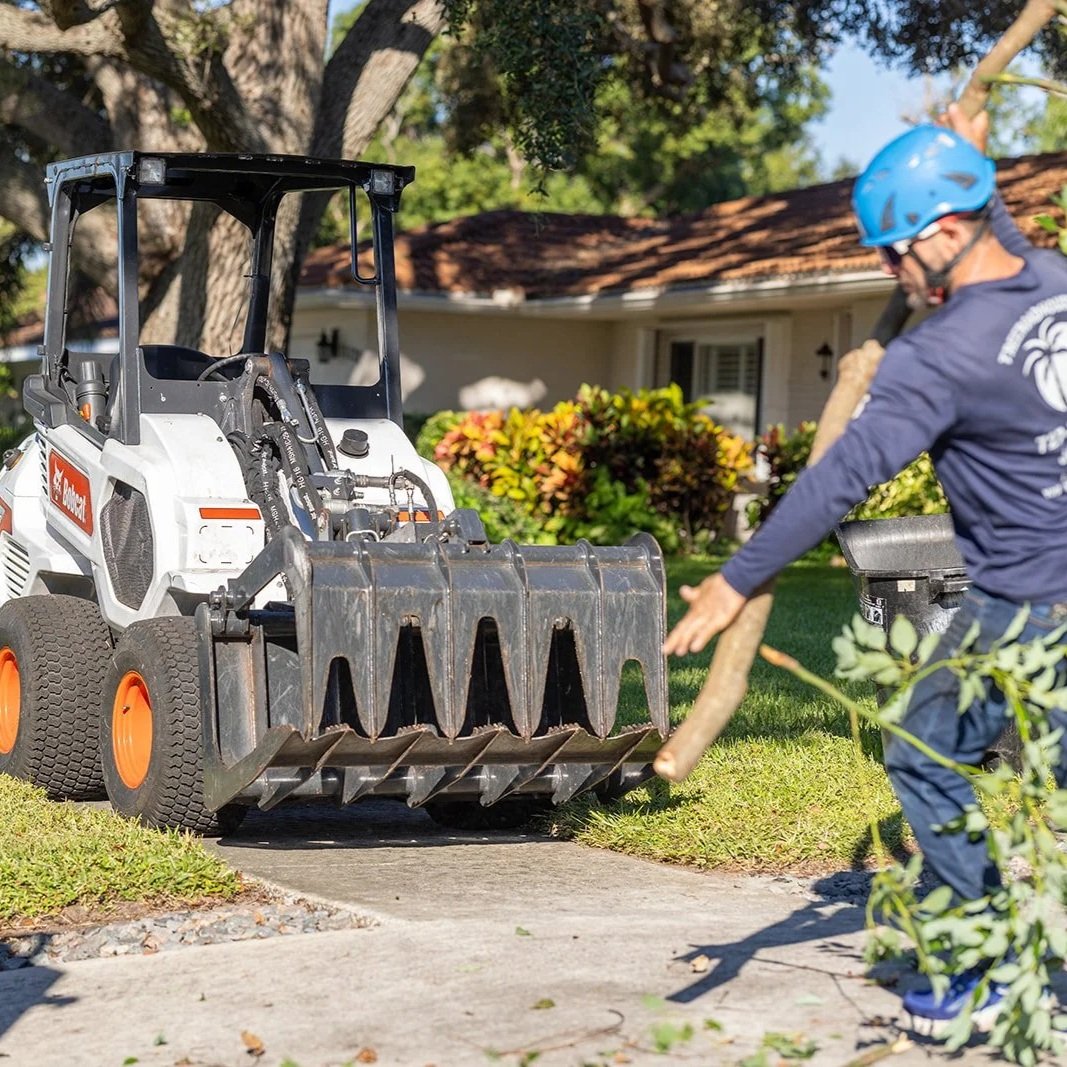
From winter pruning to summer inspections, every season plays a role in the long-term health of trees.
A beautiful yard begins with healthy trees, and healthy trees depend on consistent, well-timed care. Seasonal and preventive services are the foundation of a thriving landscape. Professional arborists know that tree maintenance is not a one-time project but a year-round commitment that keeps properties safe, attractive, and resilient. From winter pruning to summer inspections, every season plays a role in the long-term health of trees.
Understanding The Value Of Seasonal Tree Care
Trees experience constant change throughout the year. Temperature shifts, rainfall patterns, and pest activity all affect growth and stability. Professional seasonal care adapts to these changes, helping trees thrive in every condition. Regular service is not just about maintaining beauty; it’s about protecting the property from hazards caused by neglect.
When branches grow unchecked or roots weaken, trees become more vulnerable to breakage and disease. Professional tree care specialists anticipate these issues before they develop. Their proactive approach keeps trees balanced, strong, and safe, regardless of the season.
Every yard tells a different story, and professionals design customized care schedules to match local weather conditions and the specific needs of each species. That attention to timing helps trees perform optimally year-round.
Winter: Building Strong Foundations
Winter is the ideal season for structural pruning and preventive inspections. With leaves gone, arborists have a clear view of each tree’s shape and condition. They can identify deadwood, crossing branches, and hidden weaknesses that may go unnoticed during other times of the year.
Pruning in winter also minimizes stress on trees. Since they are dormant, they lose less sap and recover faster from clean cuts. Professional pruning promotes a strong branch structure, reducing the risk of breakage once spring growth resumes.
Winter care may also involve cabling or bracing trees that show signs of instability. Heavy snow and ice can weigh down limbs, leading to cracks or splits in the limbs. Reinforcing trees before the worst weather hits helps prevent costly damage. Professionals also inspect the roots and soil conditions to make sure trees remain anchored and well-supported throughout the cold months.
Spring: Encouraging Growth And Recovery
Spring is a season of renewal, and trees respond to warming temperatures with rapid growth. Professional care during this period focuses on restoration and preparation. After winter, arborists remove any damaged or dead branches that did not survive the cold.
Tree fertilization typically occurs in the spring to replenish nutrients lost during the winter. A balanced feeding program promotes healthy leaves, vibrant color, and steady growth. Professionals also check for early signs of insect activity and fungal issues that thrive in damp spring conditions.
Soil health assessments are common during spring visits. Compacted soil from winter freeze-thaw cycles can block root access to air and water. Professionals use aeration techniques to loosen the soil and promote stronger root development. By addressing these factors early, trees have the best possible start to the growing season.
Summer: Monitoring Health And Managing Stress
As temperatures rise, trees face stress from heat, drought, and pest infestations. Professional monitoring during summer focuses on keeping trees hydrated and resilient. Arborists watch for wilting, discoloration, and leaf drop—early signs of stress that need immediate attention.
Mulching is often recommended to regulate soil temperature and retain moisture. Properly applied mulch shields roots from extreme heat and reduces water evaporation. Professionals also inspect for pests like borers, beetles, and aphids that can quickly spread through dense summer canopies.
Trimming during summer can also correct overgrowth or imbalances that interfere with air circulation. Thinning heavy canopies allows sunlight to reach lower branches while reducing wind resistance. These adjustments not only improve tree health but also decrease the risk of storm-related breakage during late summer thunderstorms.
Midseason inspections help professionals identify potential hazards before they escalate and become more severe. Weak limbs or crowded branches can be removed strategically to prevent emergencies later in the year.
Fall: Preparing For Dormancy
Fall tree care is all about preparation and protection. As temperatures cool and trees prepare for dormancy, professionals focus on strengthening roots and stabilizing structure. Fallen leaves are cleared to prevent fungal growth and mold buildup around the base of the plant.
Professionals also evaluate moisture levels to confirm trees have enough water before winter. Drought stress carried into the cold months can significantly weaken trees. Strategic watering and soil care help trees enter dormancy strong and healthy.
Fall is also an excellent time for root inspections and pest management. Certain insects lay eggs in bark during the fall, so treatments at this stage prevent infestations the following spring. Professionals may recommend light pruning to remove deadwood or shape trees before winter pruning season begins.
Seasonal And Preventive Services Protect Property
Trees provide beauty and shade, but without maintenance, they can become liabilities. Weak branches, root instability, or unnoticed decay can cause significant damage during storms. Seasonal and preventive care significantly reduces those risks.
Professionals assess trees for potential hazards before they become a problem. By addressing structural weaknesses and removing damaged limbs, they prevent falling branches that could harm people, vehicles, or roofs. Regular maintenance also extends the lifespan of mature trees, preserving their value to the property.
Preventive services also include soil testing and nutrient management. Healthy soil supports strong roots, which in turn keep trees stable during heavy wind or rain. When trees are cared for throughout the year, they remain far less likely to experience sudden decline or structural failure.
The Science Behind Preventive Tree Care
Professional arborists rely on science as much as they do on experience. They understand how seasonal changes influence growth cycles and disease patterns. Preventive care is not guesswork—it’s rooted in observation, timing, and biological understanding.
For example, pruning schedules are based on the growth habits of each species. Some trees respond best to winter trimming, while others require summer maintenance. Fertilization plans are customized to soil composition, moisture content, and nutrient deficiencies identified during testing.
Professionals also use advanced diagnostic tools to monitor internal decay, pest presence, and moisture balance. That information shapes a precise treatment plan that supports long-term health and safety. Preventive tree care is not about reacting to problems; it’s about avoiding them entirely through careful monitoring and maintenance.
How Professional Care Differs From DIY Maintenance
Tree care may seem straightforward, but the difference between professional and DIY maintenance lies in technique and timing. Without proper training, it’s easy to make cuts that damage rather than help. Professionals understand tree biology and how to prune in ways that encourage healthy growth and minimize decay.
They also recognize subtle warning signs that most property owners overlook. Slight changes in leaf color or bark texture can indicate serious underlying problems. Early intervention prevents costly emergencies and helps trees stay vibrant longer.
Professionals bring the tools and expertise needed to work safely, especially at height or near power lines. Their knowledge enables efficient and controlled work that protects both the trees and the surrounding property.
Environmental And Safety Benefits Of Year-Round Care
Consistent care benefits more than individual trees—it supports the entire environment. Well-maintained trees absorb more carbon dioxide, produce more oxygen, and provide habitats for local wildlife. Preventive services help maintain these natural functions by keeping trees healthy and disease-free.
From a safety perspective, regular tree care eliminates hidden dangers. Dead or overextended branches can fall during storms, and root instability can cause them to topple. Seasonal inspections and maintenance prevent those risks and create a safer environment for residents, guests, and neighbors.
Healthy trees also improve property value. Landscapes with mature, well-cared-for trees look more inviting and stable. A clean and safe yard communicates pride and professionalism, whether for a home or a business.
Recognizing When Trees Need Professional Attention
Trees communicate their needs through visible changes. When branches droop, leaves thin, or bark peels, it’s a sign that professional attention is required. Cracks in the trunk, fungus near the roots, or sudden leaning all signal potential structural issues.
Seasonal visits enable arborists to identify these issues early. During each visit, they examine the canopy, trunk, and root zone for any signs of stress. Consistent monitoring keeps small issues from turning into emergencies.
Storm-prone regions benefit especially from seasonal inspections. Professionals can identify vulnerable trees and recommend preventive pruning to prevent damage before extreme weather strikes. That foresight saves both time and money while maintaining peace of mind.
Creating A Year-Round Tree Care Plan
The most effective approach to tree care is consistency. Professional services create year-round maintenance plans tailored to each property’s unique needs. These plans strike a balance between health, safety, and aesthetics, while also accounting for local climate and soil conditions.
A seasonal plan might include winter structural pruning, spring fertilization, summer pest management, and fall preparation. Each visit builds on the last, creating a cycle of care that strengthens trees over time. The result is a property that looks beautiful and remains safe through every season.
Seasonal and preventive services transform tree care from a reactionary task into an ongoing partnership. By trusting professionals who understand timing, technique, and biology, property owners enjoy healthier trees, safer yards, and landscapes that thrive in every kind of weather.
