
Local Regulations for Tree Trimming in Largo, FL Explained
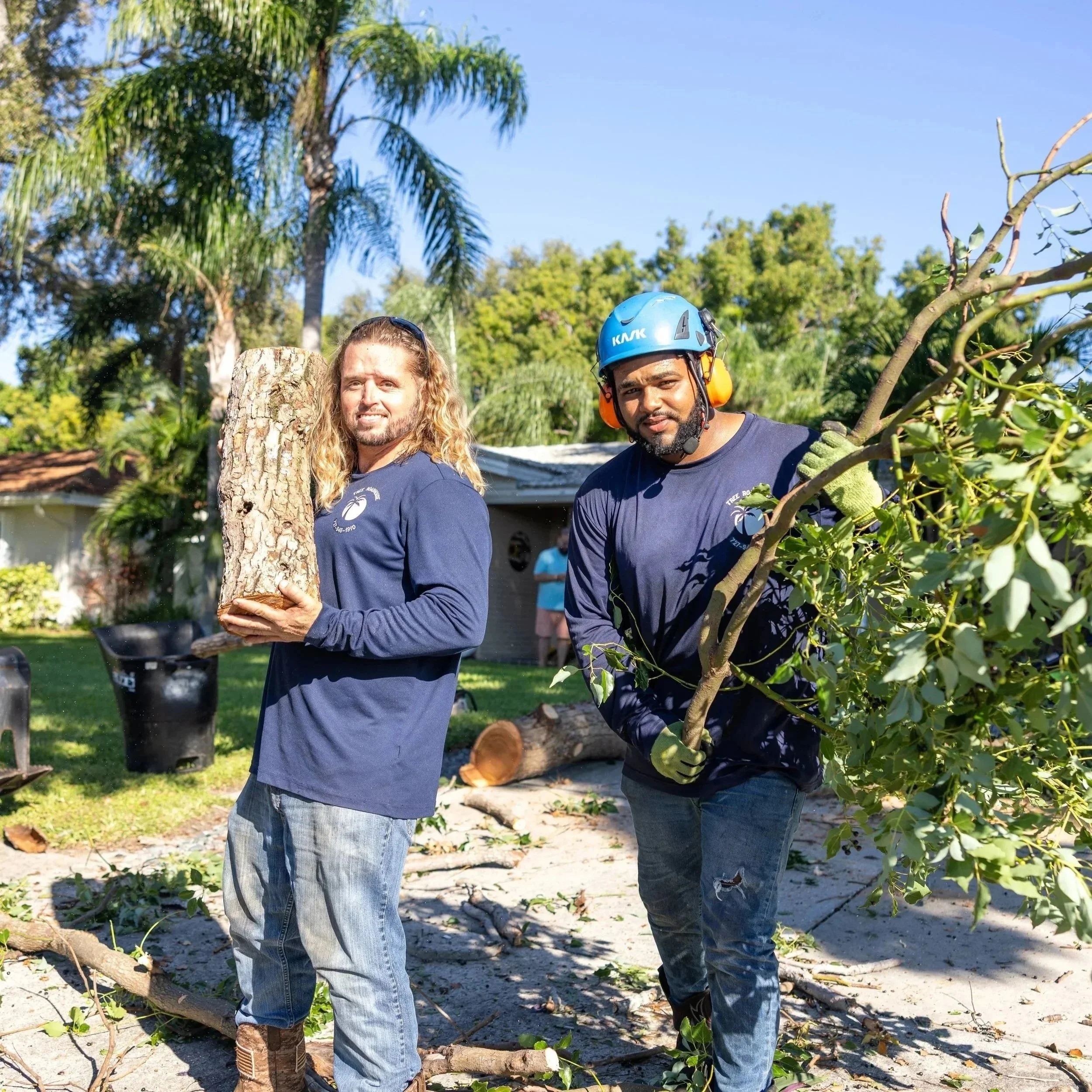
Following Largo’s tree trimming regulations keeps trees healthy, neighborhoods safe, and property in compliance with city rules.
Why Tree Trimming Rules Matter in Largo, FL
Local tree trimming regulations exist because trees affect far more than a single property line. In a city like Largo, FL, trees influence public safety, neighborhood appearance, storm resilience, and long-term environmental health. City ordinances are designed to balance a property owner’s right to maintain trees with the responsibility to protect shared spaces, nearby homes, and public infrastructure. Trimming rules help reduce hazards such as limbs over roads or power lines while discouraging harmful cutting practices that weaken trees and shorten their lifespan.
Understanding the purpose behind these rules makes them easier to follow. Regulations guide when trimming should occur, how it should be performed, and who is qualified to do the work in certain situations. Ignoring requirements can lead to fines, stop-work orders, or irreversible damage to protected trees that took decades to mature. When property owners view Largo’s regulations as a framework for responsible tree care rather than unnecessary red tape, compliance becomes practical and far less stressful.
What This Guide Covers
This guide explains how Largo's local tree trimming regulations apply to real-world situations. Homeowners, landlords, HOA board members, and business owners often face the same questions about permits, protected trees, and what types of trimming cross the legal line. Instead of focusing on abstract legal language, the sections below connect Largo’s ordinances to common scenarios people encounter when managing trees on their property.
Readers will learn when permits may be required, how to identify protected trees, and how to plan trimming that aligns with safety and environmental expectations. The guide also covers preparation before work begins, standards that apply during trimming, and responsibilities after the job is complete. Everything is grounded in Largo’s specific regulatory environment rather than generalized advice from other regions.
Largo’s Urban Tree Environment
Largo’s neighborhoods and commercial areas are shaped by mature live oaks, palms, pines, and ornamental trees that provide shade and visual character. These trees help reduce heat, manage stormwater, and buffer buildings from wind and rain when maintained properly. At the same time, the region’s exposure to hurricanes and strong seasonal storms places added responsibility on how trees are trimmed and cared for.
Poor trimming practices increase storm damage rather than reduce it. Over-pruned or structurally weakened trees are more likely to fail during high winds, which is why local authorities take trimming methods seriously. Regulations exist not only to protect individual properties but also to reduce community-wide risk during severe weather events.
What “Tree Trimming” Means Here
In this guide, tree trimming refers to maintenance practices that shape growth and reduce risk without removing the entire tree. That includes routine pruning, thinning crowded branches, raising canopies for clearance, and removing dead or hazardous limbs. Certain forms of crown reduction may also apply when allowed under local rules.
Tree trimming does not mean full removal, although trimming can cross into removal territory when it becomes excessive or structurally damaging. Understanding where planned work falls on that spectrum helps property owners determine whether permits, professional assessments, or city approval may be required.
Who Regulates Tree Trimming in Largo, FL
The City of Largo regulates tree trimming through municipal ordinances and land development codes enforced by departments such as Community Development and Code Enforcement. These rules define which types of trimming are allowed, when permits are required, and how work must be performed to protect public safety and long-term tree health. Violations can result in fines, stop-work orders, or replacement requirements, especially when protected trees are involved.
Pinellas County regulations may also apply in certain areas, particularly near water bodies, drainage systems, or conservation zones where county oversight overlaps city authority. In addition, Florida state law sets broader boundaries regarding hazardous trees and protected vegetation, including strict rules for mangroves and other sensitive species. Utility companies add another layer of authority when trees grow near power lines or easements, since they maintain their own vegetation management standards for safety.
Key Largo Tree Trimming Ordinances
Largo’s tree code outlines which trees receive special protection, how trimming fits into land use planning, and what practices are considered acceptable. Legal definitions matter. A “tree” is often defined by trunk diameter, meaning smaller vegetation may fall outside regulation while mature trees trigger stricter rules. Severe trimming that damages the structure or leads to decline may be treated as removal, even if the intent was maintenance.
Property owners are responsible for keeping trees safe. Branches must not obstruct sidewalks, streets, or sightlines, and visible hazards should be addressed proactively. Rules can vary by property type, with commercial and multi-family properties often subject to stricter landscape standards than single-family homes.
When a Tree Trimming Permit Is Required
Permits are commonly required when trimming significantly alters a tree’s structure, affects protected or heritage trees, or occurs in sensitive areas near public infrastructure. Substantial canopy reduction, work on large oaks, or trimming tied to development approvals often triggers review. Light maintenance, such as removing small dead branches or clearing minor overgrowth, usually does not require a permit.
Emergencies receive limited exceptions. After storms, immediate hazards can often be addressed quickly, but documentation still matters. The safest approach is to verify requirements with the City of Largo before work begins, especially when dealing with large or mature trees. Trimming without a required permit can lead to fines, mandatory replanting, and complications that extend beyond the initial project.
Protected Trees and Special Species
Certain trees in Largo qualify as protected or heritage trees based on size, species, age, or environmental value. Live oaks are a common example due to their longevity and contribution to neighborhood character. Once a tree meets protected criteria, trimming limits tighten, and permits are usually required.
Restrictions often limit how much canopy can be removed and prohibit damaging practices like topping. City review may require input from a certified arborist to confirm that trimming supports long-term stability. Determining protected status early by checking city records or contacting staff helps avoid accidental violations.
Trimming Near Streets, Sidewalks, and Rights-of-Way
Trees extending over public roads, sidewalks, and driveways must maintain safe clearance for pedestrians and vehicles. Property owners are often responsible for trees near the curb or sidewalk, even when the area functions as a public right-of-way. Failure to maintain clearance can lead to notices or city-ordered trimming, sometimes with costs passed back to the owner.
Visibility near intersections, signs, and driveways is another focus. Branches blocking sightlines create safety risks and attract enforcement attention. Corner lots and busy streets face greater scrutiny because trees there affect multiple lines of travel and public-use areas.
Neighbor Disputes and Boundary Trees
Tree ownership usually depends on where the trunk sits relative to the property line. Trees straddling boundaries may involve shared responsibility. Property owners may trim encroaching branches back to the property line in some cases, provided the work does not harm the tree or violate regulations. Protected tree rules still apply regardless of branch location.
Most disputes are best resolved through early communication. Discussing concerns and plans with neighbors often prevents escalation. When safety risks persist, involving the city or seeking professional guidance may be appropriate, especially when public areas are affected.
Safety and Best Practices Required by Largo
Certain trimming methods are discouraged because they create long-term hazards. Topping, lion tailing, and excessive crown removal weaken trees and increase failure risk during storms. Largo’s regulations reflect modern arboricultural standards that emphasize selective pruning and structural balance.
Standards such as ANSI A300 guide proper pruning techniques even when not explicitly cited in ordinances. Safety during trimming matters as much as technique. Working at height, near power lines, or over public areas requires planning, protective equipment, and clear work zones to protect both workers and bystanders.
Hiring a Qualified Tree Service
Largo encourages professional tree services for significant trimming because of the safety and regulatory risks involved. Licensed and insured professionals understand local rules, carry proper coverage, and use equipment designed for complex work. ISA Certified Arborists bring added expertise in tree biology and pruning standards.
Property owners should verify licenses, insurance, and local experience, and ask how the company handles permits and compliance. Red flags include refusal to provide documentation, pressure to skip permits, or unusually low bids that suggest shortcuts.
Applying for a Tree Trimming Permit
Permit forms and instructions are available on Largo’s official website and at its permitting offices. Applications typically require property details, tree species and size, location, and a description of the proposed trimming. Photos or arborist assessments may be requested, especially for protected trees.
Timelines and fees vary based on complexity, and some permits include inspections. Work should not begin until approval is granted. Starting early can result in enforcement action even if the application would otherwise have been approved.
Seasonal and Environmental Considerations
Timing matters in Largo’s climate. Many hardwoods respond better to pruning outside peak growth periods, while palms tolerate trimming year-round when done correctly. Storm preparation trimming should focus on structure, not drastic reduction, since over-thinning increases failure risk.
Trees also support wildlife, and nesting seasons require added care. Responsible trimming considers environmental impact and may involve replanting or replacement when canopy loss occurs. Largo’s broader canopy goals depend on individual property decisions adding up across the city.
Staying Compliant Before, During, and After Trimming
Preparation starts with identifying tree type, size, and location, confirming permit needs, and selecting qualified professionals. During trimming, keeping permits on-site and monitoring the scope help prevent issues. Afterward, inspecting work quality and keeping records support future planning and compliance.
Long-term tree care plans simplify budgeting, reduce emergencies, and align with Largo’s expectations for safe, healthy neighborhoods.
Conclusion
Largo’s tree trimming regulations exist to protect people, property, and the city’s long-term environmental health. Understanding who regulates tree work, when permits are required, and how trimming should be performed enables property owners to manage trees responsibly. Safe pruning practices, respect for protected trees, and proactive planning reduce risk while preserving the value trees bring to the community.
Treating compliance as part of good stewardship rather than an obstacle leads to better outcomes. With informed decision-making and proper planning, Largo residents can trim trees legally and safely, in ways that benefit both individual properties and the broader community.
FAQs About Local Regulations for Tree Trimming in Largo, FL
No. Light maintenance, such as removing small dead branches or minor clearance work, often does not require a permit. Permits are more likely when trimming affects large, protected, or heritage trees or involves significant structural changes. Checking with the City of Largo before starting remains the safest approach.
Yes. Improper trimming that violates ordinances, damages protected trees, or creates public safety hazards can result in fines, stop-work orders, or replacement requirements. Following proper procedures and standards greatly reduces this risk.
Start with a conversation. Many issues are resolved through cooperation. Trimming may be allowed up to the property line if it does not harm the tree or violate regulations. If safety risks remain, contacting the city or seeking professional advice may be necessary.
Look for licensed and insured companies with local experience. Ask about familiarity with Largo’s regulations, permit processes, and pruning standards. Providers who communicate clearly and document compliance offer the best protection for both trees and property owners.
