
Understanding Protected Tree Species in Largo, FL
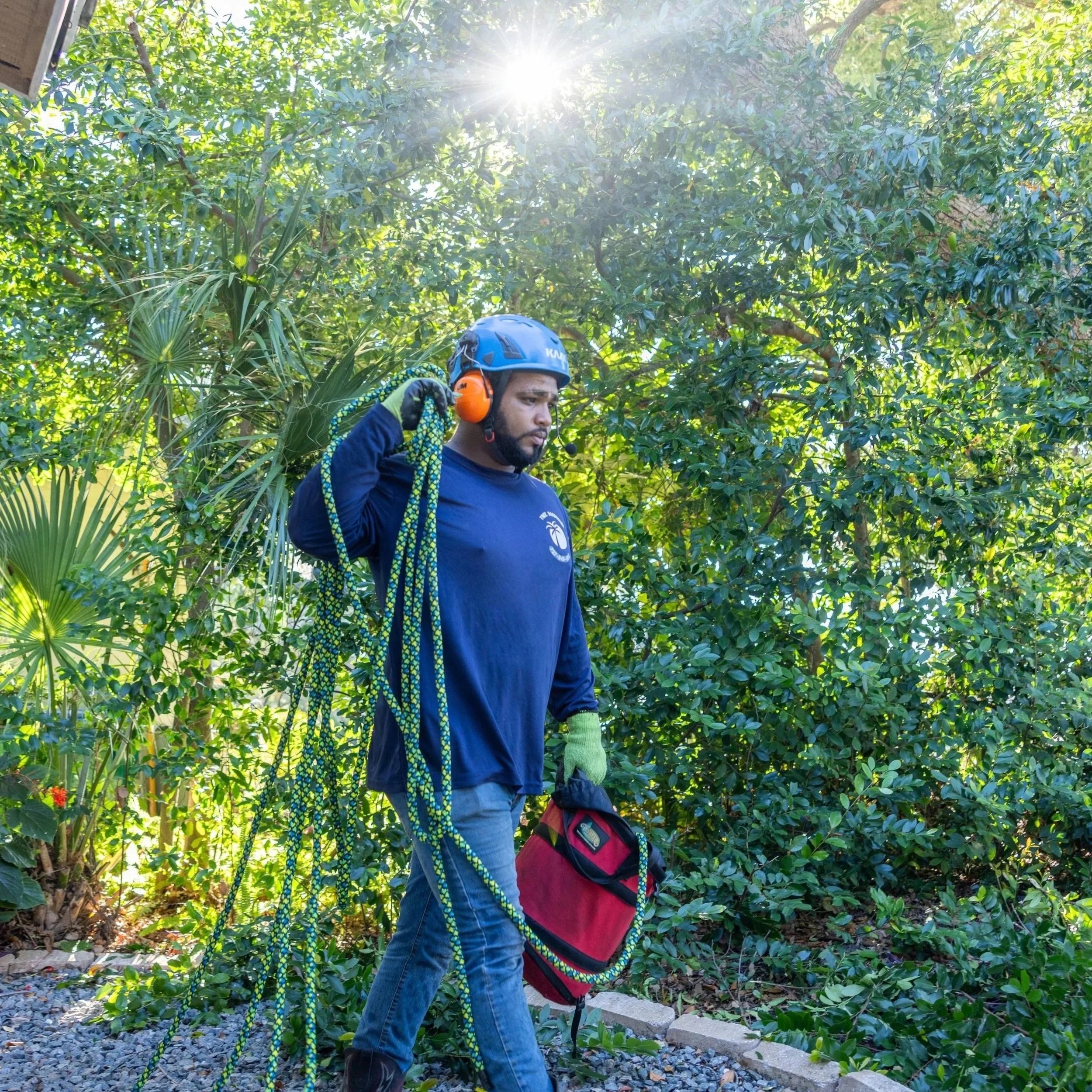
Protected trees in Largo, FL play a crucial role in maintaining canopy cover, neighborhood character, and long-term community health.
Why Protected Trees Matter in Largo, FL
Trees in Largo, FL, are more than landscaping features. Mature trees shape neighborhoods, moderate heat, manage stormwater, and contribute to the character and long-term stability of the community. Because Largo sits in a dense, developed area of Pinellas County with limited canopy, the city places added emphasis on preserving certain trees that provide outsized environmental and public benefits. Protected tree regulations exist to prevent the gradual loss of these assets through piecemeal removals, aggressive pruning, or construction damage that may seem harmless in isolation but adds up over time.
For property owners, the importance of protected trees often becomes clear only when a project is already underway. A planned addition, driveway expansion, or landscaping upgrade can suddenly pause when a large oak or palm triggers regulatory review. Understanding why those trees matter helps reframe the rules. The goal is not to restrict reasonable property use, but to balance individual plans with the long-term health, safety, and livability of the broader Largo community.
What This Guide Covers and Who It’s For
Residents and property owners in Largo frequently encounter protected tree rules unexpectedly, especially when planning what appears to be a straightforward improvement. Homeowners, HOAs, landlords, contractors, and property managers all run into these regulations, whether the task involves trimming branches, removing a tree, or working near roots during construction. This guide explains how protected trees are handled locally, with an emphasis on avoiding accidental violations that can delay projects or create unnecessary expense.
The sections below walk through how protected trees are defined, how Largo’s ordinances work in practice, when permits are required, and how to plan work around regulated trees. While the guidance reflects real-world situations commonly seen in Largo, it complements official city codes rather than replacing them. Final decisions should always rely on current municipal regulations and on professional advice from certified arborists or, when needed, legal counsel.
Tree Protection Laws in Florida and Pinellas County
Florida approaches tree protection by allowing local governments to tailor regulations to regional conditions. At the state level, trees are recognized as critical infrastructure for stormwater control, heat reduction, and ecosystem stability, particularly in urban and coastal areas. Rather than enforcing a single statewide rule, Florida grants counties and municipalities the authority to adopt ordinances that reflect local development patterns and environmental priorities.
In Pinellas County, where space is limited and storm exposure is high, tree protection tends to be more detailed. The City of Largo applies its own ordinances within this framework, regulating protected trees based on species, size, and location. Multiple layers of regulation can apply to a single tree, which explains why property owners often feel caught off guard. Confirming current local code language matters, since tree protection rules evolve as growth and environmental pressures change.
Environmental and Community Benefits of Protected Trees
Protected trees deliver benefits that younger plantings cannot quickly replicate. Large canopies lower surface temperatures, reduce cooling costs, and provide shade that improves outdoor comfort. Deep root systems absorb and slow stormwater runoff, helping reduce flooding and erosion during heavy rains. These functions matter in Largo’s low-lying, storm-prone environment, where infrastructure and drainage systems already face heavy demand.
Beyond environmental performance, protected trees contribute to neighborhood identity and property value. Tree-lined streets and established canopies make areas more walkable and visually appealing. Buyers often associate mature landscaping with long-term neighborhood stability. Recognizing these benefits explains why Largo treats certain trees as shared community assets rather than purely private features.
How Tree Protection Affects Home Projects and Development
Tree protection rules influence many common projects, even those that seem minor at first. Building additions, installing pools, expanding driveways, or grading land can all affect protected trees if roots or canopies are disturbed. Heavy pruning may require review, even when the tree remains standing. In some cases, protected trees cannot be removed at all without city approval, regardless of inconvenience.
Projects that account for protected trees early move more smoothly. Identifying regulated trees before finalizing designs allows layouts to adapt around existing canopy, reducing redesign costs and permitting delays. Treating protected trees as part of the planning process rather than an obstacle helps projects progress with fewer surprises.
Understanding Largo’s Tree Protection Ordinances
Largo’s protected tree rules are embedded in its municipal code, typically in the land development, landscaping, and environmental protection sections. These ordinances define how trees are classified, when permits are required, and what mitigation applies if protected trees are removed. Residents can access the current code through the City of Largo website or by contacting Planning and Development Services.
Key definitions drive enforcement. Protected trees generally meet specific species and size thresholds. Specimen or heritage trees are older or larger trees of exceptional value. Invasive species are typically excluded from protection and may even be encouraged for removal. These classifications matter because each category carries different rules and obligations.
When Largo’s Tree Rules Apply
Tree protection rules apply across residential, commercial, and multi-family properties. Triggers commonly include removing a protected tree, performing major pruning that alters the structure, or conducting construction within root zones. Projects tied to building permits or site plans often receive added scrutiny. Routine maintenance, such as light pruning, may not require approval, but assuming an exemption without verification creates risk.
Penalties and Enforcement
Largo enforces tree protection through inspections, code enforcement, and complaint-based investigations. Violations can result in fines per tree, mandatory replacement planting, or contributions to municipal tree funds. Enforcement often begins after a neighbor reports or during inspections tied to unrelated permits. Addressing tree requirements early typically costs far less than resolving violations after work is complete.
State Law and Hazardous Tree Exemptions
Florida law limits a city’s ability to prevent the removal of a tree deemed dangerous by a licensed arborist. When a tree poses a documented risk to people or structures, state statutes allow removal under specific conditions. Written arborist evaluations are critical in these cases. Even when state exemptions apply, notifying the City of Largo remains a prudent step to avoid disputes.
Common Protected Tree Species in Largo
Native oaks, especially live oaks and laurel oaks, are among the most frequently protected trees due to their size and longevity. Mature specimens often anchor neighborhood canopies and trigger permit requirements for removal or heavy pruning. Native pines such as slash pine and longleaf pine may also qualify when they reach certain sizes, particularly in preserved areas.
Native palms, including the sabal palm, are protected in some contexts for their resilience and ecological value. Other native species, such as red maples, bald cypress, and Southern magnolias, may qualify as protected when mature. Confusion often arises when non-native or ornamental trees resemble protected species, which is why professional identification is important before work begins.
How to Determine if a Tree Is Protected
The process starts with accurate species identification, using multiple reference sources when possible. Next, measure trunk diameter at the standard height, since size thresholds often determine protection status. Property owners should then compare findings against Largo’s current protected species lists and size criteria.
Location matters as well. Trees in buffers, easements, or required landscape areas may receive added protection regardless of species. When uncertainty remains, involving an ISA-certified arborist provides clarity and documentation that carries weight with city reviewers.
Permits and Approvals
Removal or major pruning of protected trees typically requires a permit. Applications usually include species identification, trunk measurements, site sketches, photographs, and sometimes arborist reports. Review timelines vary, and approvals often include conditions such as replacement planting or protective measures during work.
Emergencies allow immediate action when a tree poses imminent danger, but documentation and follow-up communication with the city remain important. HOAs may impose additional rules that operate alongside city requirements, making coordination essential.
Tree Trimming and Pruning Rules
Routine maintenance involves light pruning that does not alter structure or health. Regulated pruning includes heavy canopy reduction, topping, or removal of major limbs. Proper techniques following recognized arboricultural standards protect both tree health and compliance standing. Wildlife considerations, such as nesting birds, add another layer of responsibility when planning work.
Construction Near Protected Trees
Construction planning should begin with identifying protected trees and establishing tree protection zones. Avoiding root disturbance, managing grade changes carefully, and routing utilities around root zones all reduce long-term damage. Monitoring during and after construction helps address problems early and supports compliance if questions arise later.
Invasive and Non-Protected Trees
Invasive species such as Brazilian pepper or Australian pine are often exempt from protection and may be encouraged for removal. Verification still matters, since misidentification creates risk. Responsible removal and thoughtful replacement with appropriate species support Largo’s canopy goals and reduce future conflicts.
Working With Professionals
ISA-certified arborists, surveyors, designers, and contractors each play a role in managing protected trees. Coordination among professionals prevents miscommunication that leads to violations. Budgeting for tree-related costs early avoids pressure to cut corners later.
Storms and Emergency Preparedness
Pre-storm risk assessments help identify hazards before hurricane season. Proper pruning strengthens trees rather than weakening them. After storms, documenting damage and obtaining professional evaluations support safe, defensible decisions about removal or recovery.
Conclusion
Protected trees in Largo are regulated based on species, size, location, and project context. Understanding these factors helps property owners plan responsibly, avoid violations, and support the long-term health of the city’s urban canopy. Compliance becomes easier when tree care is approached as stewardship rather than an obstacle, balancing individual property goals with shared community benefits.
FAQs About Protected Tree Species in Largo, FL
Mature native species such as live oaks, laurel oaks, certain native palms, and other large native shade trees are most commonly protected. Protection depends on species, trunk diameter, health, and location rather than age alone.
It depends on the tree. Small, non-protected trees may be removed without approval, but protected species or trees above certain size thresholds usually require a permit even on private property.
Limited trimming back to the property line is often allowed, but work must not harm the tree or violate protected tree rules. Protected status still applies regardless of branch location.
Dangerous status must be documented by an ISA-certified arborist based on measurable risk factors. Written evaluations support exemptions, but city notification is still recommended.
Unauthorized removal typically leads to fines, required replacement planting, or payments into a city tree fund. Resolving violations after the fact usually costs more than obtaining approval beforehand.
