
How to Spot Signs of Tree Instability Before Trimming in Largo, FL
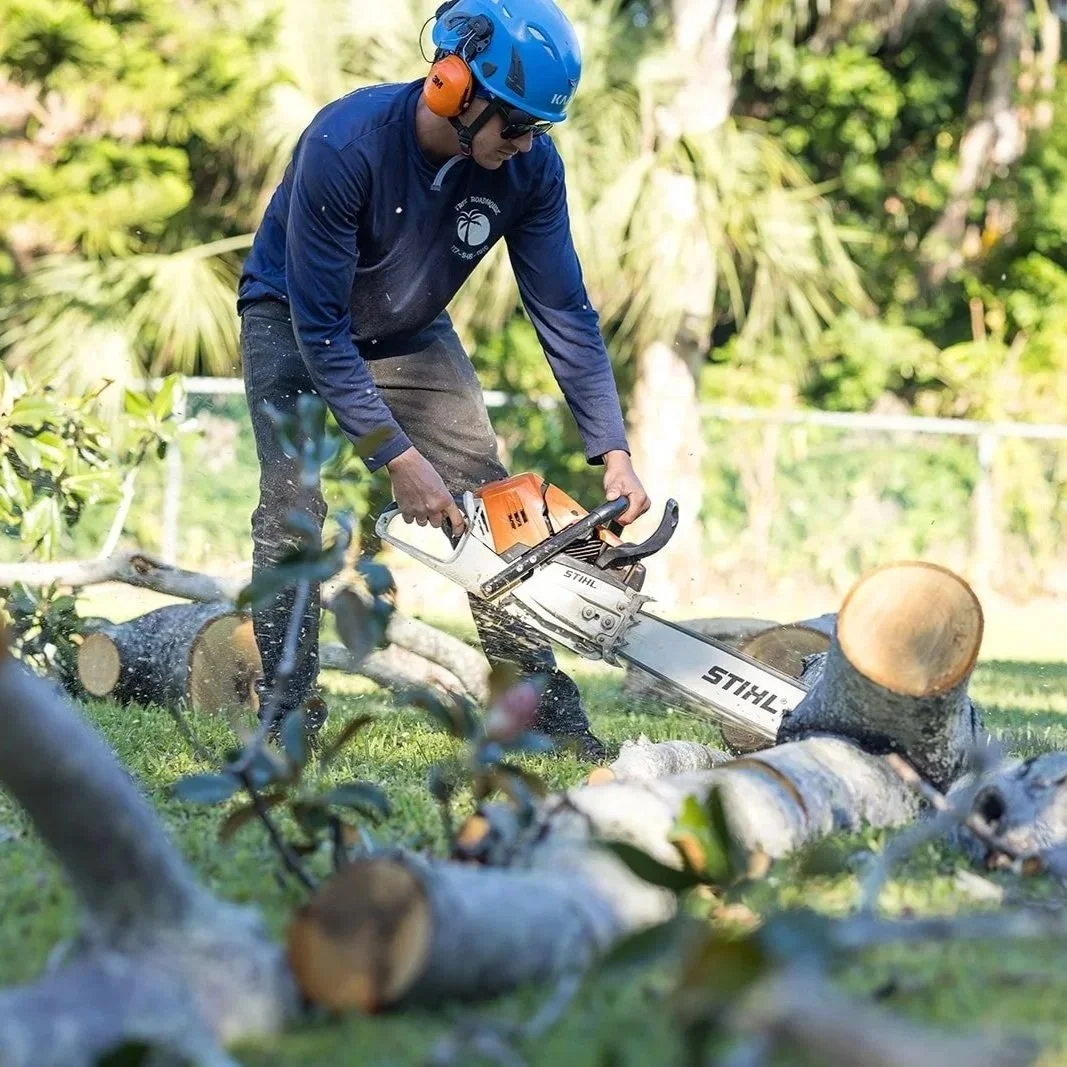
Identifying early signs of tree instability is essential for safe trimming in Largo’s storm-prone environment.
Tree trimming often feels like a straightforward home maintenance task. Branches get long, shade becomes uneven, and the natural response is to grab tools and start cutting. In Largo, FL, that approach can be dangerous if tree stability is not evaluated first. An unstable tree reacts very differently to trimming than a structurally sound one, and those reactions can be sudden, severe, and unpredictable.
When a tree lacks proper stability, trimming changes how weight and force move through the trunk and roots. Cutting branches alters balance and wind resistance, sometimes pushing an already stressed tree past its tipping point. Limb failures, trunk splits, and full uprooting often occur during trimming, not before, which explains why accidents happen even when trees look healthy from the ground. Ladders placed against compromised trunks or ropes tied to weakened limbs add stress at precisely the wrong moment.
Largo’s environment makes these risks more common. Sandy soils limit deep root anchoring, heavy rains oversaturate the ground, and repeated storms slowly weaken structural components. Many trees carry hidden damage for years before showing obvious symptoms. This guide is designed to help homeowners recognize warning signs of tree instability before trimming begins, so risky situations can be identified early and handled safely.
Understanding Tree Stability in Simple Terms
Tree stability refers to a tree’s ability to support its own weight and tolerate normal wind forces without a high risk of failure. Stable trees maintain a balance between root anchorage, trunk strength, and branch structure. Roots hold the tree in place, the trunk transfers loads downward, and branches distribute weight outward while flexing naturally.
Trees adapt to stress over time by strengthening areas under pressure. Improper trimming disrupts that balance by removing weight too quickly or redirecting forces into weaker areas. Practices like topping or excessive thinning interfere with how trees compensate for stress, increasing instability rather than improving safety.
Tree failure usually occurs in one of three ways. Root failure occurs when anchorage fails and the tree tips or uproots. Trunk failure involves cracking or splitting along the main stem, often tied to decay or wind damage. Branch failure occurs when large limbs break due to weak attachments or internal rot. Each type has warning signs, and identifying which part of the tree is compromised helps determine whether trimming is safe.
A common misconception is that green leaves mean a tree is stable. Trees can look healthy while hiding decay inside the trunk or damage below ground. Surviving past storms does not guarantee future safety either. Storm damage accumulates gradually, and trimming may be the event that triggers failure.
A Safe Pre-Trimming Visual Inspection
Before trimming any tree, a slow visual inspection should be done in daylight and calm weather. Walking fully around the tree allows problems to be seen from multiple angles. Inspection should always start at the ground and move upward, beginning with the soil and roots, then the trunk, and finally the canopy.
From a distance, overall shape, canopy balance, and lean are easier to assess. Up close, cracks, decay, and attachment issues become clearer. Surroundings also matter. Trees near homes, driveways, fences, or power lines pose a higher risk if they fail.
Certain red flags should stop trimming immediately. Fresh or worsening leans, large trunk cracks, soil lifting near the base, fungal growth, or heavy dead branches overhead all signal elevated danger. Documenting observations with photos helps track changes over time and supports better decisions if a professional assessment becomes necessary.
Recognizing Hazardous Leans and Movement
Not all leans indicate instability. Many trees develop gradual leans toward sunlight or away from prevailing winds and remain stable for decades. These trees usually show well-developed roots opposite the lean and undisturbed soil around the base.
Danger signs appear when a lean worsens or changes direction. Lifted soil, newly exposed roots, or gaps forming at the base indicate recent movement. Lean direction matters as well. A moderate lean over an open lawn poses less risk than the same lean toward a home or driveway.
Trimming can worsen lean-related problems. Removing limbs shifts the center of gravity, placing added stress on roots that may already be compromised by wet soil or decay. In Largo’s storm-prone climate, leaning trees respond unpredictably to canopy changes, making professional input strongly advisable.
What the Root System Reveals
Largo’s sandy soils and high water table cause many trees to develop shallow root systems. Surface roots can be normal and supportive, but damage or imbalance raises concern. Cut roots from sidewalks or construction reduce anchoring strength, while soft or decayed roots suggest internal failure.
Soil conditions around the root flare deserve close attention. Healthy trees show a visible root flare at ground level. Soil heaving, cracks, or gaps forming between the trunk and soil signal shifting below ground, often after heavy rain. Saturated soils lose grip on roots, increasing tipping risk.
Root rot develops in consistently wet soil and often shows up as foul odors, soft roots, or fungal growth near the base. Past construction can also contribute to instability. Trenching, grading, or compaction near trees weakens roots long after the project ends. Trimming trees with known root damage carries a significantly higher risk.
Inspecting the Trunk for Structural Defects
Cracks in the trunk often indicate serious stress. Vertical cracks suggest internal fibers separating under load, while horizontal or spiral cracks point to twisting forces from wind. Fresh cracks with exposed wood indicate active weakness, while older cracks that are partially closed still represent reduced strength.
Cavities and hollows reduce the trunk’s ability to carry a load. Trees may stand for years with internal decay, but the remaining wood must support increasing stress as the tree grows. Large cavities near the base or mid-trunk are especially concerning and should halt DIY trimming plans.
Co-dominant stems form weak unions where bark becomes trapped between trunks. These narrow V-shaped unions split easily under stress. Trees with poor past pruning often show large scars, stub cuts, or topping damage, leading to decay and weak regrowth. Additional trimming of such trees increases the risk of failure.
Evaluating Branches and Canopy Balance
Dead or dying branches are immediate hazards, especially large ones high in the canopy. Hanging or broken limbs lodged above ground can fall without warning and should never be handled without proper equipment.
Branch attachment quality matters. Wide U-shaped unions are stronger than narrow V-shaped crotches. Trimming near weak attachments can overload them unexpectedly. Canopy imbalance also increases instability. Trees with heavy growth on one side or signs of past topping are more likely to fail when trimmed.
Canopy thinning or dieback often signals internal stress rather than simple aging. Cutting stressed trees reduces energy reserves and shifts structural loads when the tree is least able to respond.
Decay, Insects, and Hidden Weakness
Fungal growth on the trunk or at the base often indicates internal decay. Conks and mushrooms attached directly to the tree suggest active wood decay, which weakens the structure from the inside. Insects such as borers further compromise wood strength by tunneling through load-bearing fibers.
Soft or hollow-sounding wood points to advanced decay. Even limited probing that reveals a spongy texture should stop trimming plans. In Largo’s climate, decay and storms often work together, making compromised trees far more likely to fail when disturbed.
Storm History and Environmental Stress
Many Largo trees carry hidden storm damage. Old break points, twisted trunks, and partially closed wounds reveal past stress that may not be obvious during calm weather. Trees exposed to open wind corridors or newly cleared landscapes face higher ongoing stress.
Heavy rain and flooding weaken root anchorage, especially when trimming occurs before soils have stabilized. Post-storm trees that lean, partially uproot, or support broken limbs pose unpredictable hazards and should be handled by professionals.
Species-Specific Stability Concerns in Largo
Live oaks generally have strong wood but carry heavy limbs that demand solid root support. Laurel oaks grow quickly and often hide internal decay, making them more prone to sudden limb failure. Pines rely on shallow roots and can uproot abruptly in wet soil. Palms depend on healthy roots and balanced crowns and respond poorly to over-pruning.
Smaller ornamental and fruit trees can still cause damage when unstable. Multiple stems, heavy fruit loads, and shallow roots contribute to failure risk even at modest sizes.
Human-Caused Contributors to Instability
Soil compaction from foot traffic, vehicles, and equipment limits root health and anchorage. Grade changes and buried root flares suffocate roots and promote decay at the base. Landscape changes that remove nearby vegetation expose trees to new wind forces they may not tolerate.
Past bad pruning practices, such as topping, lion-tailing, and over-thinning, create long-term structural weaknesses. Trees with these histories should be approached cautiously, as additional trimming often worsens instability.
When to Call a Certified Arborist in Largo, FL
Certain signs demand professional help. Root movement, severe leans toward targets, large trunk cracks, extensive decay, or involvement with power lines exceed safe DIY limits. Arborists evaluate how multiple factors interact and use proper equipment to control risk.
Professional assessments help guide safe trimming or removal decisions and reduce liability. Choosing a reputable arborist involves verifying credentials, insurance, and local experience. Clear communication and written plans signal professionalism.
Safe Trimming After Stability Is Confirmed
Even stable trees have limits. DIY trimming should remain light and reachable from the ground, avoiding ladders and large branches. Proper cuts just outside the branch collar support healing and reduce decay risk. Removing too much foliage or unbalancing the canopy increases vulnerability to storms.
After trimming, trees should be monitored for new signs of instability, especially after wind or rain. Changes in lean, cracking, or dieback indicate the need for reassessment.
A Simple Pre-Trimming Stability Checklist
Before trimming, homeowners should check for root movement, soil issues, trunk defects, decay, canopy imbalance, storm damage, and nearby targets. Trees near structures deserve closer scrutiny. When multiple warning signs appear, trimming should be stopped in favor of a professional evaluation.
Making stability checks part of routine yard care, especially before storm season, helps catch problems early and prevents emergencies.
Keeping Largo Trees Safe and Well Maintained
Safe tree trimming in Largo begins with understanding stability. Sandy soils, heavy rain, strong winds, and large tree species create conditions where hidden weaknesses are common. Visual inspections, realistic DIY limits, and knowing when to call an arborist protect people, property, and trees themselves. Thoughtful decisions allow homeowners to enjoy healthy, mature trees while minimizing long-term risk.
Tree Instability & Safe Trimming FAQs in Largo, FL
Fresh or worsening leans, visible root movement, large trunk cracks, extensive fungal growth at the base, deep cavities, or heavy dead limbs high in the canopy all indicate instability that makes DIY trimming unsafe.
Sandy soils, heavy rainfall, and frequent storms reduce root anchorage and weaken structural components over time. Trees may appear stable in dry conditions but can respond unpredictably when trimmed.
Yes. Internal decay, root damage, or weak attachments often remain hidden. Trimming changes load distribution and can trigger failure even in trees with green foliage.
Professional help is needed when trees show movement, severe lean, trunk defects, decay, storm damage, or are near structures or power lines. Arborists provide safe, informed solutions that reduce risk.
