
Common Tree Diseases in Largo, FL, and How Pruning Can Help
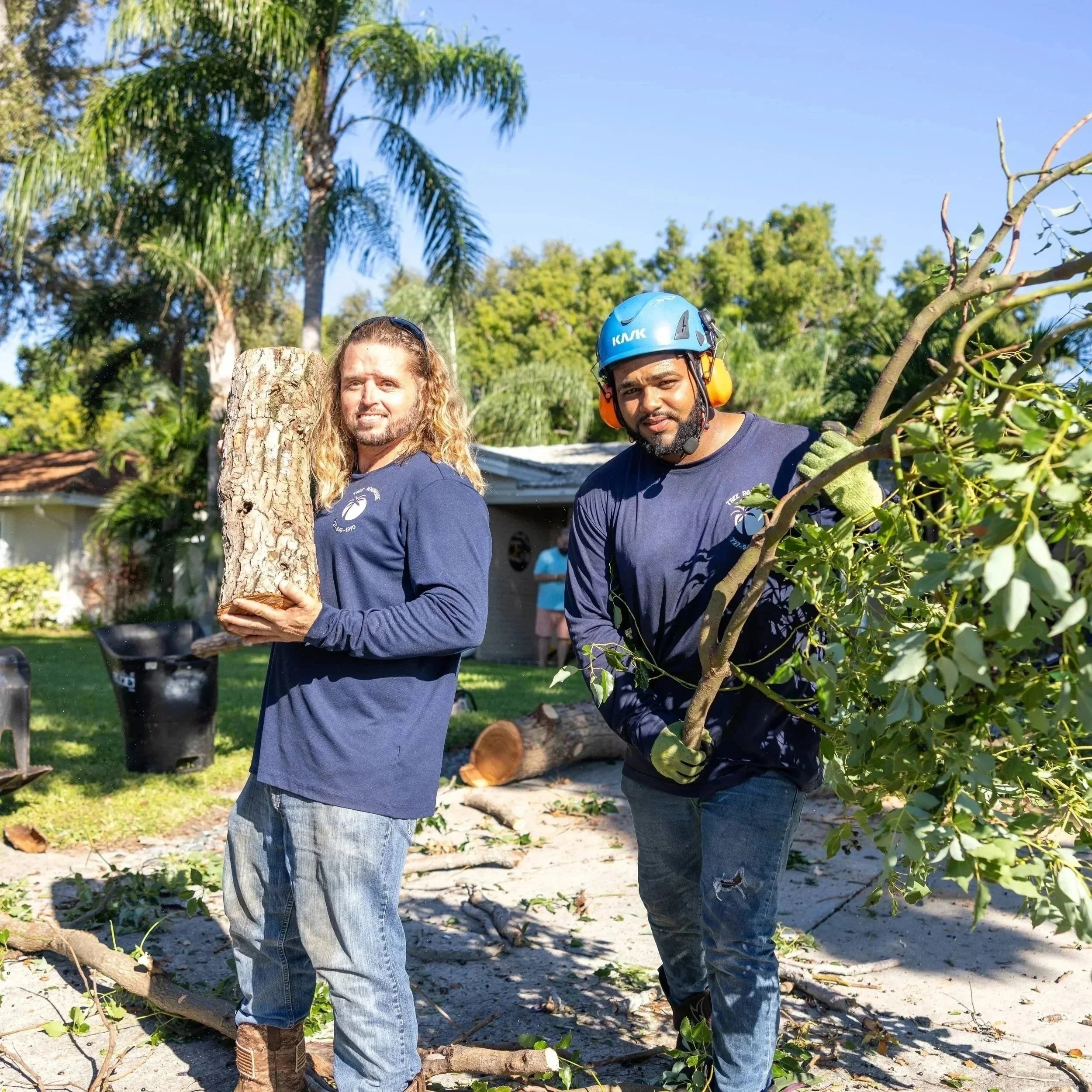
Our experienced arborists carefully protect your trees, safeguard your property, and restore your peace of mind after every storm.
Tree Health Challenges in Largo, FL
Trees in Largo, FL, grow in an environment that is both productive and unforgiving. The region’s humid subtropical climate supports rapid growth, but it also creates ideal conditions for disease development. Warm temperatures combined with frequent rainfall allow moisture to linger on leaves, bark, and branches for long periods, particularly during summer. When surfaces stay damp overnight, fungal spores and bacteria have ample opportunity to establish themselves before any visible symptoms appear. Many tree diseases in Largo develop quietly over months or even years, spreading internally while the tree continues to leaf out and appear relatively normal from a distance.
Coastal influences further complicate tree health. Salt spray can damage leaf tissue and interfere with nutrient uptake, especially for species that are not salt-tolerant. Sandy soils drain quickly and often lack organic matter, while compacted soils in developed neighborhoods restrict root expansion and oxygen flow. These conditions force trees to expend more energy to survive, leaving fewer reserves available to fight off infection. Many residential properties also contain mature or over-mature trees that were pruned incorrectly years ago or not pruned at all, resulting in dense canopies, poor branch structure, and hidden decay. In this setting, thoughtful pruning becomes one of the most practical and effective tools available for slowing disease progression and maintaining safety.
Why Understanding Local Tree Diseases Matters for Homeowners
For homeowners and property managers in Largo, understanding how tree diseases develop and spread is closely tied to risk management. Diseased trees often lose internal strength long before obvious external symptoms appear. Limbs weakened by decay are far more likely to fail during summer storms, which can cause damage to roofs, vehicles, fences, and nearby utilities. What might appear to be a cosmetic issue one season can quickly turn into an emergency the next, particularly when storms expose structural weaknesses that disease has been quietly creating.
Tree health also plays a significant role in property value and neighborhood appearance. Healthy, well-structured trees contribute shade, visual balance, and long-term appeal, while declining trees signal neglect and instability. Uneven canopies, thinning foliage, or repeated limb loss often make a property look poorly maintained even when other landscaping is well cared for. Addressing disease early through proper pruning can stabilize appearance and extend the useful life of mature trees, allowing for planned management rather than sudden removal after failure occurs.
Understanding disease patterns also improves communication with professionals. Homeowners who recognize early warning signs such as dieback, leaf discoloration, or fungal growth can provide more accurate information when seeking help. Awareness of which diseases are common locally also supports better decisions about future plantings, helping reduce long-term maintenance demands and creating landscapes that are more resilient under Largo’s environmental pressures.
Pruning as a Disease Management Tool
Pruning plays a central role in managing tree disease because it directly alters the conditions that allow pathogens to thrive. Removing dead or infected wood reduces the amount of diseased material producing spores within the canopy. Strategic thinning improves airflow and light penetration, helping foliage dry more quickly after rainfall and irrigation. In a humid climate like Largo’s, reducing the time leaves remain wet is one of the most effective ways to slow fungal spread.
Pruning also addresses structural issues that contribute to disease over time. Crowded canopies trap moisture, while poorly spaced limbs rub against each other, creating wounds that invite infection. Weak branch unions and excessive end weight increase the likelihood of breakage during storms, creating fresh entry points for decay organisms. Corrective pruning redistributes weight, improves branch spacing, and reduces the frequency of storm-related damage. For many property owners, pruning is a proactive step that improves safety and supports long-term tree health, rather than reacting to emergencies after failure.
How Tree Diseases Develop in Largo, FL
Environmental Conditions and Stress Factors
A combination of moisture, heat, and stress drives tree diseases in Largo. Frequent summer rainstorms, high humidity, and warm nighttime temperatures allow pathogens to remain active for extended periods. Dense residential planting limits airflow, slowing drying within canopies and creating pockets of constant moisture. At the root level, poor drainage and compacted soils limit oxygen availability, weakening roots and reducing their ability to transport water and nutrients efficiently.
Stress plays a decisive role in the progression of the disease. Trees dealing with chronic overwatering, drought, root disturbance, or nutrient imbalance lack the energy reserves needed to seal wounds and isolate infected tissue. When stress becomes ongoing, even minor pathogens can spread unchecked. In Largo landscapes, common stress factors include buried root flares, excessive mulch against trunks, repeated mower damage, and confined root zones surrounded by pavement or turf. Managing stress through proper watering, soil care, and pruning supports the tree’s natural defense systems and slows disease progression.
Transmission Pathways
Tree diseases spread through wind, rain splash, insects, and human activity. Fungal spores travel easily between properties during storms, while insects move pathogens as they feed on infected tissue. Human activity often accelerates the spread when pruning tools are not sanitized between cuts or when improper pruning leaves large, slow-healing wounds exposed. Damage from lawn equipment or construction creates additional entry points. Understanding these pathways reinforces the importance of clean pruning practices and careful timing to avoid unintentionally worsening disease problems.
Disease and Pruning Responses by Tree Type
Oaks in Largo Landscapes
Live oaks and laurel oaks dominate many Largo properties and face different disease challenges based on species and age. Leaf spot diseases and anthracnose commonly affect oaks during wet periods, causing discoloration and premature leaf drop that gradually weakens trees. Cankers and internal decay often follow storm damage or poor pruning practices, especially in older laurel oaks with weaker wood structure.
Pruning helps manage these issues by opening the canopy to improve airflow and removing affected branches before decay spreads. Proper cut placement allows oaks to compartmentalize wounds effectively, while avoiding excessive thinning, which prevents stress. Timing matters, as pruning during drier periods reduces exposure to disease organisms that thrive in warm, wet conditions.
Palm Diseases and Pruning Concerns
Palms require special consideration because they grow from a single bud and cannot seal wounds the way hardwood trees do. Diseases such as Fusarium wilt spread internally and are often fatal once established. Improper pruning, particularly the removal of healthy green fronds or damage near the crown, significantly increases disease risk.
Correct palm pruning focuses on restraint. Only dead or dying fronds should be removed, while healthy fronds remain essential for energy production and nutrient balance. Tool sanitation is critical, as contaminated equipment can spread disease from palm to palm. Protecting the crown remains the most effective disease prevention strategy for palms in Largo landscapes.
Citrus, Fruit, and Ornamental Trees
Citrus and fruit trees commonly experience leaf spots, greasy spots, fruit rot, and canker issues driven by moisture and dense growth. Ornamentals such as crape myrtles and magnolias face similar challenges when airflow is limited. Poor pruning practices, such as topping, create dense, weak regrowth that increases disease susceptibility.
Selective pruning that opens the canopy, removes crossing branches, and limits excessive height supports healthier growth and reduces disease pressure. Gradual, consistent maintenance proves far more effective than infrequent heavy cutting, which shocks trees and leaves large wounds vulnerable to infection.
Pruning Mistakes That Worsen Disease
Over-pruning and topping remain among the most damaging practices in Largo landscapes. Removing too much foliage at once strips trees of their ability to produce energy, forcing rapid, weak regrowth that attracts pests and disease. Improper cut placement, unsanitized tools, and pruning at the wrong time of year further increase risk. These mistakes often create long-term problems that require years of corrective work or lead to premature tree removal.
DIY Pruning vs Professional Care
Homeowners can safely handle small, ground-level pruning tasks when they understand proper technique and limitations. Removing small dead branches, light crossing growth, and low obstructions often improves tree health when done carefully. Large trees, limbs over structures, visible decay, leaning trunks, or rapid unexplained decline require professional evaluation. Certified arborists bring diagnostic expertise and equipment that reduce risk and improve outcomes in disease-prone environments like Largo.
Seasonal and Integrated Tree Care
Pruning works best when integrated with proper watering, drainage, mulching, nutrition, and pest monitoring. Healthy root systems support recovery from pruning and improve disease resistance. Ongoing observation allows small issues to be addressed early, reducing the need for aggressive intervention later. Using local extension resources and experienced arborists helps ensure practices remain appropriate for current conditions in Largo, FL.
FAQs About Tree Diseases and Pruning in Largo, FL
Common problems include fungal leaf spots, anthracnose, powdery mildew, cankers, root rot, and palm-specific diseases such as fusarium wilt, all of which thrive in warm, humid conditions.
Dense canopies, recurring leaf spots, localized dieback, and dead interior wood often indicate that selective pruning could improve airflow and reduce disease pressure.
Cooler, drier periods generally reduce disease exposure, though storm-related pruning may occur year-round when safety is a concern.
Pruning does not cure most diseases but can slow progression, reduce spread, and improve conditions that support recovery.
Small, ground-level pruning is often safe, but large trees, decay, or structural issues require professional care.
Palms grow from a single bud and cannot compartmentalize wounds, making improper pruning a major disease risk.
Most trees benefit from periodic evaluation and light maintenance rather than frequent heavy pruning.
Yes, unsanitized tools can transfer pathogens directly into fresh cuts.
Proper structural pruning reduces weak attachments and excessive end weight, lowering failure risk.
Visible decay, leaning trees, large limbs over structures, or rapid decline all warrant professional evaluation.
