
How to Identify Diseased Branches for Pruning in Largo, FL
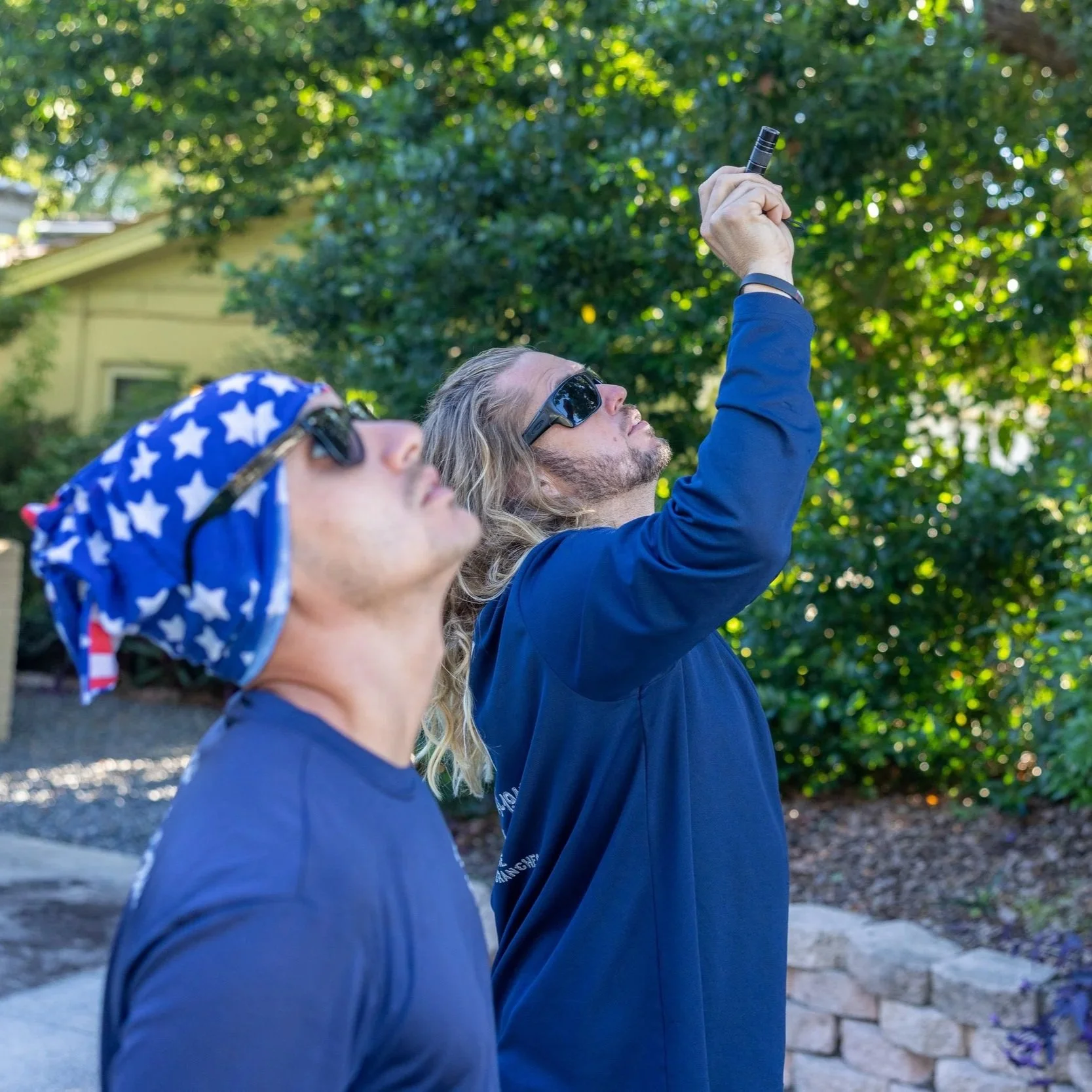
Spotting disease early—before a branch weakens—keeps trees safer and healthier in Largo’s heat and humidity, says a certified arborist.
Why Identifying Diseased Branches Matters in Largo, FL
In Largo, Florida, trees do far more than decorate a landscape. They shade homes, reduce heat buildup, manage stormwater runoff, and help soften the impact of intense sun and seasonal weather. Because of the local climate, however, tree problems tend to escalate faster than many homeowners expect. A branch that appears slightly stressed today can weaken rapidly under persistent heat, humidity, and rainfall, becoming a safety concern well before the next storm season. Identifying diseased branches early is not about chasing perfection or cosmetic pruning. It is about protecting the tree's structure and reducing the risk to people and property beneath it.
Many homeowners assume tree disease announces itself loudly through massive leaf loss or obvious decay. In reality, early warning signs often show up quietly on individual branches. Subtle shifts in leaf color, changes in bark texture, or a loss of flexibility in a limb frequently signal internal problems long before the entire tree looks unhealthy. Learning to recognize these signals allows pruning to occur while the issue remains isolated, rather than waiting until the disease spreads deeper into the canopy or compromises the trunk.
Trees and Climate in Largo, Florida
Largo’s humid subtropical climate creates ongoing pressure on tree health. Long stretches of heat, frequent afternoon rain, high humidity, and seasonal storms form ideal conditions for fungal growth, bacterial infections, and insect activity. Moisture lingers on leaves and bark, particularly in dense canopies, giving pathogens time to establish themselves. Common trees throughout Largo neighborhoods, including live oaks, palms, citrus trees, crepe myrtles, and ornamental species, are especially vulnerable to moisture-driven disease and storm-related damage. Branches that suffer even minor injuries during storms often become entry points for infection when warm, wet conditions persist.
Because these environmental pressures repeat year after year, tree disease behaves differently here than in drier or cooler regions. Problems move faster, recovery windows are shorter, and weakened branches lose strength sooner than expected. This reality makes early identification of diseased branches a practical necessity rather than an optional maintenance step. Homeowners who rely on general tree advice from outside Florida often underestimate how quickly local trees can decline once disease takes hold.
The climate also affects how often trees should be inspected. In Largo, inspections should happen multiple times a year, not only after storms. Early detection of diseased branches reduces the likelihood of limb failure during high winds, which can damage roofs, fences, vehicles, and nearby landscaping. Left unaddressed, a single diseased branch can compromise neighboring limbs, increasing future pruning costs or forcing full tree removal. Regular inspection keeps options flexible and costs more predictable.
The Risks of Ignoring Diseased Branches
Leaving diseased branches in place allows infections to move from isolated limbs into healthy sections of the tree. Many fungal and bacterial diseases travel through vascular tissue, meaning a problem that begins on one branch can eventually weaken larger structural limbs or the trunk itself. As the disease progresses, wood strength diminishes, increasing the likelihood that branches will fail under their own weight or during storms. Diseased branches also attract pests such as borers, which accelerate decline by feeding on already compromised tissue.
Unchecked disease can ultimately kill a tree, turning what could have been routine pruning into a full removal project. In residential areas like Largo, where trees often grow close to homes, driveways, sidewalks, and power lines, the risks are higher. Even a moderate-sized limb can cause serious damage or injury during summer storms or tropical weather.
There are also indirect costs that many homeowners overlook. Diseased branches reduce curb appeal and can make a property look neglected even when the rest of the landscape is well-maintained. Declining trees may impact property value, especially when large shade trees appear unsafe. Liability arises if a diseased limb falls onto a neighboring property or injures someone. Proactively identifying and pruning diseased branches protects tree health, preserves shade that helps lower cooling costs, and maintains the environmental benefits mature trees provide.
Safety First When Inspecting and Pruning
Inspecting trees in Largo often means standing beneath dense canopies where falling debris, insects, and loose material are common. Eye protection shields against bark fragments and decaying material, while gloves protect hands from sharp twigs, thorns, and hidden pests. Long sleeves, long pants, and sturdy footwear reduce injury risk and improve stability on uneven ground. Lightweight protective clothing matters in Florida’s heat, as comfort helps homeowners move slowly and inspect carefully rather than rushing through the process.
Knowing personal limits is just as important as wearing protective gear. Trees near power lines, large branches extending over structures, or limbs beyond safe reach should never be handled without professional support. Diseased branches may lose strength internally before decay becomes obvious, increasing the risk of sudden failure when disturbed. Certified arborists understand these risks and carry equipment designed for hazardous situations. Homeowner efforts work best when limited to observation and minor ground-level pruning.
Understanding What a Healthy Branch Looks Like
A healthy branch provides the baseline for identifying disease. Healthy branches usually bend slightly under pressure rather than snapping, and their bark remains intact and firmly attached. Color tends to be uniform along the branch, with no oozing sap, dark streaks, or wet patches that suggest internal problems. During the growing season, healthy branches support steady bud development and leaf growth.
Leaves on healthy branches appear evenly spaced and appropriately colored for the species. Minor imperfections can occur, but widespread spotting, distortion, or early leaf drop limited to one branch often signals trouble. Seasonal changes also matter. Some Largo trees naturally thin foliage during cooler months, while others remain evergreen. Understanding what is normal for a specific species helps prevent misidentifying natural cycles as disease.
Common Trees in Largo and Branch-Level Vulnerabilities
Live oaks and laurel oaks anchor many Largo landscapes and handle heat well, yet they remain vulnerable to cankers, decay, and storm-related damage. Disease often begins quietly on individual branches where moisture lingers, or wounds fail to seal. Early symptoms include isolated dieback, thinning foliage, or dead limbs high in the canopy.
Palms behave differently from hardwood trees, relying on a central growing point rather than true branches. Diseases such as bud rot or lethal yellowing may first appear in individual fronds, showing uneven yellowing, drooping, or blackened tissue near the base. Because palms cannot compartmentalize decay, early recognition of unhealthy growth is critical.
Citrus trees, crepe myrtles, and flowering ornamentals commonly face fungal dieback and leaf diseases. Diseased branches often show twig death, peeling bark, or clusters of discolored leaves. Shrubs like viburnum and hibiscus, with their dense growth habits, can spread disease quickly if not caught early.
How to Systematically Inspect a Tree
Start by stepping back to view the entire tree from multiple angles. Look for uneven canopy density, color changes, or sections that lag in growth. Areas that stand out deserve closer inspection. Moving closer, examine the trunk and major branch connections for cracks, cankers, swelling, or dark staining. Weak attachments and included bark increase both disease risk and failure potential.
Inspect individual branches within safe reach. Leaves often provide early clues through discoloration or spotting. Bark should be checked for peeling, sunken areas, fungal growth, or insect entry holes. Small twigs can reveal vitality through flexibility. Binoculars and phone cameras help examine upper branches without climbing, and documenting findings over time makes changes easier to track.
Key Visual Symptoms of Diseased Branches
Diseased branches often show localized leaf discoloration, spotting, or premature drop that does not match the rest of the tree. Tip dieback commonly appears as leafless or brittle ends that snap easily. Bark changes, such as cracking, peeling, or sunken patches, often signal canker or decay. Fungal growth attached to branches usually indicates internal rot, while persistent sap flow or foul odors suggest advanced stress or infection.
Distinguishing Disease from Other Problems
Storm damage typically causes sudden breakage with clean fractures, whereas disease causes a gradual decline. Insect damage often leaves visible feeding signs, whereas disease alters tissue structure. Nutrient deficiencies and environmental stress usually affect large portions of the tree rather than isolated branches. Patterns over time help clarify the cause.
Testing Branch Vitality at Home
Simple checks include lightly scratching bark on small twigs to look for green tissue and gently testing flexibility. Comparing suspect branches with clearly healthy ones on the same tree sharpens judgment. These methods help confirm whether a branch is still viable or has already failed.
When Diseased Branches Should Be Pruned
Branches that remain leafless during the growing season, show advanced decay, or actively spread disease should be removed. Crossing or rubbing branches that already show decline also deserve attention, as they combine biological stress with mechanical weakness. Prioritizing hazardous or heavily infected limbs first helps balance safety and tree health.
Basic Pruning Principles
Cuts should be made just outside the branch collar to support natural sealing. Larger branches require controlled removal to prevent bark tearing, and tool sanitation is essential to prevent spreading disease. Avoid removing excessive live growth at once, as over-pruning increases stress and vulnerability.
Seasonal Timing in Largo
Dead or hazardous branches can be removed year-round, but selective pruning is often most effective during periods of lower stress. Storms frequently reveal hidden problems, making post-storm inspections especially important. Regular observation throughout the year supports early detection.
Working with a Certified Arborist
Professional evaluation is important when the disease affects large limbs, occurs near the trunk, or poses safety risks. Arborists assess structure, species behavior, and local conditions to recommend targeted action. Asking about disease spread, pruning priorities, and long-term care strategies helps homeowners make informed decisions.
Preventive Care for the Future
Proper watering, correct mulching, and light structural pruning improve airflow and reduce disease pressure. Removing infected debris and choosing disease-resistant species further limits problems. Preventive care reduces the frequency of diseased branches developing and supports long-term tree stability.
Conclusion
Identifying diseased branches requires understanding what healthy growth looks like, observing changes carefully, and acting before problems escalate. Largo’s climate accelerates disease progression, making regular inspection essential. Combining homeowner awareness with professional support when needed protects trees, property, and the landscape's long-term value.
FAQs About Identifying Diseased Branches for Pruning in Largo, FL
Checking for green tissue beneath the bark, testing flexibility on small twigs, and observing bud development together provide the clearest answer, especially early in the season.
Small, accessible branches with clear signs of deadwood can often be handled safely, but large branches, overhead work, or uncertain disease patterns call for professional help.
Pruning reduces disease pressure and stress, but does not cure all conditions. It works best when paired with proper watering, soil care, and monitoring.
Brief visual checks every few months and after storms, combined with an annual detailed inspection, help catch problems early in the local climate.
