
How Pruning Prevents the Spread of Tree Disease in Largo, FL
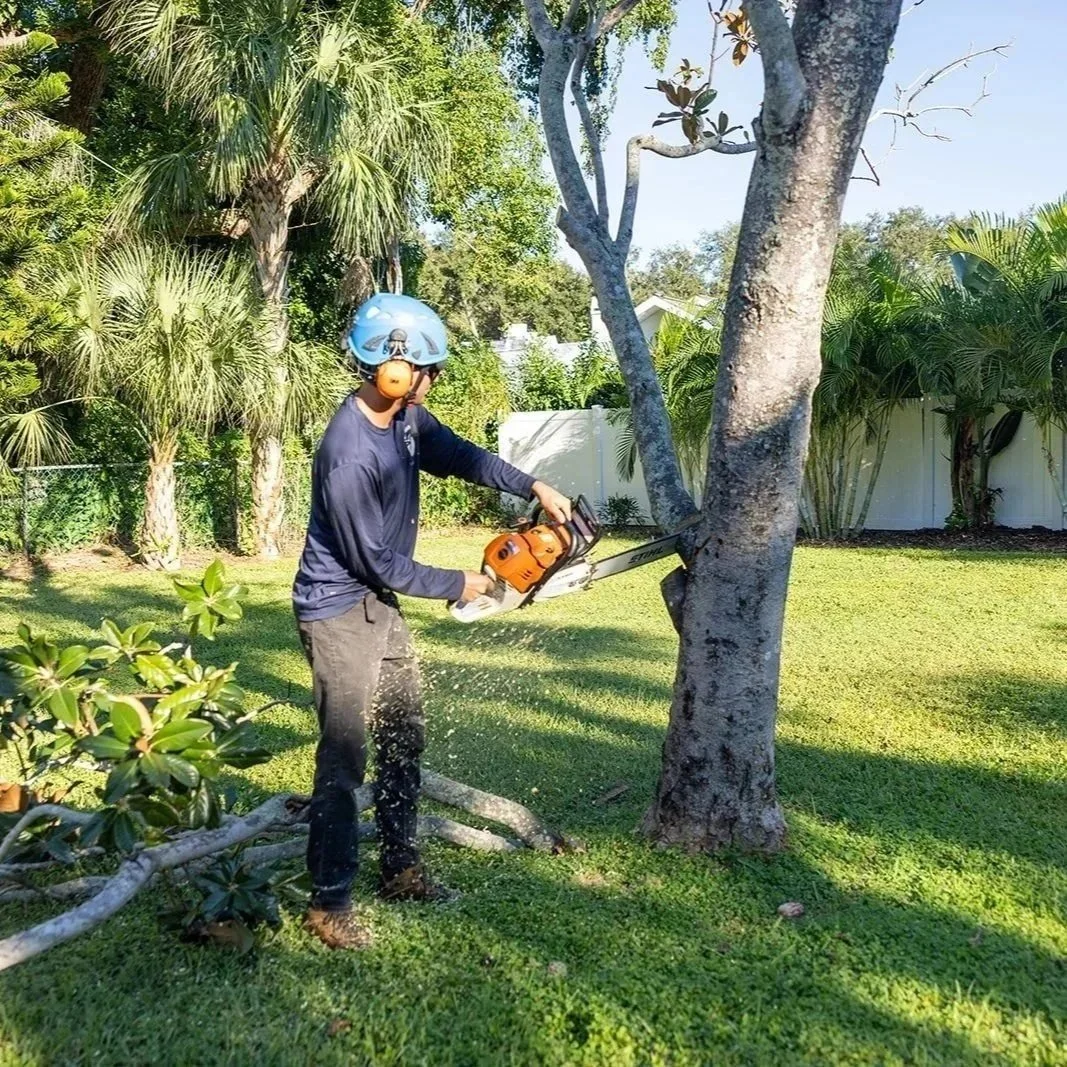
Proper pruning disrupts disease pathways and protects trees in Largo’s warm, humid climate where pathogens stay active year-round.
Understanding Tree Disease in Largo, FL’s Climate
Tree disease in Largo, Florida, rarely develops in isolation or moves slowly. The combination of warmth, humidity, frequent rainfall, and dense residential planting creates ideal conditions for fungi, bacteria, and pests to thrive. Many trees harbor disease organisms for long periods before visible decline, allowing problems to spread unnoticed across individual properties and entire neighborhoods. In this environment, pruning plays a critical role not just in shaping trees, but in actively interrupting disease pathways before infections become established or widespread.
Unlike drier regions where trees experience long dormant periods, Largo’s subtropical climate allows many pathogens to remain active throughout the year. Moisture lingers on leaves and bark, shaded canopies dry slowly, and warm nighttime temperatures support rapid microbial growth. Storms add further stress by breaking limbs, tearing bark, and exposing fresh tissue that disease organisms readily exploit. Understanding how disease behaves locally is essential before discussing pruning, because timing, technique, and sanitation must match Largo’s conditions rather than relying on generalized advice that may work elsewhere.
Common Tree Diseases Affecting Largo Landscapes
Many of the most common tree diseases in Largo are driven by fungal and bacterial activity encouraged by coastal conditions. Anthracnose frequently affects oaks and shade trees, causing irregular leaf spotting, curling, and early leaf drop during wet periods. Powdery mildew often appears on crepe myrtles and ornamentals as a pale coating that interferes with photosynthesis and weakens growth over time. Root rot is widespread in citrus and ornamental trees planted in poorly draining soils, where excess moisture suffocates roots and invites decay organisms.
Palms face particularly serious threats, including Ganoderma butt rot, which compromises the trunk from the base upward, and lethal bronzing, which causes rapid frond decline and eventual death. These diseases often progress internally before external symptoms become obvious. In Largo’s climate, heat accelerates pathogen reproduction, rain splashes spores from tree to tree, and insects act as carriers between hosts. Dense plantings mean diseases rarely need to travel far, making proactive pruning a key line of defense.
How Tree Diseases Spread in Urban and Coastal Settings
In an urban coastal environment like Largo, tree diseases spread through multiple overlapping routes. Airborne spores move during storms and windy conditions, while rain and irrigation splash pathogens onto nearby foliage and into surrounding soil. Insects feed on infected tissue and transport disease organisms to healthy trees. Direct contact between branches allows pathogens to move easily in tightly planted landscapes, and some diseases even spread through interconnected root systems underground.
Pruning intersects directly with these transmission routes. Every cut creates an opening that can either remove infected material or invite new pathogens if handled poorly. Pruning during wet weather or peak disease activity increases exposure, while contaminated tools can transfer disease in seconds. When done correctly, pruning interrupts these pathways by removing sources of infection, reducing branch contact, improving drying conditions, and limiting opportunities for pathogens to establish themselves.
Why Largo’s Weather Patterns Increase Disease Risk
Largo’s weather creates near-constant pressure on tree health. Hot summers with daily thunderstorms extend periods of leaf wetness, which many fungi require to infect plant tissue. High humidity slows evaporation, allowing bacteria and spores to survive longer on surfaces. Tropical storms and hurricanes compound these risks by breaking limbs and stripping bark, leaving trees vulnerable at the exact moment disease pressure peaks. Mild winters rarely provide enough cold to disrupt disease cycles, allowing many organisms to persist year-round.
Because of this, pruning strategies must remain flexible and climate-aware. Timing work to avoid extended wet periods helps protect fresh cuts, while post-storm pruning removes damaged limbs before decay spreads. In Largo, disease prevention depends less on fixed schedules and more on responding to weather patterns, tree conditions, and seasonal pressure.
Recognizing Early Signs of Disease Before Pruning
Early disease symptoms often appear subtle and branch-specific. Discolored or spotted leaves, premature leaf drop, localized dieback, oozing sap, or splitting bark may signal infection before structural damage becomes obvious. Mushrooms or conks at the base of a tree often indicate advanced internal decay, while distorted growth or unusual leaf shapes suggest chronic stress or disease activity.
Recognizing these signs influences how pruning should proceed. Removing infected branches early can slow or stop disease spread, but misreading symptoms can lead to unnecessary cuts that weaken the tree further. Observing patterns over time, noting whether symptoms remain isolated or spread, and seeking professional input when uncertainty exists allow pruning to function as a targeted intervention rather than a reactive mistake.
How Proper Pruning Interrupts Disease Pathways
Pruning prevents disease spread by physically removing infected wood before pathogens move deeper into the tree or reach neighboring plants. Cutting out blighted twigs, cankered limbs, and declining branches reduces the reservoir of disease organisms that rely on rain, insects, or contact to spread. Early removal matters because once infection reaches major limbs or the trunk, control options narrow and long-term decline becomes more likely.
Cuts must extend into healthy tissue to be effective. Discolored or streaked wood at the cut surface suggests lingering infection, while clean, uniform wood indicates successful removal. Tool sanitation is critical throughout the process, since contaminated blades can undermine careful pruning by transferring pathogens from one cut to the next.
Strategic pruning also alters the tree’s internal environment. Selective thinning improves airflow and sunlight penetration, allowing foliage to dry faster after rain. Shorter drying times directly reduce fungal activity in Largo’s humid climate. Removing crossing or rubbing branches eliminates chronic wounds that serve as entry points for infection, while maintaining separation between canopies prevents diseases from moving between trees through direct contact.
Over time, thoughtful pruning encourages stronger, better-balanced growth. Trees with sound structure and evenly distributed foliage experience less stress and maintain stronger natural defenses. Neglect or improper pruning produces weak regrowth and repeated injury cycles that disease exploits, making consistency and moderation essential.
Timing Pruning to Reduce Disease Risk in Largo
Disease pressure in Largo shifts throughout the year with rainfall, temperature, and humidity. Warm, wet months support rapid pathogen reproduction, making pruning during these periods riskier. Late winter and early spring often provide better conditions for many species, as disease activity slows and trees can begin sealing wounds before peak moisture returns.
Timing must also consider the tree type. Oaks benefit from pruning during periods of lower insect and disease activity, while palms should only have dead or diseased fronds removed to avoid weakening the crown. Citrus and flowering trees require more precise timing to balance disease prevention with fruiting or blooming cycles. Monitoring weather forecasts helps avoid pruning just before extended rain or extreme heat, giving trees a better chance to recover.
Sanitary Pruning Practices That Matter
Tool sanitation remains one of the most important and overlooked aspects of disease prevention. Pruners, saws, and loppers easily carry pathogens between cuts. Disinfecting tools between trees and between cuts when disease is present limits unintended spread. Proper disposal of diseased debris is equally important. Leaving infected material on-site or composting it allows pathogens to persist and reinfect trees.
Clean cuts made just outside the branch collar support faster healing and reduce exposure to decay organisms. Modern tree care avoids wound dressings, which can trap moisture and promote rot in Largo’s humid conditions. Organizing work so healthy trees are pruned before diseased ones further limits contamination across a property.
Pruning Techniques That Support Long-Term Health
Thinning cuts generally support disease prevention better than excessive heading cuts. Removing entire branches at their point of origin reduces crowding and preserves natural structure, improving airflow and light distribution. Overuse of heading cuts often creates dense regrowth that traps moisture and increases disease risk.
Crown cleaning removes dead, dying, and diseased branches that serve as entry points for infection. Crown thinning and selective pruning improve internal conditions without stripping protective foliage. Structural pruning in young trees establishes strong branch architecture early, reducing future breakage and chronic wounding that disease depends on to spread.
Species-Specific Considerations in Largo
Live oaks require careful pruning that minimizes large wounds and focuses on reducing stress. Palms should never be over-pruned, as removing healthy fronds weakens their ability to resist serious diseases. Ornamentals benefit from natural-form pruning rather than topping, which creates weak regrowth and dense, disease-prone canopies. Citrus trees respond best to light and targeted pruning that opens the canopy without reducing productivity or increasing stress.
When Pruning Alone Is Not Enough
Some disease conditions extend beyond what pruning can resolve. Widespread canopy dieback, deep trunk cankers, large fungal conks, or root instability often indicate systemic problems. In these cases, random or excessive pruning can worsen the decline. Certified arborists use diagnostic tools and experience to determine whether treatment, monitoring, structural support, or removal offers the safest outcome.
DIY Pruning Versus Professional Care
Homeowners can safely handle minor pruning tasks on small, accessible branches when sanitation and proper technique are followed. Larger limbs, trees showing disease symptoms, or work involving height or structural decisions require professional expertise. Improper pruning increases safety risks and long-term costs, especially in Largo’s storm-prone environment.
Certified arborists bring local knowledge, proper equipment, and a health-focused approach that integrates pruning with broader tree care. Their guidance often prevents minor issues from becoming major problems.
Integrating Pruning into a Complete Tree Health Plan
Pruning works best when combined with proper watering, mulching, soil management, and regular inspections. Healthy roots support faster recovery and stronger defenses, while balanced nutrition avoids the extremes that attract pests or weaken tissue. Routine observation allows early intervention, keeping pruning targeted and effective rather than reactive.
Tree diseases do not respect property lines, making community awareness important. Coordinated care across neighborhoods reduces reinfection cycles and supports a healthier urban forest throughout Largo.
Conclusion
In Largo’s warm, humid, and storm-influenced climate, pruning remains one of the most effective tools for preventing the spread of tree disease when applied thoughtfully. Removing infected wood early, improving airflow, limiting chronic wounds, and timing work to reduce exposure all contribute to healthier trees and safer landscapes. Pruning is most effective when integrated with an approach that respects local conditions, tree species, and long-term structure. With informed decisions and consistent care, pruning helps protect not only individual trees but the resilience and beauty of Largo’s shared canopy.
Tree Pruning FAQs in Largo, FL
Disease-related pruning focuses on functional issues such as localized dieback, discolored leaves, dead interior branches, cankers, or dense areas that stay wet. Cosmetic pruning addresses shape, while disease prevention targets compromised growth and airflow.
Small, ground-level pruning on healthy trees is often safe for homeowners. When disease symptoms, large limbs, height, or structural concerns are involved, professional assistance reduces risk to both the tree and the person doing the work.
Cooler, drier periods generally lower disease pressure, though timing varies by species. Avoiding peak humidity and rainy stretches helps protect fresh cuts from infection.
Visual inspections several times a year and after storms help catch problems early. Many trees only need light pruning every few years, but mature or high-value trees benefit from periodic professional evaluations.
