
How Tree Trimming Benefits the Largo, FL, Environment
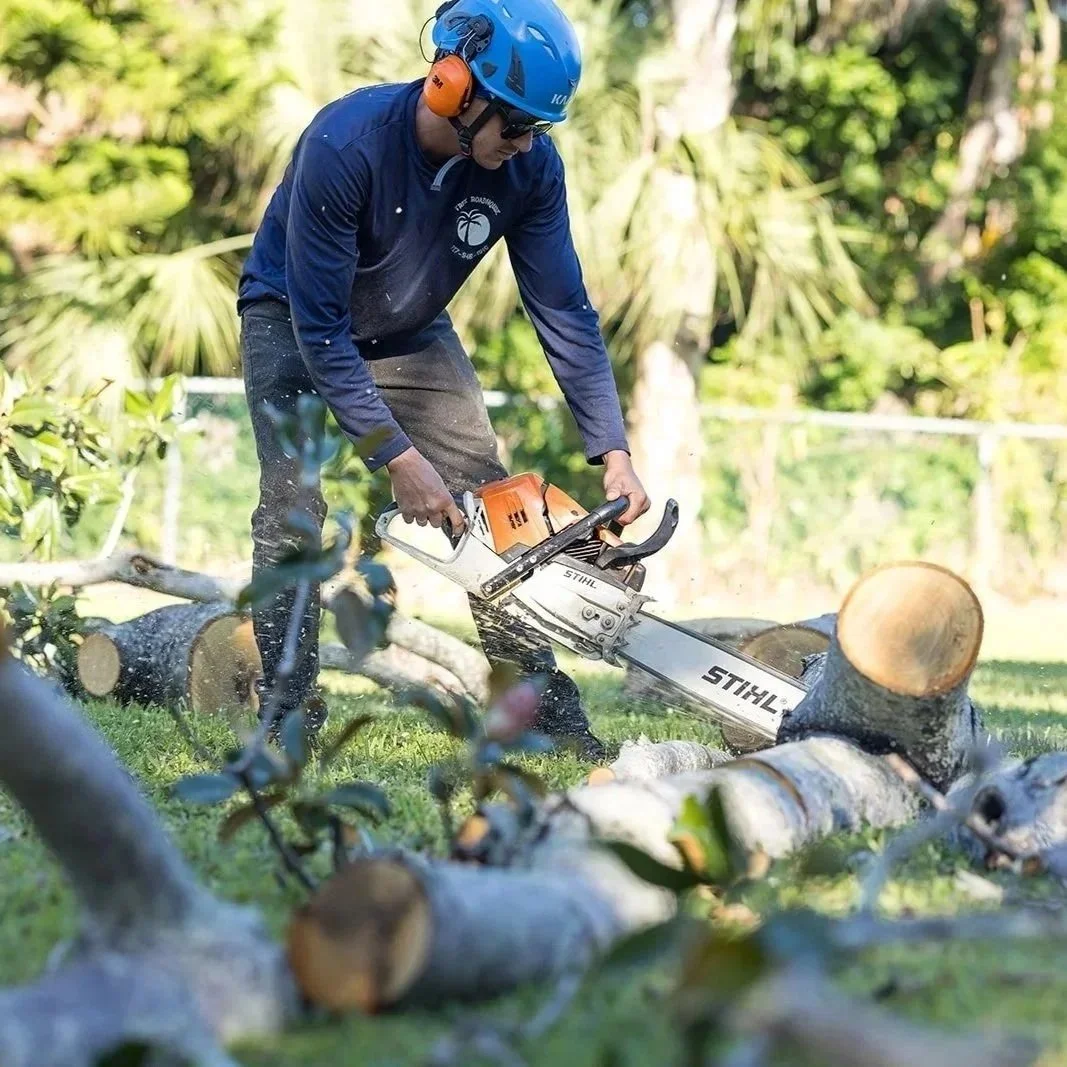
Proper tree trimming in Largo helps strengthen urban trees, reduce storm hazards, and protect the surrounding coastal ecosystem.
Why Tree Trimming Matters in Largo, FL
Largo, Florida, exists in a landscape where trees and development are tightly interwoven. Located in the heart of Pinellas County, with Tampa Bay to the east and the Gulf of Mexico to the west, Largo experiences constant coastal influence layered over dense residential neighborhoods, commercial corridors, and public green spaces. Mature oaks, palms, pines, and ornamental trees line streets and backyards, providing shade, cooling, and character in a region defined by heat, humidity, and intense sunlight. These trees are not decorative extras. They function as living infrastructure that supports environmental stability across the city.
The same subtropical climate that allows trees to grow quickly also exposes them to ongoing stress. Frequent summer storms, high winds, heavy rainfall, and seasonal hurricane threats repeatedly strain urban trees. Rapid growth can lead to weak branch attachments, overcrowded canopies, and imbalanced weight distribution when trees are left unmanaged. Moist conditions encourage fungal growth, pest activity, and internal decay, especially in trees that have not been trimmed properly over time. When storms arrive, neglected trees are far more likely to shed limbs, uproot, or fail structurally, creating hazards that affect homes, roads, power lines, and nearby waterways.
In Largo, tree trimming functions as an environmental management tool rather than a cosmetic service. Responsible trimming strengthens trees so they can withstand storms, continue filtering air, manage stormwater, stabilize soil, and support wildlife. When trimming is approached thoughtfully, it helps trees remain assets to the environment instead of liabilities that require removal after damage occurs.
Purpose and Scope of This Guide
This guide focuses on how proper tree trimming contributes to Largo's overall environmental health rather than on individual properties. Thoughtful trimming supports long-term tree vitality, reduces environmental strain during storms, and helps urban trees coexist with surrounding infrastructure. The emphasis stays on science-based pruning practices that respect natural growth patterns and avoid aggressive methods that weaken trees or disrupt ecosystems.
The sections that follow explain how tree trimming supports cleaner air, healthier soil, improved water management, stronger wildlife habitat, and increased storm resilience throughout Largo neighborhoods. The discussion also addresses safety, infrastructure protection, and practical considerations for homeowners, while recognizing situations where working with experienced local professionals makes sense. Every aspect reflects Largo’s specific conditions, including common tree species, coastal climate pressures, and regional expectations around responsible tree care.
Tree Trimming Versus Tree Removal
Tree trimming, often called pruning, involves selectively removing branches to improve structure, health, and interaction with surrounding space. The goal is to maintain the tree while addressing concerns such as overcrowded limbs, poor airflow, or branches growing too close to structures and utilities. Tree removal eliminates the entire tree and is typically reserved for situations involving severe disease, structural failure, invasive species, or safety hazards that cannot be corrected through trimming.
From an environmental standpoint, this distinction matters. Trimming preserves canopy cover, shade, carbon storage, and habitat value, while removal permanently reduces those benefits. Many issues that prompt homeowners to consider removal, such as roof interference, blocked sunlight, or storm risk, can often be addressed through targeted trimming instead. Preserving healthy trees allows Largo’s urban forest to continue functioning as a system that supports environmental balance across the city.
Understanding Largo’s Trees and Urban Ecology
Largo features a diverse mix of tree species that respond differently to trimming. Live oaks and laurel oaks dominate many neighborhoods, forming wide canopies that provide deep shade but require careful weight management to prevent limb failure. Southern magnolias grow upright with dense foliage that benefits from selective thinning. Slash pines and bald cypress grow tall and fast, often needing crown management to reduce wind stress. Palms such as sabal, queen, and foxtail follow entirely different growth patterns, where trimming focuses on removing dead fronds rather than reshaping structure. Ornamental trees like crape myrtle add seasonal color but often suffer when trimmed incorrectly.
Trees in Largo play a central role in urban ecology. Canopies cool homes, sidewalks, and streets, reducing heat buildup during summer months. Leaves intercept rainfall, slowing runoff and allowing water to infiltrate soil rather than rushing into storm drains. Root systems stabilize sandy soils, limit erosion, and store carbon. Branches and foliage support birds, pollinators, and small mammals that move between yards, parks, and green spaces.
Tree trimming directly affects how well these functions operate. Balanced canopies intercept rainfall more effectively and resist wind better. Healthy foliage filters pollutants and supports photosynthesis. Poor trimming practices weaken trees and disrupt these systems, while responsible trimming strengthens them.
Promoting Tree Health and Longevity
Removing dead, diseased, and damaged branches reduces pest activity and limits the spread of decay. Compromised limbs attract insects and fungi that weaken wood internally, increasing the risk of failure during storms. Trimming these branches early allows trees to redirect energy toward healthy growth rather than wasting resources on tissue that no longer functions.
Structural pruning plays a critical role in long-term resilience. Trees trained with proper branch spacing and attachment angles handle wind and weight far better than trees with tight forks or competing leaders. In Largo’s storm-prone environment, strong structure reduces catastrophic failures that lead to emergency removals and canopy loss.
Selective thinning improves airflow and light penetration within the canopy. In a humid climate, dense interior growth traps moisture, which can encourage fungal problems. Opening the canopy slightly allows foliage to dry faster, reducing disease pressure while maintaining shade and habitat. Over time, consistent trimming extends tree lifespans, which is environmentally significant because mature trees provide far greater benefits than newly planted replacements.
Storm Resilience and Public Safety
Storms are a defining environmental factor in Largo. High winds exploit weak branch attachments, dense canopies, and imbalanced growth. Proactive trimming before storm season reduces hazards by removing deadwood, shortening overextended limbs, and redistributing canopy weight. Trees that can flex with the wind rather than resist it are far more likely to survive storms intact.
Reducing limb failure protects homes, vehicles, sidewalks, and utilities. It also reduces post-storm debris that clogs drainage systems and strains cleanup resources. Fewer emergency removals mean less landfill waste and lower emissions from hauling and processing debris. Maintaining safer trees encourages residents to preserve mature canopy rather than removing trees out of fear, which supports long-term environmental stability.
Wildlife Habitat and Biodiversity
Mature, well-maintained trees provide critical habitat throughout Largo. Strong branches support nests, cavities shelter birds and small mammals, and dense foliage offers protection from predators and harsh weather. Many trees also provide food through flowers, fruits, nuts, and seeds that sustain wildlife year-round.
Thoughtful trimming preserves these features while addressing safety concerns. Avoiding excessive removal during nesting or flowering periods protects reproduction cycles and food availability. Maintaining canopy connectivity allows wildlife to move safely through neighborhoods without descending to ground level. Retaining safe deadwood where appropriate supports insects and birds that depend on decaying wood, balancing habitat value with hazard reduction.
Air Quality, Cooling, and Carbon Storage
Trees improve air quality by capturing dust, pollen, and other pollutants on their leaves. Healthy canopies perform this function most effectively. Trimming that supports vigorous foliage enhances pollutant filtration rather than diminishing it. Trees also absorb carbon dioxide and store carbon in their biomass, with large, mature trees providing the greatest benefit.
Shade from well-managed canopies reduces urban heat island effects. Shaded surfaces absorb less heat, improving outdoor comfort and reducing cooling demand in buildings. Thoughtful trimming maintains shade where it matters while protecting structures and supporting both environmental and energy-efficiency goals.
Soil Health and Water Protection
Roots stabilize Largo’s sandy soils and limit erosion during heavy rains. Canopies soften rainfall impact, reducing compaction and runoff. Over-pruning disrupts this balance by stressing roots and exposing soil. Proper trimming preserves leaf mass and supports root systems that protect soil health.
Trees also function as natural stormwater infrastructure. They slow runoff, filter pollutants, and protect ponds, canals, and coastal waters from sediment and contaminants. Coordinating trimming with mulch, groundcovers, and green infrastructure strengthens these benefits and reduces reliance on chemical treatments that can harm waterways.
Responsible Waste Management
Selective trimming produces less debris, reducing hauling, emissions, and landfill use. On-site chipping and mulching return nutrients to the soil and protect roots. Using municipal yard waste programs responsibly ensures that debris is reused rather than discarded. Planning trimming seasonally spreads waste volume and supports sustainable disposal practices across Largo.
Best Practices and Professional Support
Environmentally responsible trimming follows ISA and ANSI standards, avoids harmful practices like topping, and uses clean, sharp tools. Appropriately timed work protects trees and wildlife. Clear environmental goals guide decisions so each cut supports long-term ecosystem health.
Large trees, storm-damaged limbs, work near utilities, or signs of disease warrant professional expertise. Certified arborists understand Largo’s climate, species, and regulations, helping preserve both safety and environmental value. Homeowners can safely handle small, ground-level tasks when proper techniques are followed.
Building a Healthier Largo Through Smart Tree Trimming
Tree trimming in Largo supports air quality, storm resilience, wildlife habitat, soil stability, and water protection when done thoughtfully. Each healthy tree contributes shade, cooling, filtration, and ecological balance. Across neighborhoods, these individual contributions form a resilient urban forest that protects the city against environmental pressures.
Responsible trimming reflects stewardship rather than simple maintenance. When homeowners, professionals, and the community align around best practices, Largo’s trees remain long-term assets that support a healthier environment for future generations.
FAQs About How Tree Trimming Benefits the Largo, FL Environment
Trimming frequency depends on species, age, growth rate, and condition rather than a fixed schedule. Many mature trees benefit from moderate trimming every two to five years, while younger trees may need more frequent attention to establish strong structure.
Routine trimming focuses on long-term health, structure, and canopy balance, while storm-preparation pruning targets specific hazards such as deadwood and overextended limbs before hurricane season. Both approaches work together to protect trees and the environment.
Yes. Practices such as topping or excessive thinning weaken trees, reduce shade, disrupt habitat, and increase runoff and erosion, often leading to premature removal and canopy loss that affect air quality and stormwater control.
Professional help is recommended for large trees, branches near power lines or structures, visible disease or decay, or any situation requiring climbing or specialized equipment, as these directly affect safety and long-term environmental value.
