
The Role of Pruned Trees in Local Air Quality Improvement in Largo, FL
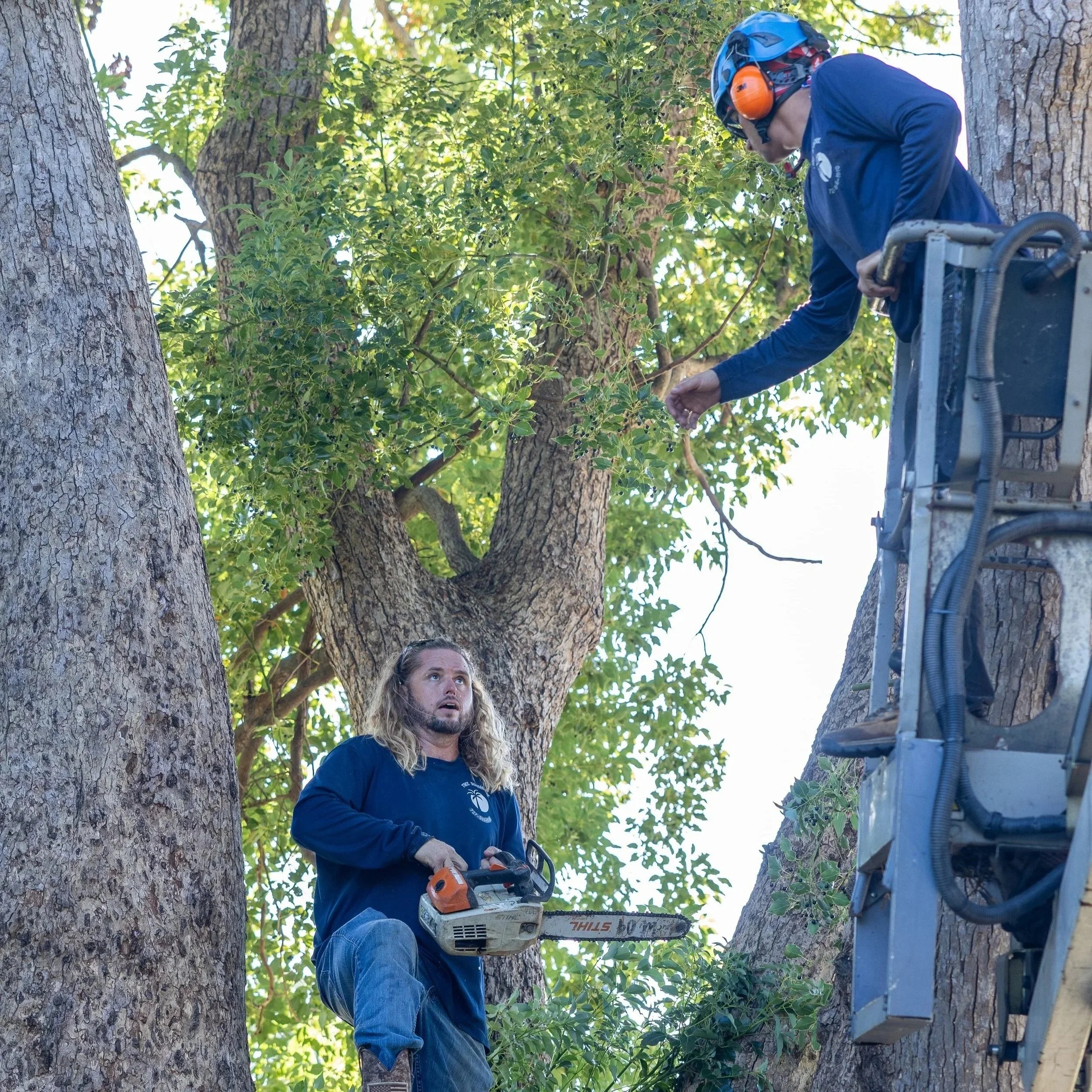
Strategic tree pruning optimizes airflow and boosts pollutant capture, making it an essential tool for improving Largo’s air quality.
Why Pruned Trees Matter for Largo’s Air Quality
Largo, Florida, sits in a coastal zone where warm temperatures, high humidity, and steady sea breezes shape daily life. Traffic corridors feeding into Clearwater and St. Petersburg, seasonal tourism, and pockets of light industry all contribute to airborne pollutants that residents encounter daily. Fine particulate matter from vehicle exhaust, ozone-forming compounds that intensify during hot afternoons, and persistent pollen loads combine to create air quality challenges that directly affect comfort and respiratory health.
Trees already play a vital role in moderating these conditions, but their effectiveness varies widely based on species, placement, and maintenance. Shade reduces surface temperatures, transpiration cools surrounding air, and leaf surfaces trap particles before they reach lungs or migrate indoors. In Largo, narrow residential streets, coastal wind patterns, and proximity to Tampa Bay create microclimates that influence how pollutants move and linger. Trees that are pruned intentionally rather than left unmanaged interact with airflow and sunlight more effectively, making pruning a functional tool for air quality improvement rather than a purely visual task.
How This Guide Helps Largo Residents
This guide is written for homeowners, HOA boards, property managers, landscapers, and community decision-makers who influence tree care across Largo. It does not attempt to teach technical pruning cuts or climbing techniques. Instead, it focuses on helping readers understand why pruning matters, how timing and method affect air quality outcomes, and how to work productively with qualified tree professionals to support cleaner air around homes, schools, and businesses.
The discussion connects the science of air quality with real-world pruning decisions suited to Largo’s climate and development patterns. It also addresses planning considerations, storm preparation, safety, and the value of coordinated efforts across neighborhoods. The goal remains practical and decision-focused, allowing residents to recognize harmful shortcuts, ask better questions, and align routine tree care with broader environmental outcomes rather than unintentionally undermining them.
Pruned Trees Versus Unmanaged Trees
In the context of air quality, pruned trees are those maintained with long-term health and function in mind. This approach relies on selective branch removal guided by species needs, growth patterns, and site conditions. Unmanaged trees may grow unchecked for years or receive sporadic, improper cuts driven by clearance demands or appearance rather than biology. Practices such as topping, excessive thinning, or long-term neglect weaken trees and reduce their ability to moderate temperature, airflow, and pollution.
Well-executed pruning supports balanced canopy shape, appropriate leaf density, and controlled airflow through the crown. These characteristics determine how effectively leaves intercept airborne particles and how breezes disperse pollutants at street level. When pruning aligns with arboricultural standards, trees remain resilient and productive. Cutting driven by convenience often produces dense, stressed regrowth or sparse canopies that reduce shade and filtration capacity, working against air quality goals instead of supporting them.
How Trees Influence Air Quality in Largo
Trees act as living air filters by intercepting airborne pollutants on leaves, bark, and branches. Fine particulate matter, dust, smoke, and chemical residues adhere to leaf surfaces through dry deposition. Leaf texture, waxes, and microscopic structures increase this capture ability. In Largo, major pollution sources include daily traffic, brake and tire dust, construction activity, and smoke drifting in from regional fires.
Rainfall completes this filtration cycle by washing captured particles from leaves into the soil, removing them from the air column. Canopy density matters because greater leaf surface area increases interception capacity between rain events. Structure matters as much. Leaves positioned to interact with moving air perform better than crowded interior growth. Properly pruned trees maintain exposed, functional foliage that continues to capture pollutants rather than declining as branches overlap and compete.
Shade further influences air quality by moderating temperature. Shaded pavement and buildings remain cooler, reducing the chemical reactions that form ground-level ozone. In Largo’s hot climate, even modest temperature reductions affect ozone formation near roads and parking areas. Poor pruning that strips canopy coverage exposes heat-absorbing surfaces, while thoughtful pruning preserves shade where it matters most.
Transpiration adds another layer of benefit. As trees release water vapor through leaves, the surrounding air cools. Healthy foliage, supported by proper pruning, sustains this cooling effect during extended periods of heat. Overgrown or stressed canopies restrict airflow and reduce leaf efficiency, limiting transpiration benefits over time.
Pruning also affects biological contributors such as pollen and fungal spores. Certain species produce more pollen when stressed, and unmanaged canopies with deadwood support fungal growth. Pruning removes compromised branches, improves air circulation, and allows for earlier detection of health issues. While pruning alone does not eliminate pollen, it supports broader strategies that reduce allergen concentration and improve overall air quality resilience.
Why Pruning Changes Air-Quality Performance
Canopy shape and density determine how air moves through a tree. A well-pruned canopy allows air to brush across leaf surfaces rather than rushing past or stagnating. Balanced branch spacing supports consistent pollutant interception while preventing trapped exhaust near ground level. Neglected trees often become either too dense, trapping pollutants, or too sparse, losing the leaf area needed for filtration and shade.
Tree longevity is equally important. Mature trees provide the strongest air-quality benefits due to large canopies and established cooling zones. Improper pruning shortens lifespan through decay and structural failure, erasing decades of accumulated benefit instantly. Regular, conservative pruning preserves vigor and structure, reducing storm damage and emergency removals that would otherwise reset canopy coverage.
Urban trees must coexist with roads, utilities, and buildings. Purposeful pruning resolves these conflicts without sacrificing canopy volume. Raising canopies over sidewalks while maintaining shade over pavement, directing growth away from power lines without topping, and preserving roadside buffers all allow trees to continue filtering air while meeting safety needs.
Species-specific responses also matter. Live oaks tolerate structural pruning well, magnolias require restraint, crape myrtles decline under aggressive cutting, and palms suffer when healthy fronds are removed. Understanding these differences prevents one-size-fits-all approaches that reduce air-quality performance.
Planning a Pruning Strategy for Air Quality
Effective planning starts with understanding existing canopy performance. Observing shade patterns, airflow, and pollutant exposure helps identify where pruning will have the greatest impact. Trees near busy roads, parking areas, and building air intakes often provide the most immediate air-quality benefits when managed correctly.
Clear goals prevent unnecessary canopy loss. Some properties need maximum shade to combat heat islands, while others benefit from improved airflow to dilute exhaust. Visibility and safety can be addressed without stripping the functional canopy when pruning focuses on precision rather than volume. Writing down priorities before contacting a tree service helps guide decisions that protect environmental performance.
Not every tree contributes equally. Large, well-placed trees offer more filtration and cooling than smaller ornamentals. Coordinating with neighbors and HOAs amplifies benefits by maintaining a continuous canopy rather than isolated pockets. Neighborhood-scale planning keeps air-quality gains consistent even as individual trees undergo maintenance.
Best-Practice Pruning Techniques That Support Air Quality
Crown thinning improves airflow while preserving leaf area when performed selectively. Removing select interior branches reduces moisture buildup and supports healthy foliage without hollowing the canopy. Over-thinning, often seen in rushed work, weakens structure and reduces filtration capacity.
Crown raising improves clearance for pedestrians and vehicles without eliminating shade when done gradually. Maintaining branch length preserves cooling benefits over pavement and buildings. Sudden removal of the lower canopy can expose surfaces to heat and emissions, undermining air-quality gains.
Crown reduction, when necessary, must follow natural branch structure rather than topping. Proper reduction allows trees to remain functional in tight spaces while retaining shade and filtration capacity. Poorly executed reductions accelerate decline and reduce long-term environmental value.
Selective pruning for views or light achieves aesthetic goals without dismantling canopy function. Precision cuts outperform wholesale removal, preserving the tree’s role in cooling and pollutant interception.
Timing Pruning for Maximum Benefit
In Largo’s subtropical climate, heavy pruning is best scheduled during cooler, lower-stress periods. Summer foliage provides peak air-quality benefits when heat and emissions are highest. Removing large amounts of canopy during this time reduces performance precisely when it is most needed.
Storm preparation pruning completed well before hurricane season strengthens the structure without excessive canopy loss. Trees that survive storms intact continue filtering air rather than disappearing from the landscape. Avoiding rushed, pre-storm cutting protects both safety and long-term environmental function.
Trees showing stress respond poorly to heavy pruning. In these cases, conservative cuts paired with soil care and proper watering support recovery while preserving air-quality contributions.
Working With Arborists in Largo
ISA-certified arborists bring training in tree biology and structural management that directly affects canopy performance. Local experience matters as much. Familiarity with Largo’s soils, storms, and species helps arborists predict how trees will respond over time.
Clear communication is essential. Explaining goals related to shade, airflow, and canopy preservation helps align pruning decisions with air-quality priorities. Written plans and maintenance schedules prevent misunderstandings and support consistent results across years rather than reactive cutting cycles.
DIY Versus Professional Pruning
Homeowners can safely handle small tasks such as removing minor deadwood or trimming light growth away from walkways. These actions support canopy health between professional visits.
Large trees, storm damage, structural defects, and proximity to utilities require professional expertise. DIY mistakes such as topping, over-thinning, and improper cuts reduce canopy function and often lead to premature decline. Recognizing limits protects both safety and environmental value.
Integrating Pruned Trees Into Broader Air-Quality Strategies
Pruning works best alongside thoughtful planting and species diversity. Selecting trees suited to Largo’s climate and space constraints reduces future conflicts and preserves canopy performance. Early structural pruning guides young trees toward strong, functional forms that support air quality as they mature.
Trees also work in combination with shrubs, hedges, and rain gardens to intercept pollutants at multiple levels. Strategic shading reduces indoor cooling demand, thereby indirectly lowering emissions. Coordinated landscape design amplifies benefits beyond what trees alone can provide.
Community education strengthens results. When residents understand how pruning affects air quality, expectations rise, and harmful practices decline. Shared standards protect canopy continuity and long-term performance.
Regulatory and Ethical Considerations
Local ordinances protect canopy coverage and may require permits for significant work. Understanding these rules prevents unintentional canopy loss that affects neighborhood air quality.
Mature trees provide irreplaceable benefits. Ethical stewardship prioritizes longevity over convenience, recognizing these trees as living infrastructure rather than disposable landscaping. Balancing private preferences with shared environmental outcomes supports healthier communities.
Monitoring and Measuring Impact
Homeowners can observe changes in shade, surface temperature, dust accumulation, and comfort following thoughtful pruning. Tracking canopy health over time reveals which practices support long-term performance.
Sharing success stories builds community support. Cooler streets, shaded play areas, and improved outdoor comfort demonstrate the value of responsible pruning and encourage broader participation.
Conclusion: Cleaner Air Through Smarter Pruning
Properly pruned trees play a measurable role in improving air quality across Largo. When pruning protects canopy structure and leaf density, trees filter pollutants, reduce heat, and cool neighborhoods consistently over time. These benefits compound when repeated across properties and neighborhoods, strengthening Largo’s urban forest as essential green infrastructure.
Informed pruning decisions transform routine maintenance into long-term environmental stewardship. Through careful planning, professional collaboration, and community coordination, pruned trees can continue supporting cleaner air and more comfortable living conditions for years to come.
FAQs About Pruned Trees and Air Quality in Largo, FL
Pruned trees maintain healthier foliage, balanced airflow, and longer lifespans, allowing consistent pollutant capture and cooling. Unmanaged trees often decline or develop ineffective canopy structure.
Most mature trees benefit from light, strategic pruning every few years. Timing depends on species, condition, and storm exposure.
Yes. Removing too much leaf area reduces filtration, shade, and cooling while increasing stress and long-term decline.
Ask how canopy volume will be preserved, whether topping is avoided, which pruning standards guide their work, and how cuts affect shade and airflow over time.
