
Tree Trimming and Its Importance for Urban Wildlife in Largo, FL
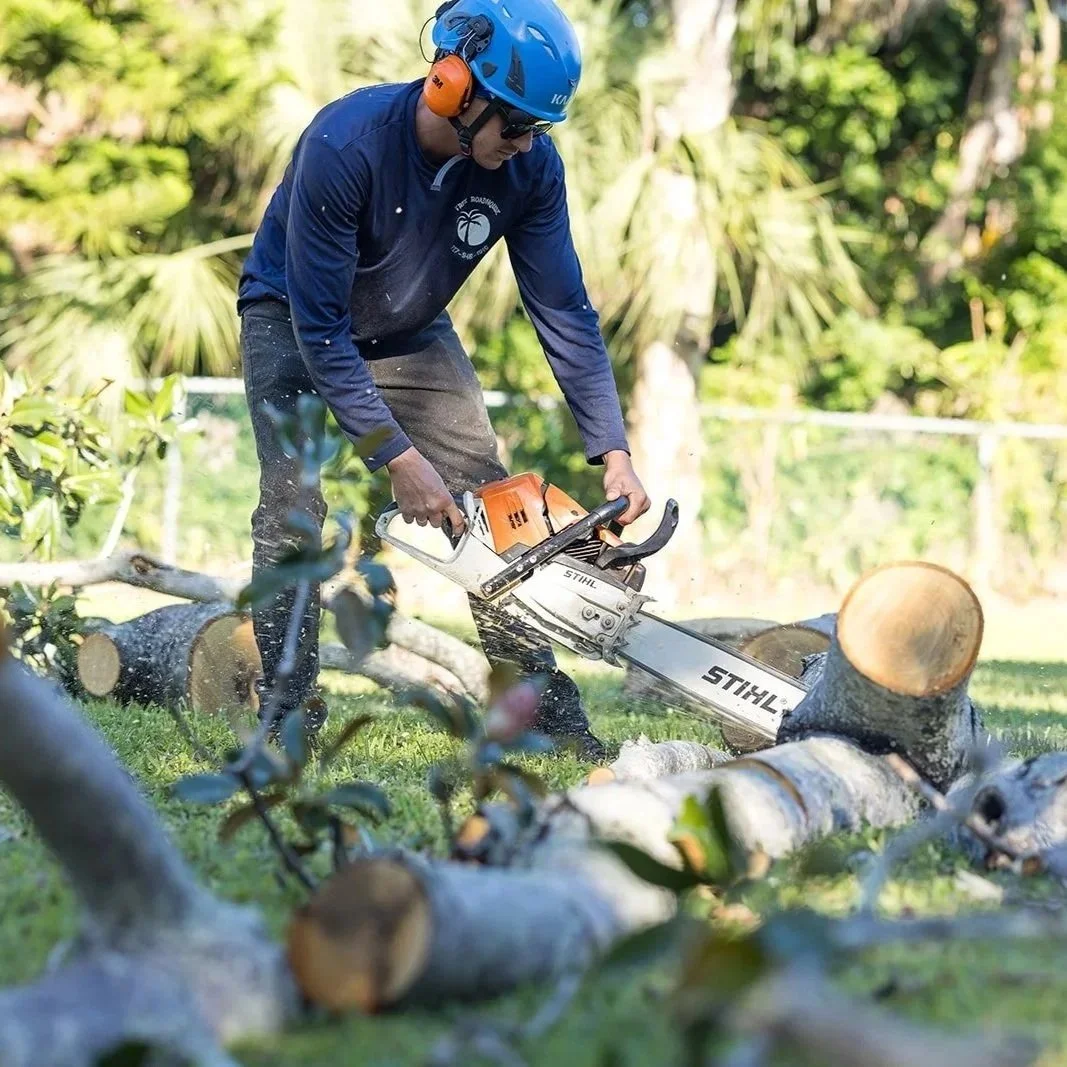
Thoughtful tree trimming in Largo, FL protects both community safety and the wildlife that depends on the city’s urban canopy.
Why Tree Trimming Matters in Largo, FL
Largo, FL, sits in a unique position as a growing city layered over an established natural landscape. Residential streets, neighborhood parks, retention ponds, and green corridors still support a wide range of wildlife even as development continues. Street trees, backyard oaks, palms, and ornamental plantings work together as an urban forest, whether or not they resemble a traditional woodland. Birds nest in branching canopies, squirrels travel overhead between properties, pollinators rely on flowering trees, and small mammals depend on shaded cover beneath mature growth. Each tree contributes to a shared ecological system, and every tree trimming decision made by a homeowner, HOA, or city crew can either support or disrupt that balance.
Largo’s coastal climate adds complexity to tree management. Frequent summer storms, saturated soils, and fast growth rates make tree trimming necessary for safety and structural stability. At the same time, careless cuts can weaken trees or remove habitat that wildlife relies on year-round. Thoughtful tree trimming becomes a way to reduce risk while still respecting the ecological role trees play. The goal is not to avoid trimming altogether, but to approach it with enough awareness to protect both people and the wildlife that depends on Largo’s urban canopy.
Balancing Human Needs and Wildlife Habitat
Most residents trim trees for practical reasons tied to daily living. Branches encroach on roofs, interfere with power lines, block visibility, or become storm hazards. Local codes and insurance requirements often mandate maintenance to reduce risk. At the same time, wildlife relies on these same trees for nesting, shelter, food, and safe movement across developed areas. The challenge lies in meeting safety and property needs without stripping trees of the features animals depend on.
Responsible tree trimming often strengthens wildlife habitat rather than reducing it. Removing structurally weak limbs can prevent entire tree failures that eliminate habitat. Selective pruning encourages stronger growth and longer tree life, allowing habitat to persist over decades rather than disappearing suddenly. Preserving interior branches, cavities, and canopy connections allows trees to remain functional wildlife resources even after trimming. When safety and ecology are addressed together, tree care supports both.
Understanding Largo’s Urban Wildlife
Neighborhoods throughout Largo support wildlife adapted to urban conditions. Songbirds such as cardinals, mockingbirds, and blue jays nest in dense canopy growth. Woodpeckers and owls rely on older trees with cavities. Squirrels build nests high in foliage, while raccoons and opossums use tree cover for movement and denning. Bats roost beneath loose bark or within palm fronds, and pollinators depend on flowering trees and the insects associated with healthy foliage.
Wildlife activity shifts seasonally. Spring and early summer are especially sensitive periods when nesting and breeding peak. Even outside these windows, trees remain important shelters during storms, cold snaps, and dry periods. Urban wildlife also depends on connected canopies that allow safe movement without descending to open ground. When trimming fragments these pathways, animals face a higher risk and may abandon entire areas.
Trees with high wildlife value include live oaks, red maples, slash pines, and sabal palms, all common in Largo. Mature native trees support far more species than younger or heavily manicured trees. Fruit-bearing and flowering trees provide critical seasonal food, while palms offer shelter that often goes unnoticed. Invasive species, while sometimes used opportunistically, typically provide limited long-term habitat and may crowd out more beneficial native trees.
Tree Biology and Why Trimming Matters
Trees are living systems that rely on leaves to produce energy and on stored reserves to recover from injury. Every cut forces the tree to redirect resources toward healing. Removing too much foliage at once limits energy production and increases stress, making trees more vulnerable to disease and storm damage. Stressed trees are less reliable habitats, often declining suddenly rather than gradually.
Tree architecture also matters. Primary scaffold branches, interior limbs, and canopy density all influence how a tree supports wildlife and resists wind. Removing entire limbs changes load distribution and eliminates habitat, while selective reduction preserves structure. Interior branches often provide critical cover and travel paths for wildlife, even though they receive less attention during routine trimming.
Deadwood and cavities deserve special consideration. While dead limbs over structures should be addressed, not all deadwood poses danger. Cavities and standing dead sections support birds, bats, and insects that struggle to survive in manicured landscapes. Careful evaluation allows some features to remain where safety permits, preserving habitat without increasing risk.
How Tree Trimming Affects Urban Wildlife
Tree trimming can have direct and indirect effects on wildlife. Cutting during nesting periods may destroy nests or separate parents from young. Even outside active nesting, altering canopy structure can reduce shelter, food availability, and movement corridors. Repeated heavy trimming simplifies tree form, leaving fewer resources over time.
Food availability also changes with trimming. Removing flowering or fruiting branches eliminates seasonal food sources for birds, mammals, and pollinators. Insects decline when foliage is reduced, affecting species that rely on them. Strategic timing and selective cuts help preserve food cycles while still managing growth.
Microclimates shift as well. Opening a canopy increases sun exposure, wind, and temperature beneath the tree. Wildlife accustomed to shaded, protected areas may abandon overly exposed trees. Maintaining layered vegetation, including understory plants, helps buffer these changes and keeps habitats usable.
Local Regulations and Wildlife Protections in Largo
Tree trimming in Largo falls under a mix of city, county, and broader wildlife protections. Certain trees, especially large native species or those in public rights-of-way, may require permits for major work. Regulations aim to protect canopy coverage, storm resilience, and environmental health.
Wildlife protections also apply. Many bird species are protected under federal law, making it unlawful to destroy active nests. Bats and other species may receive additional safeguards. These rules require reasonable care to avoid harm, including postponing non-emergency work when active nests are present. Understanding and respecting these regulations protects homeowners legally while supporting ethical stewardship.
Timing Tree Trimming to Reduce Impact
Seasonal timing plays a major role in minimizing wildlife disruption. Non-emergency trimming often fits best outside peak nesting and breeding periods, typically in late fall or winter. Trees experience less stress during cooler periods, and wildlife activity is generally lower.
Storm preparation remains necessary in Largo, but proactive trimming scheduled well ahead of hurricane season reduces the need for rushed, aggressive cuts. Long-term pruning cycles that spread work over several years allow trees and wildlife to adapt gradually, maintaining canopy continuity while improving safety.
Wildlife-Friendly Trimming Techniques
Selective pruning remains the most effective approach for balancing safety and habitat. Removing specific problem limbs rather than large canopy sections preserves structure and cover. Retaining habitat features such as cavities and dense clusters provides safe support for continued wildlife use.
Layered canopies matter. Preserving variation in branch height and density supports diverse species. In some cases, modified wildlife trees or shortened snags can remain where safety allows, providing shelter even as risk is managed.
Inspecting Trees Before Trimming
Careful inspection before trimming helps identify nests, dens, and roosts. Binoculars, quiet observation, and attention to repeated animal movement reveal activity that might otherwise go unnoticed. Palm trees require extra caution due to bat use.
If wildlife is discovered during work, stopping in that area and adjusting the plan protects animals and avoids legal issues. Clear expectations with tree services about how these situations are handled support responsible outcomes.
DIY Versus Professional Tree Trimming
Small, ground-level tasks may be manageable for homeowners, but larger trees, storm damage, and complex situations require professional expertise. Certified arborists bring knowledge of tree biology, structural assessment, and wildlife considerations that reduce long-term risk.
Hiring professionals familiar with Largo’s climate, regulations, and species helps preserve canopy health while meeting safety needs. Asking about wildlife practices, certifications, and inspection procedures ensures alignment with responsible care goals.
Long-Term Planning for Wildlife Support
Tree trimming works best when paired with thoughtful planting and yard design. Native and well-adapted species require less corrective pruning and support more wildlife. Layered landscapes with redundancy in food and shelter reduce reliance on any single tree.
Planning for mature tree size prevents future conflicts that lead to aggressive trimming. Early structural guidance supports stronger trees and a more stable habitat over time. Community coordination through HOAs and neighborhood efforts strengthens canopy continuity and shared outcomes.
Conclusion: Safer Trees, Stronger Wildlife Habitat
Tree trimming plays a central role in how Largo balances safety, property protection, and urban wildlife health. When approached thoughtfully, trimming reduces storm risk and supports long-term tree vitality while allowing birds, mammals, and pollinators to thrive. Awareness of wildlife behavior, tree biology, seasonal timing, and local regulations transforms routine maintenance into informed stewardship.
Every trimming decision contributes to a connected system spanning yards, streets, and parks. Through careful planning, clear communication, and respect for both people and wildlife, Largo’s urban forest can remain resilient, safe, and vibrant for years to come.
Tree Trimming & Urban Wildlife FAQs in Largo, FL
Non-emergency trimming is best scheduled outside peak nesting and breeding periods, often in late fall or winter. Exact timing varies by year, so watching for nesting activity and checking local guidance helps reduce disruption.
Look for nests in branch forks, repeated animal movement, sounds, droppings beneath roosts, or activity at dusk. Binoculars help inspect canopies safely from the ground.
Yes. Local ordinances, along with state and federal laws, protect many birds and other species. Destroying active nests or harming protected wildlife can carry penalties.
Professional arborists are recommended for larger trees, storm damage, or situations involving potential wildlife activity. Ask about certifications, nest inspection practices, and experience working around wildlife.
