
How Pruning Reduces Storm Damage and Protects Largo, FL’s Community
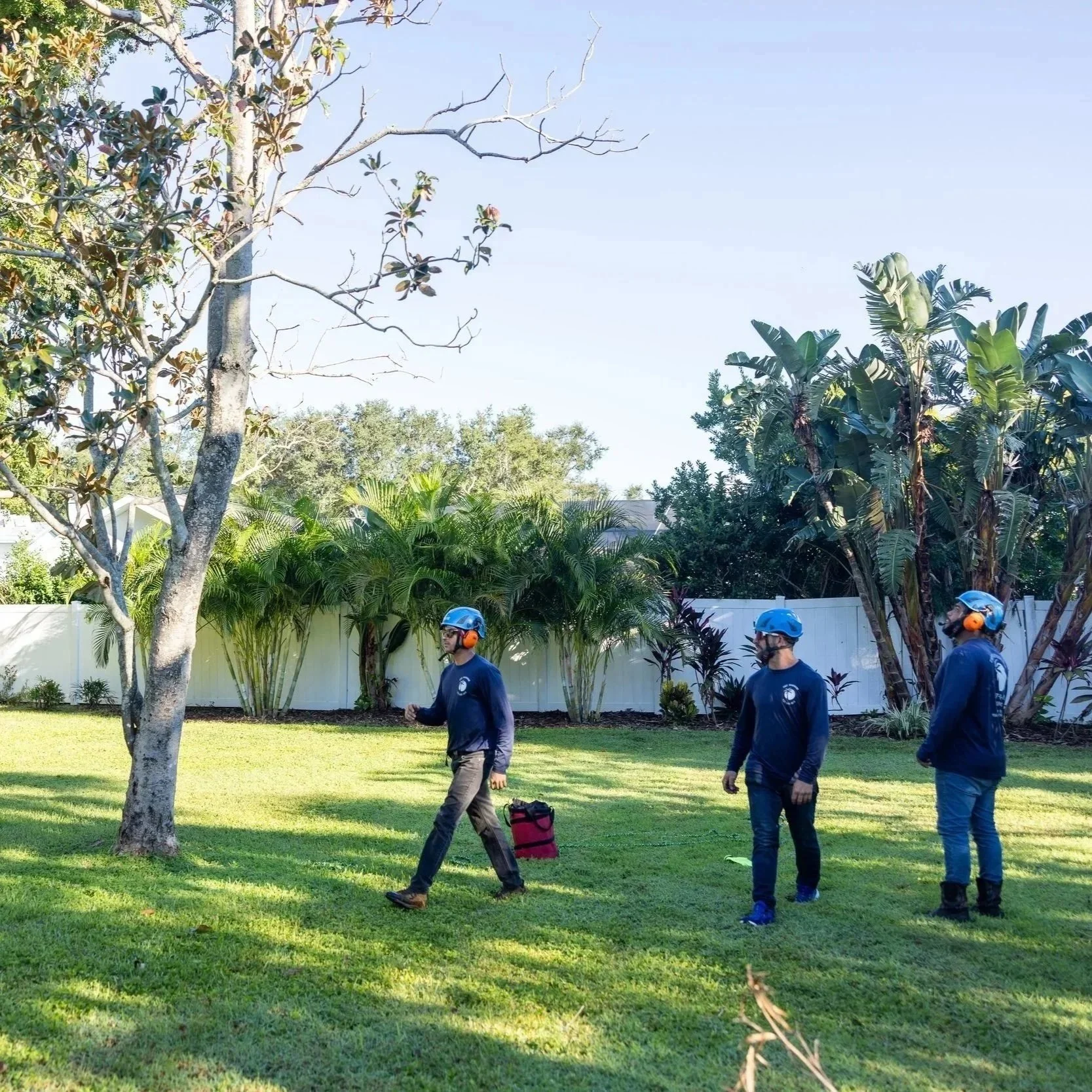
Proper tree pruning strengthens structure and reduces storm damage, helping protect homes, roads, and power lines throughout Largo, FL.
Introduction: Why Pruning Matters for Storm Safety in Largo, FL
Largo’s location along Florida’s Gulf Coast places it squarely in the path of weather systems that test the limits of trees year after year. Afternoon thunderstorms roll in quickly during summer, bringing sharp wind gusts and heavy rain, while tropical storms and hurricanes layer sustained winds on top of already saturated ground. Over time, these repeated stress events expose weaknesses in trees that have not received thoughtful care. In a city filled with mature oaks, palms, pines, and ornamentals, pruning becomes less about appearance and more about safety and resilience.
Trees in Largo function as part of the community’s infrastructure. When they are balanced, healthy, and structurally sound, they provide shade, stormwater control, and neighborhood character. When neglected, overgrown, or improperly pruned, they become among the most common sources of storm damage. Broken limbs punch holes in roofs, toppled trees block evacuation routes, and downed branches pull down power lines. Pruning, when done correctly and consistently, directly reduces these risks by preparing trees to handle wind and rain before storms arrive rather than reacting to damage after the fact.
Understanding Largo, FL’s Storm and Tree Risk Profile
Largo and the broader Pinellas County area experience storms that vary in intensity but occur with regularity. Summer thunderstorms generate sudden gusts that repeatedly stress canopies, while tropical systems deliver hours or days of wind combined with saturated soils that weaken root hold. Even storms that fall below hurricane strength can cause significant damage when trees harbor long-standing defects or are burdened by excessive canopy weight. These weather patterns mean that tree failures are rarely random. They usually follow predictable weaknesses that pruning can address in advance.
Local tree species influence how storm damage unfolds. Live oaks, when properly maintained, tend to perform well, but neglected canopies often shed massive limbs due to imbalance. Laurel oaks grow quickly and commonly develop internal decay, making them prone to sudden failure if not monitored. Pines can snap under sustained wind, especially as they age, and some ornamental species develop dense, top-heavy growth that catches wind aggressively. Palms require a different approach altogether, where removing dead material improves performance but over-pruning weakens structure. Knowing how common Largo species respond to stress enables pruning strategies to target real vulnerabilities rather than relying on guesswork.
Soil conditions also play a major role. Largo’s sandy soils drain quickly under normal conditions but lose stability during prolonged rainfall. When soil becomes saturated, even healthy trees experience reduced root anchorage. Excess canopy weight then acts as leverage against weakened roots, increasing the chance of uprooting. Pruning that reduces wind resistance and balances the canopy directly supports stability in these conditions, making trees less likely to fail when soil conditions are unfavorable.
The Science of How Pruning Reduces Storm Damage
One of the most critical ways pruning reduces storm damage is by lowering wind resistance within the canopy. Dense foliage acts like a sail, catching wind and transferring that force into branches, trunks, and roots. Selective thinning opens pathways for wind to pass through the canopy rather than pushing against it. This does not mean stripping the tree, but carefully removing interior branches, crossing limbs, and poorly positioned growth so pressure disperses more evenly during gusts.
Pruning also improves branch structure, which directly affects how trees respond to stress. Weak branch attachments, co-dominant stems, and narrow crotches create failure points that storms exploit. Structural pruning corrects these defects by favoring strong attachment angles and well-spaced scaffold branches. Over time, this distributes weight more evenly and reduces the likelihood of large sections tearing away during high winds.
Removing dead, dying, and diseased limbs is another critical component of storm preparation. These branches represent the highest immediate risk because they require far less force to fail. Storm winds turn compromised wood into dangerous debris, especially near homes, vehicles, sidewalks, and streets. Regular pruning inspections catch these issues early, allowing hazardous material to be removed under controlled conditions rather than during emergencies.
Beyond mechanics, pruning strengthens overall tree health. Improved airflow and light penetration help trees manage moisture, resist pests, and recover more efficiently from stress. Healthier trees respond better to pruning wounds and adapt more successfully after storms that cause minor defoliation or breakage. Pruning that supports vitality contributes to long-term resilience, which matters in a climate where storms return year after year.
Key Pruning Techniques for Storm-Resistant Trees
Structural pruning is most effective when trees are young or still developing. By guiding growth early, arborists establish a strong framework that holds up under stress later in life. This includes selecting appropriate leaders, spacing scaffold branches, and correcting defects before they become permanent. In Largo’s storm-prone environment, early intervention reduces the need for drastic corrective measures in mature trees, which are more costly and riskier.
Thinning and reduction serve different purposes and must be applied carefully. Thinning improves airflow and reduces wind resistance without significantly changing tree size. Reduction shortens overextended limbs to rebalance weight or create clearance near structures. Both techniques can enhance storm performance when used moderately and strategically. Problems arise when either is applied excessively, leading to stress, poor regrowth, and increased vulnerability over time.
Canopy cleaning remains one of the most practical storm-preparation measures. Removing deadwood and compromised limbs reduces the amount of debris storms generate and lowers the likelihood of injury or damage. In Largo, where storms are frequent, this type of maintenance works best as a routine practice rather than a one-time response.
Timing also matters. Planned pruning performed outside peak stress periods allows trees to recover and strengthen before storm season intensifies. Emergency pruning is always appropriate when safety is at stake, but proactive scheduling produces better outcomes for both tree health and storm resistance.
How Pruning Protects Homes, Utilities, and Public Spaces
Unpruned branches hanging over roofs and walls pose predictable risks during storms. Even without breaking, branches can scrape shingles, damage gutters, and compromise windows as they sway. Proper pruning anticipates this movement, creating safe clearances that account for wind-driven motion rather than just static distance.
Power lines represent another major concern. While utilities manage the main corridors, property owners remain responsible for trees that affect service drops. Branches that grow unchecked toward lines often cause outages during storms. Professional pruning maintains safe distances and encourages growth away from critical infrastructure, reducing both danger and service disruptions.
Public safety extends beyond individual properties. Trees overhanging streets, sidewalks, schools, and parks can block access or injure people during storms. Routine pruning along these areas keeps evacuation routes clear and allows emergency services to move efficiently when they are most needed. Communities with consistent maintenance programs tend to recover faster after storms, with fewer closures and lower cleanup costs.
DIY vs. Professional Pruning in Largo, FL
Homeowners can safely handle limited pruning tasks, such as removing small dead twigs or trimming low branches on young trees, using hand tools from the ground. These efforts help maintain visibility and reduce minor hazards without significant risk when done correctly.
Larger trees, overhead work, and any pruning near structures or power lines require professional involvement. Certified arborists bring training in tree biology, structural assessment, and safe work practices that reduce the chance of mistakes that increase storm vulnerability. In a region like Largo, improper major pruning can do more harm than good, making professional expertise a critical part of storm preparation.
Evaluating tree services involves more than cost. Credentials, insurance, and familiarity with local regulations matter. Arborists who explain their pruning approach and how it reduces storm risk provide greater value than services focused only on cosmetic trimming.
Best Times and Frequency for Storm-Hardening Pruning
Planning ahead of storm season is one of the most effective ways to reduce risk. Pruning completed months before peak activity gives trees time to recover and adapt. Rushed pruning during storm warnings often leads to poor decisions and incomplete work.
Frequency depends on species, age, and growth rate. Young trees often need more frequent attention to establish structure, while mature trees benefit from periodic maintenance to remove hazards and manage growth. Regular inspections between pruning cycles help catch emerging issues before storms expose them.
Recognizing High-Risk Trees and Branches
Warning signs such as cracks, decay, co-dominant stems, excessive lean, and deadwood often indicate elevated storm risk. Observing these from the ground allows homeowners to seek professional assessment before problems escalate. Root issues, including soil heaving and fungal growth at the base, further increase vulnerability, especially in saturated conditions.
Trees planted too close to structures or utilities also present higher risks. Strategic pruning can mitigate some issues, but in certain cases, replacement with better-suited species provides a safer long-term solution.
Conclusion: Building a Safer, Storm-Ready Largo Through Pruning
Pruning grounded in sound arboricultural principles plays a direct role in reducing storm damage across Largo. By lowering wind resistance, improving structure, removing hazards, and supporting long-term health, thoughtful pruning changes how trees behave during severe weather. These benefits protect homes, infrastructure, and public spaces while reducing cleanup costs and recovery time.
When homeowners, professionals, and communities take a proactive approach, trees remain assets rather than liabilities. Planning, prioritizing risks, and investing in proper pruning allow Largo to face storm seasons with greater confidence and resilience.
FAQs About Pruning and Storm Damage in Largo, FL
Pruning frequency depends on species, age, and location. Many mature trees benefit from maintenance every few years, while younger or fast-growing trees often need more frequent structural guidance. Regular inspections help determine appropriate timing.
Light, ground-level pruning can be done safely, well before storms arrive. Major or rushed pruning near a hurricane increases the risk and is best left to professionals. Planning months ahead produces safer results.
Older laurel oaks, fast-growing shade trees with long limbs, and poorly maintained palms often show higher failure rates. Species-specific pruning that addresses known weaknesses improves performance.
Yes, when done incorrectly. Topping, excessive thinning, poor cut placement, or removing too much live wood weakens the structure and leads to unstable regrowth. Proper methods strengthen trees rather than compromise them.
