
When to Call a Professional for Tree Pruning in Largo, FL
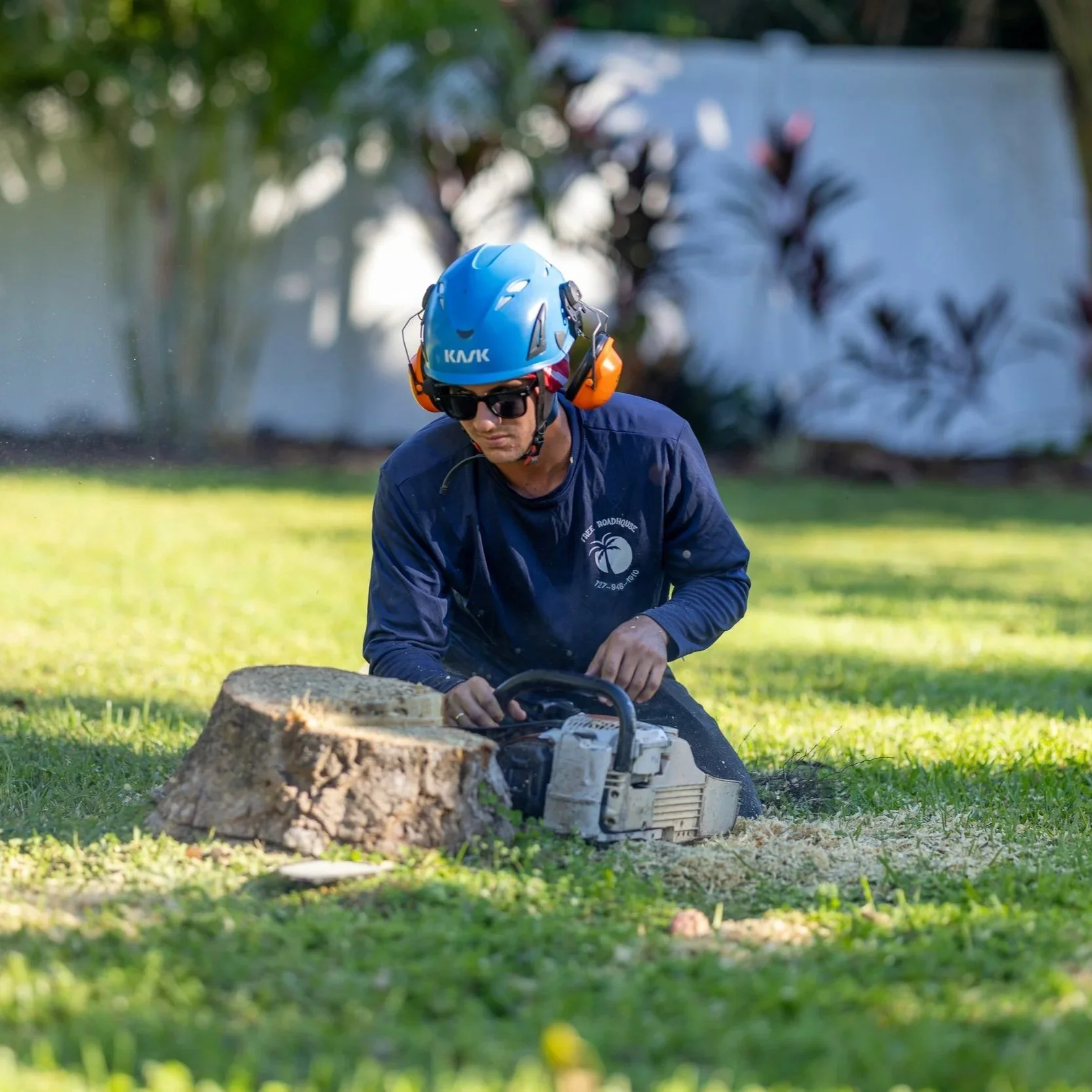
Pruning is more than shaping—it’s guiding the tree’s future stability. In Largo’s climate, expert cuts make all the difference, says a certified arborist.
Understanding Why Professional Tree Pruning Matters in Largo, FL
Tree pruning and tree trimming often get lumped together, but they serve very different purposes, especially in a place like Largo, Florida. Trimming generally focuses on appearance. It might involve shortening branches for clearance, shaping a canopy for aesthetics, or keeping growth away from fences and walkways. Pruning, on the other hand, is a structural and biological process. It involves selective cuts made with an understanding of how a tree grows, how weight is distributed through the canopy, and how wounds heal over time. Professional tree pruning is about guiding a tree’s long-term health and stability rather than delivering an immediate visual result.
That distinction carries real weight in Largo’s environment. Warm temperatures, high humidity, and a long growing season encourage fast, dense growth. Add frequent thunderstorms, saturated soil, and the occasional tropical system, and small pruning mistakes can turn into major safety problems over time. Cuts made in the wrong place can invite decay, weaken branch unions, or trigger rapid regrowth that snaps easily in storms. Knowing when a simple trim becomes true pruning, and when that pruning should be handled by a professional, helps homeowners avoid damage that may not become obvious until years later.
Why Largo’s Climate Makes Pruning More Complex
Trees in Largo grow more aggressively than those in cooler climates. Canopies fill in quickly, limbs gain weight faster, and trees often experience repeated stress from wind and rain. Heavy rainfall reduces soil stability, while gusty weather tests every weak attachment point. A branch that looks solid during calm weather may be carrying hidden cracks or internal decay that only reveals itself during the next storm.
Professional arborists account for these conditions during tree pruning. They look beyond surface appearance and assess how trees have responded to past weather events, where stress has accumulated, and which limbs are most likely to fail next. This experience-driven evaluation allows problems to be addressed proactively rather than reactively. In a storm-prone area like Largo, that foresight often makes the difference between a manageable maintenance visit and an emergency call after damage has already occurred.
Benefits of Professional Pruning Versus DIY
Safety is the most immediate advantage of professional tree pruning. Branches over roofs, driveways, sidewalks, or neighboring properties create real risk, especially when they are large or structurally compromised. Arborists use climbing systems, rigging, and controlled cutting methods to remove limbs without endangering people or property. They also follow industry standards that protect the tree itself, reducing long-term failure risk.
DIY pruning often introduces problems that take years to surface. Common mistakes include topping trees, removing too much canopy at once, leaving stubs that decay, or cutting too close to the trunk and damaging protective tissue. In Largo’s climate, these errors encourage weak regrowth and accelerate structural decline. What begins as a cost-saving effort can lead to repeated repairs, storm damage, or eventual removal, making professional pruning the more economical option over time.
Common Tree Species in Largo and Why Technique Matters
Largo landscapes feature a mix of native and ornamental trees, each with different pruning needs. Live oaks and laurel oaks develop wide, heavy canopies that require careful balance. Palms operate under an entirely different biological system, relying on healthy fronds for energy. Crape myrtles, magnolias, and other ornamentals respond poorly to aggressive or poorly timed cuts.
A professional arborist recognizes these differences immediately. Oaks require careful timing and restraint to avoid decay. Palms should never be over-pruned, despite common misconceptions about hurricane cutting. Ornamentals need pruning that respects their natural form and growth cycle. Species-specific knowledge plays a major role in deciding when professional tree pruning is necessary, particularly in a diverse area like Largo.
Recognizing Hazardous Trees: When Safety Comes First
Some warning signs make professional involvement non-negotiable. Cracked branches, split unions, co-dominant stems, and large dead limbs indicate elevated risk. Branches that rub against each other create wounds that weaken wood over time, while long horizontal limbs often carry more weight than they can safely support during storms.
Leaning trees deserve special attention. While some trees naturally grow at an angle, a tree that suddenly begins to lean or shifts after a storm may have root failure. Exposed roots, soil lifting, or cracks near the base point to instability below ground. In these cases, professional evaluation determines whether pruning can reduce risk or whether removal is the only safe option.
Deadwood, hanging limbs, and partially attached branches pose immediate danger. These limbs can fall without warning, even during calm weather. Attempting to remove them without training exposes homeowners to serious injury. Arborists handle these hazards using ropes, drop zones, and controlled cuts that eliminate risk methodically.
Decay and fungal growth often signal deeper structural issues. Mushrooms at the base, cavities, soft wood, or unexpected sap flow suggest internal breakdown. Arborists assess how much sound wood remains and whether selective pruning improves safety or delays inevitable failure.
Storm Season Decisions: Before and After
Pre-storm pruning aims to reduce wind resistance and remove known weak points. This often includes thinning dense canopies, shortening overextended limbs, and removing deadwood. Done properly, this work improves balance without over-stressing the tree. Over-pruning before storms can be just as dangerous as neglect, which is why professional judgment matters.
After storms, homeowners can handle basic cleanup, such as collecting fallen twigs and clearing walkways. Anything involving height, heavy limbs, or tensioned branches should be left alone. Branches caught in canopies or resting on structures can shift suddenly once disturbed.
Emergency arborists handle situations involving roofs, vehicles, leaning trees, or power lines. They stabilize hazards, coordinate with utilities when needed, and often provide valuable documentation for insurance claims. Even when damage looks minor, post-storm inspections catch hidden cracks and internal failures that may cause delayed collapse months later.
Seasonal Timing: Knowing When to Prune
Largo’s long growing season complicates pruning schedules. While light maintenance can occur year-round, major pruning benefits from proper timing. Cooler months often allow better structural visibility and slower regrowth, but not all species follow the same rules.
Flowering trees may lose future blooms if pruned at the wrong time. Palms require year-round care but should only lose dead material. Trees stressed by storms, construction, or disease often need evaluation before any cuts are made. When timing is uncertain, professional guidance prevents mistakes that weaken trees rather than help them.
Tree Size and Height: Where DIY Ends
Once pruning requires ladders, overhead cutting, or climbing, risk increases dramatically. Branches are heavier than they look, and improper cuts can cause sudden movement or bark tearing. Arborists use harnesses, ropes, and controlled lowering techniques that homeowners cannot safely replicate.
Complex canopies, work over roofs, and branches near property lines add further complications. Professionals plan each cut to protect structures, manage fall zones, and avoid disputes or damage. Equipment limitations alone often justify hiring a professional, especially for mature trees common throughout Largo.
Power Lines and Utility Hazards
Tree pruning near power lines is extremely dangerous. Electricity can arc through tools or branches without direct contact. Homeowners should never attempt this work. Utilities typically handle main lines, while property owners are responsible for trees near service drops, making coordination essential.
Certified line-clearance arborists have specialized training for this work. Attempting it without certification risks severe injury and liability. In Largo, experienced tree services often coordinate directly with utilities to manage these situations safely.
Health Problems and Stressed Trees
Diseases, pests, and nutrient deficiencies weaken trees and increase failure risk. Fungal infections, borers, and palm diseases are common in Largo’s climate. Visual signs include thinning canopies, dieback, unusual sprouts, and bark abnormalities.
Pruning can help or harm depending on timing and technique. Some diseases spread through fresh cuts, making tool sanitation and seasonal awareness critical. Arborists first diagnose the problem, then decide whether pruning supports recovery or accelerates decline. In advanced cases, removal may be safer than repeated cutting.
Structural Pruning for Long-Term Stability
Early structural pruning in young trees saves money and prevents problems later. Correcting poor branch angles and guiding scaffold development reduces storm failures decades down the road. Mature trees require a more conservative approach, often involving selective reduction, thinning, or support systems like cabling.
Avoid practices such as topping, which destroys structure and leads to weak regrowth. Long-term pruning plans for high-value trees spread costs over time and reduce emergency interventions, a smart strategy for Largo homeowners who want predictable outcomes.
Local Laws, HOAs, and Liability
Largo and the surrounding areas regulate the pruning and removal of certain trees. Large or protected trees may have limits on canopy reduction or require permits. HOAs often add appearance rules that conflict with good tree biology.
Neglected trees that cause damage can expose homeowners to liability, especially if warning signs were visible. Professional assessments and service records demonstrate responsible care. Arborists familiar with local rules help homeowners stay compliant while protecting safety.
Cost, Budget, and Long-Term Value
Professional tree pruning costs depend on size, species, access, and complexity. While DIY seems cheaper, hidden costs add up through tools, time, injury risk, and potential damage. Preventive pruning reduces emergency expenses and insurance claims over time.
When budgets are tight, prioritizing high-risk trees first makes sense. Arborists help homeowners phase work logically rather than ignoring serious hazards. Evaluating value, not just price, leads to better long-term results.
Choosing the Right Professional in Largo
Credentials matter. Certified arborists bring training, ethics, and accountability. Proper insurance protects homeowners in the event of an emergency. Red flags include topping recommendations, vague estimates, or pressure tactics.
Local experience also counts. Arborists familiar with Largo’s trees, storms, soils, and ordinances make better decisions than generic landscapers. Asking questions and reviewing written plans builds confidence before work begins.
Conclusion
Knowing when to call a professional for tree pruning in Largo, FL comes down to understanding risk, complexity, and long-term impact. Height, heavy limbs, storm damage, disease, proximity to structures, and power lines all push pruning beyond safe DIY limits. Professional arborists combine technical skill, local knowledge, and safety systems that protect both trees and property.
Treating professional pruning as a proactive investment rather than an emergency response leads to healthier trees, fewer surprises, and safer neighborhoods. With thoughtful decision-making and the right expertise, Largo homeowners can maintain strong, resilient trees that enhance their properties rather than threaten them.
FAQs About Calling a Professional for Tree Pruning in Largo, FL
Most established trees benefit from inspection every one to three years, depending on species, size, and location. Trees near homes or streets often need more frequent attention due to a higher risk.
Large dead or hanging limbs, sudden leaning, cracked branches, visible decay, storm damage, or limbs near power lines all warrant prompt professional evaluation.
Small trees can be pruned safely from the ground when branches are thin, reachable, and far from structures or utilities. Ladders, chainsaws, and heavy limbs move pruning into professional territory.
Look for certified arborists, proof of insurance, clear written estimates, and a willingness to explain methods. Avoid companies that recommend topping or rush decisions.
