
Understanding the Costs of Tree Pruning Services in Largo, FL
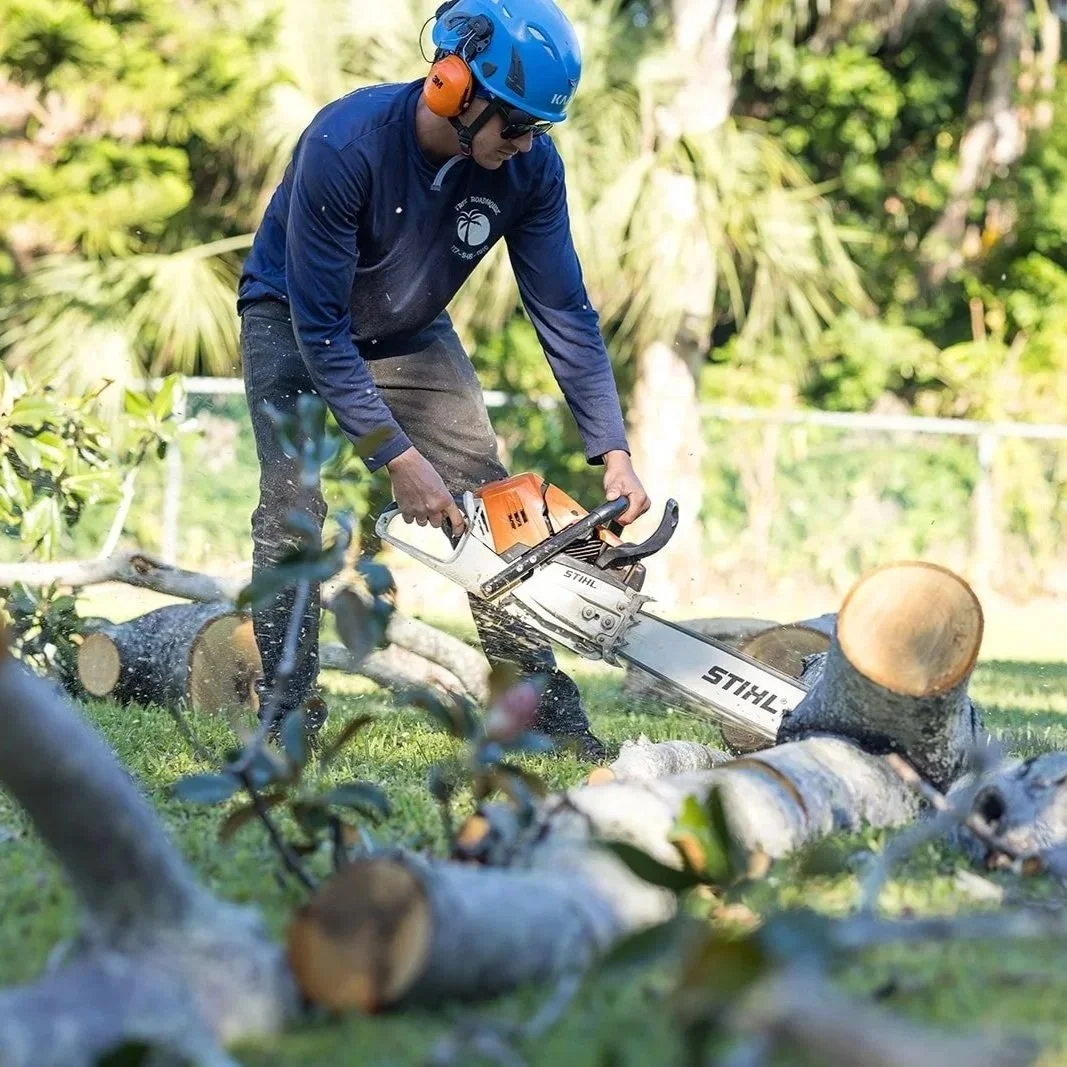
Understanding pruning costs helps homeowners plan ahead—safely maintaining trees is always cheaper than emergency removals, says local arborist.
Why Tree Pruning Costs Matter in Largo, FL
Tree pruning plays a bigger role for Largo homeowners than many people realize, especially in coastal Florida, where growth happens fast, and weather can turn rough with little notice. Regular pruning helps manage tree size, remove weak or hazardous limbs, and keep branches from encroaching on roofs, driveways, and overhead lines. In a city like Largo, where summer storms and seasonal wind events are part of everyday life, properly pruned trees are far less likely to drop limbs or fail under stress. That protection matters not only for property but also for personal safety, neighbors, and passing pedestrians.
Beyond safety, pruning supports long-term tree health. Removing dead or overcrowded growth improves airflow, reduces disease pressure, and encourages stronger branch structure. Landscapes also benefit visually, since maintained trees look intentional rather than overgrown. Costs come into focus because proactive pruning almost always costs less than emergency work. A scheduled pruning visit is usually far more affordable than an urgent call after a limb crashes onto a roof or blocks access following a storm. Homeowners who understand how tree pruning costs work can plan, spread expenses over time, and avoid reactive decisions that often come with higher price tags.
The purpose of this guide is not to provide a single price point, since no such number exists for tree pruning in Largo. Instead, the goal is to explain what goes into an estimate so homeowners can recognize fair pricing, ask better questions, and compare quotes with confidence. Tree pruning costs vary widely based on tree size, species, condition, access, and risk. A small ornamental tree in an open yard looks very different on an invoice than a large oak leaning over a roof or power line. Understanding those differences helps homeowners budget realistically and select qualified professionals rather than focusing only on the lowest number.
Largo-Specific Considerations: Climate, Storms, and Local Rules
Largo’s subtropical climate shapes both how often trees need pruning and how much that work costs. Warm temperatures and frequent rainfall drive rapid growth, especially in species like live oaks, palms, pines, and ornamental shade trees common throughout Pinellas County. Faster growth means branches can outpace previous pruning within a short period, increasing maintenance frequency compared to cooler or drier regions. While that creates recurring costs, routine pruning visits are usually less expensive than letting trees go unmanaged for years.
Storm exposure also influences pricing and scheduling. Hurricane season and summer thunderstorms create predictable demand spikes as homeowners rush to prepare trees before high winds arrive. During these periods, experienced crews are often booked weeks in advance, and rates may reflect increased demand and overtime labor. Utility clearance expectations, HOA guidelines, and municipal rules can add complexity to certain jobs, especially when trees grow close to power lines or public spaces. These local realities make Largo tree pruning different from inland or northern markets and help explain why pricing follows regional patterns rather than national averages.
What Tree Pruning Includes and What It Does Not
Professional tree pruning focuses on safety, structure, and long-term health rather than simply cutting branches back for appearance. Typical services include removing dead or diseased limbs, thinning dense canopies to reduce wind resistance, shaping growth to support proper structure, raising canopies over walkways or driveways, and clearing branches away from roofs, fences, and utility lines. Quotes often include standard cleanup and debris removal, though homeowners should always confirm this detail.
What pruning usually does not include is just as important. Services such as stump grinding, full tree removal, fertilization, pest treatment, or broad landscape cleanup are typically separate line items. Assuming those services are bundled into a pruning quote can lead to confusion and unexpected costs later. Viewing tree pruning as one component of an overall tree care plan allows homeowners to decide which services to combine and which to schedule separately based on budget and priorities.
Pricing Transparency and Local Variation
Tree services in Largo rarely advertise flat rates because every property presents different challenges. Access, tree height, nearby structures, and overall risk all affect labor and equipment needs. Many companies offer free on-site estimates because photos and descriptions often miss details that influence cost. While price ranges provide useful reference points, individual jobs can fall outside those ranges depending on complexity.
Homeowners may encounter hourly pricing or flat-rate quotes. Hourly rates can feel transparent, but leave the final cost uncertain if complications arise. Flat-rate estimates offer clarity but require a well-defined scope to allow meaningful comparisons between providers. Rather than focusing solely on the lowest price, homeowners benefit from considering experience, insurance coverage, equipment quality, and safety practices. In tree pruning, unusually low bids often signal shortcuts that become costly over time.
Typical Tree Pruning Price Patterns in Largo
Small ornamental trees usually sit at the lower end of local pricing, especially when access is easy, and the work involves light thinning or shaping. Medium-sized shade trees tend to fall into a mid-range category, reflecting additional labor, debris handling, and structural decision-making. Large mature trees like live oaks or tall pines typically cost more due to height, canopy spread, and the safety measures required to work near homes or other structures.
Pricing depends as much on the work involved as on tree size alone. Clear drop zones, minimal cutting, and open access keep costs closer to baseline expectations. Jobs requiring heavy limb removal, rigging over roofs, or extensive cleanup push pricing higher. Emergency storm response, advanced decay, or power line hazards generally fall outside standard maintenance pricing altogether.
What Drives Tree Pruning Costs
Tree size is one of the most significant factors because it affects labor, equipment, and time. Taller trees often require climbers or bucket trucks, while wide canopies increase the number of cuts and debris volume. Thick branches demand slower cutting techniques and careful weight management. Regular pruning keeps trees manageable and helps prevent moderate trees from becoming oversized projects that require more complex and expensive work.
Tree species also matter. Live oaks develop heavy limbs and dense branching that require careful structural pruning. Pines concentrate weight higher in the canopy, complicating access. Palms follow different pruning standards and schedules than hardwoods. Crews familiar with local species can plan more efficiently and reduce unnecessary cuts that lead to future problems.
Tree condition also plays a major role. Deadwood, decay, cracks, or storm damage increase risk and require slower, more deliberate work. Neglected trees often require more time to prune and may reveal hidden structural issues once work begins. Accessibility further shapes pricing. Trees in open yards are easier to service than those behind fences, near pools, or in narrow side yards, where debris must be hand-carried and carefully rigged.
Proximity to structures and power lines adds another layer of complexity. Jobs near roofs, vehicles, sidewalks, or neighboring properties demand additional precautions. Working near energized lines requires specialized training and insurance, making qualified professionals essential.
What You’re Paying For Beyond the Cuts
Labor makes up a large portion of any pruning invoice. A professional crew may include a climber or bucket operator, ground crew members who manage ropes and debris, and, sometimes, a supervising arborist. Their coordination protects property and ensures cuts are made safely and correctly. Higher labor costs often reflect training, experience, and insurance coverage rather than inefficiency.
Equipment costs also factor into pricing. Bucket trucks, chippers, saws, climbing gear, and safety equipment require ongoing maintenance, fuel, and replacement. Insurance, licensing, compliance with safety regulations, disposal fees, and general business overhead all contribute to the final price. Extremely low pricing often indicates missing protections or outdated equipment, which shifts risk to the homeowner.
Seasonal Pricing and Weather Effects
Hurricane season significantly affects demand for tree pruning in Largo. As storms approach, schedules fill quickly, and pricing may reflect increased demand. After storms, emergency work takes priority and typically costs more due to urgency and risk. Scheduling maintenance well ahead of peak season often provides more flexibility and avoids premium pricing.
Off-peak periods offer better availability and sometimes more favorable scheduling options. Weather delays from rain or lightning are common and usually reflect responsible safety practices rather than poor planning. Regular seasonal maintenance often reduces long-term costs by preventing emergencies.
Permits, Regulations, and Compliance
Routine maintenance pruning typically does not require permits in Largo, but excessive cutting or work on protected trees may. Some large or native trees are subject to restrictions, and HOA or coastal zone rules can influence scope and timing. Professional companies familiar with local regulations can advise on when permits are required and help homeowners avoid fines or corrective actions that far exceed the cost of proper pruning.
DIY vs. Professional Tree Pruning
Light pruning of small, low branches may be safe for homeowners, but using ladders, power tools, and making overhead cuts introduces serious risk. Injuries, property damage, and disposal challenges often make DIY work more expensive than it appears. Professional help is strongly recommended for large trees, work near structures or power lines, or trees showing signs of weakness.
A balanced approach works well for many homeowners. Handling minor maintenance between professional visits can reduce costs, while leaving structural and high-risk pruning to trained crews preserves safety and tree health. Insurance coverage also differs significantly, with professional services providing liability protection that DIY work does not.
Getting Accurate Estimates and Choosing the Right Service
Preparing information, asking clear questions during on-site estimates, and comparing multiple quotes help homeowners understand fair pricing. Detailed estimates that explain scope, cleanup, insurance, and compliance offer more value than vague, low bids. Reputable providers welcome questions and encourage informed decisions rather than pressure.
Budgeting ahead, bundling services, scheduling during less busy times, and prioritizing safety-critical work all help manage costs. Avoiding shortcuts and unqualified providers prevents expensive problems later.
Tree Pruning Cost FAQs in Largo, FL
Tree pruning costs vary based on tree size, condition, access, and proximity to structures or power lines. Small ornamental trees generally cost less, while large shade trees like live oaks require more labor and equipment. On-site estimates provide the most accurate pricing.
Most trees benefit from pruning every one to three years, depending on species and location. Regular maintenance usually costs less per visit than infrequent, heavy corrective work.
Insurance typically does not cover routine pruning or preventive storm preparation. Coverage usually applies only after damage occurs. Preventive pruning is best treated as a maintenance expense.
Extremely low quotes warrant caution. Ask about insurance, scope, cleanup, and pruning standards. Mid-range quotes from insured, experienced providers often deliver better long-term value than bargain pricing with hidden risks.
