
Understanding Tree Bracing: Key Methods Used by Pros in Largo
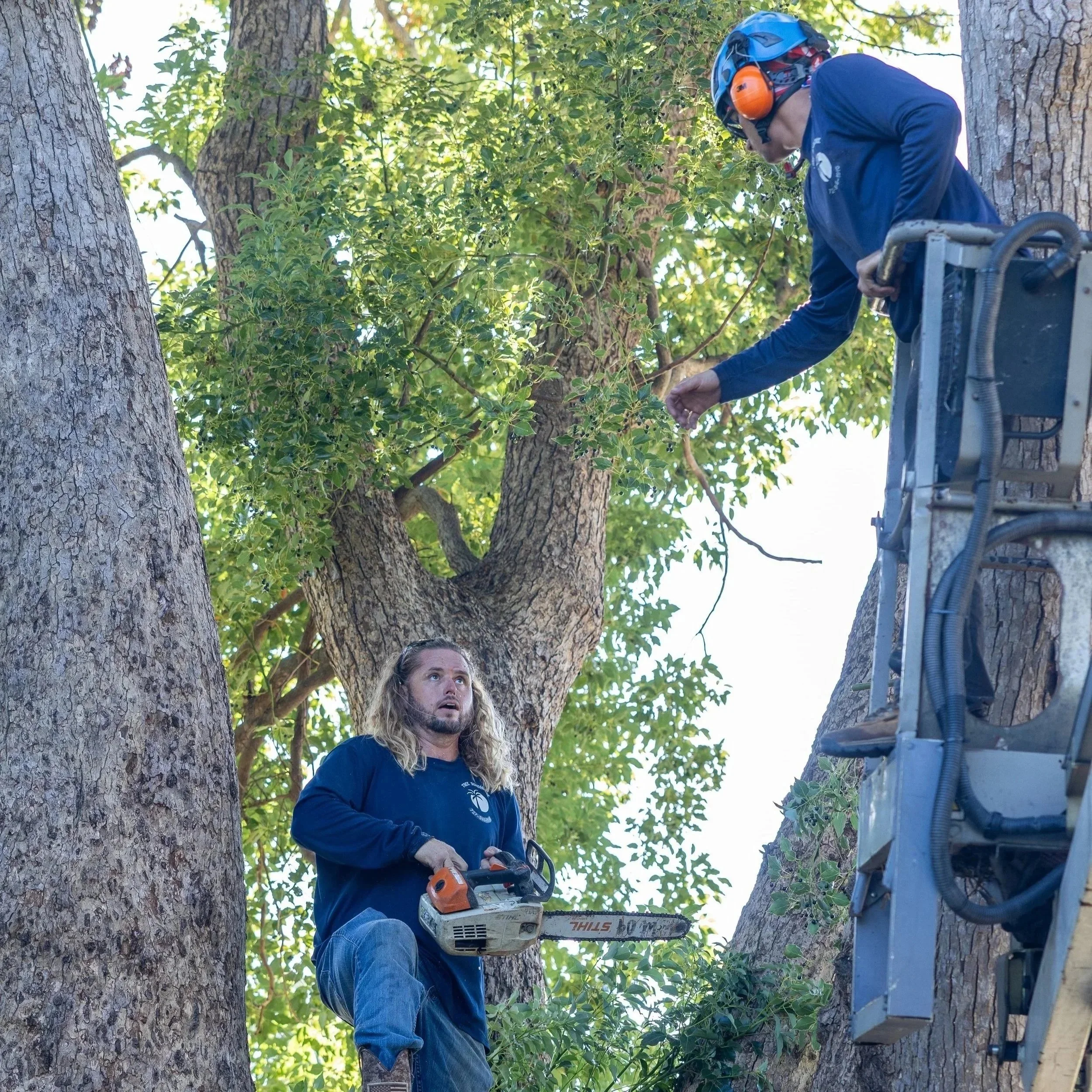
Professional tree bracing helps Largo trees withstand storms by stabilizing weak limbs and preserving mature trees.
Tree bracing is one of those behind-the-scenes techniques most homeowners never think about until a large limb shifts, a crack appears in the trunk, or a storm brings a near miss. In a place like Largo, where strong winds, heavy rain, and tropical storms are part of life, structural weaknesses in trees tend to show up sooner and worsen faster. When done correctly, tree bracing can reduce the risk of failure and help preserve valuable, mature trees that would otherwise need removal.
This guide explains what tree bracing is, how it works, when it makes sense, and how professionals in Largo evaluate, install, and maintain these systems.
Tree Bracing Basics: What It Is and How It Works
Tree bracing is a structural support method used when a tree has internal weaknesses that make it vulnerable to splitting or failing under stress. In real yards, this often shows up as a mature tree with a tight V-shaped split, a long trunk crack, or multiple heavy stems competing for space. Bracing uses rigid hardware, typically threaded rods or bolts, installed directly through the trunk or major limbs to hold those sections together. The goal is not to stop the tree from moving altogether, but to limit separation at critical points where wood fibers have already lost strength.
In Largo’s storm-prone climate, these internal defects tend to worsen quickly once movement increases. When bracing is installed correctly, it works with the tree’s natural growth rather than against it. The rods sit deeper in the structure, reinforcing areas that already show signs of stress. Over time, the tree can add wood around the hardware, helping stabilize the weakened union. Without support, those same defects often lead to progressive cracking, decay, and eventual failure during a storm.
Bracing, Cabling, and Guying: What’s the Difference?
Although the terms are often used together, bracing, cabling, and guying serve different purposes. Bracing provides rigid internal support by inserting rods or bolts through weak unions or cracks. Cabling uses flexible steel or synthetic cables installed higher in the canopy to reduce how far large limbs can move apart during high winds. Guying anchors a tree to the ground and is usually reserved for young or newly planted trees with unstable root systems.
In practice, arborists often combine bracing and cabling. A tree in Largo with a split trunk and heavy upper limbs may need rods to hold the weak union together and cables above to reduce leverage during storms. Guying would not solve those issues, but could be useful for a newly planted tree or one with a compromised root plate.
What Tree Bracing Is Designed to Prevent
Tree bracing is about reducing the chance of a structural failure that could damage property or injure someone. Many failures occur not because a tree is unhealthy, but because growth patterns create stress points that cannot handle repeated movement. Bracing stabilizes those areas, lowering the likelihood that a crack widens or a heavy limb tears away.
Around Largo, common scenarios include large limbs extending over roofs or driveways and mature oaks with co-dominant stems. Bracing allows these trees to remain part of the landscape when removal is not truly necessary. The goal is risk reduction, not making a tree failure-proof. Ongoing pruning, soil care, and monitoring still matter.
How Bracing Affects Structure and Growth
Bracing changes how wind and weight forces move through a tree. Instead of concentrating stress at one weak point, rods and cables help distribute loads across stronger wood. Supported sections move together rather than pulling apart.
Trees continue to grow around installed hardware, and in Largo’s warm, humid climate, that growth can be rapid. This changes load patterns over time, which is why periodic inspections and adjustments are important.
When Bracing Makes More Sense Than Removal
Bracing becomes a practical option when a tree has value beyond appearance alone. Large shade trees, historic specimens, or trees tied to personal memories are common examples. If a tree is otherwise healthy and the risk can be reduced to an acceptable level, bracing can preserve it.
It is not appropriate for every situation. Advanced decay, unstable roots, or a severe lean toward a home or power lines can make support systems ineffective. A certified arborist weighs safety, site conditions, and tree health before recommending bracing.
Common Structural Problems in Largo Trees
Co-dominant stems with narrow, V-shaped unions are a frequent issue, especially in live oaks and laurel oaks. These unions often include bark, which weakens the connection. Bracing rods and cabling can help stabilize these defects.
Cracks and splits from past storms are also common. Some are obvious, while others remain hidden until they worsen. Arborists assess depth, length, and decay before deciding whether bracing can help.
Leaning trees raise concern when combined with decay or poor root anchorage. Sandy soils and heavy rain in Largo can reduce root stability. Bracing addresses above-ground stress but cannot restore lost root strength.
Bracing and Cabling Methods Used by Professionals
Static steel cabling uses non-elastic steel cables installed high in the canopy to limit limb movement. These systems are common for mature trees with serious structural concerns.
Dynamic cabling uses flexible synthetic materials that allow controlled movement and shock absorption. These systems are often chosen for younger trees or situations where preserving natural sway is important.
Through-rod and lag-bolt bracing physically clamp weak unions or cracks together. These internal supports often work alongside cabling to address both movement and structural defects.
Guying stabilizes young or recently transplanted trees by anchoring them to the ground. It is meant as temporary support, not a long-term solution.
How Arborists Assess Trees Before Bracing
A professional assessment begins with a visual inspection of the canopy, trunk, and roots, along with the surrounding property. Arborists consider what sits beneath the tree, such as homes, driveways, and utility lines.
Tools like sounding hammers, resistance drills, and sonic tomography help detect internal decay. Arborists also evaluate risk by considering both the likelihood of failure and the consequences if it occurs.
Bracing is weighed against pruning or removal, and recommendations are based on long-term safety and viability rather than short-term fixes.
How Tree Bracing Is Installed
Installation begins with careful planning of hardware placement. Arborists identify weak points and map how forces move through the tree. Safety planning is part of this process, especially in tight Largo yards with fences, pools, and limited access.
Accessing the canopy requires climbing gear or aerial lifts. Drilling for rods is done precisely to minimize injury to the tree. Hardware is tightened gradually to avoid crushing wood fibers.
Cables are installed and tensioned to allow natural movement while limiting excessive sway. Final inspection and documentation complete the process.
Standards, Regulations, and Best Practices
Professional arborists follow ANSI A300 standards and ISA guidelines. In Largo and Pinellas County, permits may be required for significant tree work, especially on protected or heritage trees.
High-quality, corrosion-resistant hardware matters in humid, salty air. Ethical arborists explain limitations clearly and avoid presenting bracing as a permanent fix.
Maintenance and Monitoring
Braced trees need regular inspections, typically annually and after major storms. Homeowners should watch for rusting hardware, loose cables, new cracks, or unusual movement.
As trees grow, systems may need adjustment or upgrading. Some older systems no longer meet modern standards.
Costs and Budgeting
Costs depend on tree size, defect severity, access difficulty, and hardware type. Preventive bracing is often far less expensive than emergency removals or storm damage repairs.
Homeowners should request detailed written estimates and verify insurance coverage. Budgeting should include ongoing inspections and maintenance.
DIY vs. Hiring a Professional
Tree bracing is not a DIY project. Improper installation can increase risk and liability. Homeowners can safely monitor changes, document conditions, and maintain general tree health, but installation and adjustments should be left to professionals.
Integrating Bracing with Other Tree Care
Structural pruning, soil care, proper watering, and pest monitoring all support the effectiveness of bracing. In Largo, preparing trees for storm season with inspections and pruning is essential.
Succession planning, planting younger trees while preserving older ones, helps maintain long-term canopy cover.
Local Largo Considerations
Largo’s weather, sandy soils, and urban density all influence bracing decisions. High winds, heavy rain, and limited space increase both the need for and complexity of structural support.
Conclusion
Tree bracing is a specialized technique that reduces risk while preserving valuable trees. It is not a cure-all, but it is a powerful tool when used correctly and maintained over time. In Largo’s storm-prone environment, informed decisions, professional assessment, and ongoing care are key to keeping trees both safe and healthy.
FAQs
Warning signs include visible cracks, co-dominant stems with narrow unions, heavy limbs over structures, or prior storm damage. Only a qualified arborist can confirm whether bracing is necessary after inspecting the canopy, trunk, roots, and surrounding property.
That depends on tree health, structural damage, root stability, targets beneath the tree, and long-term goals. Bracing is appropriate when risk can be reduced to an acceptable level. Removal is safer when decay or instability makes support ineffective.
Longevity depends on materials, tree growth, and environmental exposure. Galvanized or stainless steel hardware and quality synthetic cables last longer, but regular inspections are essential. No system should be considered permanent.
Bracing reduces the likelihood of certain failures but cannot guarantee protection during severe events. It should be part of a broader storm-preparedness plan that includes pruning, inspections, and emergency readiness.
