
The Key Benefits of Tree Cabling & Bracing for Largo, FL Properties
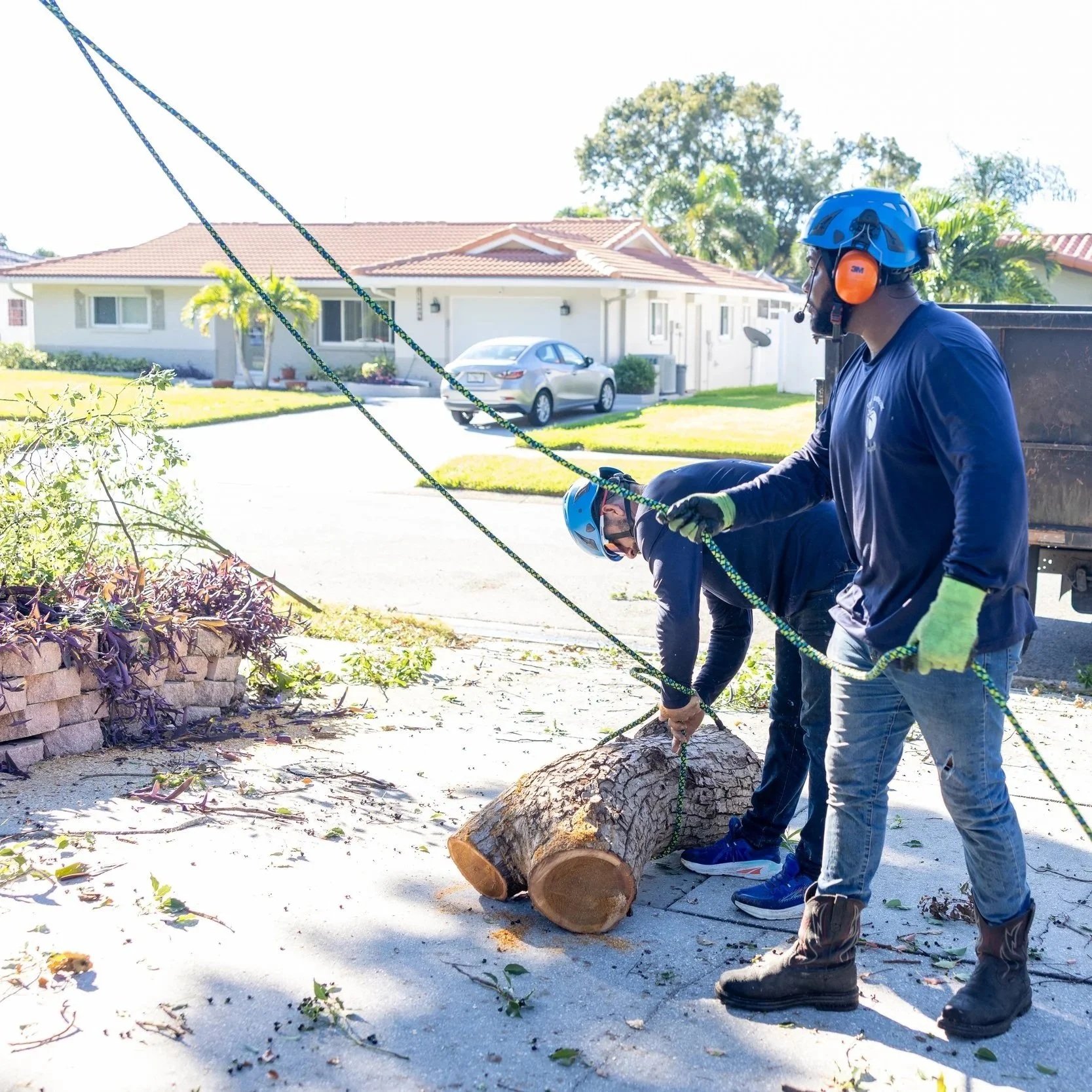
Professional tree cabling and bracing protect Largo properties by stabilizing weakened trees against wind, rain, and storm damage.
Tree cabling and bracing are often misunderstood as cosmetic fixes, but in reality, they are engineered support systems designed to manage real structural risks in mature or storm-damaged trees. In Largo, where heavy rains, strong winds, and hurricane threats are part of everyday life, trees are constantly under mechanical stress, which can expose hidden weaknesses. When done correctly, cabling and bracing reduce the likelihood of limb or trunk failure while preserving valuable canopy that would otherwise require removal.
This guide explains how cabling and bracing work, why they are especially valuable for Largo properties, and how professional installation and maintenance can protect both trees and the people and structures around them.
Understanding Tree Cabling & Bracing: A Practical Overview
What Tree Cabling and Bracing Actually Are
Tree cabling and bracing are structural reinforcement methods used to stabilize weakened trees. Cabling involves installing high-strength steel or synthetic cables in the upper canopy to limit how far heavy limbs can move apart during wind or storms. Bracing uses threaded rods or bolts installed through split trunks or weak unions to hold vulnerable sections together and
prevent further separation.
These systems are not decorative and are not meant to hide problems. They are engineered solutions designed to work alongside pruning and routine tree care. When installed according to ANSI A300 standards, cabling and bracing redistribute mechanical forces caused by wind, rain, and canopy weight. They reduce stress on vulnerable areas while allowing the tree to retain natural movement. In Largo’s climate, where storms repeatedly test structural limits, these systems are often the difference between preserving a mature tree and removing it.
How These Systems Work Together
Cabling and bracing are most effective when used together as part of a single support strategy. Bracing rods reinforce weak points lower in the structure, such as split trunks or co-dominant stems with included bark. Cabling stabilizes upper limbs, limiting excessive sway and reducing leverage on those same weak unions.
A common Largo scenario is a mature oak with a narrow V-shaped trunk split and heavy horizontal limbs above. Bracing rods hold the cracked union together, while cables higher in the canopy reduce movement during storms. Together, they lower the chance of catastrophic failure while preserving the tree’s form, shade, and long-term health.
Common Types of Tree Cabling Systems Used in Largo
Two main cabling systems are commonly used in Largo:
Static steel cabling uses rigid steel cables and hardware to limit limb movement significantly. These systems are best suited to mature trees with serious structural defects, where reducing sway is critical.
Dynamic synthetic cabling uses flexible materials that allow controlled movement and absorb shock loads. These systems are often chosen for younger trees or trees still developing strong wood, where preserving natural sway reduces long-term stress.
Arborists select the system based on species, age, defect severity, and environmental exposure. Largo’s salt air, UV radiation, and hurricane risk all influence which materials and designs are most appropriate for long-term performance.
Tree Bracing Rods and Where They Are Used
Bracing rods are heavy-duty steel bolts or threaded rods installed through split trunks, cracked limbs, or weak unions. They are secured with washers and nuts to hold separated sections together and slow or prevent further splitting.
In Largo, bracing is frequently used on mature live oaks, laurel oaks, and ornamental trees growing close to homes, pools, or driveways. Although bracing hardware is often barely visible, it plays a critical role in preventing failures that could cause serious property damage or injury.
The Role of Professional Arborists in Structural Support
Certified arborists are essential for proper cabling and bracing. They understand tree biomechanics and can distinguish between cosmetic irregularities and true structural defects. Arborists calculate load paths, select appropriate materials, and determine safe hardware placement to avoid injuring the tree or increasing failure risk.
In Largo, arborists also evaluate site conditions, storm exposure, soil stability, and nearby targets such as roofs, walkways, and power lines. Improper DIY installation can compromise the tree, create hidden hazards, and expose homeowners to liability. Professional design and documentation are critical for long-term safety.
Why Largo, FL Properties Specifically Benefit from Cabling & Bracing
Local Weather and Storm Patterns in Largo
Largo’s subtropical climate brings frequent thunderstorms, high winds, and hurricane threats. Heavy rainfall saturates sandy soils, reducing root stability, while gusty winds place extreme mechanical stress on large canopies.
Cabling and bracing help trees tolerate these forces by stabilizing weak points and redistributing loads. When paired with structural pruning, these systems significantly reduce the likelihood of limb failure or trunk splitting during storms.
Common Tree Species in Largo That May Need Support
Many Largo tree species naturally develop structural weaknesses with age. Live oaks, laurel oaks, magnolias, southern pines, and fruit trees often form heavy horizontal limbs, co-dominant stems, or unions prone to splitting.
Urban planting practices, limited rooting space, and improper pruning further increase structural risk. Early professional assessment allows arborists to recommend support systems before failures occur.
Urban and Coastal Conditions Impacting Tree Stability
Salt-laden winds, shallow sandy soils, compacted ground, and fluctuating groundwater all affect root anchorage and canopy stability. Buildings and paved surfaces also alter wind patterns, increasing stress on certain limbs.
Above-ground structural support through cabling and bracing helps offset these pressures, reinforcing vulnerable canopy areas so trees are better equipped to handle daily stress and severe weather events.
Property Value and Neighborhood Appeal Considerations
Mature trees contribute heavily to curb appeal and property value in Largo. Removing a large shade tree can dramatically change a landscape and reduce a home’s visual and financial appeal.
Cabling and bracing safely preserve these trees, allowing homeowners to maintain the established canopy, cooling shade, and neighborhood character without incurring unnecessary risk.
Regulations, Permits, and Local Tree Protection Rules
Largo and Pinellas County regulate tree removal, particularly for protected or heritage trees. Structural support is often viewed favorably as an alternative to removal.
Working with a local arborist helps ensure compliance with city rules, HOA requirements, and permit processes while preserving canopy cover and public safety.
Key Safety Benefits of Tree Cabling & Bracing
Cabling and bracing reduce the risk of falling limbs and trunk failure by stabilizing weak unions
and limiting excessive movement. This is especially important for trees overhanging roofs, driveways, patios, pools, and walkways.
These systems also reduce property owners' liability by demonstrating proactive risk management. Documented inspections and maintenance can be valuable for insurance claims or legal protection.
As part of storm preparedness, cabling and bracing strengthen compromised trees before hurricane season, improving survival rates and reducing post-storm hazards.
Health and Longevity Benefits for Trees
Structural support allows mature and heritage trees to remain standing safely rather than being removed prematurely. Stabilizing weak limbs and unions gives trees time to compartmentalize damage and reinforce defects with new wood.
Cabling and bracing also reduce the need for aggressive pruning that can stress trees,
encourage weak regrowth, and harm aesthetics. This allows arborists to take a more conservative, health-focused pruning approach.
By avoiding unnecessary removals, property owners preserve shade, cooling benefits, stormwater interception, air quality, and wildlife habitat.
Preventing Property Damage and Costly Repairs
Stabilizing overhanging limbs reduces roof damage, gutter wear, broken fences, and repeated minor repairs. It also protects vehicles, boats, lanais, pools, and outdoor kitchens from falling debris.
Emergency removals after storms are far more expensive than preventive support. Over time, cabling and bracing often cost less than repeated repairs, insurance claims, and emergency tree work.
Identifying When a Tree Needs Cabling or Bracing
Warning signs include:
Cracks or splits at major branches
Narrow V-shaped trunk unions
Sagging or twisted limbs
Included bark
Bulging seams
Past break points
Any tree overhanging structures or people should be professionally evaluated. Arborists assess defect size, location, load forces, and failure consequences before recommending support.
How Tree Cabling and Bracing Are Installed
A certified arborist performs a full structural assessment, selects appropriate materials, and plans precise hardware placement.
Cables are installed in the upper canopy to distribute loads and limit excessive sway. Bracing rods are installed through weak unions or cracks to hold sections together.
After installation, the hardware is inspected and adjusted. Documentation is provided for property records and future inspections.
Maintenance and Monitoring After Installation
Cabling and bracing systems require regular inspections, typically annually and after major storms. As trees grow, systems may need to be repositioned, lengthened, or replaced.
Monitoring overall tree health is equally important. Decay, pests, and root disease can undermine structural support effectiveness.
Cost, ROI, and Budgeting for Cabling and Bracing
Costs depend on tree size, accessibility, defect severity, and hardware type. While not inexpensive, cabling and bracing are often far more cost-effective than removing and replacing mature trees.
Proactive risk management may also benefit insurance considerations. Arborists can help
homeowners prioritize high-risk trees first and create phased support plans.
Choosing a Qualified Largo Tree Care Professional
Always hire a certified arborist with experience in structural support. Avoid companies that use chains, ropes, or general hardware.
Ask about certifications, materials, standards followed, insurance coverage, and inspection schedules. Local experience matters in Largo’s unique climate and soil conditions.
Integrating Cabling and Bracing with Other Tree Care Practices
Cabling and bracing work best with:
Structural pruning
Soil care and irrigation
Pest and disease management
Proper species selection and spacing
A long-term tree management plan balances safety, aesthetics, and budget while preserving canopy health.
Conclusion
Tree cabling and bracing offer Largo property owners a way to reduce risk while preserving valuable trees. These systems stabilize weak unions, reinforce vulnerable limbs, and support compromised trunks. Combined with pruning, soil care, and regular inspections, structural supports extend the safe life of mature trees. Professional assessment, installation, and monitoring are essential for long-term success in Largo’s storm-prone environment.
Tree Cabling and Bracing FAQs in Largo, FL
Visible signs include cracks, narrow trunk unions, sagging limbs, included bark, and previous breaks. A certified arborist should evaluate any tree overhanging structures or people.
Yes, when installed correctly. Supports stabilize weak areas and reduce stress while allowing natural growth. Regular inspections ensure ongoing safety.
Lifespan depends on materials, growth rate, and exposure. Steel hardware can last many years, while synthetic systems may need replacement sooner. Inspections determine timing.
No. Cabling and bracing require professional assessment, equipment, and training. Improper installation increases risk and liability.
