
Understanding the Tree Cabling Inspection and Maintenance Process
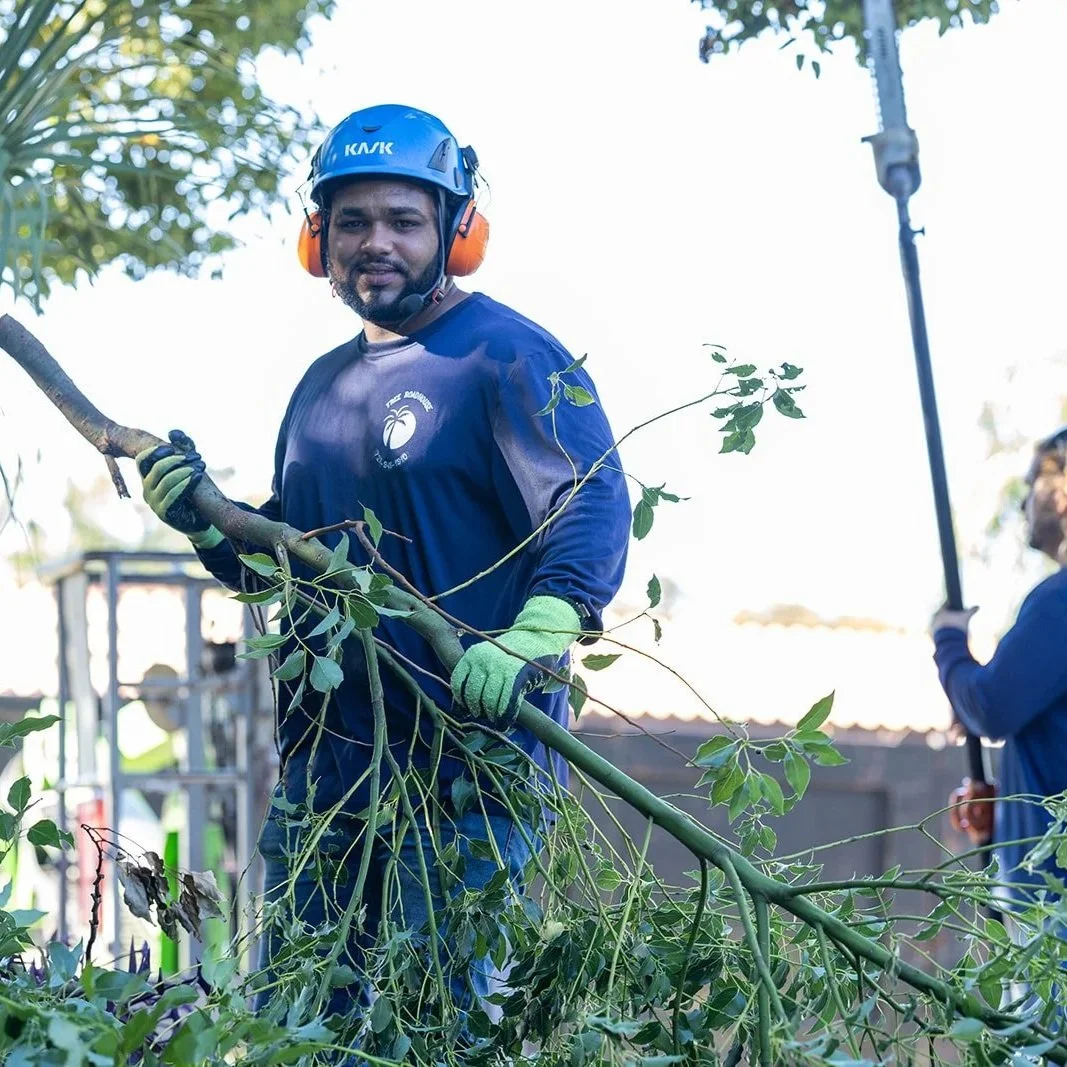
Regular inspection and maintenance keep tree cabling effective, preserving tree health and preventing structural failures in Largo homes.
Introduction to Tree Cabling and Its Role in Long-Term Tree Safety
Tree cabling plays a critical role in managing structural risk for mature or compromised trees that still provide meaningful value to residential and commercial properties. In areas like Largo, FL, where storms, saturated soils, and seasonal wind events repeatedly stress tree structures, cabling often forms part of a broader strategy to preserve trees while reducing the likelihood of failure. When installed correctly and supported by ongoing inspection and maintenance, cabling can extend the functional lifespan of a tree that might otherwise require removal.
What many property owners overlook is that cabling is not a one-time fix. Trees grow, wood responds to stress, and environmental conditions change. Without proper inspection and follow-up care, a cabling system can lose effectiveness or even introduce new risks. Understanding how inspection and maintenance work allows homeowners, property managers, and facilities teams to make informed decisions, ask better questions, and avoid relying on outdated or ineffective support systems.
What Tree Cabling Is and What It Is Not
Tree cabling is a structural support technique that uses high-strength cables and specialized hardware installed within the upper canopy to redistribute mechanical stress. The goal is to reduce excessive movement between weak branch unions or codominant stems and to limit the forces that contribute to cracking, splitting, or limb failure during wind or heavy canopy loads. Cabling does not immobilize the tree. Instead, it allows controlled movement that lowers stress on vulnerable areas.
Cabling differs from bracing, which uses threaded rods through trunks or limbs to resist splitting, and from guying, which anchors trees externally to the ground. It also differs from pruning, which reduces load rather than adding support. Effective tree care often combines these methods, but cabling should never be used to compensate for severe decay, unstable roots, or defects that exceed reasonable safety thresholds. It is a risk-reduction tool, not a guarantee of safety.
Why Inspection and Maintenance Are Essential
Once a cabling system is installed, its effectiveness depends entirely on continued oversight. Trees are living organisms, and their structure changes year after year. Branches thicken, canopies expand, and hardware becomes exposed to weather and biological growth. Without inspection, cables may loosen, corrode, become overgrown by wood, or shift into positions that no longer provide meaningful support.
Routine inspections allow arborists to identify early signs of trouble, including frayed cables, worn clamps, bolts being engulfed by new growth, or new cracks developing near attachment points. Maintenance may involve retensioning cables, replacing aging hardware, repositioning attachment points, or integrating pruning to reduce load. These actions protect people and property while ensuring the cabling system continues to serve its intended purpose rather than creating a false sense of security.
Who Should Understand the Cabling Process
This guide is intended for homeowners, property managers, HOAs, and facilities personnel responsible for trees near buildings, walkways, parking areas, or gathering spaces in Largo, FL. While professional arborists must perform installation and canopy-level inspections, understanding the process helps non-professionals recognize good practices and identify when systems may be overdue for evaluation.
Tree care professionals may also use this framework when explaining cabling programs to clients. A shared understanding of inspection cycles, limitations, and long-term planning improves communication and supports safer decision-making over time.
Tree Anatomy and Structural Defects Relevant to Cabling
The tree's structure determines how forces move through the canopy and the trunk. Arborists evaluate trunks, primary leaders, scaffold branches, branch unions, and the root flare to understand how loads from wind and weight are distributed. Weakness in any of these areas can compromise overall stability, even if the tree appears healthy from a distance.
Cabling is most commonly considered for codominant stems with included bark, narrow branch unions, long overextended limbs, and heavy lateral branches positioned over targets. These defects may develop early due to poor branch structure or later due to storms, improper pruning, or uneven growth. Understanding these patterns helps explain why arborists focus on certain areas during inspections and why cabling placement is highly specific rather than arbitrary.
Biological Health Versus Structural Stability
A common misconception is that a healthy-looking tree is structurally sound. In reality, biological vigor and structural integrity are separate considerations. A tree with dense foliage and strong growth can still contain internal decay, weak attachments, or stress fractures that increase failure risk. Conversely, a tree with minor health issues may remain structurally stable.
Arborists assess both factors when determining whether cabling is appropriate. A biologically vigorous tree with correctable structural defects is often a strong candidate for cabling. A declining tree with extensive decay may not justify long-term investment in support systems. Inspection decisions must balance safety, tree condition, and realistic expectations about longevity.
Species-Specific and Site Considerations
Tree species influence both defect patterns and cabling effectiveness. Some species common in Largo develop wide-spreading canopies with heavy limbs, while others form narrow unions prone to splitting. Growth rates, wood strength, and decay resistance all affect how trees respond to support systems over time.
Site conditions matter just as much. Soil compaction, drainage issues, construction activity, and proximity to structures all influence stability and inspection priorities. Arborists familiar with Largo’s species mix and environmental conditions are better equipped to design inspection and maintenance plans that reflect local realities rather than generic assumptions.
Risk Assessment and Target Evaluation
Tree risk assessment considers not only the likelihood of failure but also what the tree could strike if it fails. Targets include people, homes, vehicles, utilities, and high-use areas. A structurally compromised tree in an open field may pose little concern, while a similar tree over a driveway or playground may require immediate attention.
Cabling is one option among many for managing risk. Access restriction, pruning, or removal may be more appropriate. Understanding targets helps prioritize inspection frequency and determine whether continued cabling remains justified as conditions change.
Pre-Inspection Preparation and Safety Planning
Effective inspection begins with preparation. Arborists gather tree and site history, including past pruning or cabling work, storm damage, nearby construction, and previous failures. Old photos, invoices, and reports help identify trends and guide evaluation.
Safety planning is integral to inspection. Arborists assess hazards such as power lines, unstable limbs, uneven terrain, and pedestrian traffic before beginning work. Some inspections can be completed from the ground with binoculars or cameras, while others require climbing or using an aerial lift. Proper planning ensures inspections are thorough without unnecessary risk.
The Tree Cabling Inspection Process
Inspections typically start with a ground-level assessment. Arborists observe overall tree form, canopy balance, lean, and visible defects such as cracks, cavities, fungal growth, or root disturbances. Surrounding targets are evaluated simultaneously to establish an initial risk profile.
Closer examination follows, focusing on known or suspected defects. Codominant stems, weak unions, and long limbs are evaluated for severity and progression. Existing cables and hardware are inspected for tension, wear, corrosion, and growth interference. If canopy access is required, arborists assess attachment points, angles, and subtle defects that are not visible from the ground.
Findings are documented with notes and photographs, creating a baseline for future inspections. Recommendations may include maintaining, adjusting, upgrading, or removing support systems, as well as integrating pruning or other care measures. Clear documentation supports informed decision-making and responsible risk management.
Ongoing Maintenance and Adjustment
Cabling systems require periodic adjustment as trees grow and conditions change. Retensioning ensures cables provide support without restricting natural movement. Cables that are too loose offer little benefit, while overly tight systems can increase stress and cause damage.
Hardware may also need to be replaced over time due to corrosion, wear, or changes in standards. Maintenance often includes coordinating pruning to reduce load and rebalance the canopy, thereby improving overall stability and reducing reliance on support systems. Viewing maintenance as an ongoing commitment rather than an occasional task is essential for long-term effectiveness.
Tree Growth and Long-Term Implications
Trees grow around installed hardware through compartmentalization, gradually engulfing bolts and rods. While this is a natural process, it can complicate inspection and introduce hidden stress points if not anticipated. Skilled arborists plan for growth during installation and adjust systems as the tree matures.
As canopies expand and weight increases, original cabling configurations may become inadequate. Periodic reassessment ensures support systems remain aligned with the tree’s current size and structure. Long-term planning also considers the tree’s remaining lifespan and whether continued investment in support remains practical.
Safety During Inspection and Maintenance
Tree cabling inspection and maintenance involve inherent risks. Qualified professionals use appropriate personal protective equipment and follow strict safety protocols when climbing or operating aerial lifts. Work near utilities or structures requires additional precautions and, in some cases, coordination with utility providers.
Property owners should expect visible safety measures, including exclusion zones, clear communication, and controlled debris management. These practices protect both workers and occupants and are a hallmark of professional tree care.
Professional Involvement Versus Homeowner Monitoring
Homeowners can assist by making basic ground-level observations and noting changes, such as sagging cables, visible cracks, or sudden limb movement. These observations help prompt timely professional evaluation, but should never extend to adjustments or climbing.
All installation, adjustment, and detailed inspection tasks require certified arborists with training in tree biomechanics and safety systems. Improper intervention can increase risk rather than reduce it.
Costs, Planning, and Documentation
Cabling costs vary based on tree size, system type, accessibility, and inspection needs. Ongoing inspections and occasional hardware replacement should be included in long-term budgets. Treating tree care as routine property maintenance helps prevent deferred work and emergencies.
Maintaining documentation of inspections, recommendations, and maintenance demonstrates due diligence and supports insurance and liability considerations. Records also provide continuity as trees and ownership change over time.
Environmental and Ethical Considerations
Cabling can preserve mature trees that provide shade, habitat, and environmental benefits, supporting Largo’s urban canopy. Preservation must always be balanced with safety, particularly in high-target areas.
Ethical decision-making requires honest communication about limitations. When a tree cannot be made reasonably safe, removal may be necessary despite emotional or aesthetic considerations. Responsible stewardship prioritizes human safety while respecting environmental values.
Designing a Long-Term Cabling Inspection Plan
A comprehensive plan includes inventorying trees, identifying defects and targets, setting inspection intervals, and coordinating cabling with pruning and other care practices. Inspections should occur on a regular schedule and after major storms or site changes.
Plans should be reviewed periodically as trees grow and conditions evolve. Adaptive management ensures cabling strategies remain aligned with safety goals and landscape objectives over time.
Conclusion
Tree cabling inspection and maintenance are essential components of responsible tree risk management. Cabling can significantly reduce failure risk when paired with proper system selection, routine inspection, and thoughtful long-term planning. Understanding tree structure, growth, and the limits of support systems helps property owners make informed decisions and avoid complacency.
By working with qualified arborists, maintaining documentation, and committing to ongoing care, property owners in Largo, FL can preserve valuable trees while protecting people and property. Cabling is not a guarantee, but when managed correctly, it is a powerful tool for extending the safe life of structurally challenged trees.
Tree Cabling Inspection & Maintenance FAQs
Most systems should be inspected annually, with additional checks after severe storms or significant site changes. High-risk trees may require more frequent evaluation.
Homeowners can perform basic visual checks from the ground, but certified arborists must handle all adjustments, climbing, and detailed inspections due to safety and technical complexity.
Lifespan varies based on materials, growth, and environmental exposure. Regular inspections identify when components need adjustment or replacement.
No. Cabling reduces risk but cannot eliminate it. It should be part of a broader risk management strategy rather than viewed as a guarantee.
