
How to Find Qualified Tree Cabling Professionals in Largo, FL
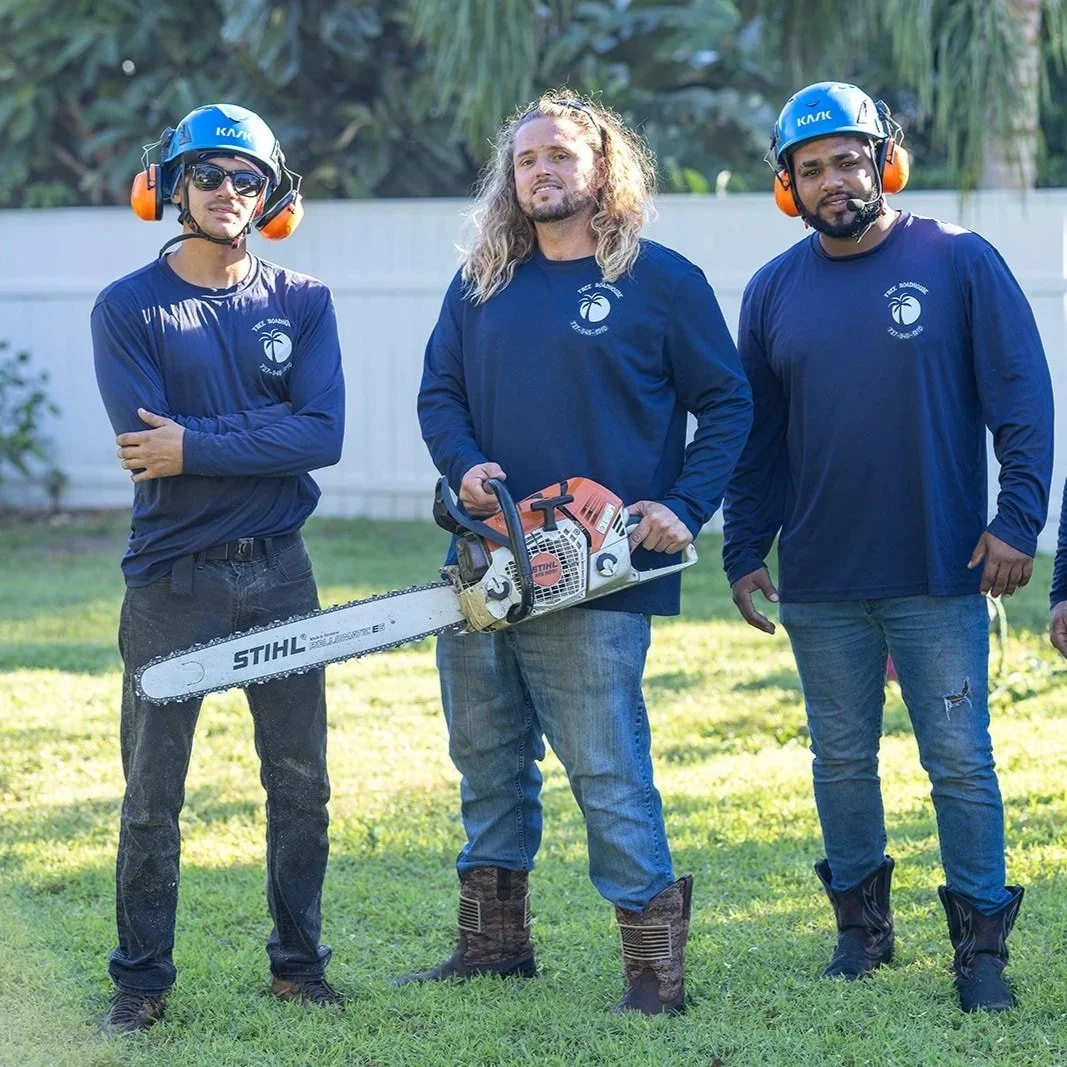
Qualified tree cabling professionals help Largo homeowners protect mature trees from storm damage and structural failure.
Understanding Tree Cabling and Why It Matters in Largo, FL
Tree cabling is a structural support technique used to stabilize trees with weak branch unions, multiple trunks, or heavy limbs that place excessive stress on the tree’s framework. Properly installed cabling systems use high-strength materials and precise placement to redistribute load and reduce the likelihood of limb or trunk failure. This work is not improvised or cosmetic. It requires a working understanding of tree biomechanics, growth patterns, and long-term structural behavior, especially in environments where weather regularly tests tree stability.
In Largo, FL, tree cabling is essential due to the region’s subtropical climate. High winds, saturated soils, intense summer storms, and hurricane threats repeatedly stress mature trees. Trees that might remain stable in calmer regions often develop progressive weaknesses in Largo’s conditions. Qualified tree cabling professionals understand these regional pressures and design support systems that work with local species, soil behavior, and storm patterns rather than against them.
Common Tree Conditions in Largo That Often Require Cabling
Many Largo properties contain mature trees that have grown without early structural correction. Multi-trunk trees with codominant stems are common, particularly among oaks and ornamental species. These trunks often form narrow unions with included bark, which lack strong connective tissue and are prone to splitting as the tree grows and sways in the wind.
Another frequent issue involves large lateral limbs extending over homes, driveways, play areas, or parking spaces. These limbs experience greater leverage forces and are more likely to fail during storms. Past storm damage, even when partially healed, can also leave hidden weaknesses that compromise long-term stability. Professional cabling allows property owners to preserve valuable shade trees while managing these risks proactively rather than reacting after failure.
Tree Cabling Versus DIY Solutions
Tree cabling is not a task suited to improvised solutions. Proper installation requires working at height, evaluating load paths, selecting appropriate hardware, and placing cables at precise locations to achieve the intended structural effect. Certified professionals understand how to minimize wounding, avoid stress concentration, and account for future growth when installing support systems.
DIY attempts using rope, chain, or hardware-store materials often create more harm than benefit. Improper tensioning can girdle limbs, encourage decay, or give a false sense of security that delays necessary professional intervention. In contrast, professional tree cabling provides documented work that aligns with industry standards, improves safety outcomes, and supports long-term tree health rather than undermining it.
When Cabling Makes Sense and When It Does Not
Cabling is most appropriate when a tree is generally healthy but exhibits specific, manageable structural defects. Trees with sentimental value, significant canopy benefits, or important landscape roles often qualify for cabling when removal would otherwise be the only alternative. In these cases, cabling helps retain the tree while reducing risk to nearby targets.
However, not every tree can or should be saved through cabling. Severe internal decay, root failure, advanced disease, or major trunk fractures may make removal the safer and more responsible option. Qualified arborists in Largo provide risk-based assessments rather than defaulting to either cabling or removal, helping property owners balance safety, cost, and long-term outcomes realistically.
Climate and Storm Considerations in Largo, FL
Largo’s weather patterns play a major role in determining cabling needs. Saturated soils reduce root anchorage, making trees more vulnerable to windthrow. Repeated storm exposure compounds stress on weak unions and overextended limbs, increasing the likelihood of failure over time rather than in a single dramatic event.
Local professionals understand which species are more prone to storm-related breakage and where typical failure points develop. Cabling systems designed without consideration of regional wind loads or soil behavior may fail prematurely. Hiring a professional with Largo-specific experience ensures cabling strategies account for both immediate and cumulative environmental stress.
Recognizing When a Tree May Need Cabling
Visible structural defects are often the first clues. Narrow V-shaped branch unions, cracking or splitting at attachment points, sagging limbs, and asymmetrical canopy growth all indicate uneven stress distribution. Homeowners can often spot these signs from the ground, especially after periods of heavy wind.
Storms can also reveal new risks. Leaning trunks, fresh cracks, hanging branches, or changes in canopy position may indicate internal compromise even if the tree remains standing. Less obvious indicators include slowly widening unions, repeated minor limb loss, or subtle changes in branch angle over time. These patterns often emerge only through observation and professional evaluation, underscoring the importance of periodic inspections for mature trees in Largo.
The Role of Professional Assessments
Professional assessments go beyond visual inspection. Qualified arborists evaluate tree structure, species characteristics, soil conditions, surrounding targets, and the probability of failure under typical and extreme weather scenarios. They may also assess historical damage, growth patterns, and the tree’s ability to compartmentalize defects.
In Largo, high-risk trees near structures, play areas, or walkways should be inspected every one to three years and after major storms. Preventative assessments cost far less than emergency response and provide property owners with clear, documented guidance on whether cabling, pruning, monitoring, or removal is appropriate.
Credentials That Matter for Tree Cabling Professionals
Tree cabling requires more than general tree service experience. Certified arborists have formal training in tree biology, structural support systems, and risk assessment. Credentials such as ISA Certified Arborist or ISA Tree Risk Assessment Qualification demonstrate a commitment to industry standards and ongoing education.
Professional memberships and certifications also indicate accountability. Qualified professionals should be able to explain how their training informs cabling design and how they apply recognized standards to real-world situations. In Largo, choosing a credentialed professional significantly improves the quality and durability of cabling outcomes.
Experience and Specialization in Cabling Work
Not all tree companies perform cabling regularly. Homeowners should ask how frequently a company installs cabling systems and which types of trees it commonly supports. Experience with local species matters, as wood strength, growth habits, and failure patterns vary widely.
Professionals who routinely perform cabling can clearly describe their methodology, discuss trade-offs, and explain how they manage long-term maintenance. This level of specificity reflects practical experience rather than theoretical knowledge alone.
Licensing, Insurance, and Legal Compliance in Largo
Tree work carries inherent risk, making proper licensing and insurance essential. Companies operating in Largo must hold appropriate business registrations and comply with local regulations. Homeowners should verify that licenses are current and issued to the correct legal entity.
Insurance is equally important. General liability insurance protects against property damage or third-party injury, while workers’ compensation covers crew injuries. Hiring uninsured or underinsured providers exposes homeowners to significant financial and legal risk. Reputable professionals provide proof of coverage without hesitation.
Researching Tree Cabling Companies in Largo
Local search tools, professional directories, and regional listings provide a starting point. Companies that explicitly mention tree cabling, structural support, or bracing are more likely to have relevant expertise. Reviewing photos, service descriptions, and years of operation helps narrow the field.
Professional directories such as the ISA Find an Arborist tool offer an additional layer of verification. Cross-referencing these sources with local reviews helps identify companies that combine credentials with practical experience in the Largo area.
Evaluating Reputation and Reviews
Reviews should be read for substance rather than star ratings alone. Feedback that references structural work, consultations, explanations, and follow-up inspections is especially valuable. Consistent comments about professionalism, communication, and safety practices indicate reliability.
Patterns matter more than isolated opinions. Repeated praise or recurring concerns across multiple platforms often reflect true performance trends. Homeowners should also request references for similar cabling projects and ask detailed questions about outcomes and long-term satisfaction.
Key Questions to Ask Before Hiring
Qualified professionals welcome detailed questions. Homeowners should ask who will perform the work, whether a certified arborist will be involved, and how cabling decisions are made. Questions about materials, placement, and expected outcomes reveal how thoughtfully the company approaches structural support.
Follow-up care is another critical topic. Cabling systems require periodic inspection as trees grow and conditions change. Professionals should explain inspection intervals, adjustment needs, and how future risks will be managed. Clear answers demonstrate long-term accountability rather than one-time installation.
Understanding Estimates and Proposals
A professional estimate should clearly outline the scope of work, including which trees and limbs will be supported, what hardware will be used, and whether pruning or cleanup is included. Vague proposals make it difficult to compare services accurately.
Cost comparisons should consider credentials, experience, materials, and thoroughness rather than price alone. Extremely low bids often reflect shortcuts that compromise safety or longevity. Clear payment terms, realistic schedules, and written agreements protect both parties and reduce misunderstandings.
What to Expect During On-Site Consultations
During consultations, arborists should examine the tree from multiple angles, discuss observed defects, and explain risk factors in plain language. They should also consider site conditions, nearby targets, and homeowner priorities when recommending cabling or alternative solutions.
Written assessments or summaries provide valuable documentation. These records help homeowners compare opinions, plan future care, and demonstrate responsible management for insurance or real estate purposes.
The Tree Cabling Process Explained
Before installation, crews plan access routes, establish safety zones, and coordinate any necessary pruning. During installation, professionals work methodically to place hardware correctly, tension cables appropriately, and preserve natural movement.
Cabling often pairs with pruning to reduce load and rebalance the canopy. After installation, crews inspect connections, clean the site, and walk homeowners through what was installed and what to monitor going forward.
Safety, Liability, and Property Protection
Professional crews follow strict safety protocols, including the use of protective equipment, exclusion zones, and controlled tool handling. These practices protect workers, residents, and the surrounding property.
Homeowners should also maintain documentation after the job, including contracts, photos, and inspection recommendations. These records support future maintenance decisions and protect if questions arise years later.
Long-Term Care After Cabling
Cabling systems are not permanent fixes. Trees grow, hardware ages, and storms alter conditions. Regular inspections ensure cables remain effective and do not create new stress points.
Supporting overall tree health through proper watering, mulching, pest management, and strategic pruning enhances the effectiveness of cabling. Periodic reassessment also helps determine when continued cabling remains appropriate versus when removal becomes the safer option.
Local Considerations for Largo Properties
Largo’s tree population includes species with varied structural traits. Local expertise helps ensure cabling strategies align with species-specific behavior. Pre-storm inspections and seasonal planning further reduce risk.
Neighborhood rules or HOA requirements may also influence tree work. Experienced professionals help navigate approvals and provide documentation to support compliance while preserving mature trees that contribute to property value and neighborhood character.
Making the Final Decision
Choosing a tree cabling professional involves balancing cost, credentials, experience, and communication quality. Slightly higher costs often reflect better materials, safer practices, and more reliable long-term outcomes.
Preparing the property, confirming details in writing, and building an ongoing relationship with a trusted arborist transform cabling from a one-time service into part of a proactive tree care strategy that protects both trees and property.
FAQs About Finding Qualified Tree Cabling Professionals in Largo, FL
Costs vary based on tree size, complexity, access, and whether pruning is included. Multiple written estimates help establish fair pricing for the specific situation.
Hardware can last many years, but inspections and adjustments are required as trees grow and after major storms. Cabling is a managed system, not a permanent installation.
Cabling reduces risk but cannot eliminate it entirely, especially during extreme weather. It works best as part of a broader tree risk management plan.
Keep a safe distance from damaged trees and contact a qualified professional immediately. Prompt assessment helps stabilize risks safely and effectively.
