
Understanding the Consequences of Ignoring Tree Cabling Needs
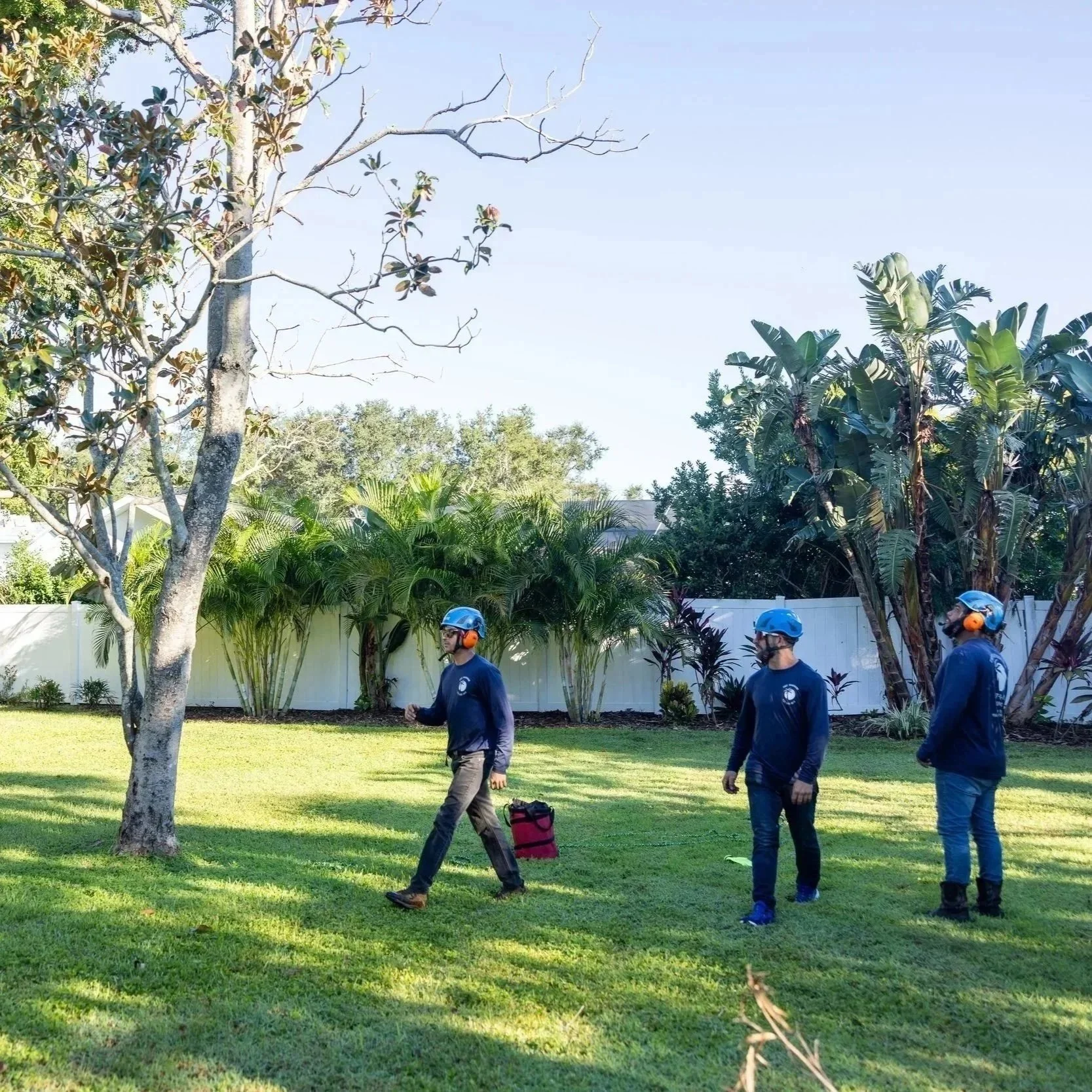
Tree cabling safeguards weak branches, reducing storm damage and protecting property while preserving tree health in Largo, FL.
Introduction: Why Tree Cabling Matters More Than Most Property Owners Realize
Tree cabling is a structural support method designed to stabilize trees with weak limbs, vulnerable branch unions, or compromised trunks. Using high-strength steel cables or dynamic support systems installed high in the canopy, cabling redistributes mechanical stress. It reduces the likelihood of failure during storms or periods of heavy wind. Unlike pruning, which removes weight, or bracing, which involves rods installed through the trunk, cabling works with the tree’s natural movement to manage load without drastically altering its form. It is a preventative measure rooted in safety, longevity, and risk management rather than appearance.
For property owners in Largo, FL, where seasonal storms, saturated soils, and high winds are recurring realities, tree cabling is crucial for protecting trees and the areas around them. Many trees that appear outwardly healthy may still contain hidden structural weaknesses that only become obvious when a major limb fails. Ignoring recommended cabling often shifts maintenance from manageable to emergency response, resulting in avoidable damage, expense, and the loss of mature trees.
Common Misconceptions About Tree Stability
One of the most persistent misconceptions is that size and age equal strength. Large trees with full canopies are often assumed to be stable simply because they have stood for decades. Another common belief is that survival through previous storms proves long-term safety. In reality, trees accumulate stress over time. Internal decay, weak branch unions, and past storm damage may compromise the structure long before visible symptoms appear.
These assumptions delay professional evaluations and lead to missed opportunities for early intervention. Structural failures that seem sudden are usually the result of slow, progressive weakening. Understanding that visual health does not always reflect structural integrity is essential for recognizing when tree cabling may be necessary.
Understanding Tree Cabling: What Property Owners Should Know
Tree cabling works by installing cables between selected limbs or stems to limit excessive movement and reduce stress at weak attachment points. The system allows the tree to sway naturally while preventing excessive motion that can lead to splitting or breakage. Properly designed cabling reduces risk without creating rigidity that can transfer stress elsewhere in the tree.
There are two primary cabling approaches. Static systems use steel cables to significantly limit movement and are typically used when defects are severe. Dynamic systems allow more flexibility and are often selected for younger trees or moderate structural concerns. Choosing the correct system depends on species, growth patterns, site conditions, and defect severity. Improper system selection or placement can increase failure risk, which is why professional involvement is critical.
Structural Tree Problems That Often Require Cabling
Co-dominant stems are one of the most common reasons arborists recommend cabling. These occur when two or more main stems grow from the same point, creating narrow unions with included bark that lack strong connective wood. Over time, outward growth and wind loading increase the likelihood of splitting. Cabling helps reduce this outward force and stabilizes the union.
Overextended limbs present another frequent concern, particularly when they hang over homes, driveways, or walkways. These limbs experience increased leverage and are more likely to fail during storms. Cabling can redistribute its load to stronger portions of the canopy, reducing failure risk without removing the limb entirely.
Trees with old storm damage or a history of improper pruning are also candidates. Past wounds, cracks, or poorly executed cuts can weaken attachment points in ways that are not immediately obvious. Cabling helps compensate for these compromised areas and prevents delayed failures that often occur years after the original damage.
Hidden Risks of Ignoring Tree Cabling Needs
Some of the most dangerous tree defects are invisible from the ground. Internal decay, hairline cracks, and weakened fibers can exist beneath intact bark and healthy foliage. These silent failures often go unnoticed until a storm or heavy wind triggers a catastrophic break.
As trees grow, minor defects rarely stay small. Increased weight, leverage, and wind resistance compound existing weaknesses. Cabling is most effective when installed early, before defects escalate. Ignoring early recommendations allows manageable risks to evolve into major hazards that may no longer be correctable.
Another risk comes from false confidence. Healthy foliage and seasonal growth can mask serious structural issues, leading property owners to underestimate danger. In landscapes with multiple mature trees, one failure can damage neighboring trees and structures, compounding risk across the property.
Safety Consequences of Neglected Cabling
Unaddressed cabling needs create real safety hazards. Falling limbs can seriously injure or kill people, particularly in yards, parking areas, walkways, or common spaces. Large branches can fall without warning and generate significant force upon impact.
Structures are also at risk. Homes, garages, fences, sheds, and vehicles can sustain extensive damage from falling limbs or partial tree failures. Even a single incident can result in thousands of dollars in repairs, insurance claims, and prolonged disruption.
Blocked access is another overlooked consequence. Fallen limbs can obstruct driveways or private roads, delaying emergency response during storms. On commercial or HOA-managed properties, unaddressed tree hazards increase liability exposure and reputational risk.
Financial and Legal Consequences of Ignoring Cabling
Emergency tree failures almost always cost more than proactive care. Emergency removal, debris hauling, and urgent repairs are priced higher, particularly after storms when demand is high. These costs often exceed the expense of scheduled cabling and inspections many times over.
Insurance coverage may also be affected. While sudden damage is often covered, claims can be challenged if insurers determine that known hazards were ignored. Documented arborist recommendations and maintenance records help demonstrate responsible management, while inaction can weaken claim outcomes.
Legal liability is another serious concern. Property owners have a duty to address known risks. Ignoring professional advice to cable a tree increases exposure if injuries or property damage occur. Settlements, legal fees, and judgments can far outweigh the costs of preventive maintenance.
Ecological and Landscape Impacts
Neglecting cabling can lead to premature loss of mature or heritage trees that provide shade, wildlife habitat, and visual character. Replacement trees cannot replicate these benefits for decades. Sudden canopy loss also alters microclimates, increasing sun exposure, heat, and wind on surrounding plants and structures.
Falling limbs often damage lawns, gardens, and hardscape features, undoing years of landscape investment. Wildlife dependent on mature trees for nesting and shelter may be displaced. Thoughtful cabling preserves not only individual trees but also the broader ecological and aesthetic value of the property.
Recognizing When a Tree May Need Cabling
Visible warning signs include narrow branch unions, visible cracks, splitting bark, and heavy limbs extending over high-value targets. Past storm damage, noticeable lean, or changes in canopy balance also warrant evaluation.
Because many defects are not visible, regular professional inspections are essential. Mature trees in Largo should be assessed every one to three years and after major storms. Early detection enables lower-risk, lower-cost interventions.
Proactive Cabling Versus Waiting for Failure
The cost of professional cabling is predictable and budgetable, especially when incorporated into routine tree care planning. In contrast, the financial impact of unexpected failure includes emergency services, property repairs, insurance deductibles, and potential legal exposure.
Cabling extends the functional lifespan of valuable trees, preserving shade, property value, and landscape continuity. Viewing cabling as an investment rather than an expense reframes its value. Each additional year of safe service provides returns that replacement trees cannot immediately match.
Why DIY Cabling and Ignoring Professional Advice Is Risky
Tree cabling requires an understanding of load dynamics, species-specific wood strength, proper hardware, and placement. Incorrect installations can worsen stress and accelerate failure. Common DIY mistakes include improper hardware, incorrect cable height, and inadequate tensioning.
Non-professional work also increases liability. Insurance providers and courts may view DIY structural modifications unfavorably if failure occurs. Even properly installed systems require ongoing inspection and adjustment as trees grow, which is often overlooked without professional oversight.
Working With an Arborist to Address Cabling Needs
Qualified arborists assess risk based on tree biology, structure, site conditions, and targets. A thorough assessment may include visual inspection, decay-detection tools, and an evaluation of the likelihood of failure. Arborists then recommend options ranging from monitoring to cabling or removal.
A clear cabling plan should explain placement, system type, and follow-up requirements. Property owners should maintain documentation of assessments and work performed to support long-term care continuity and liability protection.
Integrating Cabling Into a Proactive Tree Care Plan
Cabling works best when combined with strategic pruning that reduces weight and wind resistance. Regular inspections ensure hardware remains effective and adapts to tree growth. High-risk trees near structures or high-traffic areas should be prioritized.
Education also matters. Informing residents, tenants, or staff about tree safety and cabling systems helps prevent interference and encourages awareness during storms. After major weather events, reassessing cabled trees ensures new issues are addressed promptly.
Conclusion: Making Proactive Decisions About Tree Cabling
Tree cabling is a preventative tool that reduces risk, preserves mature trees, and protects people and property. While it cannot eliminate all risk, ignoring cabling needs significantly increases the likelihood of injury, damage, and costly emergencies. In storm-prone areas like Largo, proactive assessment and timely intervention are essential components of responsible tree care.
By working with qualified arborists, documenting care, and integrating cabling into long-term maintenance plans, property owners protect their landscapes, finances, and peace of mind. Proactive decisions today prevent avoidable losses tomorrow.
FAQs About Ignoring Tree Cabling Needs
Only a certified arborist can accurately assess structural risk. Visible signs, such as weak unions or overextended limbs, indicate concern, but a professional evaluation is necessary, especially near buildings or high-traffic areas.
No. Trees with severe decay, extreme lean, or multiple major defects may be safer to remove. Arborists weigh health, structure, and location before recommending cabling or removal.
Cabling systems require periodic inspection, usually every one to three years, and after major storms. Hardware may need adjustment as trees grow. Installing cabling without follow-up reduces effectiveness.
Ignoring professional advice increases the risk of tree failure, injury, property damage, and legal liability. While failure is not guaranteed, inaction means accepting a higher and often avoidable level of risk.
