
Trimming vs. Pruning: The Branch Debate That Shapes Every Landscape
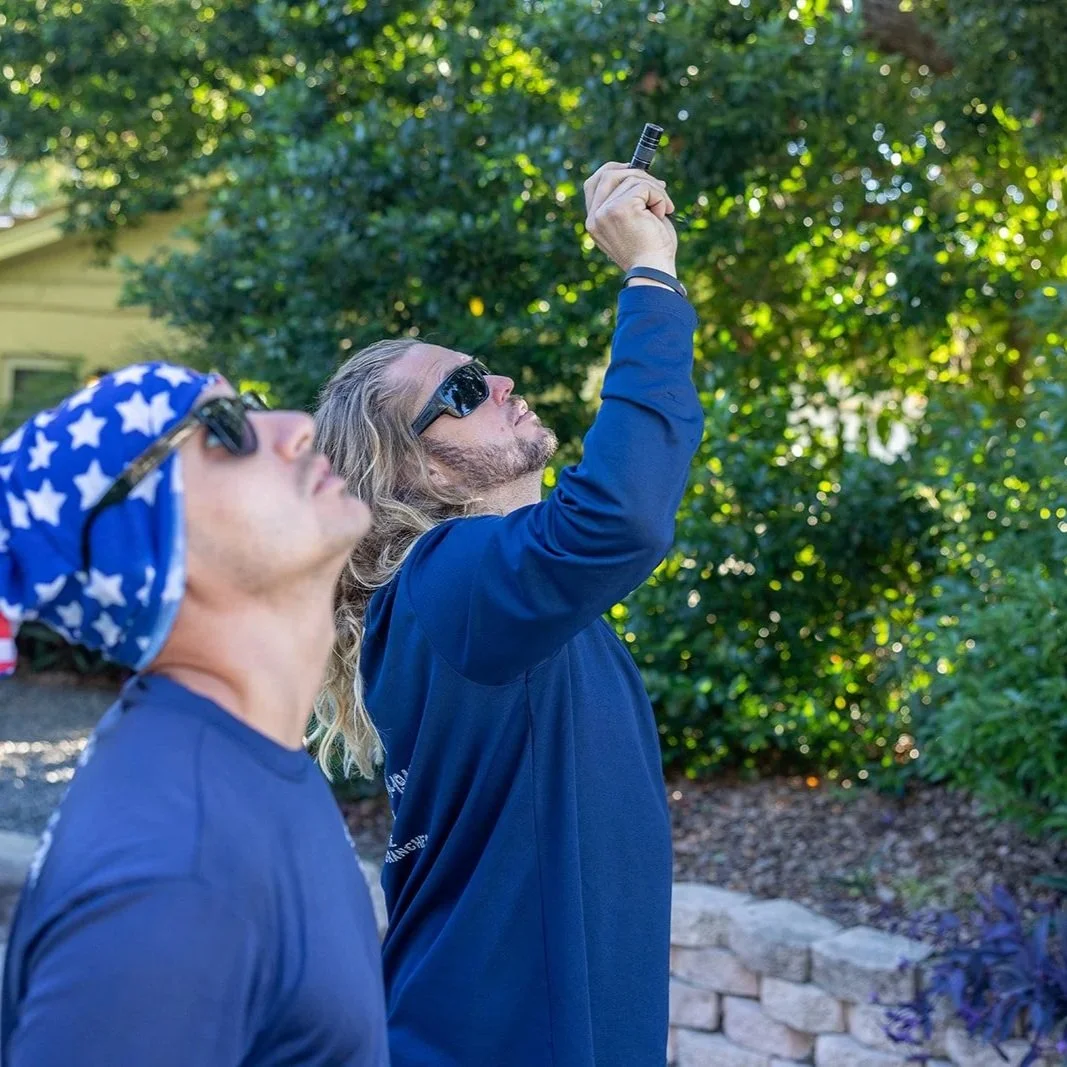
Smart tree trimming and pruning strategies don’t just shape your trees; they shape the entire look and health of your landscape.
Ask any tree care professional about the difference between trimming and pruning, and you might spark a lively debate worthy of its own nature documentary. Both practices involve cutting branches, but their goals, timing, and techniques couldn’t be more distinct. For homeowners who take pride in a healthy, well-balanced yard, understanding the difference matters. Smart tree trimming and pruning strategies don’t just shape your trees; they shape the entire look and health of your landscape.
Understanding The Role Of Tree Trimming
Tree trimming is all about control and structure. It’s the process that keeps trees tidy, balanced, and free from unruly growth. When branches start reaching for power lines, rooftops, or neighboring yards, trimming brings everything back in line.
Trimming improves the tree’s silhouette and prevents it from becoming a tangled mess. Professionals assess branch density, shape, and direction before making precise cuts that refine appearance without harming growth. The focus is on symmetry and safety, giving trees the visual polish that complements the rest of the property.
But trimming isn’t just about looks. It helps sunlight filter through the canopy, improving air circulation and encouraging healthy growth below. Lawns, shrubs, and flowers thrive under a properly trimmed tree because they receive the light and nutrients they need. It’s like giving the entire yard a deep breath of fresh air.
The Purpose Behind Tree Pruning
Pruning takes the precision of trimming and adds a dose of strategy. Instead of focusing on overall shape, pruning targets the tree's health. Professionals remove dead, diseased, or damaged limbs before they spread decay to healthy wood. By carefully identifying weak or crossing branches, pruning reduces stress on the tree’s structure and promotes stronger growth.
Pruning also encourages new development where it’s most beneficial. Cutting at key points redirects energy into areas that support balance, flowering, or fruit production. It’s less about outward beauty and more about long-term vitality. Healthy pruning techniques protect trees from internal rot, pest infestations, and weather damage while promoting a strong, resilient framework.
Timing Makes All The Difference
When it comes to trimming and pruning, timing separates good work from great results. Tree trimming is typically performed throughout the growing season, especially when trees start looking uneven or overgrown. It’s like a haircut that maintains style and structure.
Pruning, however, has an ideal schedule. Late winter and early spring are the prime seasons for most species. Trees are dormant, meaning the risk of sap loss and insect infestation is low. Without leaves in the way, professionals can easily see branch structure and make precise cuts. Some trees, such as flowering varieties, benefit from pruning right after their blooming cycle to encourage next year’s buds.
Timing mistakes can do more harm than good. Trimming too late in the season can expose new growth to harsh temperatures, while pruning during active growth can stress a tree’s energy reserves. Professionals study species, age, and climate before scheduling services, aligning each cut with the natural rhythm of the landscape.
How Trimming Shapes Aesthetic Appeal
Trimming is the artist’s touch that frames every landscape. Neatly shaped trees give yards a finished, intentional look. When branches are allowed to grow unchecked, they can overshadow gardens, block scenic views, and make outdoor spaces feel cluttered.
Professional trimming defines space and balance. A canopy shaped to follow rooflines or pathways creates harmony across the property. It also highlights architectural features, allowing sunlight to enhance textures and colors. When done right, trimming becomes an invisible form of design. It blends function with beauty.
For businesses, it also projects professionalism. Well-maintained trees along walkways, entrances, and parking areas signal care and attention. In residential settings, neatly trimmed trees invite curb appeal that never goes unnoticed.
Why Pruning Is Nature’s Preventive Medicine
Tree pruning is preventive care at its most natural. Dead or damaged limbs are more than unsightly; they’re open invitations for pests and diseases. Once decay sets in, it can spread rapidly through the trunk, weakening the entire structure. Pruning removes these risks before they can take hold.
By thinning crowded branches, pruning allows more light and airflow to reach the inner canopy. Ventilation prevents the damp, shaded conditions that favor fungal growth. It also strengthens the tree’s resilience against storms by reducing the weight on heavy limbs. The result is a tree that lives longer, grows stronger, and stands firm through changing weather.
In short, pruning supports longevity. It’s like sending your trees to a wellness retreat where they return refreshed, balanced, and ready for the next season.
Safety Starts With Professional Trimming
Tree trimming isn’t just about beauty; it’s about protection. Overgrown limbs can scratch siding, block visibility, and weigh dangerously over rooftops. During a storm, those same branches can become serious hazards. Regular trimming prevents accidents before they happen.
Professionals evaluate proximity to power lines, structures, and walkways, then strategically remove problem branches. Their equipment and expertise keep the process safe for both property and people. They also shape trees to direct future growth away from obstacles, eliminating risks long before they appear.
The secret benefit? A safer yard often means fewer emergency calls when nature throws a tantrum.
The Subtle Art Of Selective Pruning
Every tree species has its quirks, and pruning techniques adapt accordingly. Some trees need light thinning to remove excess growth, while others require more targeted cuts to balance structure. Professionals identify which branches to remove without overdoing it. Too much pruning can shock the system, leading to sparse growth and sun damage.
Selective pruning, done by experienced arborists, takes patience and understanding. They know which cuts will stimulate strong growth and which might cause stress. Each branch is evaluated before removal, and each cut is made with precision tools designed to protect bark and tissue. The result is a tree that looks untouched yet performs better in every way.
Healthier Roots Begin With Healthy Branches
While trimming and pruning focus on what’s above ground, their benefits reach deep into the soil. Healthy branches distribute nutrients efficiently, supporting stronger root systems. By removing weak or diseased wood, professionals help trees allocate energy toward developing solid roots that anchor growth.
Strong roots stabilize the tree and improve nutrient absorption. That balance improves drought tolerance, faster recovery after storms, and greater resistance to environmental stress. When trees are trimmed and pruned with care, their underground networks flourish quietly, supporting everything that grows above them.
The Connection Between Tree Care And Landscape Health
A yard isn’t just a collection of trees and plants; it’s an interconnected ecosystem. Each element influences the next. Overgrown branches block the sunlight that grass and shrubs rely on, while dead limbs attract pests that can migrate to healthy vegetation.
Professional trimming and pruning balance those relationships. By managing growth and improving airflow, they create a landscape where every plant coexists in harmony. The result is fewer weeds, healthier soil, and less competition for water and nutrients.
A well-maintained tree canopy also protects surrounding plants from erosion and wind damage. The entire yard benefits from the renewed vitality of properly cared-for trees.
Trimming For Growth Control
Trees may not move, but they certainly know how to stretch their limits. Without trimming, they expand in every direction, often faster than homeowners expect. Trimming controls that expansion while preserving natural form.
Professionals remove fast-growing shoots known as water sprouts and suckers, which divert nutrients from healthy branches. By keeping them in check, trimming directs energy toward meaningful growth rather than wasteful overextension. Controlled growth also prevents crowding between trees, leaving enough room for sunlight to reach all corners of the yard.
Pruning For Productivity
For fruit trees and flowering varieties, pruning directly affects production. Strategic cuts stimulate the formation of new buds, leading to more blossoms and healthier fruit. Without proper pruning, trees can overproduce one season and struggle the next, leading to cycles of stress and exhaustion.
Professionals balance production by pruning to open up the canopy and remove energy-draining limbs. The result is consistent flowering, better fruit size, and improved quality. Pruning essentially resets the tree’s energy each year, allowing for sustained productivity and predictable growth.
Why Professionals Outperform DIY Methods
Tree trimming and pruning might seem approachable with a pair of shears, but professional service brings precision and safety that DIY methods rarely achieve. Certified arborists use specialized tools, protective gear, and cutting techniques based on years of study.
They know where to cut without harming growth nodes, how to prevent disease transmission between trees, and which seasons produce the best results. More importantly, they can identify hidden structural issues before they escalate.
DIY trimming often leads to uneven canopies, bark damage, or over-pruning that weakens the tree. Professional services protect the investment you’ve made in your landscape by keeping trees healthy, safe, and aesthetically balanced year-round.
The Year-Round Benefits Of Smart Tree Trimming & Pruning
Trimming and pruning are not one-time tasks; they’re ongoing care that keeps landscapes thriving. Regular maintenance helps trees adapt to seasonal changes, recover from weather events, and maintain their natural beauty.
In spring, trimming promotes lush foliage and even growth. In summer, light shaping prevents overextension. Autumn pruning removes weakened limbs before winter storms arrive. By following a professional schedule, trees receive exactly what they need at every stage.
Year-round attention doesn’t just support trees, it supports the entire property. Fewer fallen branches mean less cleanup. Stronger roots mean less erosion. Healthier canopies mean better shade and temperature regulation for the yard. Everything works in balance, guided by skilled trimming and pruning practices.
Why The Debate Matters
Trimming and pruning might sound like two sides of the same coin, but the difference shapes how every landscape evolves. Trimming defines structure and beauty, while pruning fortifies health and longevity. When used together, they create a landscape that looks natural yet deliberate, strong yet elegant.
The real secret lies in professional technique. Tree care specialists don’t just cut branches; they make choices that influence growth patterns, resilience, and appearance for years to come. Whether it’s a stately oak or a blossoming cherry, each tree benefits from the right blend of trimming and pruning, a debate settled by skill, timing, and a keen eye for detail.
Healthy trees make for healthy yards, and when trimming and pruning are done right, the results speak for themselves: balanced growth, lasting strength, and landscapes that keep turning heads year-round.
