
Brush and Debris Hauling: The Final Step to a Clean Yard
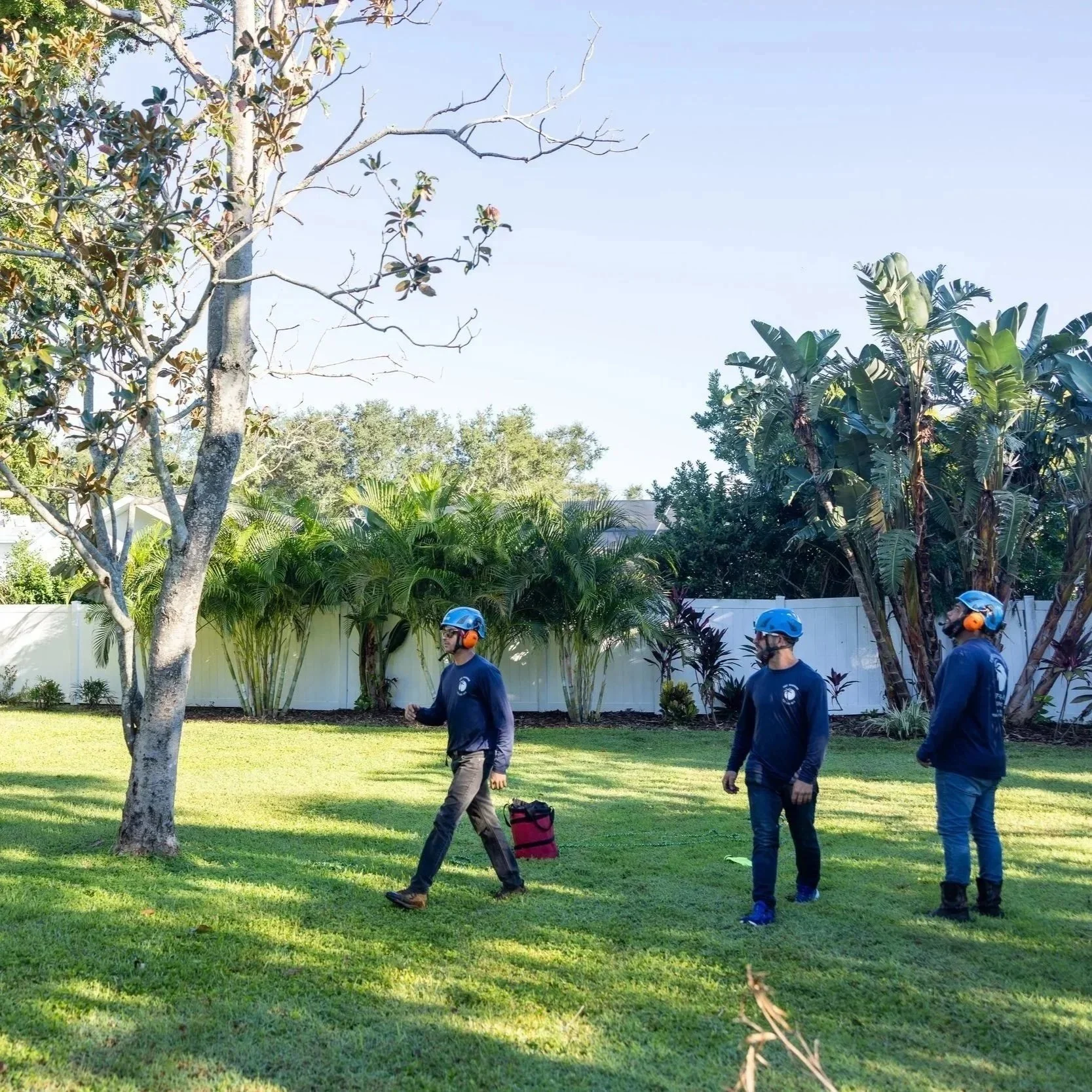
Brush, limbs, and organic debris left behind continue affecting the health and usability of a property long after the saws stop running.
Many property owners believe a yard clean project wraps up once trees are trimmed, shrubs are cut back, or storm damage is cleared from view. In real-world tree care, that assumption causes more lingering problems than most people expect. Brush, limbs, and organic debris left behind continue affecting the health and usability of a property long after the saws stop running. In Florida, where heat, moisture, and rapid plant growth define the environment, leftover debris becomes a magnet for pests, mold, and regrowth. Yard clean work only reaches its true finish line when all organic waste leaves the property in a controlled and intentional way.
Professionals in tree care understand that cutting is only one phase of the process. The real transformation happens when debris hauling restores the ground itself. Piles of brush restrict airflow, trap moisture, and smother turf or ground cover beneath them. Over time, that damage spreads outward, making future yard clean-up efforts more expensive and time-consuming. Removing debris allows soil to breathe, sunlight to reach the ground, and landscapes to recover naturally. A clean yard feels finished because it functions properly again, rather than just looking trimmed from a distance.
How Brush And Debris Accumulate Faster Than Expected
Brush and debris rarely come from a single source. Most yard clean projects involve layers of organic material accumulated over months or years. Tree trimming generates limbs, but leaf fall, palm fronds, invasive plant cutbacks, and storm damage add volume steadily. Florida properties often experience accelerated accumulation because growth continues year-round. Without consistent hauling, debris piles quietly expand until they interfere with walkways, drainage patterns, and usable outdoor space.
Homeowners frequently underestimate how quickly these materials build up because the change happens gradually. Small piles turn into sprawling zones of clutter that attract insects and rodents seeking cover. Moisture trapped beneath debris creates ideal conditions for fungi and decay. Yard clean professionals recognize these patterns early and address them systematically. Brush and debris hauling resets the cycle, removing hidden problems before they evolve into larger maintenance issues that impact both appearance and property health.
Why Leaving Organic Debris Harms The Landscape
Organic debris may appear harmless since it eventually decomposes, but unmanaged decomposition creates more harm than benefit in most yards. In Florida’s humid climate, brush piles rarely break down evenly. Instead, they hold moisture against the soil surface, leading to root suffocation, fungal growth, and turf damage. Yard clean efforts that skip debris hauling often see regrowth weaken instead of thrive because the ground never fully recovers.
Decomposing debris also alters soil chemistry in unpredictable ways. Excess organic matter can create nutrient imbalances that favor weeds over desirable plants. Invasive species often take advantage of disturbed areas covered in debris, spreading aggressively once conditions suit them. Tree care professionals know that true recovery requires clearing debris so the landscape resets cleanly. A properly hauled yard allows controlled mulching, reseeding, or planting rather than uncontrolled decay that undermines long-term results.
The Role Of Brush Hauling In Pest And Wildlife Control
Pest issues rarely begin with visible infestations. They start with shelter. Brush piles offer ideal hiding places for rodents, snakes, insects, and nuisance wildlife. In Florida, these conditions escalate quickly due to warm temperatures and abundant food sources. Yard clean services that include brush and debris hauling significantly reduce pest pressure by eliminating cover and nesting opportunities.
Tree care professionals often encounter properties where recurring pest problems trace back to unmanaged debris rather than structural issues. Clearing brush opens sightlines and reduces moisture retention, making the environment less attractive to unwanted animals. Over time, properties maintained through regular yard clean hauling experience fewer infestations and reduced reliance on pest control services. Removing debris protects not only the landscape but also nearby structures and outdoor living areas.
Storm Preparedness Starts With A Clean Yard
Florida storms bring high winds, heavy rain, and unpredictable impacts. Loose debris left behind after routine trimming becomes dangerous projectiles during severe weather. Yard clean preparation plays a major role in reducing storm damage by removing materials that can shift, scatter, or clog drainage systems. Tree care professionals emphasize debris hauling as a preventative step rather than a reaction after storms pass.
When brush piles block water flow, flooding becomes more likely. Limbs and leaves collect near foundations, causing water to pool against structures. A properly cleared yard allows rainwater to move naturally across the landscape without obstruction. Storm readiness improves when yard clean work includes thorough hauling, protecting both property and surrounding areas from unnecessary damage.
Improving Property Access And Usability
A yard cluttered with debris limits how people use their outdoor space. Walkways disappear, lawn areas become uneven, and maintenance tasks grow more difficult. Yard clean hauling restores access by clearing obstacles that restrict movement and visibility. Florida homeowners often reclaim outdoor living areas once debris leaves the property entirely.
Tree care professionals recognize that usability influences how consistently a property gets maintained. Clean, accessible yards invite regular upkeep, while cluttered spaces discourage engagement. Over time, debris hauling supports a positive maintenance cycle where property owners stay ahead of growth rather than falling behind it. A yard clean project feels complete when the space becomes functional again, not just visually trimmed.
Environmental Responsibility And Proper Disposal
Brush and debris hauling involves more than moving material off-site. Responsible tree care includes proper disposal that aligns with local regulations and environmental standards. Florida municipalities often require organic waste to follow specific handling guidelines. Yard clean professionals understand where debris should go, whether through recycling, mulching facilities, or approved disposal sites.
Improper dumping creates environmental harm and potential fines for property owners. Professional hauling services manage debris responsibly, turning organic waste into useful resources when possible. Mulched material often supports erosion control or landscaping elsewhere. Yard clean work that includes responsible hauling supports sustainability rather than shifting the problem elsewhere.
The Difference Between DIY And Professional Hauling
Many homeowners attempt debris hauling themselves, only to discover the process demands more time, labor, and equipment than expected. Brush piles are heavier, bulkier, and harder to manage than they appear. Florida heat adds physical strain, increasing the risk of injury or exhaustion. Yard clean professionals bring equipment and experience that allow efficient, safe removal without unnecessary stress.
Tree care teams also identify hazards that DIY efforts may overlook, such as hidden wildlife, unstable piles, or sharp debris. Professional hauling reduces risk while delivering cleaner results. Over time, investing in professional yard cleaning services often saves money by preventing damage, injuries, or repeated incomplete cleanup attempts.
Timing Matters For Effective Yard Clean Projects
The timing of debris hauling affects how successful a yard clean effort becomes. Waiting too long allows moisture, pests, and regrowth to complicate removal. Florida’s fast growth cycles mean delays quickly increase the workload. Tree care professionals schedule hauling promptly after trimming or storm cleanup to minimize these issues.
Seasonal considerations also influence hauling strategies. Wet seasons demand careful handling to avoid soil damage, while dry periods allow faster removal. Yard clean planning accounts for these factors, aligning hauling with conditions that protect the landscape. Proper timing supports cleaner results and faster recovery for lawns and planting areas.
Long-Term Maintenance Benefits Of Regular Hauling
Regular brush and debris hauling transforms yard clean work from a major project into a manageable routine. Properties that receive consistent hauling experience fewer large-scale cleanups and healthier landscapes overall. Florida homeowners often notice improved turf quality and reduced invasive growth when debris no longer accumulates unchecked.
Tree care professionals design maintenance plans that include periodic hauling as a preventative measure. Removing debris regularly protects soil structure, plant health, and drainage patterns. Over time, consistent yard clean practices reduce the need for aggressive interventions, saving both effort and expense.
Safety Considerations During Debris Removal
Brush and debris removal carries inherent risks when handled improperly. Sharp limbs, heavy loads, and uneven terrain increase the chance of injury. Yard clean professionals follow safety protocols that protect both workers and property. Florida conditions, such as heat and humidity, add complexity that requires experience and planning.
Professional tree care teams use proper lifting techniques, equipment, and protective gear. They also assess site conditions before hauling begins. Ignoring safety often leads to accidents that disrupt projects and create additional costs. A safe yard clean process supports efficient work and protects everyone involved.
Preparing A Property For Future Landscaping
Debris hauling creates a clean slate for future landscaping projects. Whether planning new plantings, sod installation, or hardscape work, a clear yard provides the foundation for success. Florida landscapes respond best when organic waste clears completely before new work begins.
Tree care professionals often coordinate hauling with broader landscape plans. Removing debris exposes soil conditions and grading issues that may require attention. Yard clean completion allows property owners to move forward confidently with improvements rather than working around leftover clutter.
The Visual Impact Of A Truly Finished Yard
A yard only feels complete once debris leaves the property entirely. Visual clutter affects how people perceive space, even when the trimming looks neat. Yard clean hauling restores open sightlines and emphasizes the structure of the landscape rather than the mess left behind.
Florida properties benefit greatly from this transformation. Clean yards highlight trees, lawns, and outdoor features instead of drawing attention to waste piles. Tree care professionals understand that visual clarity reinforces property value and pride of ownership.
Why Brush And Debris Hauling Is The Final Step That Matters Most
Brush and debris hauling brings closure to the yard clean process. Cutting, trimming, and clearing start the transformation, but hauling finishes it. Florida landscapes demand this final step to prevent rapid regression. Tree care professionals treat hauling as essential, not optional.
When debris removal completes the process, properties remain cleaner longer and recover faster. Yard clean efforts achieve a lasting impact rather than a temporary improvement. The final step defines whether a yard truly returns to a healthy, usable condition.
Yard Clean Up and Debris Hauling FAQs
What types of debris are typically removed during a yard clean?
Brush, tree limbs, palm fronds, leaves, and storm debris are commonly removed to restore safe and usable outdoor spaces.
How often should brushing and debris hauling be done in Florida?
Many properties benefit from hauling at least once or twice a year, with additional service after storms or major trimming work.
Can leaving brush piles harm my lawn or plants?
Yes, debris traps moisture and blocks sunlight, which can damage turf and encourage pests or disease over time.
Is debris hauling required after tree trimming?
Tree trimming generates organic waste that should be removed to complete the yard clean process and prevent regrowth or pest issues.
Does professional hauling include proper disposal?
Professional services handle disposal responsibly, following local regulations and recycling organic material when possible.
