
How to Choose the Best Tree Cabling Company in Largo, FL
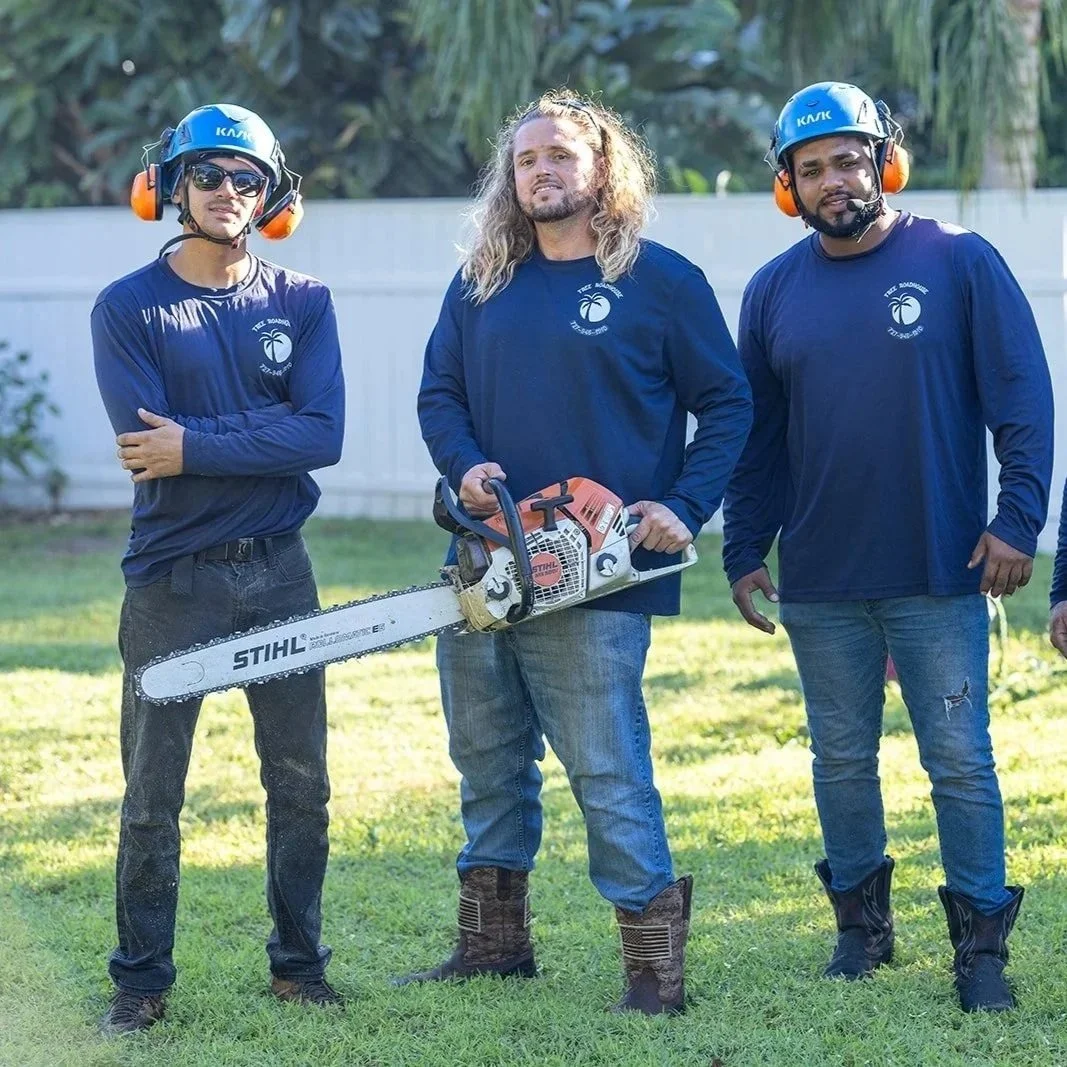
Expert tree cabling in Largo strengthens vulnerable trees, reducing risk while preserving their natural growth and value.
Understanding Tree Cabling and Why It Matters
Tree cabling is a specialized form of structural support designed to reduce the risk of failure in trees that have developed weaknesses but still provide significant value. In a coastal, storm-prone area like Largo, FL, mature trees are exposed to repeated wind stress, heavy rain, and saturated soils that can accelerate structural problems. Cabling is not about making a tree rigid or “storm-proof.” Instead, it is a calculated method of redistributing mechanical stress so vulnerable limbs or trunks are less likely to fail during high winds or heavy loading.
Choosing the right tree cabling company matters as much as deciding whether cabling is appropriate in the first place. Poorly designed or improperly installed cabling can create a false sense of security and, in some cases, increase risk. A qualified local company understands tree biomechanics, Largo’s growing conditions, and the safety standards required to protect both people and property.
What Is Tree Cabling and How Does It Work?
Tree cabling is a professional technique used to support structurally weak branches, multiple trunks, or compromised sections of a tree. The system typically consists of high-strength steel cables, specialized hardware, and secure connection points installed high in the canopy. These components work together to limit excessive movement and redistribute stress between branches or stems that might otherwise separate or fail.
Arborists often combine cabling with bracing rods and selective pruning to address both internal and external weaknesses. Cabling does not repair decay or cure disease, and it is not a cosmetic solution. Its purpose is risk management. When installed correctly, cabling can extend a tree's usable life, reduce hazards, and help protect nearby homes, vehicles, and walkways. Because the process involves structural assessment and precise installation, tree cabling should never be treated as a DIY project.
Common Structural Problems Tree Cabling Can Solve
Cabling is most often recommended for trees with weak branch unions, co-dominant stems with included bark, overextended limbs, or damage from past storms. In Largo, species such as live oaks and laurel oaks frequently develop these issues as they mature, especially after years of exposure to hurricanes and strong tropical storms.
By reducing excessive limb movement and redistributing weight, cabling can lower the likelihood of sudden failure while other management strategies, such as pruning and monitoring, are implemented. A competent cabling company will clearly explain which structural problems they are addressing and why cabling is appropriate, rather than using vague or generic justifications.
Benefits of Professional Tree Cabling in Largo, FL
Professionally installed cabling improves safety by reducing the risk of limb or tree failure, thereby helping protect homes, vehicles, utilities, and people beneath the canopy. In a region like Largo, where storms are a recurring concern, properly cabled trees are often better equipped to handle high winds and prolonged rainfall.
Beyond safety, cabling allows homeowners to preserve mature trees that contribute shade, energy savings, and property value. Removing and replacing a large tree is costly and takes decades to restore benefits. When done responsibly, cabling offers environmental advantages such as wildlife habitat, stormwater interception, and carbon storage, all while maintaining the character of established landscapes.
When Tree Cabling Is (and Isn’t) the Right Solution
Cabling is most appropriate for trees that are generally healthy but have identifiable structural weaknesses, trees with historical or sentimental value, or large trees located near high-use areas where failure would have serious consequences. A reputable company evaluates the entire tree, including species characteristics, overall health, root condition, and site factors, before recommending cabling.
There are also situations where cabling is not the right solution. Trees with extensive decay, advanced disease, root instability, or severe structural compromise may be unsafe even with support. A trustworthy company will explain when removal or alternative management is safer, rather than selling cabling as a universal fix.
How Tree Cabling Fits Into Overall Tree Care
Tree cabling is one component of comprehensive tree care, not a standalone service. It is often paired with structural pruning, soil management, and ongoing inspections to ensure long-term stability. Companies that focus solely on installing cables without considering overall tree health are more likely to deliver short-term solutions with limited effectiveness.
When choosing a cabling provider in Largo, homeowners should evaluate the company’s broader arboricultural expertise. Businesses that employ certified arborists and offer full-service tree care are better positioned to design support systems that evolve with the tree over time.
Assessing Your Tree Cabling Needs in Largo, FL
Homeowners often first notice potential problems through visible warning signs such as cracks in the trunk or major limbs, V-shaped branch unions, heavy limbs over roofs or driveways, sudden leaning, or signs of decay. In Largo, past hurricane damage may have created internal weaknesses that are not immediately obvious.
Local weather is an important factor. Frequent storms, high winds, and saturated soils increase stress on trees, especially large or structurally compromised ones. Cabling is often most effective when viewed as part of a broader storm preparedness plan rather than a reaction after damage occurs.
The location of targets beneath a tree also matters. Homes, vehicles, power lines, playgrounds, and walkways increase the urgency of addressing structural issues. A reputable company considers both the condition of the tree and what could happen if it fails, clearly explaining how it evaluates risk.
Checking Credentials and Professional Qualifications
One of the most essential steps in choosing a tree cabling company is verifying credentials. The presence of an ISA Certified Arborist is a strong indicator of professional training and adherence to industry standards. Cabling is a technical service, and certification significantly reduces the likelihood of improper design or installation.
Homeowners should also verify that the company is a legitimate business operating in Largo and Pinellas County, with appropriate registrations and a verifiable local presence. Membership in professional organizations such as ISA or TCIA suggests ongoing education and commitment to best practices.
Experience matters not just at the ownership level, but among the crew performing the work. Asking about training, years of experience with cabling, and familiarity with local tree species helps ensure that on-site personnel are qualified to handle complex installations safely.
Verifying Insurance, Safety, and Liability Protection
Tree cabling involves working at height with heavy equipment, making insurance and safety practices critical. A reputable company carries general liability insurance, workers’ compensation, and commercial auto coverage. Homeowners should request proof of insurance and confirm that policies are current.
Professional safety practices include proper personal protective equipment, fall protection systems, controlled work zones, and adherence to OSHA and ANSI standards. Companies that clearly explain how they protect people and property during work demonstrate professionalism and reduce homeowners' liability risks.
Evaluating Local Experience and Knowledge of Largo, FL
Local experience is especially valuable for tree cabling. Largo’s tree species, soil conditions, wind exposure, and coastal influences all affect how trees respond to stress and how cabling systems should be designed. A company familiar with live oaks, laurel oaks, pines, and common ornamentals will tailor techniques accordingly rather than applying generic solutions.
Knowledge of local regulations and permitting requirements is also essential, particularly for large or protected trees. Established local companies are more likely to navigate these requirements smoothly and maintain good relationships within the community.
Reviewing Reputation, Reviews, and References
Online reviews can provide useful insight, but they should be read critically. Look for detailed comments about professionalism, communication, safety, and follow-up rather than focusing solely on star ratings. Patterns in feedback often reveal more than individual reviews.
Requesting local references for tree cabling projects is especially helpful. Speaking directly with past clients about how the work was performed and how the tree has responded over time provides a valuable perspective. Companies with nothing to hide will gladly share references.
Comparing Services and Technical Capabilities
Tree cabling is often part of a broader set of structural support services, including bracing and specialized pruning. Companies offering a full range of options are better equipped to design customized solutions. Homeowners should ask about the types of hardware used, whether systems are static or dynamic, and how placement and tension are determined.
Equally important is the company’s approach to inspection and maintenance. Cabling systems require ongoing monitoring, and providers who plan for follow-up demonstrate long-term commitment rather than a one-time transaction.
Requesting and Comparing Detailed Estimates
A professional estimate should clearly outline the scope of work, number and type of cables, associated pruning, cleanup, and total cost. Vague or verbal estimates make it difficult to compare companies fairly.
Price alone should not drive the decision. Extremely low bids may indicate shortcuts in materials, insurance, or labor, while higher bids may include additional services or long-term value. Understanding what is included helps homeowners identify the best overall value.
Understanding Contracts, Warranties, and Expectations
Clear written contracts protect the homeowner and the company. Contracts should match the estimate, define the scope of work, list materials, outline timelines, and explain payment terms. Reputable companies also explain warranties on workmanship and materials, while setting realistic expectations about what cabling can and cannot guarantee.
Strong communication, responsiveness, and professionalism throughout the process are key indicators of a reliable provider. Companies that explain risks honestly, document their work, and follow up appropriately are more likely to deliver safe, durable results.
Conclusion: Making a Confident Choice in Largo, FL
Choosing the best tree cabling company in Largo requires careful evaluation, not quick decisions. Understanding how cabling works, assessing your tree’s risks, verifying credentials and insurance, and comparing detailed proposals all contribute to better outcomes. The right company combines technical expertise, local knowledge, and transparent communication, prioritizing long-term tree health and safety over quick sales.
By taking the time to choose wisely, homeowners protect their property, preserve valuable trees, and ensure their landscape is better prepared for Florida’s challenging climate.
FAQs
A tree may need cabling if it has structural defects such as weak branch unions, codominant stems, or long, heavy limbs over valuable targets. A certified arborist evaluates tree health, defect severity, and risk to determine whether cabling, pruning, or removal is most appropriate.
The lifespan of a cabling system depends on the materials used, tree growth, weather exposure, and maintenance. Regular inspections allow arborists to identify when adjustments or replacements are needed, helping extend the system’s effective life.
When installed correctly, cabling minimizes harm and can prevent more serious injuries from limb failure. Drilling creates small wounds, so proper placement and ongoing care are important to maintain tree health.
Trained professionals should always perform tree cabling. Improper installation can damage the tree, create safety hazards, and fail to provide effective support. Professional expertise is essential for safe and reliable results.
