
How to Budget for Professional Tree Cabling in Your Landscape Project
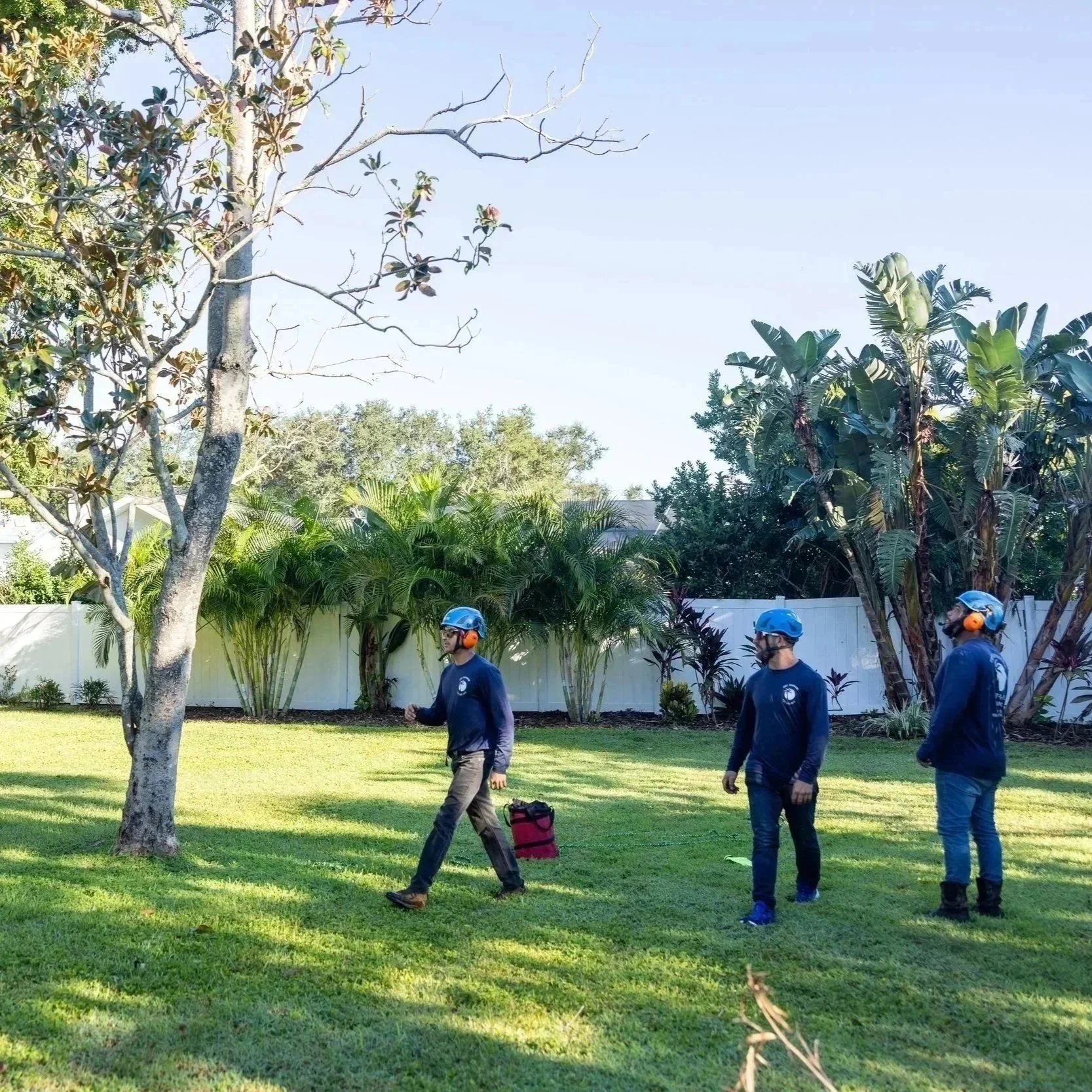
Budgeting for professional tree cabling is proactive care—protecting both your trees and your property from unexpected damage, says certified arborist.
Understanding Tree Cabling and Why It Belongs in Your Budget
Tree cabling is often misunderstood as an optional or cosmetic upgrade, when in reality it functions more like structural reinforcement for a living asset. Just as homes require roof maintenance or foundation repairs to remain safe and functional, mature trees sometimes need added support to manage mechanical stress. In a well-planned landscape project, cabling should be treated as part of the safety and infrastructure budget, rather than an afterthought that only surfaces once a problem becomes obvious.
When trees fail, the costs are rarely limited to the tree itself. Damage to roofs, vehicles, patios, fences, irrigation systems, and even personal injury claims can far exceed the price of preventive care. Budgeting for professional tree cabling allows homeowners to shift spending away from emergency response and toward controlled, predictable investment that protects both property and long-term landscape value.
What Tree Cabling Is and How It Works
Tree cabling is a structural support method used to reduce the likelihood of branch or trunk failure by redistributing mechanical loads within a tree. Professional arborists install cables, braces, and specialized hardware in the upper canopy to connect weaker limbs or stems to stronger, more stable parts of the tree. This connection limits excessive movement during wind, storms, or periods of heavy loading while still allowing the tree to function naturally.
There are two primary approaches to cabling. Static systems use steel cables to provide firm, consistent support and are typically used when the risk of failure is higher. Dynamic systems rely on synthetic materials that allow controlled movement, encouraging the tree to strengthen over time while still limiting extreme motion. Neither system is decorative, and neither is intended to hide defects. Cabling exists purely to manage risk and extend the usable life of a tree that still has value.
Common Structural Problems That Lead to Tree Cabling
Trees rarely need cabling because they look unhealthy. More often, the issue is structural. Co-dominant stems that grow close together, weak branch unions with included bark, overextended limbs, and dense canopies over structures all increase the likelihood of failure. Some species, including maples, Bradford pears, and certain oaks, are more prone to these problems as they mature.
These defects may develop slowly over decades and often go unnoticed until a storm exposes them. From a budgeting standpoint, proactively addressing structural weaknesses through cabling is typically far more economical than paying for repairs after a limb fails. Planning for cabling is a practical response to known risk, not an aesthetic upgrade.
How Tree Cabling Fits Into Your Overall Landscape Project
Tree cabling should be considered alongside other major landscape investments such as patios, outdoor kitchens, lighting, irrigation, and planting plans. Trees interact with all of these elements, and ignoring their structural condition can undermine the entire project. Cabling is most efficient when identified early, before hardscape is installed or access becomes limited.
Including cabling in the initial scope of a landscape project also improves coordination between arborists, designers, and contractors. Equipment access, work sequencing, and seasonal timing can be planned to minimize disruption and avoid additional labor costs. When cabling is treated as part of the project infrastructure, it integrates smoothly rather than creating budget surprises later.
Benefits of Tree Cabling: Safety, Preservation, and Cost Avoidance
The most immediate benefit of tree cabling is improved safety. By reducing the chance of sudden limb or trunk failure, cabling protects people, homes, vehicles, and outdoor living spaces. This protection becomes especially valuable as trees mature and occupy more space over high-use areas.
Cabling also preserves mature trees that contribute shade, energy efficiency, privacy, and property value. Replacing a large, established tree can take decades and often costs far more than supporting the existing one. From a financial perspective, cabling helps avoid emergency removals, storm cleanup, insurance deductibles, and secondary damage to landscape features. These avoided costs should be factored into any realistic budgeting discussion.
When Cabling Might Not Be Worth the Investment
Cabling is not always the most responsible or cost-effective solution. Trees with extensive internal decay, severe root problems, or poor long-term prospects may remain hazardous even with supplemental support. In these situations, removal and replacement often provide better value than repeated cabling and maintenance.
Homeowners should expect honest guidance from arborists regarding expected lifespan, ongoing costs, and realistic outcomes. Emotional attachment and environmental value are important considerations, but they should be balanced against safety, liability, and long-term financial impact when setting a budget.
Assessing Your Trees Before You Set a Budget
A preliminary assessment helps homeowners understand potential costs before committing to a landscape plan. From the ground, look for visible cracks, split crotches, multiple trunks growing tightly together, heavy limbs over structures, and dead or hanging branches. While these observations do not replace a professional evaluation, they help identify trees that may require attention.
Certified arborists perform detailed tree risk assessments, evaluating species traits, structural defects, decay, root stability, and nearby targets. Their findings form the basis for accurate estimates and informed budgeting. Providing details such as tree size, location, access challenges, and proximity to structures allows contractors to prepare realistic quotes rather than rough guesses.
Prioritizing trees by risk and importance also improves budget control. Trees over homes or frequently used areas should be addressed first, while lower-risk trees can be scheduled later. This phased approach spreads costs over time without compromising safety.
Key Cost Factors That Influence Tree Cabling Prices
Several variables determine cabling costs. Tree size and structural complexity are major factors, as larger trees require more labor, hardware, and, in some cases, specialized equipment. Species characteristics also matter, since wood strength and growth patterns affect installation methods.
Access plays a significant role as well. Trees located on slopes, behind fences, or near utilities require additional precautions and time. The number of trees and the number of cables per tree directly affect material and labor costs. Hardware quality and system type influence both upfront pricing and long-term durability.
Local labor rates, insurance coverage, and business overhead are also reflected in pricing. Fully insured, reputable companies may charge more, but they significantly reduce financial and liability risks for the homeowner.
Types of Tree Cabling Systems and Their Budget Implications
Static steel cabling systems are commonly used when structural risk is high. They provide firm support but require careful installation and regular inspections. Dynamic systems use synthetic materials that allow controlled movement and may be less invasive, though material costs can be higher.
Bracing rods are sometimes installed alongside cables to reinforce split unions. While they add to the initial cost, they may be essential for preventing failure and should be anticipated in the budget when structural defects are present.
Lifecycle costs are just as high as installation costs. Inspections, adjustments, and eventual replacement all contribute to the long-term expense of cabling and should be planned for from the start.
Getting Accurate Quotes From Tree Care Professionals
Accurate budgeting depends on detailed, professional estimates. Homeowners should seek certified arborists with documented cabling experience and provide clear information when requesting quotes. Comparing estimates requires looking beyond price to understand scope, materials, pruning included, cleanup, and follow-up care.
Extremely low bids often omit critical components or rely on inferior materials. Cabling is a specialized service, and underpricing frequently leads to higher costs later due to failures or corrective work.
Structuring Your Tree Cabling Budget Within a Landscape Project
A realistic landscape budget includes a dedicated line item for tree care, with cabling treated as a core safety expense. Coordinating cabling early with other trades prevents added costs related to protecting new installations or reworking completed features.
Including a contingency fund provides flexibility in case hidden defects or additional needs arise. For properties with many mature trees, phasing cabling over several seasons spreads costs while still addressing the highest risks first.
Factoring in Permits, Regulations, and Insurance
Some municipalities or associations regulate work on large or protected trees, even when cabling is intended to preserve them. Permits, documentation, or inspections may add administrative costs that should be included in the budget.
Hiring insured contractors is essential. Their rates reflect the risk protection they provide, and verifying coverage protects homeowners from liability. Preventive cabling also demonstrates responsible property management, which can support future insurance claims.
Budgeting for Ongoing Maintenance and Inspections
Cabling systems require regular inspections to remain effective as trees grow and conditions change. Annual or post-storm inspections should be treated as recurring maintenance expenses rather than optional extras.
Budgeting for minor adjustments and occasional hardware replacement protects the original investment and reduces the likelihood of emergency interventions. Keeping records of inspections and tree condition helps inform future budgeting decisions.
Cost-Saving Strategies That Don’t Compromise Safety
Bundling cabling with pruning or assessments for multiple trees can improve efficiency and reduce per-tree costs. Scheduling work during off-peak seasons may offer flexibility, but urgent risks should never be delayed solely for savings.
Do-it-yourself cabling and low-quality materials are false economies. Improper installation can create new hazards and increase long-term costs. Open communication with your arborist about budget constraints allows for phased work and strategic prioritization without sacrificing safety.
Conclusion: Building a Smart, Sustainable Budget for Tree Cabling
Budgeting for professional tree cabling requires understanding its role in safety, preservation, and long-term cost control. Accurate planning depends on professional assessments, awareness of cost drivers, and realistic expectations about maintenance and lifecycle expenses.
When cabling is treated as a strategic investment rather than a reactive expense, homeowners protect valuable trees, reduce liability, and integrate tree care smoothly into broader landscape projects. A well-structured budget supports both financial stability and a safer, healthier landscape over time.
FAQs About Budgeting for Professional Tree Cabling
Costs vary depending on tree size, location, number of cables, system type, and local labor rates. Simple installations may cost a few hundred dollars, while complex or multi-tree projects can be significantly higher. Site-specific estimates are essential.
That depends on tree health, structural condition, location, and landscape value. Arborists can compare long-term maintenance costs with removal and replacement to help guide the decision.
Most cabling systems require annual inspections and occasional adjustments or replacements. These recurring costs should be included in the regular landscape maintenance budget.
DIY cabling is risky and often results in higher long-term costs due to improper installation, failures, or liability issues. Professional installation delivers safer, more cost-effective results over time.
