
Tree Removal Services That Clear the Way for Safer Landscapes
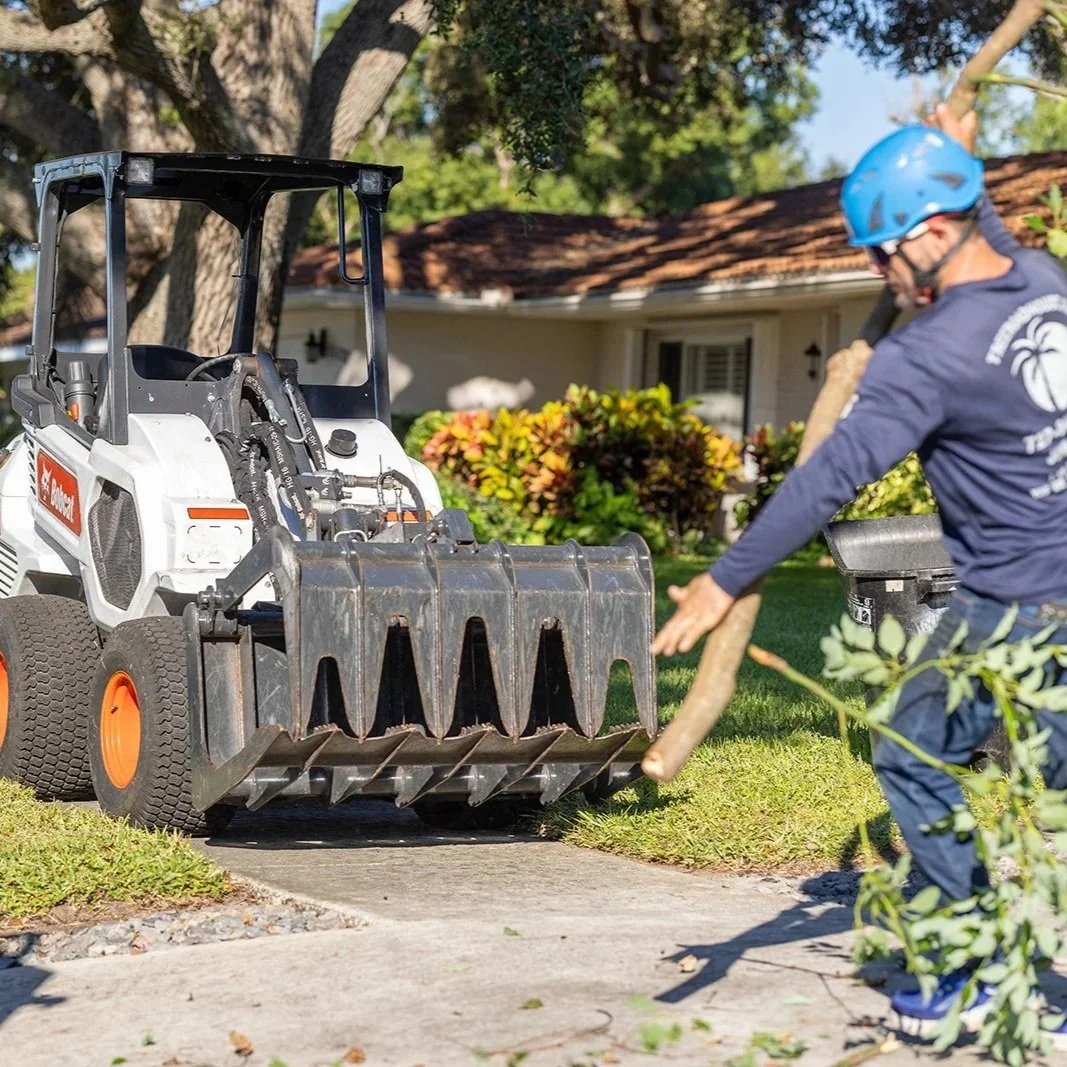
Some outgrow their space, suffer damage, or develop structural weaknesses that threaten safety.
Trees are among the most valued parts of any landscape, offering shade, beauty, and environmental benefits that make outdoor spaces feel alive. However, not every tree is a lifelong companion. Some outgrow their space, suffer damage, or develop structural weaknesses that threaten safety. That's where professional tree removal services step in, clearing the way for healthier growth, safer surroundings, and more functional outdoor spaces without compromising the natural balance of the property.
Understanding When Tree Removal Becomes Necessary
Tree removal isn't always about taking something away; it's also about preserving what remains. It's often about making room for what's next. Sometimes a tree's decline is visible, as evidenced by leaning trunks, hollow cavities, or limbs that break easily. At other times, problems lie beneath the surface, such as root decay or pest infestations that gradually weaken stability over time. Professionals evaluate each tree's condition carefully before deciding whether removal is the right solution.
Trees that threaten structures, sidewalks, or power lines are common candidates for removal. Even a healthy tree can become a safety hazard when planted too close to foundations or roads. Professional assessment identifies those risks early and helps property owners make informed choices that protect both their landscape and their investment.
The Safety Risks Of Neglecting Problem Trees
Ignoring a compromised tree can be costly and dangerous. A single strong storm can bring down weakened limbs or topple a decayed trunk, damaging roofs, vehicles, or anything in its path. Fallen trees can block driveways or pose liability issues if they extend onto neighboring properties.
Professionals understand the warning signs that signal instability. Cracks in the bark, sudden leaning, or excessive shedding of branches may indicate structural failure. Removing those trees before disaster strikes prevents injury and property damage, making it a preventive measure rather than a reactive one.
How Professional Tree Removal Works
Tree removal may sound straightforward, but it requires a blend of precision, specialized equipment, and experience to be done safely. Professionals begin by evaluating the tree's size, condition, and surroundings. They plan a step-by-step approach to dismantle the structure without harming nearby plants, fences, or buildings.
For large or complex removals, climbers or aerial lifts are used to access the canopy. Limbs are carefully cut and lowered to the ground using ropes or mechanical devices. Once the canopy is cleared, the trunk is sectioned and removed piece by piece. The process is designed for maximum safety and minimal disruption to the surrounding area.
Removing trees near power lines or in tight spaces takes additional expertise. Professionals coordinate with utility companies if needed and follow strict safety protocols to prevent accidents. Precision and patience are the hallmarks of every successful removal.
Why Tree Removal Improves Landscape Health
Eliminating one tree can actually help the rest of the landscape thrive. Overcrowded yards or wooded areas force trees to compete for sunlight, water, and nutrients. When weaker or diseased specimens are removed, healthier trees can gain the resources they need to flourish.
Tree removal also opens up light and airflow, which benefits lawns and smaller plants that may have been shaded out. By removing obstructions, professionals create opportunities for new growth, whether that involves planting new trees, expanding garden beds, or simply allowing existing vegetation to breathe more easily.
Common Reasons For Tree Removal
Tree removal services address a wide range of issues, from safety hazards to aesthetic concerns. Some trees are removed because of storm damage, while others are taken down to prevent interference with utilities or construction projects. Roots that invade plumbing or lift pavement can cause expensive structural problems, making removal a practical necessity.
In some cases, tree removal is part of disease management. Fungal infections, like root rot or blight, can spread quickly, affecting nearby trees. Removing an infected specimen prevents the issue from spreading and protects the rest of the property.
Professionals also remove trees that have outlived their lifespan. Even the most majestic oak eventually weakens with age. Removing it safely before collapse avoids future risk while allowing for replanting with younger, stronger trees.
The Environmental Side Of Responsible Tree Removal
Tree removal may sound like an environmental loss, but when handled responsibly, it can actually support sustainability. Professionals salvage usable wood for mulch, compost, or lumber, returning nutrients to the soil or repurposing materials in practical ways.
They also assess opportunities for replacement planting. A removed tree can create space for new native species that are better suited to the soil and environment. By rebalancing the ecosystem, professionals promote biodiversity and long-term stability.
Professionals never remove trees unnecessarily. Their goal is to preserve whenever possible and remove only when safety, health, or practicality demand it. The result is a balanced approach that values both beauty and safety.
Safety Protocols And Equipment
Tree removal involves risks that necessitate specialized equipment and adherence to strict safety standards. Professionals use helmets, harnesses, and protective gear while climbing or operating chainsaws. They assess weather conditions, secure work zones, and follow industry protocols for every cut.
For particularly large trees, cranes or rigging systems are used to control the descent of each section. The precision of that process makes sure nearby structures remain safe and minimizes the impact on the ground below. Safety is the foundation of every professional removal operation, regardless of its size or complexity.
Tree Removal For Storm Recovery
After severe weather, fallen or damaged trees often require immediate attention. Emergency tree removal helps clear blocked roads, driveways, or power lines while preventing additional damage. Professionals respond quickly with the tools and manpower to handle hazardous conditions safely.
They also evaluate standing trees for hidden damage. A tree that appears stable may have internal cracks or root disturbance from high winds. Removing compromised trees after a storm is a crucial part of the recovery process, as it helps keep properties safe and prevents future failures.
How Tree Removal Prepares For New Projects
Tree removal often clears the way for construction or landscaping upgrades. Removing trees that interfere with new driveways, patios, or home additions helps projects move forward safely and efficiently. Professionals coordinate with contractors to remove obstacles without disturbing the surrounding terrain.
Stump removal and root grinding complete the process, leaving a clean slate for replanting or hardscaping. That preparation not only enhances safety but also improves property aesthetics. The space once occupied by a tree becomes an opportunity for something new and functional.
Why Stump Removal Matters
Leaving a stump behind after tree removal can present problems later. Old stumps decay slowly, attracting termites, carpenter ants, and fungi. They can also trip pedestrians or damage lawn equipment. Professionals often recommend stump grinding as part of the removal process to eliminate those risks.
Grinding the stump down to ground level allows the area to be easily regraded and replanted. Whether the goal is new sod, a garden bed, or a replacement tree, removing the stump creates a safe and usable space for future projects.
Recognizing When To Call The Professionals
A tree that leans suddenly, drops large branches, or shows signs of decay is more than an eyesore; it's a potential hazard. Professionals should be contacted as soon as those warning signs appear. They can diagnose the cause, determine whether removal is necessary, and carry out the work safely and effectively.
Attempting to remove large trees without proper equipment or training can generate serious injury or property damage. Professional arborists have the expertise to assess structural integrity and control the removal process from start to finish. It's not just about cutting, it's about managing risk responsibly.
The Long-Term Benefits Of Tree Removal
Tree removal is an investment in safety, property value, and future growth. By eliminating hazardous or unhealthy trees, professionals protect homes, utilities, and people from potential damage. The open space created can be redesigned to enhance both beauty and function.
A cleared and well-managed landscape also invites healthier vegetation. With better sunlight, airflow, and space, remaining trees and plants flourish. It's a renewal process that turns potential danger into opportunity.
Why Professional Tree Removal Is Worth It
Professional tree removal involves a combination of technical expertise, safety awareness, and environmental responsibility. Each step, from evaluation to cleanup, is handled with precision and respect for the property. Professionals understand that removing a tree is a significant decision, and they approach it with care and efficiency.
By trusting experienced specialists, property owners can maintain the beauty and safety of their landscapes without the risk or stress of handling it alone. Professional tree removal isn't just about cutting trees; it's about protecting what's around them, creating safer, more open spaces where everything else can thrive.
