
The Difference Between Tree Trimming and Pruning in Largo, FL
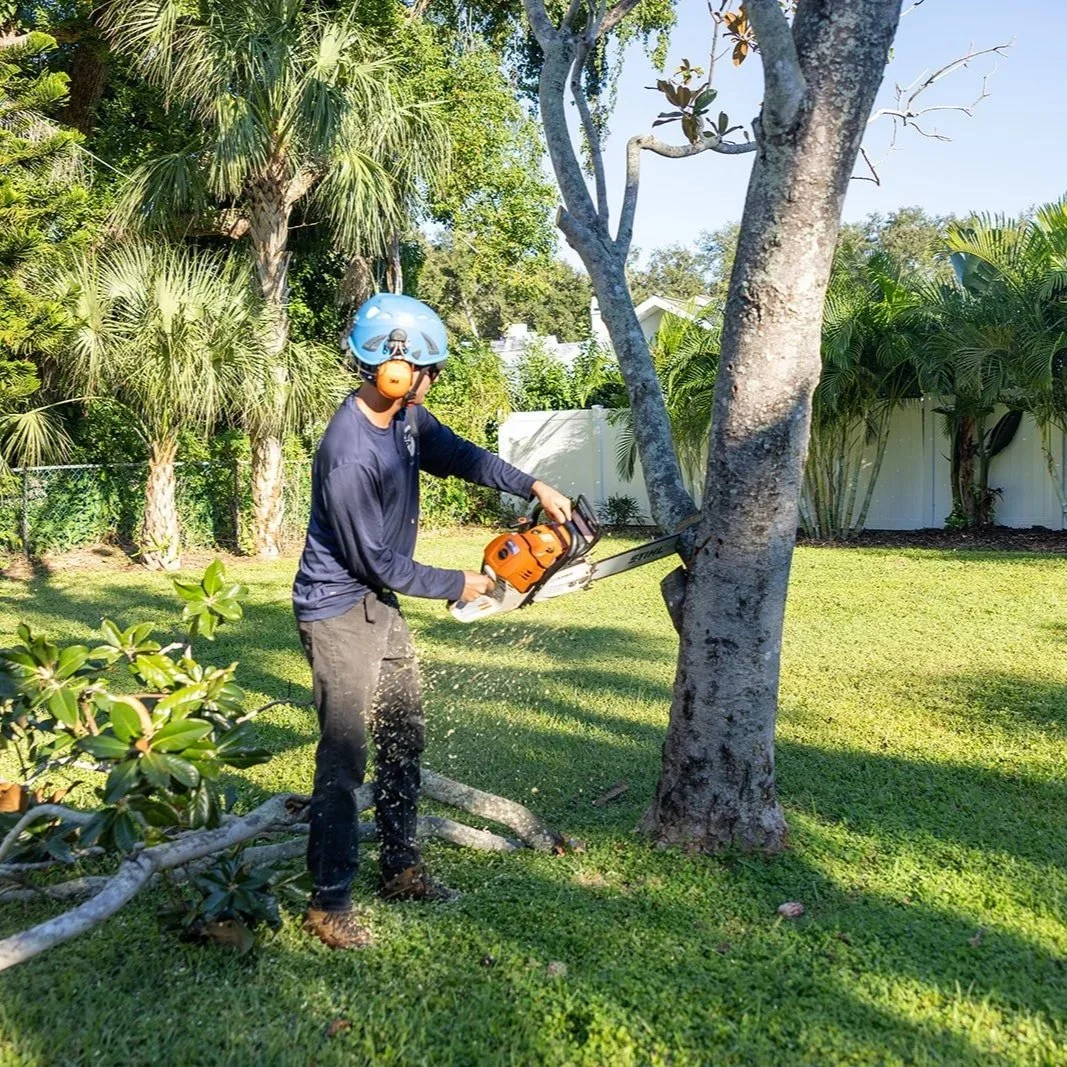
Tree trimming shapes appearance, while pruning improves health and safety—key for Largo’s climate and storm-prone conditions.
Introduction: Why Understanding Tree Trimming vs. Pruning Matters in Largo, FL
Many Largo homeowners use the terms tree trimming and tree pruning interchangeably, assuming they refer to the same service with different names. That assumption often leads to inappropriate cutting choices that create long-term problems rather than solving immediate concerns. Trimming typically focuses on controlling size, shape, and clearance, while pruning addresses health, structure, and safety. When the two are confused, trees may be cut too aggressively for appearance alone or left structurally compromised beneath a neat exterior. Over time, those mistakes show up as storm damage, disease, or costly removals that could have been avoided with the correct approach.
Largo’s environment magnifies the consequences of choosing the wrong method. High humidity slows wound closure, frequent storms test weak branch attachments, and rapid growth can mask internal decay until failure occurs. Cuts that seem minor elsewhere may invite fungal infection or rot in this climate. Understanding when trimming is appropriate and when tree pruning is necessary helps homeowners make informed decisions that protect their property and preserve tree health rather than reacting after damage occurs.
Largo’s Climate and Why It Changes Tree Care Decisions
Largo’s subtropical climate produces long growing seasons, intense sunlight, and frequent rainfall, which push trees to grow quickly and densely. Branches extend faster than many homeowners expect, leading to crowded canopies that trap moisture and encourage pests and disease. Improper cuts heal more slowly in humid conditions, increasing the chance that decay spreads into healthy wood. Periods of drought, combined with heavy rain cycles, further stress trees, especially when recent cutting has already reduced energy reserves.
Storm exposure makes structural choices especially important. Seasonal thunderstorms and tropical systems repeatedly strain branch unions and root systems. Strategic tree pruning removes weak, crossing, or poorly attached limbs before storms expose their failure points. Trimming still plays a role in managing clearance from roofs, walkways, and power lines, but timing matters. Cutting during peak disease activity or too close to storm season increases risk. Climate-aware decisions help trees recover properly and withstand Largo’s demanding conditions.
Benefits of Knowing the Difference for Homeowners
Understanding the distinction between trimming and pruning leads to healthier trees and fewer emergencies. Proper tree pruning supports balanced growth, limits internal decay, and reduces the likelihood of large limb failure during storms. Trimming maintains appearance and prevents overgrowth from damaging roofs, siding, fences, or vehicles. When each method is used correctly, trees remain functional assets rather than ongoing liabilities.
Clear terminology also improves communication with tree service providers. When homeowners accurately describe their needs, estimates reflect the correct scope of work rather than assumptions. That clarity reduces unnecessary costs and prevents situations where cosmetic trimming masks deeper problems. Over time, choosing the appropriate approach helps preserve mature trees that contribute to shade, curb appeal, and property value throughout Largo neighborhoods.
Defining Tree Trimming: What It Is and Why It’s Done
Tree trimming focuses on managing size, shape, and everyday clearance rather than correcting structural or health-related issues. Homeowners often request trimming when growth becomes unruly, branches interfere with buildings, or trees lose visual balance. The work typically removes excess or misdirected growth to maintain a clean outline and keep trees from encroaching on roofs, driveways, sidewalks, or outdoor living spaces. Appearance and practicality drive most trimming decisions.
Trimming also influences light and airflow. Opening space between branches allows sunlight to reach lawns and garden beds while reducing moisture buildup within dense foliage. When done conservatively, trimming helps maintain manageable growth without stressing healthy trees. Problems arise when trimming becomes aggressive or replaces necessary tree pruning, as excessive removal of green material limits energy production and weakens long-term stability.
Common Situations Where Trimming Makes Sense
Many trimming needs in Largo involve clearance rather than decline. Branches brushing against roofs, blocking windows, clogging gutters, or hanging over walkways often require trimming to prevent damage or safety hazards. Coastal properties may also trim trees to maintain views or protect screened enclosures and pool areas. These situations reflect growth management rather than internal tree problems.
Ornamental trees, hedges, and shrubs common in residential landscapes often require regular trimming to maintain design intent. Florida’s rapid growth can quickly overwhelm original landscaping plans, making periodic trimming necessary year-round. Addressing overgrowth early prevents small issues from becoming costly corrections later. Trimming works best when it keeps growth controlled without attempting to fix deeper structural concerns.
How Trimming Affects Tree Health Over Time
Although trimming targets appearance, it still affects how a tree grows. Moderate trimming can reduce minor weight stress, improve airflow, and support balanced canopy development. Healthy trees generally tolerate this level of intervention without difficulty, especially when cuts are spaced out over time.
Excessive trimming creates problems. Removing too much foliage limits photosynthesis, slows recovery, and exposes bark to sunscald. In Largo’s climate, exposed wood dries unevenly, making it more vulnerable to insects and fungal infections. Heavy trimming also triggers rapid, weak regrowth, increasing future maintenance needs. Understanding these effects helps homeowners recognize when trimming should stop and when tree pruning should begin.
Defining Tree Pruning: What It Is and Why It’s Done
Tree pruning addresses health, structure, and long-term stability rather than outward appearance. The process targets specific branches that compromise strength, safety, or proper growth patterns. In storm-prone areas like Largo, pruning reduces the likelihood of limb failure by correcting imbalances before high winds exploit weak attachments. The focus remains on longevity and resilience rather than immediate visual results.
Effective tree pruning relies on selective, intentional cuts guided by tree biology. Professionals assess branch angles, weight distribution, and growth habits before removing anything. Proper pruning can limit decay, improve airflow, and reduce wind resistance without stripping the canopy. Each cut influences how the tree responds over time, shaping growth in a controlled, sustainable way.
Types of Pruning Used in Residential Landscapes
Several pruning methods address different needs. Crown cleaning removes dead, broken, or diseased branches that pose safety risks or harbor pests. Crown thinning selectively reduces density to improve airflow and light penetration. Crown reduction shortens the height or spread by making precise cuts that preserve the natural form. Structural or formative pruning guides young trees into stable shapes that prevent future problems.
Each method serves a purpose in Largo’s environment. Cleaning reduces storm debris risk, thinning helps canopies handle wind, and reduction addresses encroachment near buildings or utilities. Structural pruning early in a tree’s life prevents major defects from developing. Tree pruning requires planning and restraint, as improper techniques often create greater hazards than the issues they attempt to fix.
How Pruning Improves Safety and Longevity
Removing dead or diseased wood prevents decay from spreading. Eliminating rubbing or crossing branches prevents wounds that invite pests and pathogens. Opening the canopy reduces moisture buildup, which matters in Largo’s humid conditions. Over time, these benefits strengthen trees and reduce emergency failures.
Safety remains a central reason for pruning. Properly pruned trees shed less debris during storms, place less strain on trunks and roots, and maintain safer clearance around homes, vehicles, and pedestrians. Strategic pruning also improves visibility near driveways and intersections, supporting both property safety and public use.
Key Differences Between Trimming and Pruning
Tree trimming and tree pruning differ in goals, techniques, and outcomes. Trimming manages size and appearance, producing immediate visual results. Pruning addresses structure and health, delivering benefits that unfold over the years. Trimming is more frequent, while pruning follows a strategic schedule based on tree condition and risk.
Tools may overlap, but how they are used differs. Trimming emphasizes shaping the outer growth, sometimes using powered tools to achieve uniformity. Pruning demands careful placement of cuts that respect branch collars and long-term growth patterns. In Largo, large trees often require professional equipment and expertise for safe pruning, while trimming may remain within a homeowner's reach for small-scale tasks.
Local Tree Species and Their Influence on Care Decisions
Live oaks and laurel oaks dominate many Largo neighborhoods, developing broad canopies with heavy horizontal limbs. These trees rely heavily on proper pruning to manage weight distribution and remove deadwood before storms expose weaknesses. Trimming may address low branches or clearance issues, but significant cuts on oaks function as pruning and carry a higher risk if done improperly.
Palms require a different approach altogether. What many homeowners call trimming often aligns with pruning, as removing dead fronds and seed pods improves safety. Over-removal of green fronds weakens palms and increases storm vulnerability. Flowering ornamentals and fruit trees also depend on proper pruning to support blooms, yield, and structure, with trimming playing a secondary role in size control.
Seasonal Timing: When to Trim and When to Prune in Largo
Largo’s long growing season allows trimming to occur more frequently, provided cuts remain conservative. Hedges and ornamentals often need periodic trimming to maintain shape and prevent encroachment. Timing still matters, as extreme heat or drought increases stress.
Tree pruning requires more deliberate scheduling. Structural and health-focused pruning often works best in late winter or early spring before rapid growth resumes. Completing major pruning well before hurricane season allows trees time to recover and strengthen. Poor timing increases disease risk and storm vulnerability, making local climate awareness essential.
Safety, Legal, and Practical Considerations for Tree Work
Tree work carries inherent risk, and that risk increases significantly in Largo due to fast growth, frequent storms, and saturated soils that reduce footing stability. Homeowners often underestimate how quickly a manageable trimming task can escalate once branch weight shifts or hidden decay is exposed. Work near roofs, screened enclosures, fences, or parked vehicles introduces additional hazards, as falling limbs rarely drop straight down. Even relatively small branches can cause significant damage when they strike structures or people.
Power lines pose the greatest danger. Homeowners should never attempt any trimming or tree pruning near energized lines. Branches can move unpredictably during cutting, and even indirect contact can result in severe injury, fire, or outages. Local regulations and utility policies often restrict who may perform this work. In addition, Largo and Pinellas County maintain ordinances that protect certain trees or require permits for heavy pruning or removal. Failing to follow these rules can lead to fines or required remediation, making professional guidance valuable before major work begins.
Costs and Value: Trimming vs. Pruning in Largo
Trimming costs typically reflect accessibility, plant size, and frequency. Hedges, shrubs, and small ornamentals cost less to trim because they require minimal equipment and pose a lower risk. However, trimming often occurs multiple times per year in Largo due to rapid growth, which can add up over time. Skipping routine trimming may seem economical, but unchecked growth often leads to heavier branches and eventual pruning needs that cost more.
Tree pruning generally incurs higher per-visit costs because it requires advanced skills, careful planning, and safety equipment. Large trees near homes, power lines, or roadways require climbing systems or bucket trucks, along with careful rigging. While pruning costs more upfront, it occurs less frequently and addresses deeper issues that reduce storm damage, emergency removals, and long-term decline. In Largo’s storm-prone environment, proper pruning often prevents damage that far exceeds the cost of the service itself.
Integrating Trimming and Pruning Into a Long-Term Tree Care Plan
Effective tree care balances regular trimming with strategic pruning. Homeowners benefit from reviewing their trees at least once or twice a year, paying close attention before and after storm season. Light trimming keeps growth manageable and protects structures, while periodic pruning maintains structural integrity and safety. Tracking when major pruning occurred helps prevent overcutting while ensuring issues are addressed before they escalate.
Prioritization matters. Trees near homes, driveways, play areas, or utilities deserve greater attention due to a higher risk. Mature shade trees that provide cooling and property value often justify professional pruning, while low-risk trees in open areas may need only trimming. Coordinating tree care with lawn and landscape maintenance improves results by aligning pruning with fertilization, irrigation, and soil care practices that support recovery.
Conclusion: Making Informed Tree Care Decisions in Largo, FL
Tree trimming and tree pruning serve different purposes, and understanding this distinction is key to maintaining safe, healthy landscapes in Largo. Trimming manages appearance and clearance, helping trees coexist with homes and outdoor spaces. Pruning addresses structure, health, and long-term stability, which becomes especially important in a climate marked by rapid growth, humidity, and storm exposure. Choosing the wrong approach often solves a short-term problem while creating a larger one later.
Local conditions shape every decision. Live oaks, palms, ornamentals, and fruit trees all respond differently to cutting, and seasonal timing influences recovery and risk. By assessing trees carefully, respecting safety limits, and combining routine trimming with professional tree pruning when needed, homeowners protect both their property and their trees. Thoughtful care preserves shade, beauty, and value across Largo landscapes while reducing avoidable damage and expense.
Tree Trimming vs. Pruning FAQs in Largo, FL
Overgrowth that affects shape, clearance, or appearance usually points to trimming, while dead branches, cracks, imbalance, or signs of disease indicate pruning. When trees are large or symptoms are unclear, professional evaluation helps identify underlying structural issues that are not visible from the ground.
Light trimming of small branches or shrubs is often safe for homeowners when work stays at ground level and away from power lines. Tree pruning becomes unsafe when it involves large limbs, ladders, chainsaws, or when it is done near structures or utilities. Those situations typically require a certified arborist.
Trimming frequency depends on growth rate and plant type, with fast-growing hedges and ornamentals often needing attention several times per year. Tree pruning is less frequent, typically every few years for mature trees, depending on species, location, and health.
Yes. Strategic tree pruning removes weak attachments and deadwood, while trimming manages density and clearance. Trees maintained with appropriate care consistently perform better during Largo’s storms and create fewer hazards for homes, vehicles, and people.
