
Common Pruning Mistakes to Avoid in Largo, FL
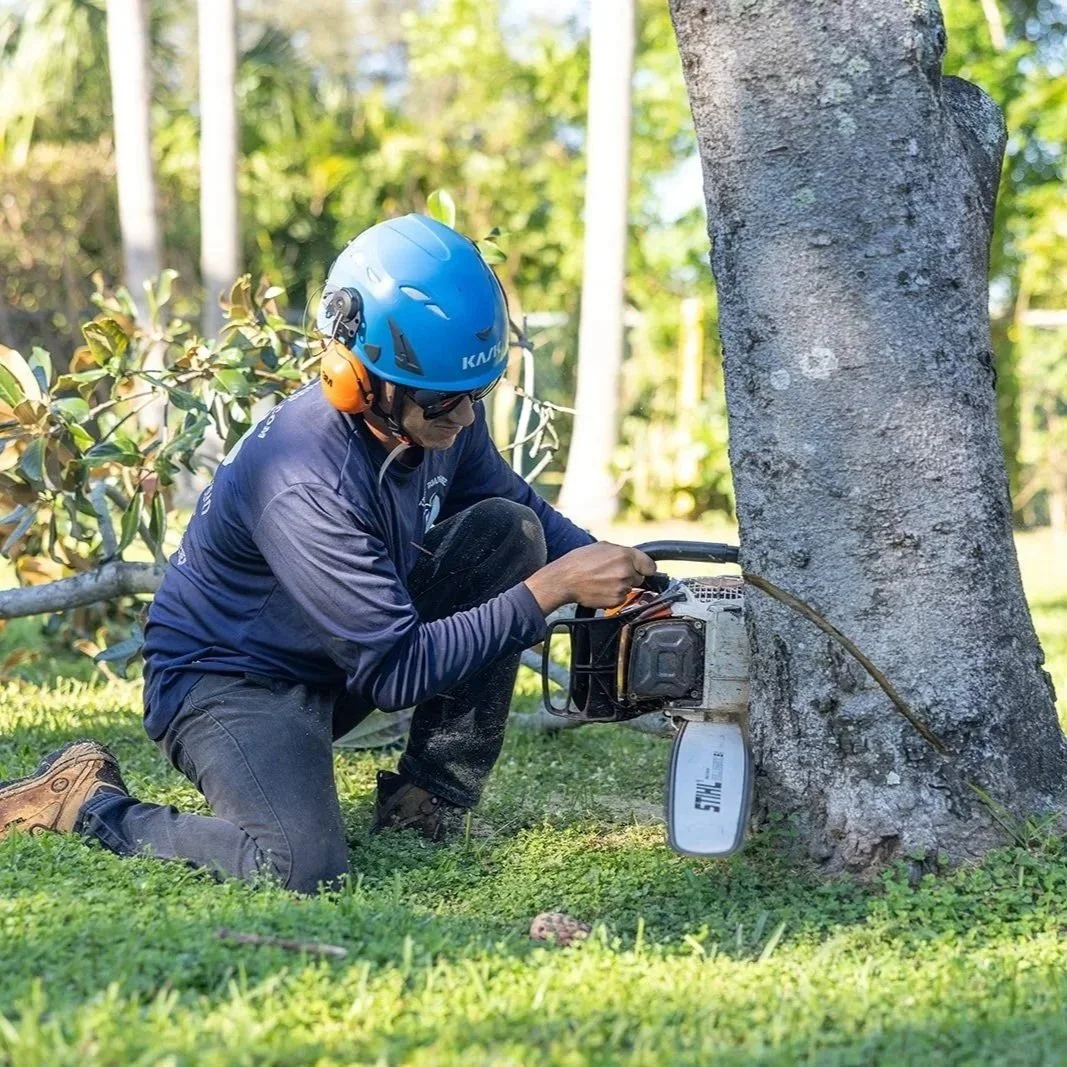
Avoid common pruning mistakes in Largo by timing cuts correctly and using techniques suited for local tree species.
Understanding Tree Pruning in Largo’s Climate
Tree pruning in Largo, FL, operates under conditions that differ sharply from cooler or drier regions, and many common mistakes stem from ignoring those differences. Largo’s humid subtropical climate supports nearly year-round growth, frequent rainfall, and prolonged moisture retention within tree canopies. These conditions accelerate recovery when pruning is done correctly, but they also magnify the consequences of poor timing, improper cuts, and overly aggressive techniques. Fresh wounds remain damp longer, fungal spores spread easily, and insects exploit stressed trees quickly. Pruning that might be forgiven in a dry climate can create long-term decline in Largo when biological responses are misunderstood.
Local tree species compound the issue. Live oaks, laurel oaks, palms, magnolias, and ornamental shrubs all respond differently to cutting pressure, heat, and moisture. Over-thinning exposes inner limbs to sunscald, while heavy pruning during peak growth triggers weak, fast-growing shoots that fail during storms. Largo’s proximity to coastal weather systems further stresses trees through wind, salt exposure, and saturated soils. Understanding these regional pressures provides the foundation for avoiding the most damaging pruning mistakes and making decisions that support long-term stability rather than short-term appearance.
Why Proper Pruning Matters for Long-Term Tree Health
Correct tree pruning supports airflow, light penetration, and balanced structure, all of which are essential in Largo’s humid environment. Improved air circulation allows foliage to dry faster after rain, reducing fungal disease pressure and discouraging pests that thrive in dense, shaded canopies. Removing poorly attached limbs lowers the risk of storm damage, while managing growth direction prevents branches from encroaching on roofs, power lines, and driveways common in residential neighborhoods.
Mistakes in pruning rarely show immediate consequences. Structural weaknesses, decay, and stress responses often develop gradually, surfacing years later as storm failures or declining health. Trees pruned with restraint and biological awareness tend to withstand tropical weather more effectively and maintain stronger branch unions over time. In Largo, where mature trees contribute shade, cooling, and property value, avoiding pruning mistakes protects both the landscape and the investment it represents.
Mistake One: Pruning at the Wrong Time of Year
Timing errors remain one of the most common pruning mistakes in Largo. Warm temperatures and steady moisture lead many homeowners to believe that tree pruning can occur at any time without consequence. While light maintenance may be tolerated year-round, heavier pruning during active growth periods places unnecessary stress on trees. Fresh cuts stay moist longer in humid conditions, increasing exposure to decay organisms and insect activity that thrive locally.
Late summer and early fall pruning creates additional risk. Cuts made during these months often trigger tender new growth that lacks time to harden before storms arrive. Weak shoots bend and snap easily, and structural imbalance increases strain on remaining limbs. Disease pressure also peaks during warm, wet periods, slowing wound closure. In many cases, limiting late-season pruning to removing dead or hazardous limbs and postponing shaping cuts until conditions improve reduces long-term damage.
Mistake Two: Topping Trees and Over-Reducing Canopies
Tree topping remains one of the most damaging pruning practices in Largo landscapes. Cutting large limbs back to stubs creates extensive wounds that are slow to heal in hot, humid conditions. Moisture lingers on exposed wood, accelerating decay and inviting insects deep into the tree’s structure. Over time, internal rot spreads unnoticed, weakening trunks and major limbs from the inside.
Topping also triggers a stress response that produces rapid, upright shoots near the cuts. These shoots grow quickly but attach poorly, creating clusters of weak growth that break easily during storms. In Largo’s wind-prone environment, topped trees often become more hazardous than before pruning. Beyond safety concerns, topping destroys natural form, leading to distorted silhouettes that detract from curb appeal and require ongoing corrective work.
Mistake Three: Lion-Tailing and Excessive Thinning
Lion-tailing occurs when interior branches are removed, leaving foliage concentrated at the tips of long limbs. While this practice may appear tidy initially, it creates serious structural problems. Weight shifts outward, placing excessive stress on branch attachments that were never designed to withstand it. During storms, long exposed limbs whip violently, increasing failure risk, especially when saturated soils reduce root stability.
Over-thinning also weakens tree health by reducing photosynthetic capacity. Interior foliage plays a vital role in energy production and structural balance. Removing it stresses the tree and reduces its ability to withstand environmental pressure. In Largo, where heat and humidity already tax trees, lion-tailing often accelerates decline rather than improving performance.
Mistake Four: Making Improper Cuts or Leaving Stubs
Correct tree pruning depends on understanding branch anatomy. Cuts should be made just outside the branch collar, allowing the tree to compartmentalize wounds and limit decay. Cutting too close removes this protective tissue, while leaving long stubs prevents proper closure. Both mistakes are common and damaging.
Flush cuts expose large areas of wood that remain vulnerable in Largo’s climate, allowing fungi and insects to penetrate deeply. Stub cuts die back slowly, becoming entry points for decay that spreads into healthy tissue. Both errors weaken the structure and increase the likelihood of failure in the future. Clean, correctly placed cuts support faster closure and stronger long-term integrity.
Mistake Five: Over-Pruning Shrubs and Hedges
Frequent shearing weakens shrubs by forcing growth to the outer surface while interior branches decline. Over time, plants develop dense shells that hide dead wood, restricting airflow and increasing disease risk. In Largo’s fast-growing conditions, constant trimming drains energy reserves, leaving shrubs vulnerable to pests and stress.
Flat-topped hedges create additional problems by blocking sunlight from lower branches, leading to thinning and bare sections near the base. A gently tapered shape supports even growth and better light distribution. Reducing pruning frequency and shifting toward selective thinning helps shrubs regain structure, resilience, and long-term health.
Mistake Six: Improper Palm Pruning
Palms differ fundamentally from shade trees, yet they are often pruned aggressively in Largo landscapes. Removing healthy green fronds limits energy production and weakens the palm’s ability to recover from stress. The widely practiced hurricane cut strips palms of vital resources, increasing rather than reducing storm damage risk.
Effective palm pruning focuses on restraint. Only dead, broken, or diseased fronds should be removed, along with flower stalks when necessary. Maintaining a full, balanced crown allows palms to flex in the wind and sustain health over time. Over-pruned palms frequently suffer nutrient deficiencies, disease, and structural decline that cannot be reversed.
Mistake Seven: Ignoring Disease and Tool Sanitation
Pruning without addressing disease can quickly spread problems in Largo’s climate. Contaminated tools transfer pathogens between plants, turning isolated issues into landscape-wide outbreaks. Cleaning blades between cuts, especially after removing diseased wood, significantly reduces the risk of transmission.
Recognizing disease symptoms such as leaf spotting, cankers, dieback, or oozing sap informs pruning decisions. Some conditions require immediate removal, while others benefit from waiting for drier conditions. Random or aggressive cutting often worsens disease spread. Pruning works best as part of a broader plant health strategy rather than a standalone fix.
Mistake Eight: Using the Wrong Tools or Unsafe Equipment
Tool choice plays a direct role in how well trees recover after tree pruning, yet it is frequently overlooked. Using undersized tools crushes wood fibers instead of making clean cuts, while dull blades tear bark and leave jagged wounds that retain moisture. In Largo’s humid environment, slow-healing cuts become prime entry points for fungal spores and insects. Clean, sharp tools sized appropriately for the branch diameter support faster compartmentalization and reduce disease risk.
Safety issues often follow poor tool decisions. Ladders on soft or wet ground, overhead cutting, and power tool use without training dramatically increase injury risk. Many pruning accidents occur not because the task was complex, but because the equipment encouraged overreach or rushed cuts. Keeping pruning work within ground-level reach and reserving power tools or elevated work for professionals protects both the tree and the homeowner.
Mistake Nine: Neglecting Young Tree Training
Many of Largo’s most serious tree problems begin early in a tree’s life. Without early structural guidance, young trees develop co-dominant stems, poor branch spacing, and weak attachment angles that worsen as growth accelerates. In a climate that promotes fast development, minor defects quickly become significant hazards. Early tree pruning focuses on guiding structure rather than reducing size, allowing the tree to mature with a stable framework.
Failing to address these issues early often leads to expensive, high-risk pruning later or complete removal after storm failure. Small corrective cuts made during the first few years heal quickly and prevent decades of structural problems. Young trees trained properly require less intervention over time and handle Largo’s storms with far greater resilience.
Mistake Ten: Ignoring Clearance and Safety Around Structures
Trees that grow unchecked near roofs, gutters, siding, and power lines create ongoing risks. Branches rubbing structures trap moisture, damage surfaces, and clog drainage systems, especially during heavy rain. Over time, these issues lead to costly repairs that could have been avoided with timely tree pruning.
Utility clearance presents even greater danger. Homeowners should never attempt pruning near energized lines, as even small branches can cause serious injury or outages. Coordinating with utility providers and professional arborists ensures clearance work is handled safely and legally. Maintaining proper spacing around walkways and driveways also improves visibility and reduces accident risk in residential areas.
Mistake Eleven: Overlooking Root and Soil Impacts
Tree pruning affects more than the canopy. Leaves fuel root growth, and excessive canopy loss reduces energy available below ground. In Largo’s sandy or compacted soils, roots already face challenges related to drainage and oxygen availability. Heavy pruning disrupts this balance, often leading to root decline that shows up later as instability or drought stress.
Signs of stress after over-pruning include yellowing leaves, dieback, and increased pest activity. Recovery requires time, proper watering, and avoiding additional cuts. In some cases, pruning cannot correct underlying site problems such as poor drainage or root damage from construction. Recognizing when pruning is not the solution prevents further decline and unnecessary expense.
Mistake Twelve: Taking on Work Beyond Your Skill Level
One of the most costly mistakes homeowners make is attempting tree pruning that exceeds their experience or equipment. Large limbs, elevated work, proximity to structures, and hidden decay create unpredictable conditions. Largo’s fast growth and frequent storms increase the likelihood that branches fail unexpectedly during cutting.
Certified arborists bring training in biology, risk assessment, and safety practices that extend beyond cutting technique. Their involvement reduces liability, preserves tree health, and often prevents emergencies later. Combining limited DIY maintenance with periodic professional care offers the most balanced and cost-effective approach for most Largo properties.
Conclusion
Tree pruning in Largo, FL demands an understanding of local climate, species behavior, and long-term tree biology. Many common mistakes, including poor timing, topping, over-thinning, improper cuts, aggressive palm pruning, and unsafe DIY practices, weaken trees and increase risk rather than improving safety or appearance. These issues often develop slowly, surfacing years later as storm damage, decline, or costly removals.
Successful pruning emphasizes restraint, structure, and informed decision-making. Addressing safety first, guiding growth early, and respecting how trees respond to cuts creates stronger, more resilient landscapes. Homeowners who pair thoughtful maintenance with professional support for complex work protect both their trees and their property. In Largo’s demanding environment, avoiding these common pruning mistakes helps trees remain healthy, attractive, and valuable assets for decades.
Tree Pruning FAQs in Largo, FL
Tree pruning frequency depends on species, age, and growth rate rather than a fixed schedule. Many mature trees benefit from professional inspection every two to five years, while young or fast-growing trees may need more frequent structural guidance. Regular visual checks help identify issues early and prevent over-pruning.
Topping and excessive thinning consistently increase storm damage risk. These practices create weak regrowth and disrupt natural wind movement. Structural pruning that targets specific limbs provides far better storm resilience without compromising long-term health.
Professional help is recommended for large branches, work above ground level, proximity to structures or power lines, or any situation involving climbing or power equipment. Certified arborists reduce safety risks and prevent pruning mistakes that lead to long-term damage.
Pruning can support disease management when cuts are precise and tools are sanitized, but improper pruning often worsens the spread. Identifying the disease and timing cuts carefully matters, and professional guidance is often beneficial when symptoms are severe or unfamiliar.
