
How Tree Pruning Improves Tree Health in Largo, FL
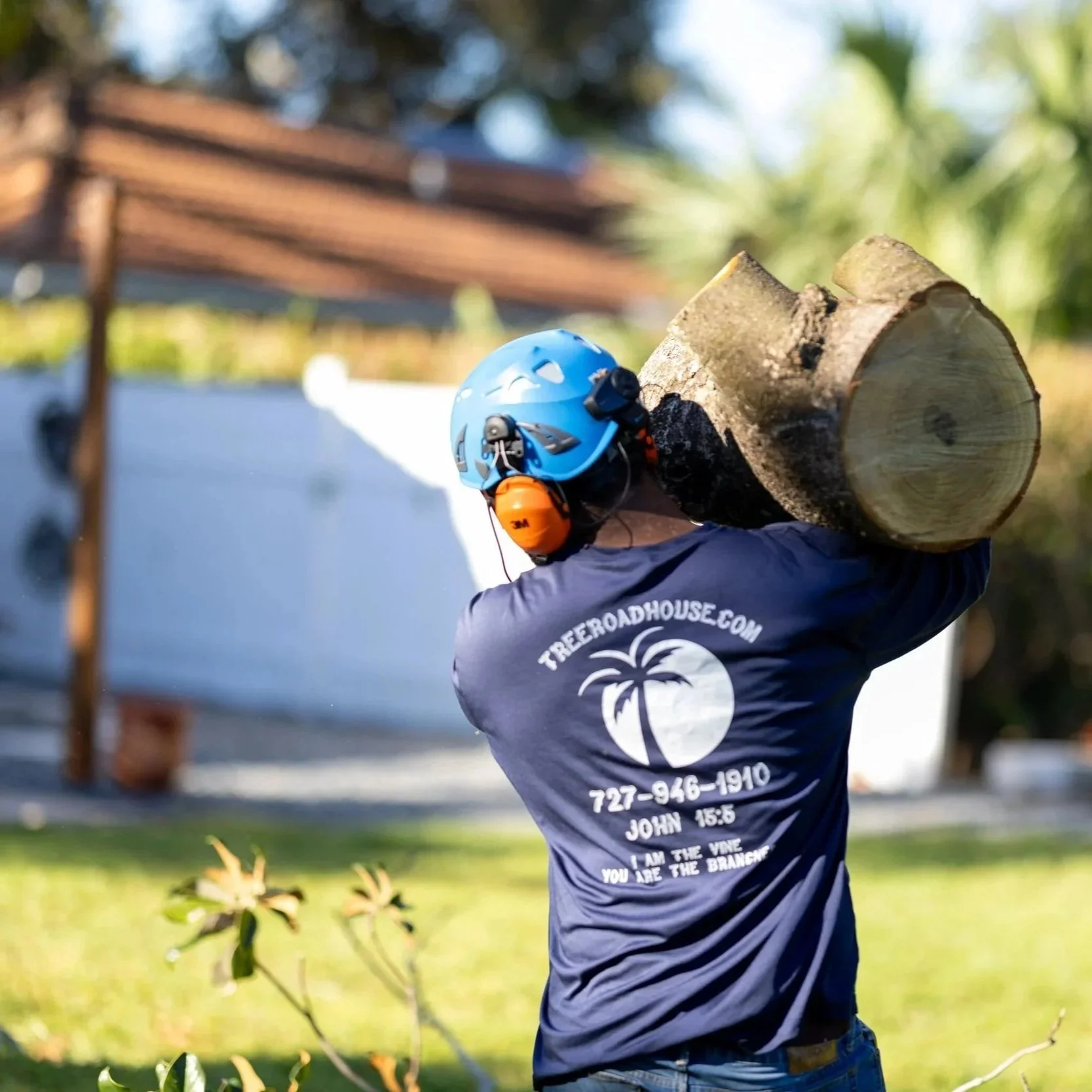
Regular pruning guides tree growth, reduces stress, and protects both trees and property from Largo’s storm-prone climate, says certified arborist.
Why Tree Pruning Matters in Largo’s Climate
Tree pruning plays a critical role in long-term tree health in Largo, FL, where trees face constant environmental pressure and rarely experience true dormancy. Warm temperatures, high humidity, frequent rain, and seasonal storm systems encourage rapid growth that can appear healthy on the surface while masking structural and biological stress beneath the canopy. Without intentional pruning, trees often develop dense interiors, unbalanced limb weight, and weak branch attachments, reducing airflow and increasing vulnerability to disease, pests, and storm damage.
In Largo neighborhoods where trees grow close to homes, driveways, sidewalks, and utilities, unmanaged growth compounds risk over time. Problems rarely appear overnight. They develop gradually as excess canopy weight strains branch unions and moisture becomes trapped inside crowded foliage. Strategic Tree pruning works proactively, shaping growth before stress accumulates to damaging levels. By guiding structure and improving internal conditions, pruning supports healthier growth patterns and reduces the likelihood of sudden failure during storms common to the area.
Largo’s Climate, Soils, and Local Tree Growth Patterns
Largo lies within a humid subtropical climate, which creates unique challenges for tree health and maintenance. Sandy soils drain quickly yet hold limited nutrients, encouraging rapid top growth after rainfall while limiting deep root development. Afternoon thunderstorms, prolonged wet seasons, and periodic tropical systems subject trees to repeated cycles of saturation and drying that test both root stability and branch strength. Trees respond by growing fast, often faster than their structure can safely support without guidance.
Common Largo tree species such as live oaks, laurel oaks, slash pine, palms, magnolias, and crape myrtles each respond differently to these conditions. Live oaks benefit from early structural pruning to prevent heavy lateral limbs, while laurel oaks require closer monitoring due to weaker wood and higher decay potential. Palms follow an entirely different biological model and suffer when treated like broadleaf trees. Effective tree pruning in Largo accounts for species behavior, site conditions, and long-term stress patterns rather than relying on generic pruning rules.
What Tree Pruning Actually Is and Why Technique Matters
Tree pruning refers to the selective removal of specific branches to support health, safety, and structural balance. Proper pruning targets dead wood, diseased growth, weak attachments, and branches that interfere with airflow or safe clearance. Each cut is intentional, considering how the tree will respond biologically and structurally over time. The objective centers on long-term function rather than immediate appearance.
This approach differs sharply from cutting or topping, which removes large portions of the canopy without regard for tree biology. Topped trees respond with fast, weak shoots that attach poorly and break easily, especially during storms. Excessive thinning exposes bark to sun damage and increases stress, opening pathways for decay organisms that thrive in Largo’s warm, humid environment. Tree pruning strengthens trees by improving airflow, redistributing weight, and preserving natural form, which directly affects resilience and longevity.
How Trees Respond Biologically to Pruning
Trees do not heal wounds in the way animals do. Instead, they isolate injuries through a process known as compartmentalization, forming internal barriers that slow the spread of decay. Proper tree pruning respects this process by placing cuts just outside the branch collar, allowing the tree to defend itself effectively. Poor cuts that damage the collar or leave long stubs interfere with compartmentalization and allow decay to penetrate deeper into the trunk.
Pruning also affects how a tree allocates energy. Dead or poorly positioned branches continue drawing resources despite offering no benefit. Selective tree pruning redirects that energy toward healthy canopy growth, stronger branch attachments, and improved root support. In Largo’s storm-prone environment, reducing excess weight and correcting imbalance lowers stress during high winds and heavy rain. Trees pruned with biological response in mind tend to maintain vigor longer and experience fewer structural failures.
Core Pruning Objectives and Their Health Benefits
Different pruning objectives produce different health outcomes. Crown cleaning removes dead, diseased, or broken branches that harbor decay and attract pests. Crown thinning selectively removes branches to open the interior canopy, improving airflow and light penetration without altering the tree’s natural shape. Crown reduction shortens specific limbs to manage size and weight while maintaining proper structure, and crown raising improves clearance over walkways, driveways, and structures common in residential Largo properties.
Each objective affects tree health in specific ways. Thinning reduces moisture retention and disease pressure, while reduction prevents overextension that leads to failure. Improper application creates stress, weak regrowth, or long-term instability. Tree pruning remains effective only when the chosen method aligns with species behavior, site constraints, and long-term growth expectations rather than short-term convenience.
How Pruning Improves Overall Tree Health
Removing dead, diseased, and declining branches directly improves tree health by eliminating nonfunctional growth that drains resources. In Largo’s climate, dead wood quickly becomes a breeding ground for fungi and insects that spread into healthy tissue. Tree pruning removes these liabilities before decay advances, preserving structural integrity and reducing the need for heavier corrective work later.
Pruning also improves internal canopy conditions. Dense foliage traps moisture and blocks sunlight, creating ideal conditions for fungal disease and reducing photosynthetic efficiency. Selective thinning allows foliage to dry faster after rain and supports healthier leaf function. Balance remains essential, since excessive removal increases stress and sun exposure. Proper tree pruning improves internal conditions while maintaining enough canopy to protect the tree and sustain growth.
Reducing Structural Stress and Supporting Root Health
Structural stress develops gradually as trees mature, especially when growth remains unchecked. Long, overextended limbs place constant strain on branch unions, while competing leaders create weak attachment points. Tree pruning reduces these stresses by redistributing weight and guiding growth into more stable forms. Early intervention prevents larger failures that cause extensive damage to healthy wood and surrounding property.
Canopy balance directly affects root health. Oversized crowns demand more water and nutrients than compromised roots can supply, especially in sandy or compacted soils common in Largo. Pruning restores balance between the canopy and the root system, allowing roots to function more efficiently and improve anchorage. Over time, balanced growth supports stronger roots, steadier development, and better storm performance.
Pruning for Disease and Pest Management in Largo, FL
Largo’s warm temperatures, high humidity, and frequent rainfall create ideal conditions for many tree diseases to thrive. Fungal issues, such as leaf spot, cankers, and root-related decay organisms, spread more easily when moisture lingers inside dense canopies. Trees that lack airflow and light penetration struggle to dry after rain, allowing minor infections to escalate into widespread health problems. Tree pruning plays a preventive role by removing infected branches and opening the canopy, making internal conditions less favorable for disease development.
Pruning decisions must account for timing and accuracy. Removing diseased material at the correct cut location supports natural defense responses, while poor technique can worsen exposure. In Largo, pruning during extended wet periods increases the chance that pathogens enter fresh cuts before compartmentalization begins. When disease symptoms appear unclear or widespread, professional evaluation helps determine whether pruning alone is appropriate or if additional treatment is needed to protect long-term tree health.
Pest pressure follows similar patterns. Many insects common in Largo, including borers, scale insects, aphids, and caterpillars, target trees already under stress. Dead or declining branches provide ideal entry points and shelter for infestations that often go unnoticed until damage becomes extensive. Tree pruning removes the material pests prefer, improving overall vigor and making trees less attractive and more resilient. Thinning crowded growth also improves visibility, making early detection easier before infestations spread into healthy tissue.
Storm Resilience and Structural Pruning
Storm exposure remains one of the most significant threats to trees in Largo. Heavy rain saturates sandy soils and weakens root anchorage, while sudden wind gusts place intense stress on branches and trunks. Trees with poor structure are more likely to fail under these conditions, often causing damage to homes, vehicles, and power lines. Tree pruning supports storm resilience by addressing vulnerabilities long before severe weather arrives.
Structural pruning focuses on correcting issues such as co-dominant stems, overextended limbs, and uneven canopy weight. Co-dominant stems create weak unions that split under pressure, especially as trees mature. Reducing or redirecting competing leaders early allows trees to develop stronger frameworks with less invasive intervention. In mature trees, arborists may combine selective pruning with support systems when preservation remains feasible.
Reducing wind sail represents another critical storm-related benefit. Dense outer canopies and long horizontal limbs catch wind like sails, transferring force directly into branch attachments and roots. Tree pruning reduces this effect through careful thinning and reduction that preserves natural form while improving flexibility. Trees treated this way bend more effectively during storms and recover faster afterward, maintaining stability rather than suffering catastrophic failure.
Timing Tree Pruning in Largo’s Climate
Timing influences how well trees recover from pruning. Largo’s climate lacks a true dormant season, but growth slows during cooler months, providing a more forgiving window for many species. Late winter through early spring often works well for shade trees and ornamentals, allowing cuts to stabilize before intense heat, rain, and storm activity return. Disease pressure is also typically lower during these periods, reducing infection risk.
Storm preparation pruning works best when performed well ahead of hurricane season. Gradual structural improvements allow trees time to adapt and strengthen, while last-minute heavy pruning often adds stress without meaningfully improving safety. Certain conditions call for delaying pruning altogether, including extreme heat, drought stress, recent storm damage, or active disease spread. In these cases, professional guidance helps determine whether pruning will aid recovery or cause further harm.
Young Trees Versus Mature Trees
Tree pruning strategies differ significantly between young and mature trees. Early structural pruning in young trees sets the foundation for long-term health, stability, and safety. Small corrective cuts guide branch placement, establish strong central structure where appropriate, and prevent defects from becoming permanent. In Largo, where storms test tree structure repeatedly, early pruning is one of the most effective long-term investments a property owner can make.
Mature trees require a more conservative approach. Large trees depend on extensive leaf surface for energy production, and excessive removal weakens them quickly. Pruning priorities shift toward deadwood removal, hazard reduction, and subtle structural adjustments rather than reshaping. Many mature trees benefit from phased pruning over multiple years, allowing gradual adaptation while preserving shade, appearance, and biological stability.
DIY Pruning Versus Professional Arborist Services
Some tree pruning tasks fall within a homeowner's capability when limited to small branches reachable from the ground with hand tools. Removing minor deadwood or lightly shaping small ornamentals can often be done safely with proper technique and awareness. Understanding where to cut relative to the branch collar remains essential, as poor cuts can create long-term problems even during simple tasks.
Situations involving large limbs, climbing, chainsaws at height, or proximity to power lines require professional involvement. Certified arborists bring training, equipment, and insurance coverage that protect both people and property. In Largo, homeowners benefit from choosing providers who follow established pruning standards and emphasize long-term tree health rather than aggressive cutting practices that create future risk.
Tree Pruning FAQs in Largo, FL
Tree pruning frequency depends on species, age, location, and overall condition. Many mature shade trees benefit from professional inspection every two to five years, while younger or faster-growing trees may require more frequent structural guidance. Regular visual monitoring helps identify issues between professional visits.
Homeowners can safely handle minor pruning of small, low branches when using proper tools and techniques. Tasks involving climbing, large limbs, or work near power lines pose significant risk and should be handled by certified arborists with appropriate equipment and training.
Topping, removing excessive live canopy, cutting into the branch collar, and leaving long stubs all harm tree health and increase failure risk. These practices weaken structure, invite decay, and lead to unstable regrowth that performs poorly in storms.
Late winter through early spring often works well for many trees, but ideal timing varies by species and condition. Flowering trees, palms, and stressed trees may require different schedules. Local arborist guidance helps match timing to Largo’s climate and tree needs.
Tree pruning reduces storm damage risk by correcting structural weaknesses, reducing excess weight, and improving flexibility. While no pruning eliminates all risk, proactive maintenance significantly improves resilience during high winds and heavy rain.
Proper tree pruning supports a longer lifespan by reducing disease pressure, improving structure, and helping trees manage environmental stress. Trees that are consistently maintained tend to remain healthier and safer than those left unmanaged or cut improperly.
