
Expert Techniques for Tree Trimming in Largo, FL
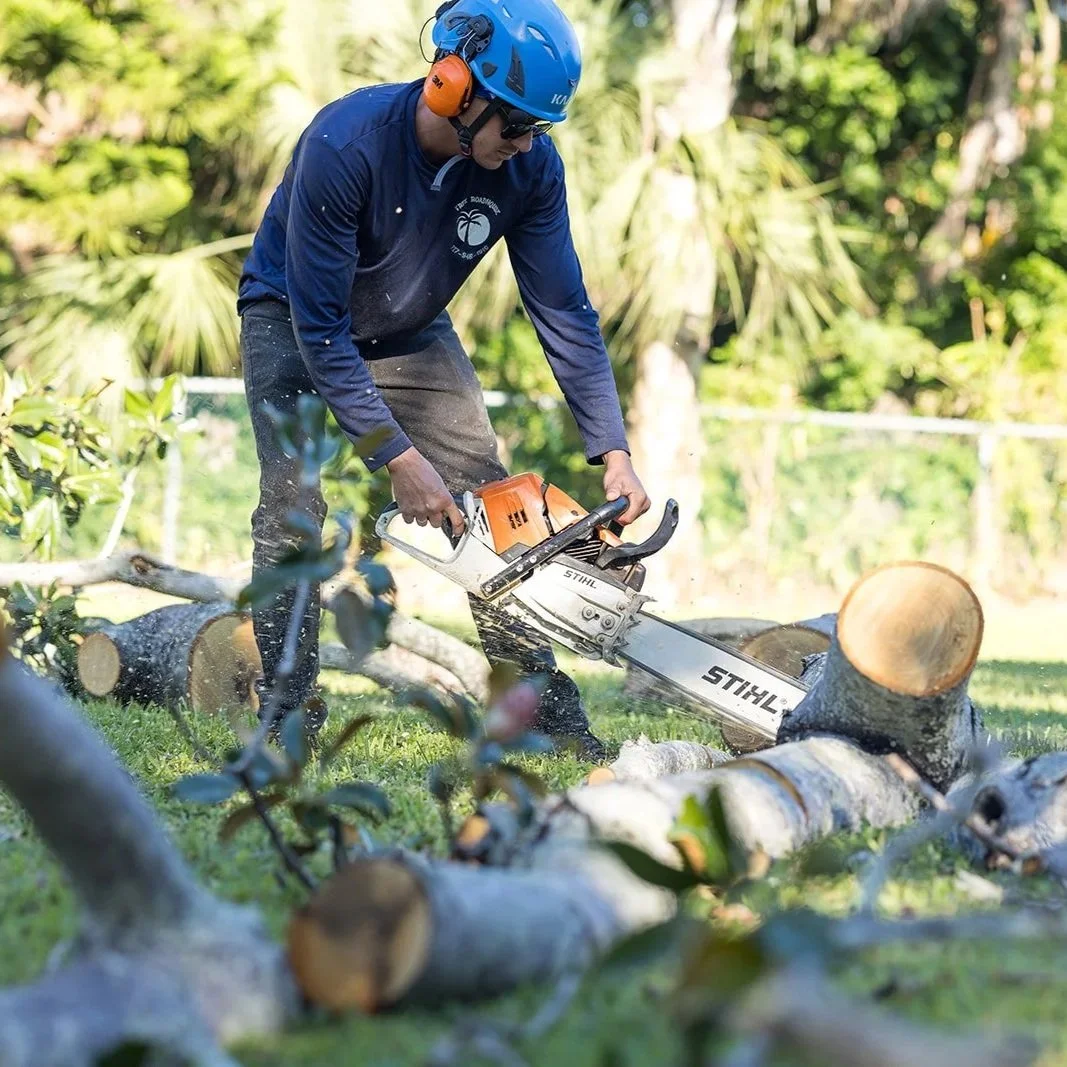
Professional arborist trimming a large live oak in Largo, FL, ensuring balanced canopy and healthy tree growth.
Why Expert Tree Trimming Matters in Largo, FL
Tree trimming in Largo, FL, carries higher stakes than in many other regions due to the city’s subtropical climate, frequent storms, and fast growth cycles. Warm temperatures and consistent moisture push trees to grow aggressively, leading to structural imbalances, overcrowded canopies, and clearance issues that develop faster than many property owners expect. In this environment, trimming decisions influence not only appearance but also storm performance, safety, and long-term tree viability. A cut that seems minor can alter wind resistance, expose bark to sun stress, or create decay pathways that worsen over time.
Expert tree trimming relies on arboricultural principles adapted to local conditions rather than generic cutting habits. Largo’s live oaks, palms, ornamentals, and fruit trees all respond differently to trimming, especially when humidity slows wound closure and fungal pressure remains high year-round. Experienced trimming balances canopy density, weight distribution, and natural form while accounting for soil conditions and storm exposure. Understanding when trimming supports health and when it risks long-term damage allows property owners to protect both their landscape investment and surrounding structures.
Benefits of Proper Tree Trimming for Largo Properties
Consistent, well-executed tree trimming improves both safety and performance for residential and commercial properties across Largo. Removing dead, damaged, or overcrowded branches allows trees to allocate energy more efficiently, supporting stronger growth patterns and reducing internal stress. Balanced canopies place less strain on trunks and root systems, which is essential in sandy soils that offer limited anchoring strength. Improved airflow through the canopy also reduces moisture retention, lowering disease pressure common in humid Florida conditions.
Storm readiness represents one of the most tangible benefits of expert trimming. Selective thinning and reduction reduce wind resistance, allowing trees to flex rather than fail during storms. Keeping limbs clear of roofs, windows, signage, and power lines lowers the risk of costly damage and emergencies. Over time, properly trimmed trees require fewer drastic interventions, preserving shade, curb appeal, and property value while minimizing liability exposure during severe weather events.
Understanding Largo’s Climate and Its Impact on Tree Trimming
Largo’s humid subtropical climate creates a nearly continuous growing season, accelerating canopy development and increasing trimming frequency. Trees produce dense foliage quickly, and without regular attention, internal crowding develops, trapping moisture and encouraging pests and decay. Improper trimming during active growth periods often leads to rapid but weak regrowth that locks in structural problems rather than correcting them. Timing and technique become inseparable from successful outcomes in this environment.
Storm patterns further shape trimming priorities. Thunderstorms and tropical systems test branch attachments, canopy balance, and root stability. Expert tree trimming reduces wind resistance without stripping protective foliage, favoring gradual adjustments that allow trees time to recover. Soil conditions also matter, as sandy or compacted soils reduce root anchoring strength. Trimming decisions that ignore root limitations can shift weight outward or upward, increasing uprooting risk. Effective trimming considers the entire tree system, not isolated branches.
Common Tree Trimming Mistakes That Undermine Tree Health
Many long-term tree problems in Largo originate from trimming mistakes that prioritize short-term appearance over structure. Topping removes large portions of the canopy, creating oversized wounds and forcing weak regrowth that fails easily in storms. Lion-tailing strips interior branches, shifting weight outward and stressing limbs during high winds. Flush cuts damage protective tissues, while long stubs slow wound closure and invite decay, especially in humid conditions.
Poor timing compounds these issues. Trimming during peak heat, drought stress, or immediately before storm season increases vulnerability rather than reducing risk. Palms suffer from over-pruning practices such as hurricane cuts that remove healthy fronds and weaken the growth point. These mistakes often appear harmless at first, but their effects compound over the years, leading to decline, breakage, or premature removal. Avoiding them requires understanding how trees respond biologically to cuts rather than relying solely on visual tidiness.
Core Tree Trimming Principles Every Largo Property Owner Should Know
Tree trimming succeeds when it aligns with how trees compartmentalize wounds and manage energy. Trees isolate damaged tissue rather than healing it, which means cut size and placement directly influence long-term outcomes. Branch collars contain specialized tissue that supports defense and closure, and cutting just outside these areas gives trees the best chance to limit decay. Larger or poorly placed cuts remain exposed longer in Largo’s humidity, increasing fungal and insect activity.
Different objectives call for different techniques. Thinning cuts remove entire branches to improve airflow without altering size, reduction cuts shorten limbs while preserving natural form, and removal cuts address dead or hazardous growth. Overuse of any one method creates imbalance. Expert trimming applies the right cut for the goal, preserving a full, balanced canopy that protects bark, supports photosynthesis, and distributes weight evenly across the structure.
Tree Species Considerations in Largo, FL
Live oaks and native hardwoods dominate many Largo landscapes and require trimming that respects their natural, spreading form. Selective thinning and gradual crown raising maintain strength without exposing sensitive inner wood. Over-thinning or forcing compact shapes weakens these trees and increases storm failure risk. Managing lateral limbs early prevents excessive leverage while preserving shade and character.
Palms demand a fundamentally different approach. Because palms grow from a single central bud, removing healthy fronds permanently reduces energy reserves and increases vulnerability. Proper trimming limits removal to fully dead fronds, hazardous hangers, and seed pods when necessary. Avoiding hurricane cuts preserves nutrient storage and storm performance. Ornamentals and flowering trees require timing awareness to protect bloom cycles, while fruit trees rely on trimming to balance airflow, productivity, and structural safety in humid conditions.
Safety and Risk Management in Tree Trimming
Tree trimming involves inherent risks that increase with height, branch size, and proximity to structures or utilities. Flying debris, falling limbs, and tool kickback pose constant hazards, making protective equipment essential even for small jobs. Site assessment before cutting identifies decay, lean, overhead hazards, and ground conditions that influence safety. Largo’s frequent storms and saturated soils further complicate footing and branch behavior during trimming.
Working near power lines requires specialized training and equipment and should never be attempted by homeowners. Weather conditions also matter, as wind, rain, and lightning dramatically increase risk. Heat and humidity contribute to fatigue and impaired judgment, making hydration and pacing critical. Recognizing personal limits and stepping back from complex or hazardous situations reflects sound judgment and prevents accidents that far outweigh the cost of professional help.
Advanced Techniques for Trimming Palms, Ornamentals, and Fruit Trees
Palm trimming in Largo centers on restraint and biological awareness. Removing only fully dead fronds protects nutrient flow and shields the trunk from sun stress. Clean cuts near the trunk avoid tearing tissue around the crown, and seed pod removal improves safety without harming growth when done carefully. Over-pruning remains one of the most common causes of palm decline, particularly when healthy fronds are removed for appearance alone.
Ornamental and flowering trees benefit from selective trimming that enhances natural form rather than imposing rigid shapes. Timing around bloom cycles preserves seasonal displays, while correcting past damage requires gradual, multi-season improvement rather than drastic cuts. Fruit trees rely on trimming to manage airflow, light penetration, and branch strength. Early training establishes strong frameworks, while ongoing maintenance balances fruit load and reduces disease pressure common in Largo’s humidity.
Storm Preparation and Post-Storm Tree Trimming Strategies
Proactive storm preparation trimming identifies and removes high-risk branches before winds test weak points. Deadwood, cracked limbs, and heavy overextended branches pose the greatest threats to roofs, driveways, and outdoor spaces. Reducing wind resistance through selective thinning and reduction allows canopies to release wind energy rather than resist it. Over-pruning immediately before storms often increases risk by stressing trees and triggering weak regrowth.
After storms, inspections focus on safety first. Hanging limbs, split branches, and signs of root movement require careful evaluation. Corrective trimming supports recovery by making clean cuts at break points and reducing stress on compromised limbs. Some trees stabilize with proper care, while others suffer irreversible damage and require removal to protect surrounding property. Prompt, informed response reduces secondary failures and long-term decline.
Local Regulations and Best Practices in Largo, FL
Largo’s tree protection ordinances influence how trimming and removal occur, particularly for large canopy or protected trees. Significant canopy reduction or work within public rights-of-way may require permits and review. Understanding local regulations prevents fines, delays, and required remediation after work begins. Coordination becomes especially important near sidewalks, streets, and utility corridors where public safety and infrastructure are involved.
Ethical trimming also considers environmental impact. Trees provide shade, wildlife habitat, stormwater management, and cooling benefits that support the broader community. Avoiding unnecessary removal, respecting nesting seasons, and preserving mature canopy where possible maintain these benefits while addressing safety concerns. Responsible trimming balances private needs with community resilience.
When to Call a Professional Arborist in Largo
Certain situations exceed safe do-it-yourself limits, including tall trees, large limbs over structures, visible decay, severe lean, or proximity to power lines. Certified arborists bring training, insurance, and equipment suited to managing these risks while preserving tree health. Evaluating a tree service involves verifying credentials, understanding proposed techniques, and confirming adherence to recognized standards.
Long-term relationships with qualified professionals support proactive care through periodic inspections and staged maintenance. This approach reduces emergencies, spreads costs over time, and preserves mature trees that add value to Largo properties. Expert tree trimming functions best as an ongoing process rather than isolated reactions to visible problems.
Conclusion
Expert tree trimming in Largo, FL, integrates arboricultural science with an understanding of local climate, species behavior, and storm exposure. Proper techniques protect tree health, improve safety, and preserve the visual and functional value of landscapes shaped by fast growth and frequent weather challenges. By avoiding common mistakes, respecting biological limits, and aligning trimming goals with long-term outcomes, property owners support resilient trees that perform better year after year.
Tree Trimming FAQs in Largo, FL
Tree trimming frequency depends on species, age, and growth rate. Large shade trees often benefit from professional evaluation every 1 to 3 years, while ornamentals and fruit trees usually require lighter annual maintenance to manage density and structure.
Cooler, drier months generally suit major structural trimming, while light safety maintenance can occur year-round. Timing adjustments may be necessary for flowering and fruiting species to protect blooms and yields.
Small, ground-level trimming tasks may be manageable with proper tools and precautions. Larger branches, height work, storm damage, or proximity to power lines require professional expertise due to increased risk.
Yes. Certain trees, canopy reductions, and locations may require permits or review. Checking current Largo ordinances before significant work prevents compliance issues and unexpected penalties.
