
How Often Should You Trim Trees in Largo, FL?
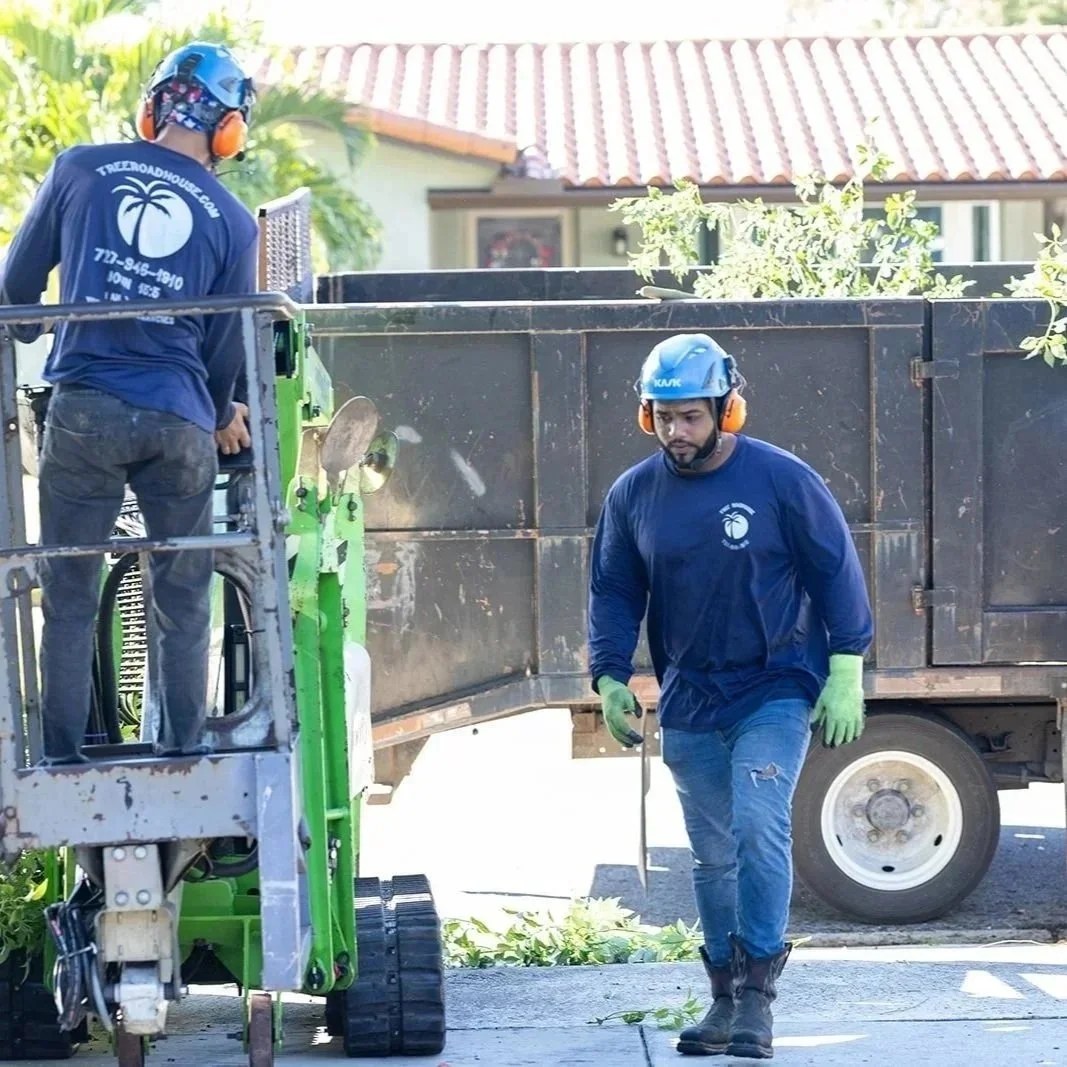
Regular tree trimming in Largo helps manage growth, reduce hazards, and preserve tree health year-round.
Why Tree Trimming Frequency Matters in Largo, FL
Tree trimming in Largo, FL, works best when treated as ongoing property care rather than an occasional task handled only when branches become a problem. The region’s warm temperatures, frequent rainfall, and long growing seasons allow trees to grow taller, spread wider, and develop denser canopies far faster than many homeowners anticipate. Branches extend outward, weight shifts along limbs, and internal crowding develops continuously, which means trimming frequency plays a direct role in safety, appearance, and long-term tree health. Trees that go too long without attention often develop structural imbalances that remain invisible until storms or heavy winds expose them.
The purpose of understanding trimming frequency is not to follow a rigid calendar, but to align maintenance with the property's actual conditions. Species type, age, placement, and exposure all influence how often trimming makes sense. In Largo, storm risk and humidity further raise the stakes, since overextended or weakened limbs can fail with little warning. A thoughtful trimming plan allows homeowners to manage growth gradually, reduce hazards, and preserve tree health without resorting to drastic cuts that shorten lifespan or increase future maintenance demands.
Largo’s Climate and How It Influences Trimming Schedules
Largo’s subtropical climate shapes tree trimming needs in ways that differ from cooler or drier regions. Extended warm seasons encourage rapid growth across many species, while humidity and frequent rain promote dense canopies that trap moisture and reduce airflow. These conditions increase the likelihood of fungal issues, decay, and pest activity when trees become overcrowded. Trimming helps counteract those pressures by improving canopy structure and allowing trees to dry more efficiently after rain.
Storm season adds another layer of complexity. High winds can stress branch attachments and root systems, especially in the sandy soils common throughout Largo. Trees with long, unbalanced limbs or heavy end weight face a greater risk during storms, even if they appear healthy during calm weather. Regular trimming reduces those risks by correcting structural issues before storms test weak points. Climate awareness helps homeowners avoid trimming too little and reacting too late, or trimming too aggressively in ways that create new problems.
Primary Reasons Tree Trimming Frequency Matters
Safety remains the most immediate reason trimming schedules matter. Limbs that grow over roofs, driveways, walkways, or power lines create risks that increase each year without intervention. Overgrowth can block sight lines near streets and driveways, impede outdoor spaces, and increase the risk of storm-related damage. Regular trimming helps maintain clearance and manage limb weight before those risks escalate into emergencies.
Tree health and appearance follow closely behind safety concerns. Proper trimming improves airflow and light penetration, supporting stronger internal growth and reducing stress from overcrowding. From a visual standpoint, trees that receive consistent care frame a property instead of overwhelming it. Overgrown canopies can overshadow lawns, hide architectural features, and spark neighbor disputes when branches cross property lines. Understanding trimming frequency allows homeowners to balance safety, health, and curb appeal without falling into cycles of neglect or over-pruning.
Tree Growth Cycles in Largo and What They Mean for Timing
Largo’s long growing season means trees spend much of the year actively adding new growth. From late spring through early fall, many shade trees and ornamentals extend shoots rapidly, thicken foliage, and increase canopy spread. During these periods, light trimming may be needed more often to manage shape, clearance, and density. However, extreme heat and high pest activity during peak summer months also raise stress levels, which makes restraint and timing especially important.
Cooler, drier months bring slower growth even though Largo does not experience true dormancy. Late fall through winter often provides better conditions for more substantial trimming, since growth slows and structural issues become easier to see. Reduced sap flow and lower disease pressure can support better recovery after cuts. Many homeowners find that combining lighter maintenance during active growth with more deliberate trimming during slower periods produces healthier trees and more predictable results.
General Trimming Frequency Guidelines for Largo Trees
Most mature shade trees in Largo, including live oaks and similar species, typically benefit from professional tree trimming every two to three years under normal conditions. At these intervals, trimming focuses on removing deadwood, correcting structural imbalances, reducing excessive end weight, and maintaining safe clearance from nearby structures. This schedule allows enough time for trees to recover between trims while preventing unchecked growth.
Younger trees follow a different pattern. Newly planted and developing trees often benefit from annual or semiannual inspections with very light trimming aimed at guiding structure rather than reducing size. Early intervention helps establish strong branch spacing and attachment angles, reducing the need for corrective work later. Ornamental and flowering trees often require lighter annual trimming to maintain shape and appearance, especially when they serve as focal points in the landscape. These guidelines provide a starting point, but adjustments are often needed based on species, health, and location.
Species-Specific Considerations for Largo Properties
Tree species play a major role in determining trimming frequency. Live oaks tend to grow more slowly and develop strong wood, which supports longer intervals between major trims once the structure is established. Laurel oaks grow faster and carry weaker wood, often requiring closer monitoring and more frequent attention as they age. Palms follow a completely different cycle, with trimming focused almost entirely on removing dead fronds and debris rather than managing canopy size.
Citrus trees and other fruit-bearing species typically benefit from light annual trimming that supports airflow, fruit production, and manageable size. Heavy or infrequent cuts often reduce yield and increase stress. Small ornamental trees such as crape myrtles usually respond best to consistent, gentle maintenance rather than drastic pruning every few years. Applying the same trimming schedule across all trees often leads to poor results, making species awareness essential for effective planning.
Age and Placement as Drivers of Trimming Frequency
Tree age significantly influences how often trimming should occur. Young trees require frequent observation and small corrective cuts, adolescent trees benefit from structural refinement every one to three years, and mature trees usually shift toward maintenance and risk reduction on a longer cycle. As trees age, decay and structural fatigue become more likely, which increases the importance of inspections even if trimming intervals remain longer.
Placement on the property also matters. Trees near homes, roofs, power lines, or high-traffic areas often require more frequent trimming because the consequences of failure are higher. Trees in open or sheltered areas may tolerate longer intervals without increased risk. Exposure to wind, soil conditions, and proximity to neighboring properties further shape how often trimming makes sense. Understanding these factors helps homeowners move away from fixed schedules and toward flexible, risk-based planning.
Seasonal Timing and How It Affects Trimming Frequency
Seasonal timing plays a major role in how often tree trimming should occur in Largo, even when the overall interval stays the same. Late winter through early spring often provides the best conditions for more substantial trimming on many shade trees because growth slows, temperatures moderate, and structural issues become easier to identify. During these months, trees can redirect energy toward wound closure and balanced growth rather than rapid leaf production. For many homeowners, this window supports larger trims every few years while minimizing stress on the tree.
Summer introduces different considerations. Active growth accelerates, humidity rises, and pest pressure increases, which means trimming too aggressively during this period can weaken trees. That said, safety-driven trimming cannot wait for dead or hazardous limbs to appear. In practice, many Largo properties follow a pattern in which lighter maintenance is performed during the growing season to manage clearance and density, while heavier structural work is reserved for cooler months. Palms, flowering trees, and fruit trees follow their own seasonal rhythms, which further reinforces the importance of timing alongside frequency.
When Trimming Needs to Happen More Often Than Planned
Even the best trimming schedule needs flexibility. Certain conditions require trees to be trimmed sooner than expected, regardless of the original plan. Visible dead, broken, or hanging branches represent immediate safety concerns and should be addressed promptly. Branches touching roofs, siding, or gutters often cause gradual damage that worsens with time and rainfall, making early intervention far less costly than delayed repairs. Dense canopies that block airflow and light also signal the need to thin sooner than scheduled.
Rapid regrowth after previous trimming often points to improper technique rather than healthy development. Trees that were topped or over-pruned frequently respond with fast, weak shoot growth that demands attention much sooner than expected. In these cases, trimming frequency may temporarily increase while the technique shifts toward more selective, natural cuts. Recognizing these warning signs allows homeowners to respond proactively rather than waiting for failures that require emergency work.
Creating a Practical Trimming Schedule for Your Property
Building a realistic tree trimming schedule begins with understanding what is actually growing on the property. Walking the yard and noting species, approximate size, age, and proximity to structures creates a useful baseline. Large shade trees near homes, palms over walkways, and ornamentals near patios often require different levels of attention. Grouping trees by type simplifies planning and helps spread work over time rather than clustering it into one costly season.
Once trees are inventoried, baseline frequencies can be assigned based on species and age, then adjusted for placement and risk. Mature oaks may fall into a two to three-year cycle, palms into annual or longer intervals, and young trees into yearly training checks. Revisiting the schedule after storms, construction, or noticeable growth changes keeps it relevant. Treating the schedule as a living plan rather than a fixed rule allows it to evolve with the landscape and reduces surprises over time.
Common Mistakes Related to Trimming Frequency
One of the most common mistakes homeowners make is assuming that more frequent trimming always leads to better outcomes. Over-trimming removes too much foliage, disrupts energy production, and encourages weak regrowth, increasing future maintenance needs. Trees subjected to frequent heavy cuts often decline faster and become more hazardous over time, not less.
The opposite mistake involves ignoring trees until a problem appears. Reactive trimming usually costs more, carries greater risk, and limits available options. Another frequent issue comes from applying the same schedule to every tree, regardless of species or placement. Palms, shade trees, fruit trees, and ornamentals all respond differently, and ignoring those differences undermines long-term results. Avoiding these mistakes depends on observation, moderation, and willingness to adjust plans as conditions change.
Long-Term Benefits of a Consistent Trimming Schedule
A well-managed trimming schedule supports healthier trees that perform better during storms, resist pests more effectively, and maintain balanced structure over time. Gradual maintenance reduces internal stress, limits decay pathways, and helps trees recover more predictably after severe weather. For homeowners, this translates into fewer emergencies, lower long-term costs, and safer properties.
Beyond safety and health, consistent trimming improves appearance and usability. Trees that are regularly cared for frame outdoor spaces, maintain light levels, and enhance curb appeal. Well-maintained trees also contribute positively to property value and neighborhood character. When trimming frequency aligns with tree biology and local conditions, trees remain assets rather than sources of concern.
Conclusion
How often you should trim trees in Largo, FL, depends on far more than a single timeline. Species, age, placement, climate, and risk exposure all work together to shape realistic trimming intervals. Most mature shade trees benefit from professional trimming every two to three years, palms usually require annual or longer cycles focused on dead material, and young or ornamental trees often need lighter, more frequent attention. Largo’s subtropical climate accelerates growth and increases storm exposure, making regular observation just as crucial as scheduled trimming.
Homeowners achieve the best results by creating a flexible plan grounded in real conditions rather than rigid rules. Inventorying trees, assigning baseline frequencies, adjusting for location and risk, and revisiting the plan after storms or growth changes keep maintenance practical and effective. With consistent, moderate care and professional support when needed, tree trimming becomes a proactive investment in safety, appearance, and long-term landscape health.
Tree Trimming FAQs in Largo, FL
Most palm trees in Largo only need trimming about once per year or less. Trimming should focus on removing dead or heavily browning fronds and large seed pods that create debris or safety concerns. Healthy green fronds should remain, since palms rely on them for energy and stability. Excessive cosmetic trimming weakens palms and increases future maintenance needs.
No. Some trees benefit from yearly attention, while others remain healthier with longer intervals between major trims. Young trees, ornamentals, and fruit trees often require less intensive annual maintenance, while many mature shade trees respond best to professional trimming every 2 to 3 years. Applying one schedule to every tree often leads to over-trimming or neglect.
Late winter through early spring often suits major trimming for many shade trees because growth slows and stress is lower. Palms and fruit trees follow different timing based on growth and harvest cycles. Safety-related trimming can happen at any time when hazards appear.
Dead or broken branches, limbs touching structures, overly dense canopies, low-hanging branches blocking access, and visible decay all indicate that trimming should be done sooner than scheduled. Trees that appear balanced and free of clearance issues can usually wait for their planned interval.
Homeowners can handle small, ground-level tasks, such as removing minor deadwood or shaping young ornamentals. Large trees, storm damage, branches near structures or power lines, and structural pruning require professional tree services. Arborists help refine trimming frequency and reduce long-term risk.
