
A Guide to Seasonal Tree Trimming in Largo, FL
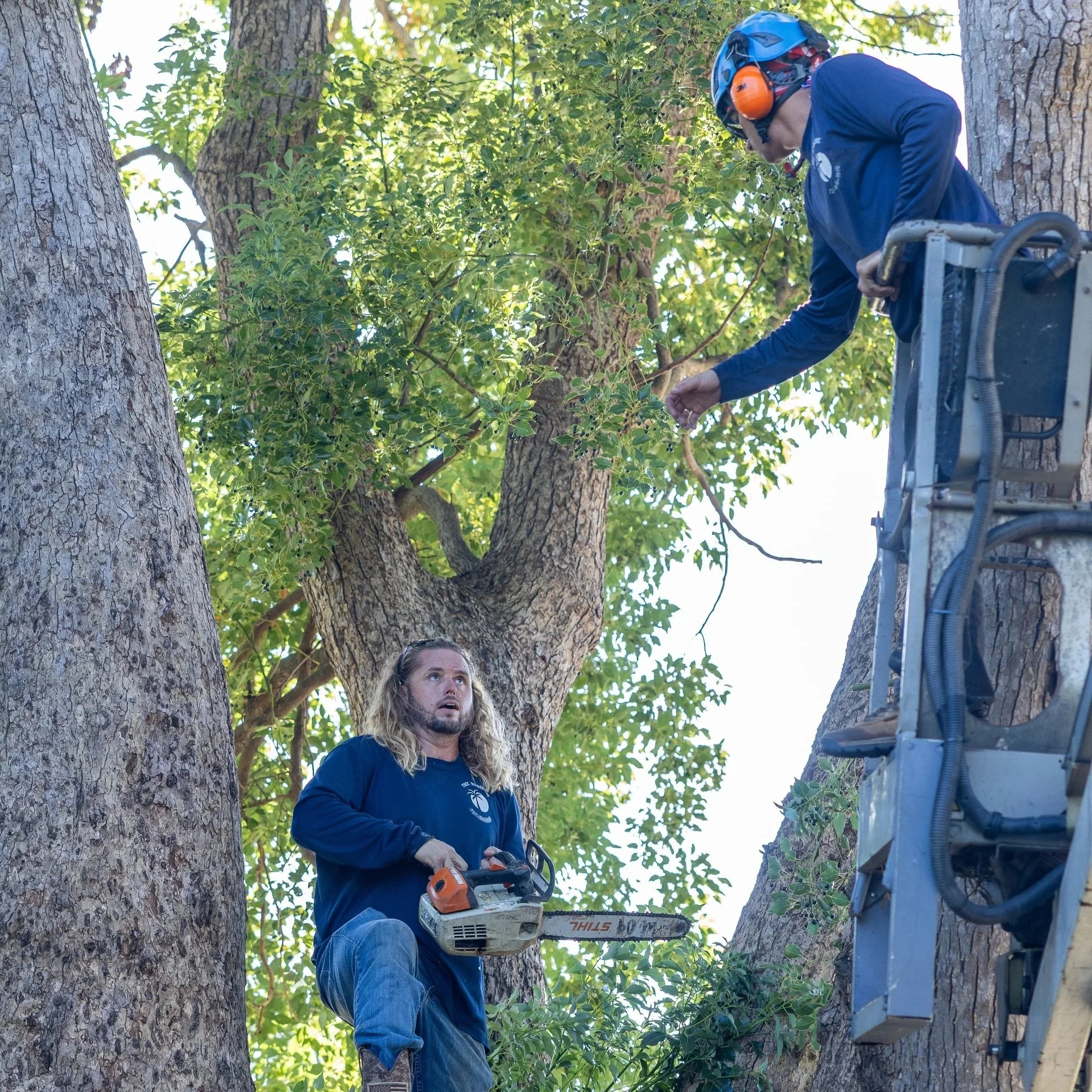
Seasonal tree trimming in Largo helps protect property, promote healthy growth, and prevent storm damage.
Seasonal tree trimming in Largo, FL, plays a far more critical role in property care than many homeowners initially realize. Unlike regions with proper winter dormancy, Largo’s warm temperatures, long growing seasons, and frequent rainfall allow trees to grow, shift weight, and expand canopies throughout most of the year. Branches lengthen steadily, foliage thickens, and internal structure changes continuously, which means trees rarely remain static for long. Tree trimming in this environment is not simply about aesthetics, but about managing growth to protect safety, preserve structure, and support long-term stability around homes and commercial properties.
Many Largo property owners begin noticing the effects of seasonal growth when branches creep toward roofs, block sunlight from lawns, or sway aggressively during summer storms. These changes often appear gradual until a sudden weather event exposes weak limbs or overloaded canopies. Seasonal tree trimming offers a proactive approach that addresses growth before it turns into cracked branches, fallen limbs, or storm-related damage. Understanding how trimming fits into different times of the year allows homeowners to act intentionally, avoiding both neglect and poorly timed cuts that create unnecessary stress or future problems.
Why Seasonal Tree Trimming Matters in Largo’s Climate
Largo’s subtropical climate creates nearly continuous growth conditions, directly influencing when and how often tree trimming should occur. Hot, humid summers, combined with steady rainfall, accelerate branch expansion and canopy density, especially after wet periods. Trees respond quickly by producing lush foliage and extending limbs that can become heavy and unbalanced if left unmanaged. Without periodic trimming, this growth places increasing stress on branch attachments, particularly when soil becomes saturated, and root systems lose stability during storms.
Seasonal tree trimming also plays a central role in storm preparedness throughout Largo. Thunderstorms, tropical systems, and hurricanes expose weaknesses that may not be obvious during calm weather. Deadwood, poor branch unions, and overextended limbs become leverage points when wind and rain apply sudden force. Thoughtful trimming reduces wind resistance, removes compromised growth, and helps trees flex rather than fail. Beyond safety, trimming improves airflow and sunlight penetration in dense canopies, which reduces humidity buildup that encourages fungal disease and pest activity. Timing matters, since trimming during the wrong season can disrupt flowering, weaken palms, or stimulate fragile regrowth that performs poorly in storms.
Benefits of Regular Tree Trimming for Homeowners
Consistent tree trimming delivers visible benefits for homeowners across Largo by keeping landscapes balanced and intentional rather than overgrown or chaotic. Well-maintained trees frame homes, preserve natural shade without overwhelming outdoor spaces, and improve overall curb appeal. Controlled canopies allow sunlight to reach lawns and gardens while preventing excessive shading that can affect plant health or interior lighting. These visual improvements often enhance how properties feel and function throughout the year.
Practical benefits extend well beyond appearance. Overgrown branches can scrape roofs, clog gutters, block driveways, or create hazards along walkways. Limbs encroaching on power lines increase outage risks, while unchecked growth near structures often leads to costly repairs after storms. Regular trimming keeps branches at a safe distance and reduces the risk of sudden failures. Over time, consistent maintenance also limits the need for emergency removals, lowers long-term costs, and helps trees develop stronger, more resilient structures that better tolerate Largo’s seasonal stresses.
Understanding Largo, FL’s Climate and Its Impact on Trees
Largo’s Subtropical Weather Patterns
Largo experiences long, humid summers with frequent afternoon storms, followed by mild winters that provide little true dormancy for most tree species. Warm temperatures and regular rainfall drive aggressive vegetative growth from spring through late summer, resulting in fuller canopies and heavier limbs in a short time span. High humidity also creates ideal conditions for fungal pathogens and wood decay organisms, which can weaken branches internally before symptoms appear externally. Tree trimming helps manage these risks by controlling density and reducing structural stress before problems become visible.
Storm season, typically running from June through November, further shapes trimming decisions. Heavy pruning immediately before peak storm activity can leave trees stressed and slow to recover, increasing the likelihood of breakage. Strategic trimming in late winter or early spring allows trees time to seal pruning wounds and adjust canopy structure before storms arrive. Occasional cold snaps and exposure to salt-laden winds can also damage foliage and small branches, especially on palms and ornamentals, reinforcing the importance of seasonally informed trimming.
Common Tree Species in Largo and Their Response to Trimming
Largo properties often feature live oaks, laurel oaks, pines, sabal and queen palms, magnolias, crape myrtles, and a wide range of ornamental species. Each responds differently to tree trimming, which makes species identification essential for responsible care. Live oaks typically tolerate structural pruning well when done correctly, developing strong architecture over time. Laurel oaks grow faster but are more prone to decay, requiring careful, conservative trimming to reduce failure risk.
Palms demand a completely different approach, with trimming focused on removing dead or damaged fronds rather than shaping. Pines require minimal cutting and respond poorly to aggressive pruning. Flowering ornamentals often depend on timing relative to bloom cycles. Understanding these differences prevents harmful practices such as over-thinning, topping, or improper reduction, which compromise tree health and increase storm vulnerability.
Seasonal Growth Cycles and Trimming Windows
Trees in Largo follow growth cycles shaped by warmth and daylight rather than sharp seasonal stops. Spring and early summer bring rapid growth surges, while fall and winter slow but rarely stop growth entirely. Structural pruning generally fits best into late winter or early spring, when growth pressure and disease activity are lower. Light maintenance trimming can occur throughout the year as needed for clearance or safety.
Flowering and fruiting cycles also influence timing. Early bloomers often respond best to pruning after flowering, while summer bloomers tolerate late winter trimming. Evergreens and many native species handle small cuts year-round but benefit from major work during calmer biological periods. Aligning trimming with growth cycles reduces stress and supports stronger, longer-lasting trees.
Storm and Hurricane Considerations
Storm resilience remains a primary concern for tree trimming in Largo. Dense canopies, crossing branches, and weak attachments increase failure risk during high winds. Trees with balanced structures and selectively thinned canopies are more likely to bend and shed wind rather than break. Storm-focused trimming prioritizes removing deadwood, correcting poor branch unions, and reducing excessive end weight without stripping healthy foliage.
Over-thinning and topping undermine storm performance by encouraging weak regrowth and increasing internal decay. Scheduling evaluations and trimming well ahead of hurricane season allows trees time to recover and adapt. Proactive care consistently outperforms last-minute cutting in protecting property and preserving tree health.
Local Regulations and Permits for Tree Trimming in Largo
Tree trimming in Largo may be subject to municipal ordinances that regulate how work is performed, particularly for large or protected trees. These rules often reference industry standards and discourage harmful practices such as topping. Some trimming activities require licensed professionals, especially when trees affect public spaces or infrastructure. Reviewing local codes helps homeowners avoid fines and delays while supporting broader community goals tied to canopy preservation and storm resilience.
Essential Tools and Equipment for Seasonal Tree Trimming
Effective tree trimming in Largo begins with using tools that match the scale and complexity of the work. Hand pruners, loppers, and pruning saws form the core of most homeowner-level trimming tasks and work well for small to medium branches that can be reached from the ground. Clean, sharp blades produce precise cuts that heal more predictably in Largo’s warm and humid climate, reducing the risk of disease entering exposed wood. Dull tools, by contrast, tear fibers and increase stress on the tree, often leading to slower recovery and internal decay.
Power tools such as chainsaws and pole saws introduce greater cutting capability but also significantly increase risk. These tools are best reserved for larger branches when the user has experience and proper safety equipment. Chainsaws should never be operated from ladders, and pole saws require constant awareness of falling debris and shifting limb weight. Support equipment, such as ropes, may help guide falling branches during controlled cuts, but climbing gear and advanced rigging systems remain the domain of trained professionals. In Largo’s humid environment, all tools require routine cleaning, drying, and light oiling to prevent rust and maintain safe operation.
Season-by-Season Tree Trimming in Largo, FL
Late Winter and Early Spring
Late winter and early spring provide one of the most favorable windows for structural tree trimming in Largo. Growth pressure is reduced, insect activity is lower, and branch structure is easier to evaluate before heavy foliage returns. During this period, trimming focuses on correcting structural defects such as crossing branches, co-dominant stems, and poorly attached limbs that compromise long-term stability. Trees trimmed at this time have months to seal wounds and adjust before hurricane season begins.
This season also supports proactive risk reduction. Removing deadwood and reducing excessive end weight early helps trees perform better during storms later in the year. For mature or high-value trees, a professional evaluation during this window often yields the most effective long-term results.
Late Spring and Summer
Spring and summer bring rapid growth in Largo, making light maintenance trimming appropriate for managing minor issues. Clearing low branches from walkways, removing small dead twigs, and addressing minor clearance concerns can improve usability without overstressing trees. Moderation remains critical, as heavy trimming during peak heat can expose limbs to sunscald and trigger weak regrowth.
Storm preparation becomes increasingly relevant as summer progresses. Selective thinning and removal of damaged branches help reduce wind resistance, but large structural cuts are best avoided unless safety demands immediate action. Trees near power lines or structures should be assessed carefully, with professionals handling higher-risk situations.
Fall
Fall serves as a transitional period for evaluation and minor correction. After summer storms, homeowners can assess canopy balance, lingering damage, and early signs of decay. Light trimming during the fall addresses minor defects and prepares trees for slower growth without stimulating excessive regrowth. Aggressive pruning is generally avoided, since sudden cuts can leave trees vulnerable to stress during cooler or unpredictable weather.
Winter
Winter in Largo offers a period of slower growth, well-suited to cleanup and planning. Removing small amounts of deadwood, documenting structural concerns, and scheduling future trimming all fit naturally into this season. Clear visibility of the branch structure allows homeowners and arborists to identify issues without actively cutting, supporting better decision-making for the coming year.
Evaluating Tree Health Before Trimming
Assessing tree health before trimming helps determine how much cutting a tree can safely tolerate. Healthy trees display full, evenly colored foliage, consistent growth patterns, and limited deadwood. Stressed trees often show thinning canopies, uneven leaf color, premature leaf drop, or widespread dieback. These trees benefit from conservative trimming or professional evaluation rather than aggressive cuts.
Disease and pest activity also influence trimming decisions. Fungal growth, cankers, sap oozing, and insect damage weaken wood and increase failure risk. Removing affected limbs can help, but tools must be sanitized to prevent the spread of pathogens. Structural factors such as narrow branch angles, crossing limbs, and co-dominant stems further shape trimming priorities. Root conditions matter as well, since compacted or poorly drained soil limits recovery and stability. When root issues appear, trimming alone rarely solves the problem.
Core Tree Trimming Principles
Proper trimming relies on technique as much as timing. The three-cut method protects bark when removing heavy limbs by eliminating weight before the final cut. Preserving the branch collar allows trees to compartmentalize wounds and resist decay. Thinning, raising, and reduction pruning each serve distinct purposes, whether to improve airflow, increase clearance, or shorten branches to reduce weight.
Harmful practices such as topping, lion tailing, and excessive canopy lifting undermine structural integrity and increase storm risk. These methods create large wounds, stimulate weak regrowth, and shorten the tree's lifespan. In Largo’s storm-prone climate, natural, balanced pruning consistently outperforms aggressive shortcuts.
Trimming Different Tree Types in Largo
Oaks benefit from gradual structural pruning that preserves major scaffold limbs and improves balance over time. Palms require conservative trimming focused on dead fronds and debris, since healthy green fronds support stability and energy production. Pines tolerate minimal trimming and respond poorly to cuts into older wood. Flowering ornamentals depend on timing relative to bloom cycles, with gentle shaping producing better results than harsh reduction.
Each tree type carries unique risks and responses, reinforcing the importance of species-specific care. Applying one approach universally often leads to decline or increased maintenance demands.
Storm Preparation and Tree Trimming
Pre-storm trimming aims to reduce failure risk without stripping trees of healthy foliage. Priorities include removing deadwood, addressing cracked or weakly attached limbs, and reducing excessive end weight. Timing matters, as proactive trimming months before hurricane season supports recovery and adaptation, while last-minute cuts often increase vulnerability.
Balancing safety with health requires restraint. Excessive live foliage removal stresses trees and increases decay. Professional assessments help identify which cuts genuinely improve storm performance and which undermine long-term resilience.
Disposal of Tree Trimmings in Largo
Tree trimming debris must be handled according to local yard waste rules, which may specify bundle sizes, branch lengths, and pickup schedules. Chipping and mulching offer sustainable reuse options that support soil health and reduce landfill waste. Larger projects often justify hauling services that manage disposal efficiently, especially after storms when municipal systems are strained.
Hiring a Certified Arborist in Largo, FL
Professional expertise becomes essential for large trees, high-risk locations, storm damage, and advanced structural issues. Certified arborists assess internal decay, root health, and overall stability, recommending trimming, cabling, or removal when appropriate. Choosing qualified professionals with proper credentials protects both property and trees.
Long-term relationships with arborists support proactive care plans that reduce emergencies and spread maintenance over time. Cost estimates vary by tree size, access, and complexity, but quality work often prevents more expensive problems later.
Conclusion
Seasonal tree trimming in Largo, FL, requires an approach shaped by climate, species, and timing rather than rigid routines. Warm temperatures, extended growth periods, and frequent storms demand proactive care that balances safety, health, and structure. Homeowners who align trimming with seasonal patterns, evaluate tree condition carefully, and respect the limits of DIY work create safer properties and stronger landscapes.
When combined with professional support for complex situations, informed trimming practices allow trees to remain assets rather than liabilities. Thoughtful seasonal planning protects homes, preserves curb appeal, and supports resilient trees capable of thriving in Largo’s challenging environment.
Tree Trimming FAQs in Largo, FL
Most trees benefit from light maintenance every one to two years, with more substantial structural trimming spaced several years apart. Frequency depends on species, age, growth rate, and location.
Late winter and early spring generally offer the best conditions for major tree trimming, while light maintenance can occur year-round when safety or clearance issues arise.
Permit requirements vary by tree size, species, and location. Light trimming often does not require approval, but significant canopy alteration or protected trees may.
Professionals should always handle tree trimming near power lines due to extreme safety risks and legal requirements.
