
How Humidity and Storms Affect Tree Pruning in Largo, FL
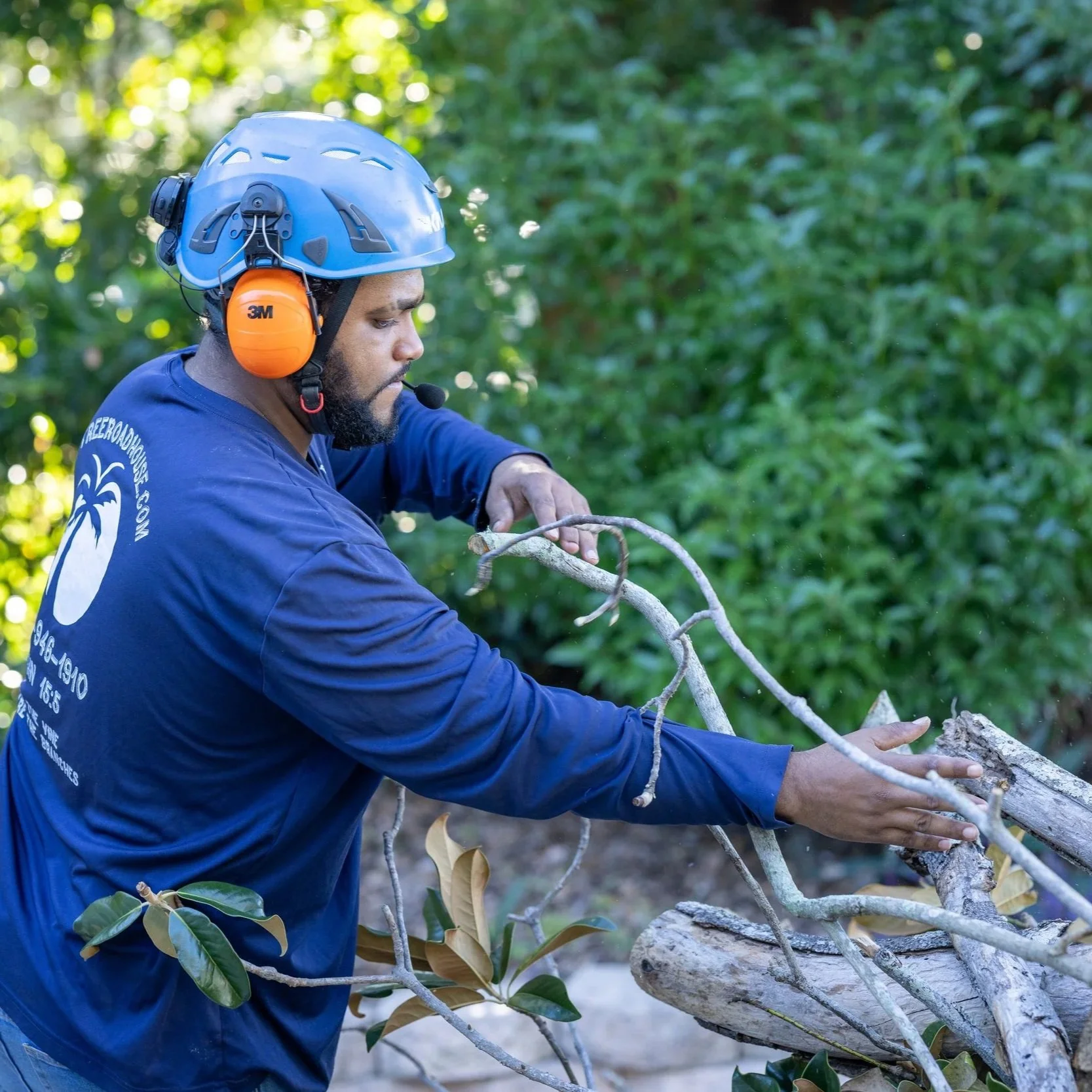
In Largo’s humid, storm-prone environment, pruning focuses on tree health and safety, not just appearance, says local arborist.
Largo, Florida, lies firmly within a humid subtropical climate, and this reality shapes how trees grow, respond to stress, and recover from pruning. Warm temperatures dominate most of the year, humidity stays high for long stretches, and seasonal thunderstorms arrive with little warning. Tropical systems and hurricanes do not hit every year. However, their influence still defines local weather patterns, bringing strong winds, saturated soils, and sudden pressure on trees throughout residential and commercial areas.
These conditions make tree pruning in Largo very different from pruning in drier or cooler regions. Trees grow quickly, canopies fill in fast, and moisture creates ideal conditions for disease to spread through poorly timed or improperly made cuts. Effective pruning here is less about aesthetics and more about managing growth, improving structural strength, and reducing long-term storm-related risk.
Understanding Largo’s Trees and How They Respond to Weather
Largo landscapes feature a mix of native and ornamental species, each reacting differently to humidity and storms. Live oaks dominate many neighborhoods with broad canopies and strong lateral limbs. Laurel oaks appear frequently along roadways and older properties, but tend to grow faster and develop more brittle wood. Palms such as sabal, queen, and royal palms tolerate wind well but shed heavy fronds and seed pods that can become hazards. Citrus trees are common in residential yards and often struggle with fungal issues when humidity stays high. Flowering ornamentals like crape myrtle and magnolia add color but require species-specific pruning to avoid weak growth.
Humidity and storm exposure influence how these trees should be pruned. Live oaks generally hold up well when their canopies are thinned and balanced, while laurel oaks need closer monitoring for decay and weak branch unions. Palms respond poorly to over-pruning, and citrus trees require improved airflow to reduce disease pressure. These differences explain why a one-size-fits-all pruning approach does not work in Largo.
How Humidity and Storms Shape Growth
Persistent humidity encourages aggressive growth. Trees produce dense foliage and long, fast-extending branches that crowd canopies and trap moisture. Over time, weak branch attachments develop as limbs compete for space, increasing the likelihood of breakage during storms. Storm exposure adds another layer of stress, causing trees to lean, shift root structures, or develop uneven growth as they adapt to prevailing winds.
Tree pruning moderates these effects by guiding growth into stronger, better-spaced limbs. Without thoughtful pruning, defects compound year after year, leaving trees far more vulnerable when storms hit. Climate-aware pruning prioritizes long-term stability rather than short-term appearance.
Why Climate-Aware Pruning Matters
In Largo, tree pruning must account for humidity, wind, and saturated soils. Proper techniques reduce wind resistance, improve airflow, and limit exposure to decay organisms that thrive in moist environments. Clean, well-placed cuts support natural healing, especially when drying time is slow.
Ignoring climate realities leads to predictable problems. Heavy limbs snap during thunderstorms, decay spreads from poorly timed cuts, and top-heavy trees fail when soils are saturated. Climate-aware tree pruning supports safer properties, healthier trees, and fewer emergencies when storms roll through.
Humidity, Disease, and Pruning Decisions
High humidity affects how trees manage water and grow wood. Moisture-heavy growth may look healthy, but it tends to snap more easily during storms. Disease pressure also remains high year-round, with fungi and bacteria spreading easily through pruning wounds when cuts stay wet.
Pruning during or immediately after rain increases the risk of infection, especially if tools are not disinfected between trees. Dense canopies trap moisture, creating internal environments where disease thrives. Selective thinning improves airflow and light penetration, allowing foliage to dry more efficiently without stripping the tree of energy-producing leaves.
Timing Pruning in Largo’s Climate
Major structural pruning is best done during the cooler, drier months from late fall through winter. Disease pressure drops, storms are less frequent, and branch structure is easier to evaluate. Light maintenance, such as removing dead or broken limbs, can be done year-round when necessary, but heavy pruning during peak humidity increases stress and disease risk.
Pruning immediately before major storms is generally discouraged unless a clear hazard exists. Trees need time to adjust after pruning, and rushed work often results in poor cuts that weaken trees right when they need strength.
Storm Types and Their Impact on Trees
Largo experiences frequent summer thunderstorms with sudden gusts and microbursts that snap limbs and tip trees in saturated soil. Tropical storms and hurricanes exert sustained pressure, exposing weaknesses in root systems and canopy balance. Flooding reduces root oxygen and anchorage, increasing failure risk. Lightning strikes can cause internal damage that may not appear immediately.
Tree pruning reduces storm damage by managing end weight, correcting weak branch unions, and improving balance. Pruning works best when completed well ahead of storm season rather than as a last-minute reaction.
Storm-Resilient Pruning Techniques
Reducing end weight on long limbs shifts stress closer to the trunk, where support is stronger. Correcting co-dominant stems reduces splitting risk under wind load. Selective thinning improves airflow without creating wind-catching canopies caused by over-thinning. Canopy raising improves clearance above structures, but must be done gradually to avoid destabilizing trees.
Palms require special care. Removing only dead or hazardous fronds preserves energy reserves and improves storm performance. Over-pruned palms often fare worse, not better, during high winds.
Humidity, Tools, and Technique
High humidity accelerates rust and corrosion on tools, reducing cut quality and increasing tree stress. Tools should be cleaned, dried, and lightly oiled after use. Disinfecting tools between trees limits disease spread, especially in a moist environment.
Clean cuts matter more when wood is moist. Sharp tools sized correctly for the branch prevent tearing and support faster wound closure. Proper storage in humid garages or sheds helps preserve tool condition and safety.
Assessing Tree Risk Before and After Storms
Pre-storm inspections help identify dead limbs, cracks, lean, and canopy imbalance. Post-storm evaluations reveal new hazards such as hanging branches, exposed roots, or trunk damage. Some damage can be corrected with pruning, while severe structural failure may require removal.
Certified arborists bring expertise for high-risk situations, especially for large trees, decay concerns, or trees near utilities. Documentation through photos and notes supports insurance claims and long-term care planning.
Regulations, Utilities, and Liability
Largo has tree protection ordinances that may apply to large or street-adjacent trees. Utilities or qualified professionals should always handle pruning near power lines. HOA rules and permit requirements may also affect what work is allowed.
Regular tree pruning demonstrates responsible property care and can help reduce liability in the event of storm damage. Keeping records of inspections and professional work supports both safety and compliance.
DIY vs. Professional Pruning
Homeowners can safely handle small, low-risk tasks such as removing small dead branches or light shaping. Large trees, storm damage, co-dominant stems, and work near structures or utilities require professional expertise.
Professional pruning offers long-term savings by preventing damage rather than reacting to it. Choosing certified, insured providers familiar with Largo’s climate helps avoid harmful practices like topping.
Species-Specific Strategies
Live oaks benefit from conservative thinning and balanced structure. Laurel oaks need close monitoring for decay. Palms require minimal pruning focused on dead material. Citrus trees benefit from open canopies that reduce humidity-related disease. Flowering ornamentals need species-appropriate pruning to preserve form and strength.
Native species often tolerate local conditions better than non-natives, but all trees benefit from climate-aware pruning that respects their growth habits.
Integrating Pruning with Landscape Design
Tree pruning works best as part of a broader landscape plan. Proper placement reduces future conflicts, drainage improvements support root health, and windbreak plantings can reduce storm impact when maintained correctly. Mulch and understory management influence moisture and stability, reinforcing the connection between pruning and overall site conditions.
Common Pruning Mistakes in Largo
Over-pruning before hurricane season, topping trees, ignoring decay, attempting high-risk DIY work, and neglecting routine maintenance all increase storm damage risk. Long-term planning and restraint produce healthier, safer trees than reactive cutting.
Tree Pruning FAQs in Largo, FL
Most established trees benefit from light maintenance every 1 to 2 years and structural pruning every 3 to 5 years. Fast-growing species or trees near structures may need more frequent attention. Regular inspections help keep pruning preventative rather than reactive.
Light pruning, such as removing dead or hazardous branches, can be done safely when conditions are dry. Heavy pruning during the rainy season increases disease risk and stress, so major work is better scheduled during cooler, drier months.
Live oaks, sabal palms, and other well-adapted native species generally perform well when properly pruned. Regardless of species, good structure and ongoing maintenance matter more than tree type alone.
Minor limb damage or limited canopy loss can often be corrected with pruning. Major trunk splits, extensive decay, uprooting, or severe structural failure usually require removal. A certified arborist can assess risk and recommend the safest option.
