
How to Prepare Trees for Hurricane Season in Largo, FL
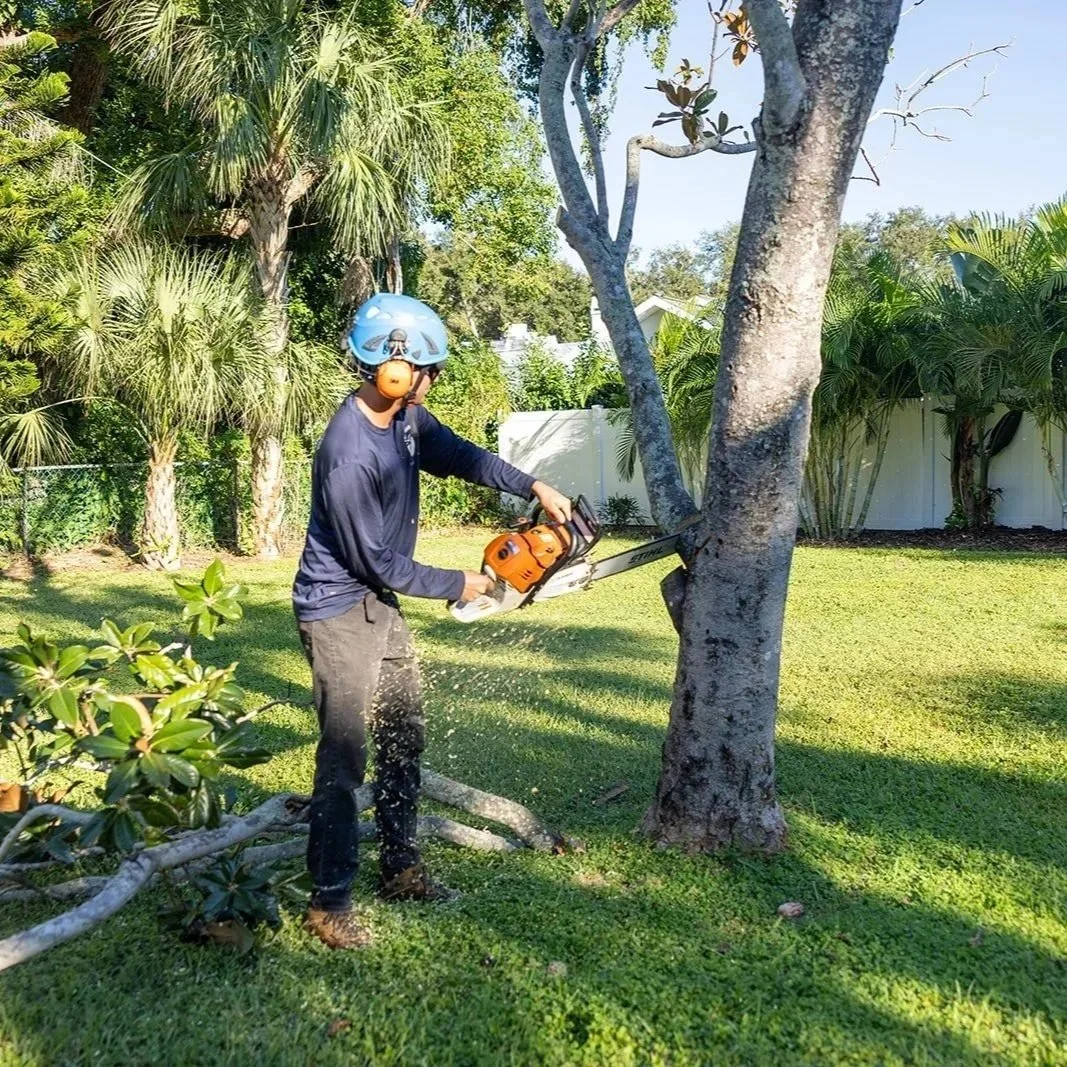
Workers pruning and reinforcing trees in Largo, FL, to prevent storm damage and strengthen resilience before hurricane season.
Hurricane season in Largo, FL, brings sustained high winds, heavy rainfall, and occasional storm surge, placing intense stress on trees across residential and commercial properties. Strong gusts push against dense canopies while saturated ground weakens root hold, creating conditions where even mature trees can uproot or shed large limbs without much warning. When trees are not prepared, broken branches and falling trunks can strike roofs, vehicles, fences, and power lines, often causing damage that far exceeds the cost of preventive care. Emergency tree work during or immediately after a storm also becomes more expensive and harder to schedule, especially when crews are stretched thin throughout Pinellas County.
Tree preparedness also directly ties into long-term property value and neighborhood safety. Healthy, well-maintained trees provide shade, wildlife habitat, and visual appeal, while standing up better to extreme weather than neglected ones. Ongoing care, such as structural pruning, monitoring root health, and correcting growth problems, builds resilience over time rather than relying on last-minute fixes. Hurricane preparation works best as a seasonal routine that adapts to changing weather patterns, tree maturity, and site conditions common throughout Largo.
Common Types of Storm Damage to Trees in Pinellas County
Hurricanes in the Largo area commonly cause uprooting, trunk splitting, major limb failure, twisted crowns, and full windthrow, where trees topple entirely under sustained pressure. Heavy rain saturates soil, reducing friction around roots and allowing wind to push trees over more easily, especially species with shallow or poorly developed root systems. Salt-laden air and storm surge can also burn foliage and roots, weakening trees even if they remain standing after the storm passes. These patterns repeat across Pinellas County during strong systems, making storm-related tree damage both predictable and preventable with proper preparation.
Secondary damage often creates hidden hazards that property owners notice days or weeks later. Broken branches may hang high in the canopy, bark can strip away under wind stress, and open wounds allow pests and diseases to enter the tree. Internal cracking or compromised roots may not show obvious signs right away, yet these issues can cause sudden failure during a later storm or routine weather event. Professional inspections after major weather events help identify these risks before they escalate into safety concerns.
Largo’s Climate and Soil Conditions That Affect Tree Stability
Largo’s subtropical climate features high humidity, frequent summer thunderstorms, and soils that are often sandy or sandy loam. These conditions influence how roots spread and anchor, as sandy soils drain quickly but may encourage shallow root growth when irrigation practices are inconsistent. Overwatered trees tend to develop roots close to the surface, reducing stability when strong winds arrive during hurricane season. Thoughtful watering practices and routine assessment help promote deeper root systems that perform better under storm stress.
High water tables, compacted urban soils, and proximity to the Gulf further complicate tree stability throughout the city. Trees planted too close to structures or confined by pavement struggle to establish strong root architecture, increasing the likelihood of failure during severe weather. Preparation strategies in Largo often involve selecting species suited to local conditions, correcting soil compaction where possible, and using structural pruning to guide balanced growth. These steps align tree development with the realities of coastal weather patterns rather than working against them.
Local Regulations and Utility Concerns in Largo
Tree work in Largo requires awareness of local and county regulations governing pruning, removal, and activities near public rights-of-way. Certain trees may carry a protection status, and permits are often required for removal or significant pruning, especially for large or historically important specimens. Homeowners typically find current rules through city or Pinellas County websites, or by consulting a local arborist familiar with municipal requirements. Planning helps avoid delays or compliance issues when hurricane season approaches.
Trees growing near power lines present additional safety and legal considerations. Pruning around utilities poses serious risks and falls under strict guidelines that require trained, certified professionals. Improper trimming can damage lines, cause outages, or result in severe injury, making do-it-yourself efforts especially dangerous in these areas. Coordinating with utility providers and qualified tree service professionals supports safer preparation while respecting local codes, allowing hurricane readiness to progress without unnecessary hazards or violations.
Identifying High Risk Trees Before Hurricane Season
Preparing trees for hurricane season in Largo, FL, starts with a careful look around the property to identify which trees pose the greatest risk when strong winds arrive. Sudden leaning, especially in trees that once stood upright, often signals root instability that can worsen during heavy rain and gusting storms. Unbalanced canopies, where one side carries significantly more weight than the other, also create wind resistance, increasing the risk of failure. Trees that have already suffered storm damage or were improperly pruned in the past, such as those that were heavily topped, tend to respond poorly to hurricane conditions because their structure has already been compromised. Location matters as well, since trees near homes, driveways, fences, or power lines pose greater consequences if they fail.
Prioritizing which trees to address first helps homeowners manage preparation without becoming overwhelmed. Documenting concerns with photos and brief notes creates a valuable record when speaking with a tree professional and helps track changes over time. Large trees or those showing multiple warning signs typically move to the top of the list, while smaller or healthier trees may require less immediate attention. Identifying these issues early in the season allows time to plan pruning or other tree services under calmer conditions, avoiding the stress and expense of emergency work once storms threaten Largo.
Signs of Decay, Disease, and Structural Weakness
Many storm-related tree failures trace back to internal decay or disease that weakened the wood long before hurricane winds arrived. Mushrooms or fungal growth on trunks often indicate rotting heartwood that can no longer support heavy loads. Cavities, dead limbs scattered through the canopy, cracked bark, or areas where sap leaks from wounds all point to structural decline that reduces a tree’s ability to flex safely in high winds. Large cuts from past improper pruning may never fully close, leaving decay pathways that spread slowly but steadily through critical support tissue.
Problems at the base of the tree often prove even more serious. Soil lifting around the trunk, exposed or severed roots, and signs of rot near the root collar suggest a weakened anchor that can fail suddenly when soils become saturated. Trees that look healthy from a distance can still hide internal damage, which makes surface foliage an unreliable indicator of stability. Treating any combination of these symptoms as an early warning and contacting a qualified arborist in Largo provides time to address risks before hurricane season peaks.
Best Native and Adaptive Species for Wind Resistance
Tree selection plays a major role in how well landscapes withstand hurricane season in Largo, FL, particularly in coastal and low-lying areas. Certain species consistently perform better during high-wind events due to strong wood, flexible branch structure, and well-distributed root systems. Live oaks, sabal palms, and southern magnolias commonly show greater stability during storms because they evolved under similar weather pressures. Trees with compact canopies and natural resistance to limb breakage tend to shed wind rather than fight it, reducing the likelihood of uprooting or catastrophic failure during hurricanes.
Native and well-adapted species also offer long-term advantages beyond wind resistance. These trees tolerate local pests, diseases, salt exposure, and seasonal rainfall patterns more effectively than imported ornamentals. While no tree stands immune to hurricane damage, choosing species proven to perform well in Largo significantly lowers overall risk. Building a landscape around resilient trees supports safer neighborhoods, healthier ecosystems, and fewer emergency tree services during storms.
Species to Avoid or Carefully Manage in Storm-Prone Areas
Some trees commonly planted in Florida carry a higher risk during hurricane season due to brittle wood, shallow roots, or heavy canopies that catch wind. Ornamental pears, certain eucalyptus species, and fast-growing ornamentals often fail by dropping large limbs or toppling entirely under storm pressure. In Largo, aging Australian pines and other invasive species present ongoing concerns because they grow quickly without developing strong structural support. These trees frequently cause property damage during severe weather.
Avoiding high-risk species does not always mean immediate removal. Many existing trees can remain part of the landscape with closer monitoring, regular structural pruning, or gradual replacement over time. Consulting a local arborist before planting helps homeowners make informed decisions that match Largo’s climate and hurricane exposure. Trees already growing near homes, driveways, or utilities deserve careful evaluation so risks can be managed before storms increase the likelihood of failure.
Planning Future Plantings with Hurricanes in Mind
Long-term planning improves landscape resilience and reduces storm-related tree damage across Largo properties. New plantings benefit from thoughtful spacing that accounts for mature canopy size rather than current appearance. Keeping trees clear of roofs, power lines, and neighboring structures limits damage if branches break or trunks fail. Site selection also matters, since soil type, drainage patterns, and prevailing wind direction influence how trees establish and respond to hurricanes over time.
Layered landscapes add another level of protection by breaking up wind flow rather than allowing it to hit a single large canopy. Mixing trees with shrubs and groundcover helps distribute stress while improving visual appeal and ecological value. Working with landscape professionals familiar with hurricane conditions allows homeowners to balance design goals with safety considerations. Planning reduces emergency removals, lowers long-term maintenance costs, and supports healthier trees that are better able to withstand future storms.
Best Time of Year for Pruning in Largo, FL
Tree pruning in Largo, FL, works best when timed around both growth cycles and hurricane patterns. Late winter through early spring offers an ideal window because trees are less active, allowing cuts to close and stabilize before intense summer weather arrives. Pruning during this period supports balanced structure and reduces excess weight in the canopy before high winds become a regular concern. Early work also gives trees time to respond naturally without the added stress of heat, humidity, and frequent storms.
Pruning too aggressively during the hottest months can weaken trees and slow recovery, particularly when water stress and pests already challenge tree health. Major pruning performed right before a storm often leads to rushed decisions and uneven cuts that compromise structure rather than improve it. Light maintenance pruning later in the season may still address minor issues, though heavy reductions and structural adjustments are best done earlier in the year. Scheduling professional tree services ahead of hurricane season helps avoid delays when local arborists become fully booked as forecasts intensify.
How Far in Advance to Start Preparing
Effective hurricane preparation begins months before June arrives in Largo, FL, rather than waiting until storms form. A spring assessment provides time to identify leaning trees, structural weaknesses, or root concerns that need attention. Once issues are identified, homeowners can schedule pruning, cabling, or removal work in safer conditions, without the pressure of approaching weather systems. Waiting until a tropical disturbance enters the Gulf leaves limited options and often forces compromises that increase risk.
Maintaining a yearly preparation checklist supports consistent planning and reduces oversights. Documentation, such as photos, arborist evaluations, and permits, remains current and easy to reference when decisions need to be made quickly. Early preparation spreads costs over time and reduces emergency service fees that often spike during storm season. Thoughtful planning also allows work to proceed safely rather than under rushed timelines that put property and people at greater risk.
Tree Pruning FAQs in Largo, FL
Preparation should begin several months before June, ideally in late winter or early spring, allowing time for assessment and corrective work before storms develop.
Live oaks, southern magnolias, and native sabal palms tend to perform better due to strong structure and adaptability to local conditions.
Large trees pose serious safety risks. Professional services provide safer, more effective pruning, especially near homes or power lines.
Minor limb damage often responds to pruning, while split trunks or major root failure usually require removal. Professional evaluation helps determine the safest path forward.
