
Dealing With Tree Pests in Different Seasons in Largo, FL
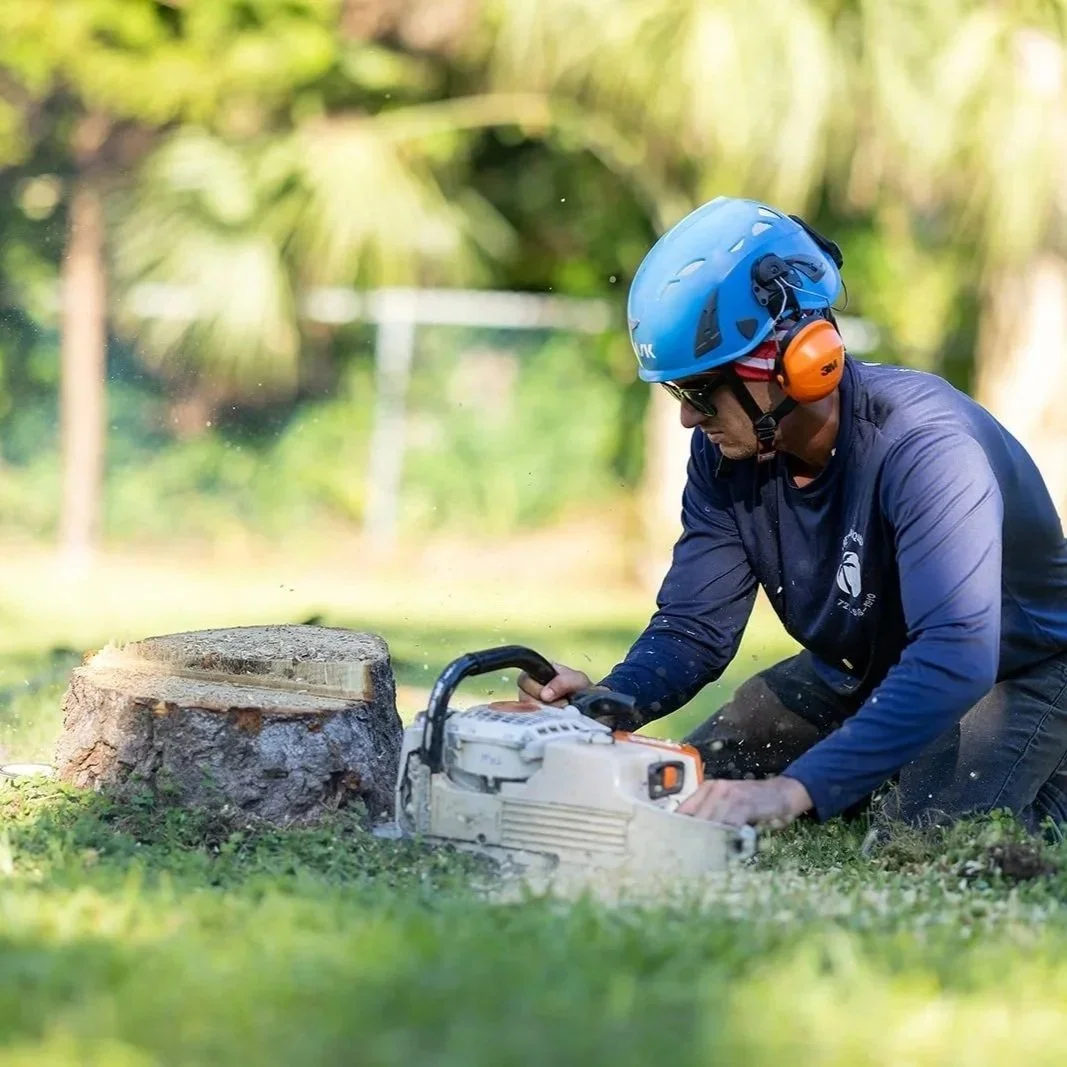
Understanding seasonal pest activity helps protect Largo trees from infestations and storm-related vulnerabilities throughout the year.
Understanding Seasonal Tree Pest Pressure in Largo, FL
Largo’s humid subtropical climate creates one of the longest pest activity windows in the country. Mild winters, long warm seasons, and frequent rainfall mean trees rarely enter full dormancy, allowing many insects to remain active for most of the year. Pests that disappear during winter in colder regions often persist locally, feeding at reduced levels and resurging quickly once temperatures rise. Storm activity compounds the issue by stressing trees and creating wounds that attract insects looking for easy entry points.
Because of these conditions, generalized national pest calendars rarely apply cleanly to Largo. Some insects emerge weeks earlier than expected, while others remain active far longer into fall or winter. Homeowners who rely on generic timelines often miss early warning signs and only notice problems once infestations are well established. Successful pest management in Largo depends on understanding how local climate patterns influence pest behavior and adjusting monitoring and care accordingly.
Tree Species Common in Largo and Why They Matter
Many Largo properties feature live oak, laurel oak, magnolia, crape myrtle, citrus, and a wide range of palms, including sabal, queen, and royal palms. Native trees often tolerate local conditions better, but even they become vulnerable under drought stress, flooding, storm damage, or poor maintenance. Ornamental and non-native species frequently struggle more, especially when planted outside their ideal conditions.
Each tree species attracts specific pests. Scale insects commonly affect magnolias and palms, webworms favor oaks, borers target stressed hardwoods, and citrus faces repeated pressure from sap-feeding insects tied to new growth cycles. Knowing which trees are present allows homeowners to anticipate which pests are most likely to appear and when closer attention becomes necessary.
A Year-Round Pest Management Perspective
Tree pest management in Largo works best as an ongoing process rather than a reaction to visible damage. Small infestations that appear harmless in spring can expand rapidly during summer heat and humidity, leading to thinning canopies, branch dieback, and increased storm vulnerability. Delayed action often results in higher long-term costs and, in some cases, tree loss.
A year-round approach centers on regular observation, preventive care, and timely intervention. Monitoring leaf color, branch condition, sap residue, and growth patterns helps identify problems early. Supporting tree health through proper watering, soil care, and selective pruning strengthens natural defenses and limits pest opportunities before damage escalates.
Safety and Environmental Responsibility
Managing tree pests involves risks that are easy to underestimate. Improper pruning, ladder work, and incorrect product use can cause injury or long-term tree damage. Largo’s proximity to waterways also raises environmental concerns, as runoff from misapplied treatments can affect local ecosystems and beneficial insects.
Thoughtful pest management prioritizes correct identification, proper timing, and selective treatments. In many cases, licensed professionals bring the training and equipment needed to manage pests effectively while minimizing environmental impact and safety risks.
When a Certified Arborist Becomes Important
Certified arborists understand tree biology, pest life cycles, and the way Largo’s climate affects both. Situations involving large trees, repeated infestations, structural concerns, or suspected regulated pests often require professional assessment. Arborists also provide continuity, creating care plans that adapt seasonally rather than relying on one-time treatments.
Professional evaluations help document tree health, guide long-term decisions, and support insurance or permitting needs when applicable. For many properties, arborist involvement becomes an ongoing partnership rather than a single service call.
Seasonal Pest Patterns in Largo
Early Spring (February–March)
As temperatures rise, overwintering pests emerge from bark crevices, soil, and debris. Early inspections focus on trunks, branch junctions, and the dripline where eggs and insects hide. Subtle signs like sap residue, webbing, or discolored bark often appear before active feeding becomes obvious.
Light pruning during this period removes infested or damaged branches before pests spread. Proper cuts and sanitized tools limit disease transmission. Some trees may benefit from dormant or horticultural oil treatments, though timing and species sensitivity make professional guidance valuable.
Spring is also the right time to establish a monitoring routine and adjust watering and fertilization. Balanced nutrition and steady hydration support strong growth without encouraging the soft tissue that attracts sap-feeding insects.
Late Spring (April–May)
New growth draws aphids, caterpillars, leafhoppers, and other early feeders. Chewing damage appears as holes or notched leaves, while sucking insects cause curling, stippling, and sticky residue that often leads to sooty mold.
Managing these pests focuses on reducing pressure without disrupting beneficial insects. Pruning heavily infested growth, using water sprays, and allowing predators like lady beetles to remain active often provide effective control. Excess fertilization during this period can worsen infestations by stimulating rapid, vulnerable growth.
Early Summer (June–July)
Heat and humidity drive peak activity for mites, scale, whiteflies, and borers. Mite damage shows as bronzing or dull foliage, while scale and whiteflies produce persistent honeydew and mold. Borers may cause canopy thinning or branch dieback that reflects internal damage rather than surface feeding.
Monitoring expands beyond leaves to include trunks and branch structure. Managing stress through proper irrigation becomes critical, as fluctuating rainfall and heat weaken defenses. Professional treatment may be necessary for large trees, palms, or persistent infestations.
Late Summer (August–September)
Storm season introduces physical damage that attracts opportunistic pests. Torn bark, cracked limbs, and root disturbance create ideal entry points for borers and decay organisms. Post-storm inspections help catch damage early before pests capitalize on weakened tissue.
Fungal issues often follow insect activity during this humid period, compounding stress. Webworms and late-season caterpillars become more visible, and early intervention prevents repeated defoliation that drains energy reserves.
Care shifts toward supporting recovery rather than stimulating growth. Fertilization is typically reduced, while soil moisture and root protection remain priorities.
Fall (October–November)
Fall cleanup removes debris that shelters overwintering pests and disease spores. Assessing canopy density, branch health, and recurring damage patterns provides insight into how trees handled the growing season.
Selective pruning improves structure and reduces future storm damage. Fall is also a planning period for preventive treatments on high-risk trees and for considering replacement when repeated infestations reflect poor species-site compatibility.
Winter (December–January)
Slower growth makes structural issues and lingering damage easier to see. Winter inspections focus on planning rather than active treatment, identifying chronic problems, and scheduling major work safely.
While severe cold is rare, occasional snaps can stress sensitive species. Protecting root zones and avoiding unnecessary pruning during cold periods helps prevent additional damage. Winter also provides time to review and refine annual pest management strategies.
Integrated Pest Management for Largo Trees
Integrated pest management combines observation, prevention, natural controls, and selective treatment. Strengthening trees through proper planting, watering, mulching, and nutrition reduces pest pressure at its source. Mechanical and biological controls often manage problems effectively when applied early.
Chemical treatments remain part of the toolbox but work best when targeted, correctly timed, and used sparingly. Tracking results over time allows homeowners to refine strategies and respond more effectively to recurring tree pests.
Palms and Citrus Require Special Attention
Palms face unique risks because damage concentrates near the crown and growing point. Aphids, scale, and palm weevils can cause rapid decline when stress is present. Proper planting depth, correct fertilization, and avoiding overpruning are essential preventive measures.
Citrus trees experience seasonal pressure from leaf miners, aphids, scale, and psyllids. Monitoring new growth, maintaining sanitation, and following state guidelines for disease prevention are critical. Balancing pest control with fruit safety requires informed, selective approaches.
Working With Local Tree Professionals
Arborists provide diagnostics, pruning, risk assessment, and pest management tailored to Largo’s conditions. Choosing qualified professionals involves verifying credentials, insurance, and a commitment to long-term tree health rather than quick fixes.
Successful pest management often blends professional expertise with consistent homeowner monitoring. Preventive care and early intervention typically cost far less than emergency removals or major storm damage linked to unmanaged pests.
Tree Pest FAQs in Largo, FL
Aphids, scale, spider mites, borers, caterpillars, and webworms are common, with activity spread across much of the year. Spring and early summer bring sap-feeders and caterpillars, summer favors mites and borers, and late summer often sees webworms and storm-related secondary pests.
Persistent defoliation, progressive branch dieback, trunk wounds, exit holes, or infestations near large limbs or structures often indicate deeper issues that benefit from professional diagnosis and treatment.
Yes. Proper watering, mulching, pruning, encouraging beneficial insects, and targeted treatments applied only when necessary all reduce environmental impact while managing pests effectively.
Monthly inspections during spring and summer work well, with seasonal checks in fall and winter focusing on structure and lingering damage. Regular observation helps catch problems early.
Targeted treatments, correct timing, and careful product selection minimize risk. Professional guidance helps balance effective control with protection of beneficial species and household safety.
