
Best Practices for Fall and Winter Tree Maintenance in Largo, FL
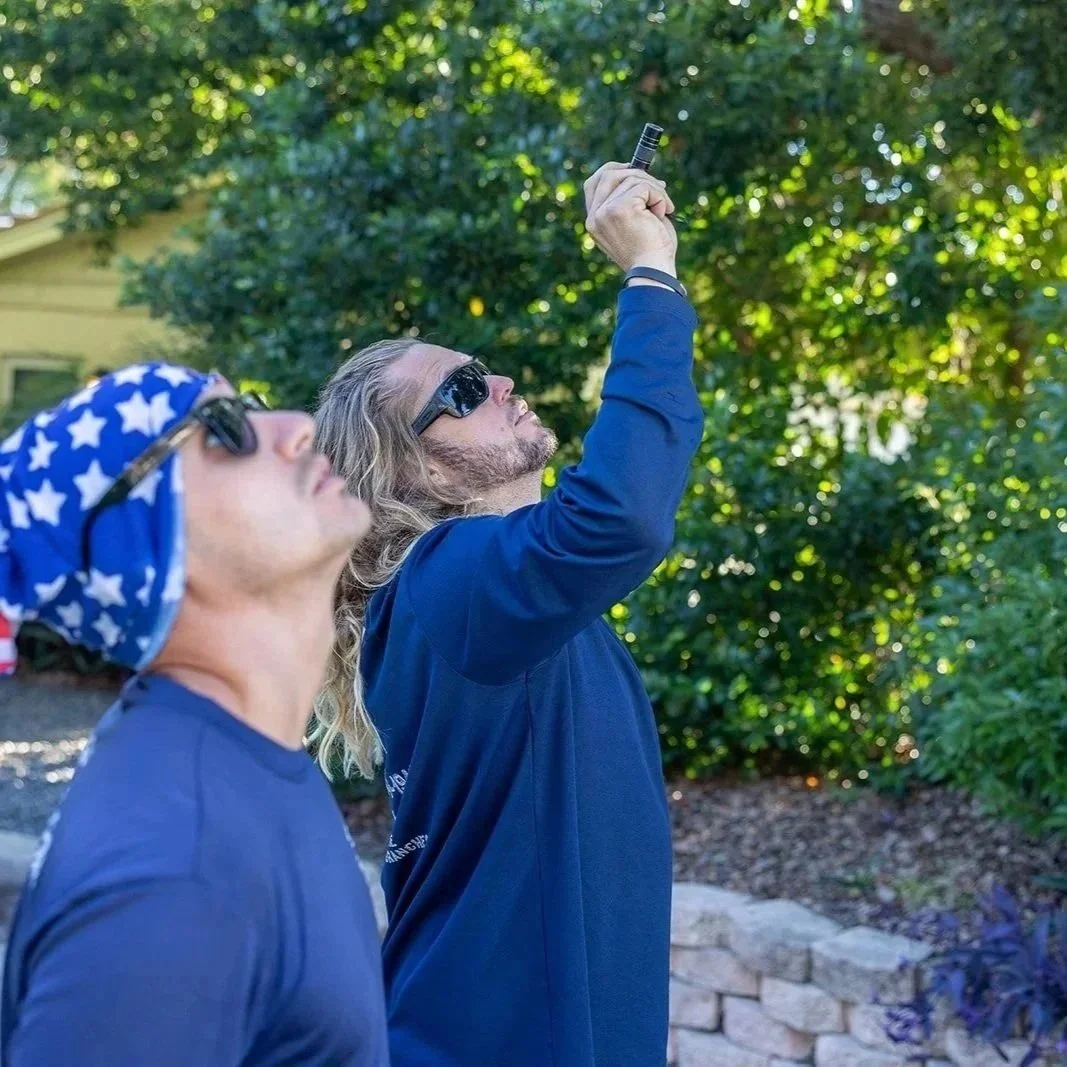
Fall and winter tree care in Largo strengthens structure, reduces stress, and prepares trees for seasonal weather changes.
Understanding Largo, FL’s Climate and Its Impact on Trees
Largo’s location along Florida’s Gulf Coast places it firmly in a humid subtropical climate. Long growing seasons, high humidity, frequent rain, and salt in the air shape how trees grow and respond to stress throughout the year. Fall and winter arrive gradually rather than abruptly, and many trees continue slow metabolic activity instead of entering true dormancy. That ongoing activity changes how seasonal care should be approached, especially compared to colder regions where winter signals a full shutdown.
While freezing temperatures are uncommon, brief cold snaps still occur and can stress trees that remain actively growing or are already weakened by pests, poor drainage, or soil issues. Moisture remains a constant concern, since soils often stay damp well into winter. As a result, fall and winter tree maintenance in Largo focuses less on stopping growth and more on managing stress, improving structure, and preparing trees for weather variability rather than assuming they will rest until spring.
Common Tree Species in Largo and Seasonal Vulnerabilities
Live oaks and laurel oaks dominate many Largo neighborhoods, offering shade but also developing heavy limbs that may hide internal decay. Slash pines appear in more open areas and tolerate wind well when healthy, though their shallow roots can struggle in saturated soils. Palms such as sabal, queen, and date palms require a different care approach entirely, relying heavily on proper nutrition rather than traditional pruning cycles. Crape myrtles, magnolias, citrus trees, and ornamental shrubs complete much of the local tree canopy.
Each species brings unique fall and winter concerns. Oaks may experience limb failures after vigorous summer growth on moisture-rich soils. Palms often show nutrient deficiencies more clearly during cooler months. Citrus trees remain sensitive to short cold spells, especially when stressed by overwatering or poor drainage. Fungal issues persist in shaded, damp areas through winter, making species awareness critical when planning seasonal care.
How Fall and Winter Tree Maintenance Differ in Largo
Fall in Largo often feels extended, with warm days continuing well past the calendar shift. Tree growth slows but does not stop, and pests and diseases remain active longer than many homeowners expect. Fall maintenance centers on evaluation and preparation, addressing structural weaknesses, balancing canopy, and improving soil conditions before cooler weather settles in.
Winter arrives quietly, marked by cooler nights and the occasional cold front rather than prolonged cold. Growth slows further, pest activity decreases but does not disappear, and disease pressure can persist in humid conditions. Winter tree maintenance focuses on monitoring, protection, and selective adjustments rather than aggressive pruning or major interventions.
Why Fall and Winter Care Matters
Off-season care strengthens trees before the intense heat and storm season that follows. Addressing structural problems, soil health, and lingering pest or disease issues during fall and winter reduces emergency situations later. Trees maintained during these months tend to recover faster from stress and perform more reliably year after year.
Beyond safety, seasonal maintenance protects the long-term value trees bring to a property. Healthy canopies provide shade, stabilize soil, and enhance curb appeal. Treating fall and winter as active care seasons rather than downtime allows homeowners to protect both their landscapes and their investment.
Assessing Tree Health in Late Summer and Early Fall
A careful ground-level inspection reveals a great deal about tree condition. Start at the trunk, looking for cracks, cavities, loose bark, sap leakage, or fungal growth. At the base, check the root flare for exposed roots, soil heaving, or depressions that suggest instability after heavy rains. In the canopy, watch for dead branches, thinning foliage, crossing limbs, or unusual discoloration.
Some leaf drop and minor discoloration can be normal as temperatures cool, but large dead limbs, deep trunk cracks, or mushrooms at the base often indicate advanced internal issues. Taking photos from the same angles over time helps track changes and provides useful documentation if a professional evaluation becomes necessary.
Early fall also exposes pest and disease problems that developed quietly over the summer. Leaf spots, sticky residue, sooty mold, webbing, or small exit holes from borers often become more visible as growth slows. Not every issue requires immediate action, but rapidly spreading damage or structural concerns should be addressed before winter adds stress.
Fall Pruning Best Practices for Largo Trees
Late fall offers a practical pruning window for many trees in Largo. Growth slows, sap flow becomes less aggressive, and insect activity decreases compared to summer. Fall pruning focuses on crown cleaning, selective thinning, and modest reductions to improve balance and reduce storm risk, rather than heavy reshaping.
Crown cleaning removes dead or diseased branches, while thinning improves airflow and reduces wind resistance. Reduction may be appropriate when limbs extend toward structures or utilities. Proper cuts at the branch collar support faster sealing and limit decay.
Species-specific knowledge matters. Live oaks benefit from conservative thinning, laurel oaks require caution due to decay tendencies, palms should only have dead or broken fronds removed, and flowering trees depend heavily on timing to protect bloom cycles. Over-pruning during fall can stimulate tender growth that struggles if temperatures drop unexpectedly.
Winter Pruning and Storm Preparation
Mild winter conditions allow for light, selective pruning to fine-tune structure. With fewer leaves, dead wood, and spacing issues become easier to see. Winter pruning emphasizes refinement rather than major cuts, helping trees maintain balance while minimizing stress.
Reducing wind sail before winter fronts arrive lowers the chance of limb failure. Strategic thinning allows wind to pass through the canopy rather than pushing against it. Over-thinning, however, exposes trees to sunscald and unstable regrowth, so moderation remains essential.
After storms, safety comes first. Hanging limbs, split branches, and uprooted trees should be evaluated from a distance. Corrective pruning focuses on stabilizing the remaining structure rather than restoring appearance. Some trees recover well over time, while others require professional judgment to determine whether removal is safer.
Soil Health and Mulching
Largo’s sandy soils drain quickly and lose nutrients easily. By fall, soils may be compacted, depleted, or unevenly moist after summer rains. Observing how water behaves after rainfall provides clues to soil health. Persistent sogginess, rapid drying, or exposed roots often signal problems.
Mulching during the fall helps regulate soil temperature, retain moisture, and improve soil structure over time. A two to four-inch layer spread outward toward the dripline works best. Mulch should remain pulled back from the trunk to prevent decay and pest activity.
Addressing drainage issues before winter rains arrive supports healthier roots. Aeration, organic matter addition, and limiting traffic near root zones reduce stress and improve stability heading into cooler months.
Watering Adjustments for Cooler Months
Trees continue to use water through fall and winter, but demand decreases as temperatures drop. Winter tree maintenance often involves reducing irrigation frequency rather than stopping entirely. Overwatering during cooler months leads to oxygen-poor soils and root stress.
Checking soil moisture at root depth helps distinguish between drought stress and excess water. Young, newly planted trees require closer attention, since their limited root systems dry out or saturate more quickly. Occasional cold snaps also make it important to protect irrigation
components and avoid watering foliage before freezing nights.
Fertilization and Nutrient Management
Not every tree benefits from fertilization. Pale foliage, slow growth, or specific discoloration patterns may indicate nutrient issues, but these symptoms often overlap with stress from poor drainage or compaction. Soil testing provides the clearest guidance.
Slow-release fertilizers suit Largo’s sandy soils, while palms require specialized blends containing potassium, magnesium, and micronutrients. High nitrogen late in the season encourages soft growth that struggles in cooler weather.
Late fall or early winter fertilization supports root health without forcing canopy growth. Correcting deficiencies works best when targeted rather than relying on blanket applications.
Cold Snap Protection
Some species in Largo remain sensitive to brief cold events, including certain palms, citrus trees, and ornamental exotics. Identifying vulnerable trees in advance allows for quick action when cold weather arrives.
Temporary covers, such as frost cloth or burlap, help protect young or sensitive trees when secured properly and removed once temperatures rise. Long-term resilience improves through proper watering, balanced nutrition, mulching, and avoiding late-season pruning that stimulates tender growth.
Cold damage may take weeks to show. Pruning should wait until viable tissue becomes clear, and extensive damage often benefits from professional assessment.
Pest and Disease Management in Cooler Months
Scale insects, borers, mites, and fungal diseases remain concerns through fall and winter in Largo’s humid climate. Honeydew, sooty mold, exit holes, and dieback often become more visible as foliage thins.
Integrated pest management emphasizes sanitation, airflow, proper watering, and accurate identification. Chemical treatments remain an option when needed, but targeted use based on correct diagnosis limits environmental impact. Professional involvement becomes important when issues affect large trees or multiple specimens.
Working With Professional Tree Services
Certified arborists provide diagnostics, structural pruning, soil analysis, cabling, and storm preparation tailored to local conditions. Verifying credentials, insurance, and local experience protects homeowners and ensures quality work.
Fall and winter scheduling often offers more flexibility than peak storm season. Establishing an ongoing relationship with an arborist supports proactive planning, fewer emergencies, and healthier trees over time.
Fall & Winter Tree Maintenance FAQs in Largo, FL
Largo trees rarely enter full dormancy, so care focuses on managing ongoing growth, moisture, and stress rather than shutting systems down. Pests and diseases remain active, and brief cold snaps are the main concern instead of prolonged freezes.
Late fall through mild winter periods are ideal for many species, especially for structural pruning. Timing varies by species, health, and flowering habits, so a professional arborist can help refine the best schedule.
Large dead limbs, trunk cracks, leaning, root damage, or fungal growth may indicate increased risk. Home inspections help, but arborists can detect internal issues not visible from the ground.
Homeowners can manage mulching, watering adjustments, inspections, and small pruning tasks. Larger jobs—especially those involving climbing, heavy branches, or nearby structures—require professional expertise.
Some trees benefit from winter fertilization, but only when a deficiency is present. Soil testing helps determine need, and slow-release or species-specific formulas applied in late fall or early winter support root health without overstimulating growth.
