
Most Popular Trees in Largo, FL and Their Care Needs
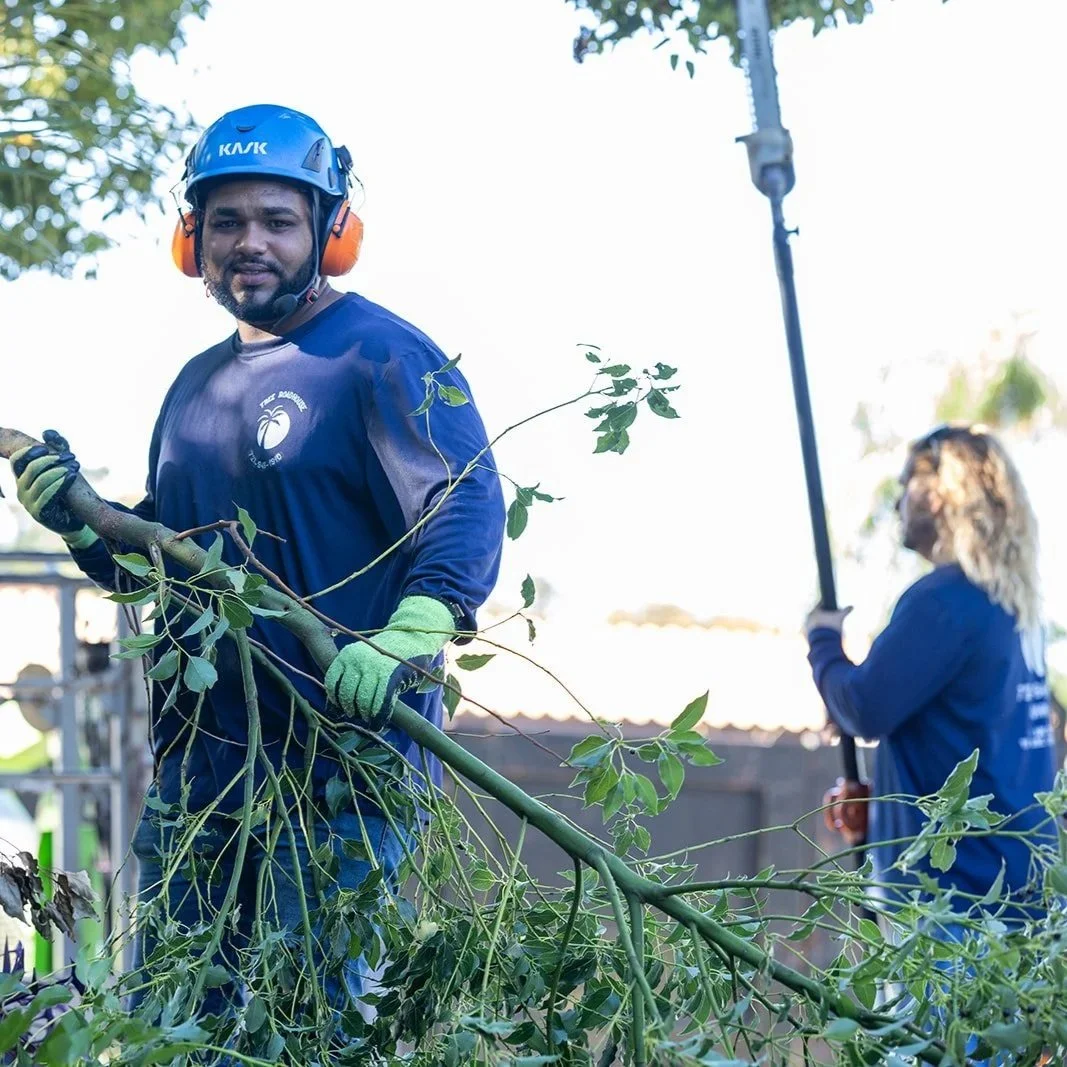
Healthy trees in Largo enhance outdoor comfort, filter pollutants, and support local wildlife in the city’s urban landscape.
Understanding Largo, FL’s Tree Landscape and Climate
Trees play a central role in how Largo, FL, functions as a coastal city. In neighborhoods dominated by pavement, roofs, and tight lot lines, trees reduce surface heat, soften glare, and create shade that makes outdoor spaces usable for much of the year. Mature canopies help lower cooling demands on homes during long summers and improve comfort along streets and walkways. Even a small number of well-placed trees can noticeably change how a property feels in peak heat.
Environmental benefits extend beyond comfort. Trees filter dust and pollutants carried by coastal winds, stabilize soil during heavy rain, and support wildlife navigating an increasingly urban landscape. Birds, pollinators, and small mammals rely on consistent canopy cover for food and shelter. In Largo, maintaining a healthy urban tree canopy helps balance development pressures with environmental resilience.
Climate and soil conditions strongly influence tree performance. Largo’s humid subtropical climate brings long growing seasons, frequent summer storms, and periodic high winds. Winters are mild but unpredictable, with occasional cold snaps that affect tropical species. Sandy soils drain quickly, often losing nutrients before roots can absorb them, while some properties retain water after heavy rainfall. These variables make tree selection and care decisions highly site-specific rather than one-size-fits-all.
Live Oak (Quercus virginiana)
Live oaks are among the most recognizable trees in Largo, FL, valued for their wide canopies, strength, and longevity. Their horizontal branching habit creates expansive shade, making them effective cooling trees in residential settings. Mature live oaks often spread far wider than they grow tall, giving them presence but also demanding space.
Planting location determines long-term success. Live oaks require generous clearance from homes, sidewalks, driveways, and underground utilities. When planted too close, root conflicts and canopy encroachment become unavoidable over time. Full sun and well-drained soil support healthy growth, but adequate space remains the most critical factor.
Young live oaks need deep, consistent watering during establishment, especially in sandy soil. Mature trees usually rely on rainfall, though prolonged drought can still cause stress. Mulch supports moisture retention and soil health when applied correctly and kept away from the trunk. Fertilization is rarely necessary once established, unless soil testing indicates deficiencies.
Pruning focuses on structure rather than size. Early correction of weak branch attachments and poor spacing reduces future storm risk. Large limb removal, heavy canopy work, or pruning near power lines should always be handled by certified arborists due to safety and structural concerns.
Southern Magnolia (Magnolia grandiflora)
Southern magnolias provide year-round structure in Largo landscapes with their evergreen foliage and large, fragrant flowers. Thick, glossy leaves create dense screening, while blooms add seasonal interest during warmer months. Standard magnolias grow large, while dwarf cultivars suit smaller properties with limited space.
Magnolias perform best in full sun to partial shade with well-drained soil. In coastal areas, protection from salt spray helps prevent leaf damage. Watering should remain consistent during establishment, then taper once roots are established. Overwatering is a common issue and often shows up as yellowing foliage rather than visible wilt.
Pruning should remain minimal. Magnolias respond poorly to aggressive thinning or topping, as these practices disrupt natural form and reduce flowering. Structural pruning early in life helps guide growth, while mature trees typically need only deadwood removal and gradual clearance pruning.
Leaf and cone drop is normal and ongoing. Homeowners who expect seasonal litter tend to enjoy magnolias more than those seeking a pristine landscape year-round.
Crape Myrtle (Lagerstroemia spp.)
Crape myrtles remain popular across Largo due to their long bloom season, variety of sizes, and adaptability to urban settings. Cultivar selection matters, as mature heights range from shrub-sized forms to full-canopy trees. Choosing disease-resistant varieties helps reduce powdery mildew issues common in humid conditions.
Full sun is essential for strong flowering and overall health. Shaded locations reduce bloom density and increase disease pressure. Well-drained soil supports healthy roots, while excessive irrigation reduces flowering and increases stress.
Pruning is often misunderstood. Severe topping, often called crape murder, creates weak regrowth and ongoing maintenance problems. Proper pruning focuses on thinning small interior branches, removing crossing limbs, and preserving natural structure. Late winter offers the best timing for structural adjustments.
Common issues include aphids, sooty mold, and powdery mildew, particularly when airflow is limited or nitrogen levels run high. Good site placement and conservative fertilization prevent most recurring problems.
Southern Live Palms: Sabal, Queen, and Canary Island Date
Palms shape much of Largo’s visual identity, but they require care that differs significantly from broadleaf trees. Sabal palms, Florida’s state tree, adapt well to local conditions and tolerate salt exposure better than many non-native species. Queen palms grow faster and deliver a more tropical look, though they demand consistent nutrition. Canary Island date palms grow slowly but eventually become massive focal trees best suited for open spaces.
Most palms perform best in full sun with well-drained soil. Planting depth matters, as burying the trunk base leads to long-term decline. Newly planted palms need regular watering during establishment, followed by gradual reductions as roots spread. Fertilization is critical, particularly for potassium and magnesium, which deficiencies commonly affect palms in Florida soils.
Pruning should remove only fully dead fronds. Cutting green fronds weakens palms and increases storm vulnerability. Over-pruning before storms does more harm than good, as healthy crowns help palms manage wind stress. Tall palms or those near power lines require professional care to avoid safety risks and permanent damage.
Southern Red Maple and Heat-Adapted Maples
Maples appeal to homeowners seeking seasonal color, but only certain species tolerate Largo’s climate. Southern red maple performs better than northern varieties, handling heat, humidity, and occasional wet soil more effectively. These trees provide moderate shade and softer fall color compared to northern maples, but they offer greater longevity locally.
Site conditions influence success. Southern red maples tolerate moist soils but still require good drainage to avoid root stress. Full sun to partial shade supports balanced growth, while reflected heat from pavement can cause leaf scorch. Supplemental watering during dry periods helps reduce stress in sandy soils.
Early structural pruning helps establish strong branch spacing and reduces breakage risk later. Surface roots may develop in compacted soil, making it important to maintain adequate planting distance from sidewalks and foundations. Leaf scorch, thinning canopies, and early drop often signal moisture or soil issues rather than disease.
Southern Pine Species: Slash and Longleaf
Slash and longleaf pines remain common in Largo’s larger properties and naturalized areas. Both thrive in full sun and sandy soil, producing tall, straight trunks and open canopies that allow filtered light below. Longleaf pines grow more slowly but reach greater heights over time, while slash pines establish faster.
Pines require little routine pruning. Maintenance typically involves removing dead or hazardous limbs rather than shaping. Topping severely damages pines and often leads to decline. Needle drop is natural and acts as mulch when left in place.
Storm performance depends heavily on root health. Pines growing in undisturbed soil tend to withstand wind well, whereas those affected by construction or grade changes are at a higher failure risk. Large pines near structures should be inspected periodically by professionals.
Native Flowering Trees: Redbud, Chickasaw Plum, and Others
Native flowering trees offer seasonal beauty with lower long-term maintenance. Eastern redbud, Chickasaw plum, and fringe tree fit well into smaller yards and under-canopy spaces. Their flowers support pollinators, while fruiting species provide food for birds and wildlife.
Matching each species to light and soil conditions matters. Redbuds prefer partial shade, while Chickasaw plum tolerates brighter exposure and drier sites. Proper planting depth and early watering support establishment without heavy intervention later.
Pruning remains light and intentional, focusing on shape and removal of crossing branches. Some species produce root sprouts that can be managed depending on whether a thicket or single-trunk form is preferred.
Fruit Trees in Largo Landscapes
Fruit trees remain popular in Largo for both productivity and aesthetics. Citrus leads the list, followed by avocado, mango, and loquat in protected sites. Full sun and excellent drainage are essential for reliable fruiting and long-term health.
Watering must balance consistency with drainage, as saturated soil leads to decline. Fertilization supports fruit production when applied carefully; excess nitrogen often promotes foliage growth at the expense of fruit. Monitoring leaves for nutrient deficiencies helps guide adjustments.
Pests and diseases affect fruit trees more visibly than ornamental trees. Citrus greening remains a serious concern, making disease-free planting stock and ongoing monitoring essential. Harvest timing based on color, firmness, and taste prevents branch damage and improves fruit quality.
Small Yard and Patio-Friendly Trees
Smaller properties benefit from trees that stay in scale with available space. Dwarf crape myrtles, compact magnolias, dwarf citrus, and select native ornamentals fit well into narrow yards and courtyards. These trees provide shade and seasonal interest without overwhelming structures.
Container trees expand patio and pool-area options. Dwarf citrus and small palms adapt well to containers when drainage and watering are managed carefully. Container-grown trees dry out faster and require more frequent fertilization because of their limited soil volume.
Light, regular pruning maintains shape without triggering stress. Severe cuts lead to weak regrowth and increased maintenance. Matching pruning timing to flowering or fruiting cycles preserves seasonal performance.
General Tree Care Basics for Largo Homeowners
Proper planting sets the foundation for long-term health. Trees should be planted no deeper than the root flare, with wide planting holes that allow roots to spread naturally. Backfilling with native soil encourages adaptation to local conditions.
Watering routines should adjust seasonally, focusing on soil moisture rather than fixed schedules. Mulch rings reduce competition, protect roots, and conserve moisture when kept away from the trunk. Fertilization should remain conservative and guided by observed need or soil testing.
Early signs of stress include thinning canopies, smaller leaves, discoloration, and dieback. Addressing these symptoms early prevents a more serious decline and reduces long-term costs.
Tree Safety, Storm Preparedness, and Local Considerations
Proactive care reduces storm damage. Structural pruning performed well before hurricane season strengthens trees more effectively than last-minute cutting. Over-pruning before storms weakens trees rather than protecting them.
After severe weather, hanging limbs, leaning trunks, and exposed roots signal potential hazards. Large or unstable trees require professional assessment, especially near structures or power lines.
Tree removal and heavy pruning in Largo may require permits, depending on the size and species of the trees. Homeowner associations often add additional rules. Checking requirements before work begins avoids delays and penalties.
Conclusion: Building a Resilient Tree Canopy in Largo, FL
Largo supports a wide range of trees when selection and care align with local conditions. Matching each tree to its site, providing consistent early care, and maintaining structure over time allows trees to mature safely and predictably. Healthy trees enhance comfort, property value, and environmental stability while reducing storm risk and ongoing maintenance demands.
Thoughtful observation, combined with professional guidance when needed, helps homeowners protect their long-term landscape investments. A balanced approach to planting, pruning, and monitoring supports a resilient urban canopy that continues to serve Largo’s neighborhoods for generations.
FAQs About Trees in Largo, FL
Live oaks, Sabal palms, disease-resistant crape myrtles, and native flowering trees tend to adapt well once established and require minimal corrective care.
New trees typically need watering every few days during the first several weeks, adjusting based on rainfall and soil drainage, then tapering as roots establish.
Trees with weak wood, shallow roots, or poor structure face a higher risk during storms. Selecting wind-tolerant species and maintaining structure reduces failure potential.
Permit requirements vary based on tree size, species, and location. Homeowners should check with the City of Largo, Pinellas County, and any applicable HOA before removing trees.
