
How to Prune Palm Trees in Largo, FL
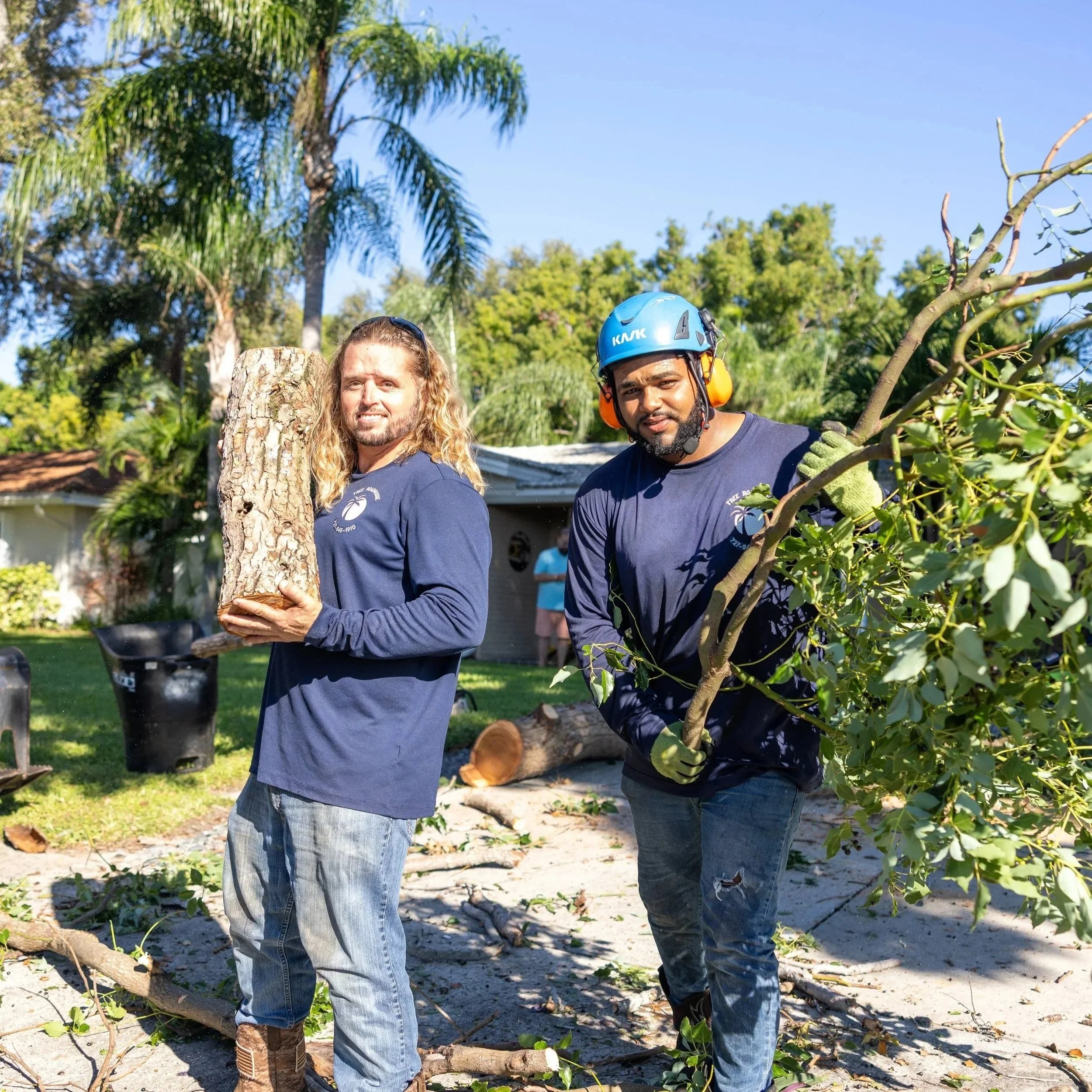
Expert palm pruning in Largo protects property, prevents hazards, and promotes healthy, beautiful trees year-round.
Set the Scene: Palm Trees as a Signature of Largo’s Landscape
Palm trees shape much of how Largo, Florida, looks and feels, from quiet residential streets to busy commercial corridors across Pinellas County. They provide shade, visual balance, and the coastal character many homeowners value. A healthy, well-maintained palm can frame a driveway, soften rooflines, and support long-term property value, especially in neighborhoods where outdoor appearance matters year-round.
Problems begin when palms are ignored or pruned without understanding how they function. Dead fronds can fall unexpectedly, heavy seed pods may damage vehicles or create slick walkways, and improper cuts often invite pests or disease in Largo’s humid climate. Palm pruning is not the same as trimming shade trees, such as oaks or maples. It requires an understanding of palm biology and how coastal conditions influence stress and recovery.
Goals of Pruning: Health, Safety, and Appearance
Proper palm pruning serves three connected purposes. Removing dead or dying fronds allows the palm to focus energy on active growth. Clearing loose material reduces the risk of falling debris during storms, which is a serious concern in Largo as hurricane season approaches each year.
Appearance matters, but it should never override health. A clean, balanced canopy improves curb appeal without stripping away vital green fronds. Over pruning, especially aggressive hurricane cuts, weakens palms and often makes them more vulnerable to pests and wind damage. Pruning should be viewed as preventive maintenance that protects people, property, and the tree itself.
What Makes Largo, FL Unique for Palm Care
Largo’s environment directly affects how palms grow and recover from pruning. High humidity accelerates frond decay, intense sun pushes rapid growth, and sandy soils struggle to retain nutrients. Salt exposure in coastal areas adds another layer of stress, while frequent thunderstorms and tropical systems increase the need for strong, well-balanced canopies.
Urban layout further complicates care. Many palms sit close to homes, sidewalks, parking areas, and power lines. Poor pruning decisions can quickly turn into safety risks or costly repairs. Successful palm pruning in Largo accounts for both environmental pressure and the surrounding built environment.
Understanding Palm Tree Biology and Growth
How Palms Grow Differently from Other Trees
Palms grow from a single central point called the terminal bud or spear. This bud controls all upward growth, and damage to it can permanently kill the palm. Unlike shade trees, palms do not form growth rings or seal wounds with new wood, which means pruning cuts remain exposed.
Fronds emerge, mature, and decline as part of a natural cycle. Effective pruning works with this process by removing only fronds that have completed their life cycle. Cutting into the trunk or removing too many fronds disrupts energy production and increases vulnerability to decay.
The Role of Fronds, Boots, and Fruit in Palm Health
Fronds are the palm’s energy producers. Green fronds actively support photosynthesis and should remain unless damaged or hazardous. Removing too many green fronds weakens the palm, even if it looks neat afterward.
Boots, the bases of old fronds, may remain attached to some species. While they can trap moisture or insects, they also protect the trunk. Fruit and flower stalks add weight and mess below, and careful, selective removal can improve safety.
Common Palm Species in Largo and How They Respond to Pruning
Largo landscapes include Sabal palms, queen palms, date palms, pygmy date palms, foxtail palms, and royal palms. Sabals are native and resilient, but are frequently overpruned. Queen palms grow quickly and produce heavy fruit clusters that require regular attention. Date palms have sharp spines and are prone to aggressive cuts. Foxtail and royal palms are visually striking but sensitive to improper pruning. Knowing the species guides both timing and technique.
Local Regulations and Safety Considerations in Largo, FL
City and County Guidelines on Tree Work
Routine palm maintenance on private property is usually allowed, but aggressive pruning or removal of protected trees may require permits. Regulations can change, so checking with the City of Largo or Pinellas County before major work avoids problems. Many HOAs also have specific pruning standards that must be followed.
When You Must Call a Licensed Arborist
Tall palms near structures, palms showing disease symptoms, or trees with structural imbalance require professional evaluation. Certified arborists understand proper palm-pruning techniques and carry equipment that enables safe work at height. Attempting complex work without training often leads to injury or long-term tree decline.
Working Around Power Lines and Public Spaces
Pruning near power lines should only be handled by trained professionals. Utility companies maintain strict clearance zones, and violating them can cause serious injury. Palms overhanging sidewalks or streets also require careful planning to protect pedestrians and vehicles during pruning.
Personal Safety Gear and Best Practices
Eye protection, gloves, long sleeves, sturdy footwear, and hard hats reduce injury risk. Ladders should remain stable and never be used to overreach. Work should never be done alone at height, and drop zones should be clearly identified before cutting begins.
Best Time of Year to Prune Palm Trees in Largo’s Climate
Seasonal Weather Patterns in Largo, FL
Largo’s summers are hot and humid with frequent storms, while winters are milder and drier. Palms grow more actively in warm months, which influences how quickly they recover from pruning. Weather conditions also affect safety, as rain and heat increase risk during maintenance.
Ideal Pruning Windows for Health and Storm Preparedness
Late winter to early spring is often ideal for light pruning, removing dead fronds before peak growth. Late spring allows preparation before hurricane season. Pruning should focus on hazard reduction, not on excessively stripping palms.
When Not to Prune: Avoiding Stress Periods
Newly planted palms, extreme heat waves, drought conditions, and saturated soil after storms are poor times for pruning. Waiting for stable conditions improves safety and recovery. Severe damage or instability calls for professional assessment.
Choosing the Right Tools and Equipment
Essential Hand Tools for Small to Medium Palms
Hand pruners, loppers, and pruning saws handle most homeowner tasks. Sharp, corrosion-resistant tools perform best in Largo’s humid environment and reduce tissue damage during cuts.
Equipment for Tall or Mature Palms
Pole saws reduce ladder use at moderate heights, but ladder use and climbing introduce serious risk. Tall palms usually require professional equipment and training.
Cleaning, Sharpening, and Disinfecting Tools
Sharp tools make cleaner cuts and reduce stress. Disinfecting blades between trees helps limit disease spread, especially in warm, humid climates.
Inspecting Your Palm Tree Before Pruning
Assessing Overall Health
Healthy palms show firm trunks, balanced canopies, and steady new growth. Yellowing, thinning, leaning, or soft trunk areas signal problems that pruning alone may not fix.
Identifying Dead, Dying, or Diseased Fronds
Fully brown, brittle fronds are safe to remove. Green or partially yellow fronds still contribute energy and should remain unless hazardous.
Checking for Pests, Rot, and Structural Issues
Scale insects, weevils, rot, or trunk cracks complicate pruning decisions. Severe symptoms require professional input before any cuts are made.
Step-by-Step Process: How to Prune a Palm Tree in Largo
Step 1: Prepare the Area
Clear drop zones, move vehicles and furniture, lay tarps, and notify others nearby.
Step 2: Remove Dead Fronds First
Start with fully dead fronds hanging downward. Make clean cuts close to the trunk without gouging.
Step 3: Remove Hazardous Seed Pods
Seed clusters add weight and mess. Support them during cutting to control the fall direction.
Step 4: Decide on Boot Removal
Remove only loose boots. Cutting into attached boots risks trunk damage.
Step 5: Final Visual Check
The canopy should look full and balanced. Avoid over pruning and reassess from a distance.
What Not to Do: Common Palm Pruning Mistakes in Largo
Avoid hurricane cuts, cutting into the crown, removing too many green fronds, using climbing spikes, or relying on unsafe shortcuts. These practices weaken palms and increase long-term risk.
Disposal and Recycling of Palm Debris in Largo
Palm fronds should be cut and bundled according to local yard waste rules. Large jobs may require drop-off facilities. Diseased debris should never be composted. Clean tools after handling affected material.
Post-Pruning Care and Ongoing Maintenance
Consistent watering, proper fertilization, and monitoring for stress support recovery. Light, regular pruning works better than infrequent heavy trimming. As palms mature, professional care often becomes safer and more practical.
Conclusion: Keeping Largo’s Palms Healthy, Safe, and Beautiful
Palm pruning in Largo requires knowledge, timing, and restraint. Understanding how palms grow, respecting local conditions, and avoiding harmful shortcuts preserves both safety and beauty. Combining informed homeowner care with professional support when needed keeps palms a reliable, defining feature of Largo landscapes.
FAQs About Pruning Palm Trees in Largo, FL
Pruning frequency depends on species, age, and location. Fast-growing palms may need light maintenance several times a year, while slower-growing palms need far less. Regular light pruning works better than infrequent aggressive trimming.
Last-minute pruning is not recommended. Removing dead fronds well before storm season helps, but extreme hurricanes weaken palms and reduce wind resistance.
Pruning alone does not fix most health problems and can worsen stress. Yellowing often indicates nutrient or root issues that require proper diagnosis and care.
Routine maintenance usually does not require a permit, but local authorities or HOAs may regulate major pruning or removal. Checking guidelines before starting larger work is advised.
