
Caring for Mature Oak Trees in Largo, FL
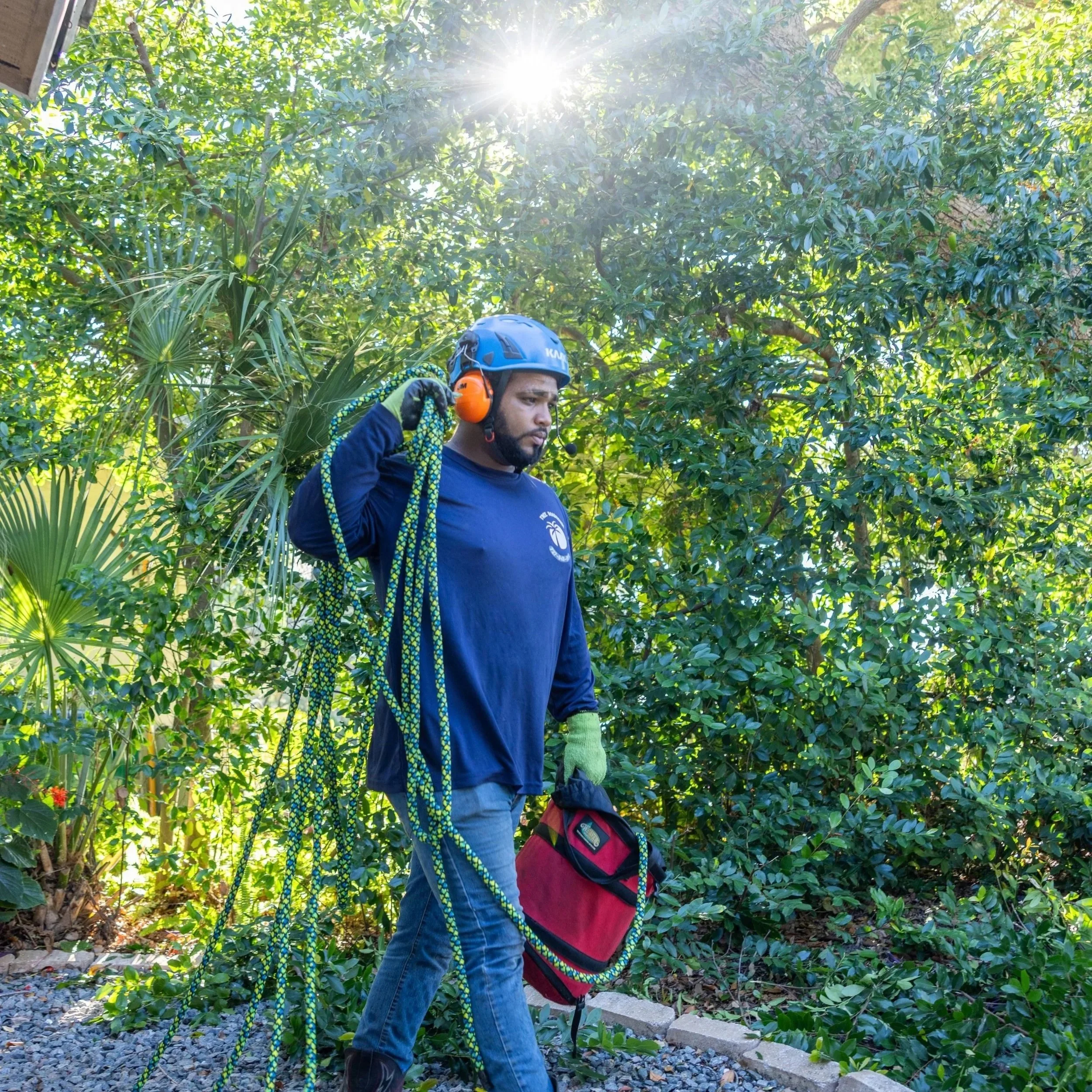
Proper care for Largo’s mature oak trees starts with identifying species to ensure longevity and storm resilience.
Understanding Mature Oak Trees in Largo, FL
Know Your Local Oak Species
Mature oak trees are a defining feature of many properties in Largo, FL, but not all oaks behave the same way. Live oak, laurel oak, and water oak are the most common species across Largo and Pinellas County. Live oaks typically develop wide, spreading canopies with dense evergreen foliage and thick, textured bark that deepens with age. Laurel oaks tend to grow taller and more upright, with thinner, pointed leaves and smoother bark early in life that becomes irregular over time. Water oaks usually have smaller, lobed leaves, lighter bark, and more uneven branching.
Identifying the species matters because lifespan, storm resistance, and structural stability vary significantly. Live oaks often thrive for generations when given space and proper care, while laurel and water oaks grow faster but generally decline sooner in residential environments. Largo’s coastal conditions amplify these differences, making correct identification an essential first step in responsible care.
How Largo’s Climate Affects Mature Oaks
Largo’s subtropical climate creates constant pressure on mature oak trees. High humidity and long growing seasons encourage dense canopy growth, which increases wind resistance if not managed properly. Sandy soils drain quickly, limiting moisture retention and increasing stress during dry periods. At the same time, heavy rains can temporarily saturate soils, reducing root oxygen and encouraging shallow rooting.
Salt-laden coastal winds, inconsistent rainfall, and minimal dormancy periods allow pests and diseases to remain active much of the year. These factors mean mature oaks rarely get a proper break from stress, making proactive care more critical than reactive fixes. Adjusting watering, mulching, and pruning timing to Largo’s seasonal patterns helps prevent a gradual decline that often goes unnoticed until problems become serious.
The Lifespan and Growth Patterns of Mature Oaks
Mature oak trees shift focus from vertical growth to canopy spread and trunk expansion. Growth slows and becomes more subtle, while natural features such as small deadwood or slightly reduced leaf size may appear without signaling decline. Live oaks often maintain vigor for decades, while laurel and water oaks typically show shorter lifespans, especially in compacted or disturbed soils.
As canopies expand outward, roots and branches begin interacting more closely with sidewalks, structures, and utilities. Monitoring these patterns allows homeowners to plan maintenance rather than respond to damage after it occurs. Comparing canopy density and branch extension year to year provides valuable insight into whether a mature oak remains stable or needs professional evaluation.
Recognizing the Value of Mature Oaks on Your Property
Mature oak trees provide substantial benefits in Largo’s climate. Their broad canopies reduce surface temperatures, lower cooling demand, and buffer strong winds during storms. Oaks also support birds and beneficial wildlife, contributing to healthier landscapes that recover more quickly from environmental stress.
From a property standpoint, mature oaks add visual structure, privacy, and long-term value that younger trees cannot quickly replace. Removal often brings high costs and long recovery periods for the landscape. Treating mature oaks as long-term assets rather than routine yard features helps prioritize informed, preventative care.
When an Oak Tree Is Truly “Mature”
Maturity reflects size, canopy development, and consistent acorn production rather than age alone. Mature oaks focus on maintaining structure rather than growing taller. As trees progress beyond peak maturity, signs such as thinning canopy sections, smaller leaves, or increased deadwood may appear.
At this stage, care priorities shift. Root zones become more sensitive to disturbance, and pruning tolerance decreases. Recognizing these transitions allows homeowners to adjust maintenance practices before decline accelerates.
Evaluating the Health of Your Mature Oak
Visual Health Check: Canopy, Leaves, and Branches
A healthy mature oak typically shows a full, balanced canopy with even leaf distribution. Some scattered dead twigs are normal, but large bare sections, uneven weight distribution, or obvious gaps suggest stress or structural issues. Leaf color and size should remain consistent across most of the canopy.
Yellowing, spotting, browning edges, or premature leaf drop often indicate water stress, nutrient imbalance, or disease. Taking seasonal photos from the same vantage point helps track subtle changes that might otherwise go unnoticed.
Inspecting the Trunk and Bark
Normal oak bark may crack and furrow with age, but deep vertical splits, exposed wood, sunken areas, or shelf-like fungi point to deeper problems. Oozing sap, expanding cavities, or clusters of insect holes warrant closer attention.
Avoid probing damaged areas, which can worsen decay. Documenting changes with photos and sharing them with a local arborist allows accurate assessment without causing additional harm.
Checking the Root Zone and Soil Surface
Mature oaks rely on wide, shallow root systems. Compacted soil, exposed roots, standing water, or turf failure beneath the canopy often signal root stress rather than lawn issues. Recent construction, trenching, or grade changes frequently disrupt roots long before symptoms appear above ground.
Monitoring soil conditions beneath and beyond the drip line provides early clues about stability and long-term health.
Identifying Early Warning Signs of Decline
Decline usually develops gradually. Canopy thinning, smaller leaves, tip dieback, or increasing deadwood often progress over multiple seasons. Sudden limb loss, leaning trunks, or soil heaving near the base indicate more advanced risk and require prompt professional evaluation.
When to Involve a Certified Arborist
Large oaks near structures, visible decay, recurring pest issues, or storm damage all justify a professional assessment. Certified arborists bring diagnostic experience and local knowledge specific to Largo’s conditions. Periodic evaluations support proactive care rather than emergency response.
Watering Mature Oaks in Largo’s Climate
Understanding Mature Oak Water Needs
Established oaks rely largely on rainfall, but extended dry periods still create stress in sandy soils. Underwatering leads to scorched leaf edges and early drop, while overwatering causes yellowing, thinning, and fungal issues. Consistent moisture matters more than frequent irrigation.
Seasonal Watering Strategies
Summer storms often supply adequate moisture, while fall and winter dry spells may require occasional deep watering. Observation should guide decisions rather than fixed schedules, especially after storms or drought advisories.
How to Water Properly
Deep, slow watering near the drip line supports root function. Soaker hoses or drip lines work well. Avoid watering directly against the trunk, and stop before the soil becomes saturated.
Avoiding Overwatering and Drainage Problems
Automatic irrigation systems frequently overwater oak roots. Standing water, muddy soil, or sour odors signal drainage issues that need correction rather than more water.
Soil and Mulch Management Around Mature Oaks
Understanding Largo’s Native Soils
Sandy, low-organic soils dominate Largo landscapes, limiting nutrient retention and moisture. Compaction from development further restricts oxygen movement, increasing stress on shallow roots.
Best Mulching Practices
Mulch conserves moisture and moderates temperature when applied two to four inches deep and kept away from the trunk. Extending mulch outward toward the drip line provides the greatest benefit.
Protecting Roots From Compaction
Redirecting foot traffic, expanding mulch zones, and avoiding vehicle parking beneath canopies preserves soil structure and root health.
Pruning and Structural Care for Mature Oaks
Why Pruning Matters
Pruning improves safety, balance, and storm resilience. Removing deadwood and redistributing weight reduces limb failure risk while supporting airflow and light penetration.
Best Time to Prune Oaks in Largo
Cooler, drier periods generally reduce stress and pest activity. Hazardous limbs should be addressed immediately, regardless of the season.
Types of Pruning
Crown cleaning removes deadwood, thinning reduces wind resistance, and limited reduction improves clearance. Precision matters more than volume.
Why DIY Pruning Is Risky
Large limbs, ladders, and power tools create serious safety risks. Improper cuts invite decay and weak regrowth. Mature oak pruning belongs in professional hands.
Pest and Disease Considerations
Mature oaks host many insects that cause minimal harm. Scale, caterpillars, and borers become problematic mainly when trees are stressed. Diseases such as root rot, cankers, and leaf spots often relate to soil and water conditions rather than pathogens alone.
Strong cultural care remains the most effective prevention strategy. Chemical treatments should follow proper diagnosis and professional guidance.
Storm Preparation and Recovery
Strategic pruning over time improves wind performance. Avoid heavy last-minute pruning before hurricanes. After storms, inspect from a distance and involve professionals when damage affects the structure or utilities. Recovery often takes multiple seasons with proper support.
Construction and Landscaping Near Mature Oaks
Root protection is critical. Planning projects around the critical root zone, fencing protected areas, and using careful excavation methods reduces long-term damage. Post-construction monitoring helps catch delayed decline early.
Conclusion: A Long-Term Commitment to Largo’s Mature Oaks
Caring for mature oak trees in Largo requires observation, restraint, and informed decision-making. Understanding species differences, climate pressures, and growth patterns allows homeowners to support stability rather than react to problems. With thoughtful watering, soil care, and professional guidance when needed, mature oaks can remain safe, resilient, and valuable landscape features for decades.
Frequently Asked Questions
Most mature oaks rely on rainfall, but extended dry periods may require deep supplemental watering near the drip line. Soil moisture and leaf condition provide better guidance than fixed schedules.
Only very small, low branches should be handled by homeowners. Structural pruning on mature oaks carries significant safety and health risks and should be performed by certified arborists.
Root disturbance from construction, soil compaction, improper watering, and incorrect pruning poses greater threats than pests or disease alone.
Visible decay, storm damage, declining canopy health, or planned construction near the tree all warrant professional evaluation. Periodic inspections are valuable even when no obvious issues exist.
