
Tips for Pruning Fruit Trees in Largo, FL
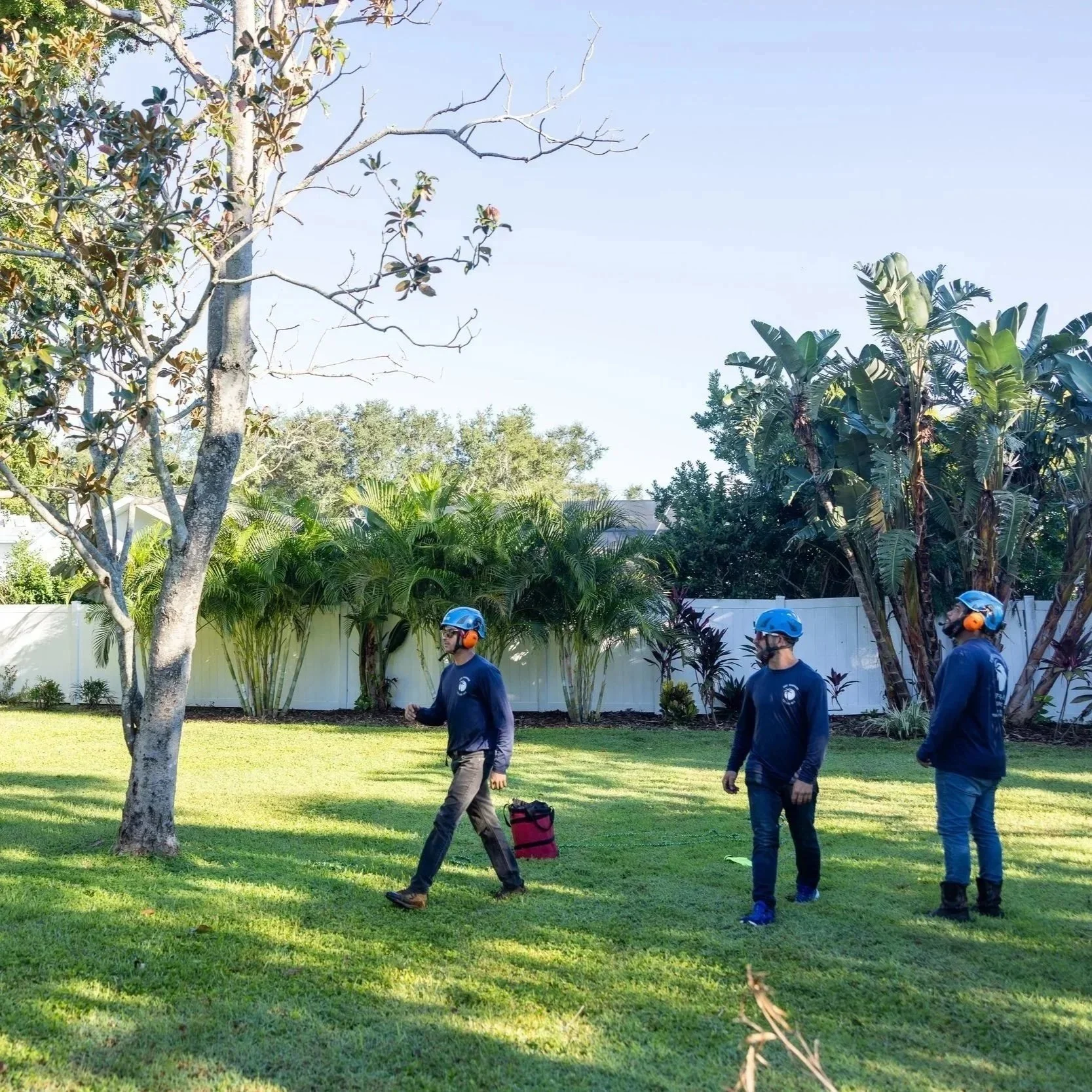
Pruning fruit trees in Largo requires careful timing to support growth and prevent disease in the subtropical climate.
Understanding Largo, FL’s Climate and Its Impact on Fruit Tree Pruning
Largo, FL, sits firmly in a subtropical climate, and that reality shapes how fruit trees grow, respond to stress, and recover from pruning. Warm temperatures dominate most of the year, humidity remains consistently high, and the growing season stretches far longer than in cooler regions. Fruit trees here rarely experience full dormancy, instead moving through short rest periods before resuming growth. As a result, fruit tree pruning in Largo often leads to faster wound closure and quicker regrowth, but it also increases exposure to insects and fungal diseases if cuts are poorly timed or improperly made.
Pruning recommendations developed for colder climates often assume deep winter dormancy, which does not exist in Largo. Trees remain biologically active most of the year, meaning timing and restraint matter more than rigid calendars. Late cold snaps, tropical storms, and prolonged summer heat all influence how trees respond to pruning. Heavy cutting during periods of stress can weaken structure, slow recovery, and increase vulnerability. Effective fruit tree pruning in Largo reflects these conditions rather than relying on generic national advice.
Common Fruit Tree Varieties in Largo and How They Differ
Largo landscapes support a wide variety of fruit trees, each with distinct growth habits that affect pruning strategy. Citrus trees such as oranges, lemons, limes, and grapefruits dominate many yards and typically develop dense canopies with flexible wood. Mango and avocado trees grow more aggressively, sending vertical shoots upward if left unmanaged. Loquat, guava, fig, papaya, and low-chill peaches add further diversity.
Applying the same pruning approach to every fruit tree often leads to poor results. Citrus benefits from light structural pruning focused on airflow, while mango and avocado require canopy control to manage height and limb strength. Some trees fruit on older wood, others on new growth, and pruning at the wrong time can eliminate an entire season’s harvest. Understanding species-specific behavior allows pruning to support both tree health and consistent fruit production in Largo’s climate.
How Humidity, Rain, and Storms Influence Pruning Choices
High humidity and frequent rainfall create ideal conditions for fungal pathogens, especially when fresh pruning cuts are present. Pruning immediately before extended wet periods increases disease risk, even when cuts are made correctly. Monitoring short-term weather forecasts becomes a practical necessity rather than an extra step.
Storm season adds another layer of complexity. Structural fruit tree pruning helps reduce storm damage by thinning dense growth, correcting weak branch attachments, and improving airflow through the canopy. In Largo, pruning often serves dual purposes, supporting fruit production while increasing storm resilience.
Sun Exposure and Heat Stress After Pruning
The Florida sun can be unforgiving when pruning suddenly exposes shaded bark and interior branches. Citrus and younger fruit trees are susceptible to sunscald, which damages bark tissue and slows recovery. Over-pruning can quickly turn a healthy tree into one struggling with heat stress.
Gradual thinning rather than aggressive cuts protects vulnerable areas while still improving light penetration. In some cases, temporary trunk protection may help reduce heat damage. Successful fruit tree pruning in Largo balances airflow and sunlight with protection from extreme heat.
Identifying the Best Time of Year to Prune in Largo, FL
General Seasonal Guidelines for Subtropical Pruning
Late winter through very early spring often provides the best window for major fruit tree pruning in Largo. Cooler temperatures, lower humidity, and reduced insect activity allow cuts to begin sealing before rapid growth resumes. Major pruning focuses on structure and form, while lighter maintenance can occur throughout the year as needed.
Pruning Around Blooming and Fruiting Cycles
Timing directly affects fruit yield. Many homeowners accidentally remove flower buds by pruning too close to bloom. Citrus sets buds earlier than most people realize, while mango and avocado follow temperature- and rainfall-driven cycles. Pruning shortly after harvest often provides the best balance between maintaining structure and protecting the next fruiting cycle.
Adjusting Timing After Frosts and Cold Snaps
Cold snaps are rare but disruptive in Largo. Immediate pruning after cold damage often removes wood that would have recovered naturally. Waiting allows trees to reveal which tissue remains viable. Healthy wood shows green cambium and flexible branches, while dead wood becomes brittle and dry.
Balancing Pruning With Hurricane Season
Storm preparation pruning works best before hurricane season begins. Drastic pruning during peak storm months creates fresh wounds under high stress conditions and can trigger weak regrowth. A steady, annual approach produces stronger, more resilient trees.
Choosing the Right Tools for Pruning Fruit Trees
Fruit tree pruning works best with clean, sharp tools matched to branch size. Hand pruners handle small growth, loppers manage medium limbs, and pruning saws tackle thicker wood. Pole pruners reduce ladder use, improving safety. In Largo’s humid conditions, rust-resistant tools and regular maintenance extend tool life and improve cut quality.
Power tools have their place for larger trees, but uneven ground, wet soil, and nearby power lines make them risky for inexperienced users. Many homeowners find professional help safer for major pruning.
Assessing Tree Health Before You Start Pruning
Pruning should never begin without evaluating tree health. Leaf discoloration, cankers, sap oozing, dieback, or insect activity signal underlying issues. Citrus greening, scale insects, and fungal leaf spots remain common concerns in Largo.
Structural assessment matters as much. Weak branch angles, competing leaders, and unbalanced canopies increase the risk of failure during storms. Addressing watering, drainage, and nutrient issues before heavy pruning leads to better outcomes and stronger recovery.
Basic Pruning Principles for Fruit Trees
Pruning relies on two primary cuts. Heading cuts shorten branches and stimulate new growth near the cut, while thinning cuts remove branches at their origin to open the canopy without triggering dense regrowth. Overuse of heading cuts often leads to excessive water sprouts.
Strong structure develops through either a central leader or an open center form, depending on the species. Balanced spacing, controlled height, and selective thinning improve airflow, sunlight penetration, and fruit quality, especially in Largo’s humid conditions.
Pruning Young Fruit Trees
Early pruning focuses on balance rather than perfection. Light shaping after planting helps match canopy size to developing roots. During years two and three, selecting strong scaffold branches builds long-term structure. Removing water sprouts and rootstock suckers early prevents wasted energy and crowding.
Over-pruning young trees slows establishment and increases sun damage. Gradual development produces stronger frameworks and easier maintenance later.
Pruning Mature Fruit Trees for Production
Mature trees benefit from annual maintenance rather than sporadic heavy pruning. Removing dead wood, thinning crowded areas, managing height, and renewing older fruiting wood keep production steady. Overgrown trees require multi-year rehabilitation rather than drastic one-time cuts, especially in Largo’s climate.
Pruning Citrus Trees in Largo, FL
Citrus grows in multiple flushes and benefits from restrained pruning. Late winter to early spring works well after harvest and before rapid growth resumes. Interior thinning improves airflow, while removing suckers below the graft protects fruit quality. Awareness of citrus greening and sanitation practices remains essential.
Pruning Tropical and Subtropical Fruit Trees
Mango and avocado trees require height management and post-harvest pruning to control size and reduce storm risk. Guava and loquat respond well to lighter, regular pruning. Papaya differs entirely, with limited structural options and greater sensitivity to large cuts. Early planning often matters more than corrective pruning for soft-stemmed species.
Preventing Common Pruning Mistakes
Over-pruning, lion-tailing, poor cut placement, and excessive summer pruning cause long-term problems. Gradual, well-timed cuts preserve canopy protection, reduce stress, and support healthier regrowth. Sometimes the best decision is to wait and observe rather than prune immediately.
Aftercare Following Fruit Tree Pruning
Consistent moisture supports recovery, but overwatering causes root stress. Fertilization should remain moderate and timed to coincide with active growth rather than applied immediately after pruning. Monitoring new pest growth enables early intervention without heavy chemical use. Follow-up pruning fine-tunes the structure as the tree responds.
Working Safely While Pruning in Largo
Heat, humidity, ladders, and sharp tools create real hazards. Early-day work, hydration, stable footing, and proper tool storage reduce risk. Tasks involving heights, heavy lifting, or power lines are for professionals. Knowing limits protects both people and trees.
Integrating Pruning Into a Long-Term Care Plan
Pruning works best when coordinated with proper planting, watering, mulching, and soil care. Simple records of pruning dates and observations help refine future decisions. In some cases, replacement offers better long-term results than repeated rehabilitation, especially for poorly placed or declining trees.
Fruit Tree Pruning FAQs in Largo, FL
Most fruit trees benefit from one main pruning each year, with occasional light touch-ups. Younger trees need more guidance, while mature trees respond best to restrained annual maintenance rather than heavy cutting.
Light summer pruning can address water sprouts or safety issues, but major structural pruning during summer heat increases stress and disease risk. Cooler periods remain better for significant cuts.
Wound sealants are generally unnecessary and can trap moisture. Proper cuts at the branch collar allow natural healing, which works better in Largo’s climate.
Drastic single-session reductions often cause shock, weak regrowth, and sun damage. Gradual pruning over multiple seasons or professional guidance produces safer, more sustainable results.
