
The Art of Crown Reduction: Balancing Beauty and Safety
Trees are often the centerpiece of a landscape, offering shade, structure, and character that few other features can match. Yet when they grow too large, too dense, or too close to structures, they can create challenges that require a skilled touch. Crown reduction is the professional art of bringing those trees back into balance. It’s not about cutting trees down to size but refining them to preserve both beauty and safety.
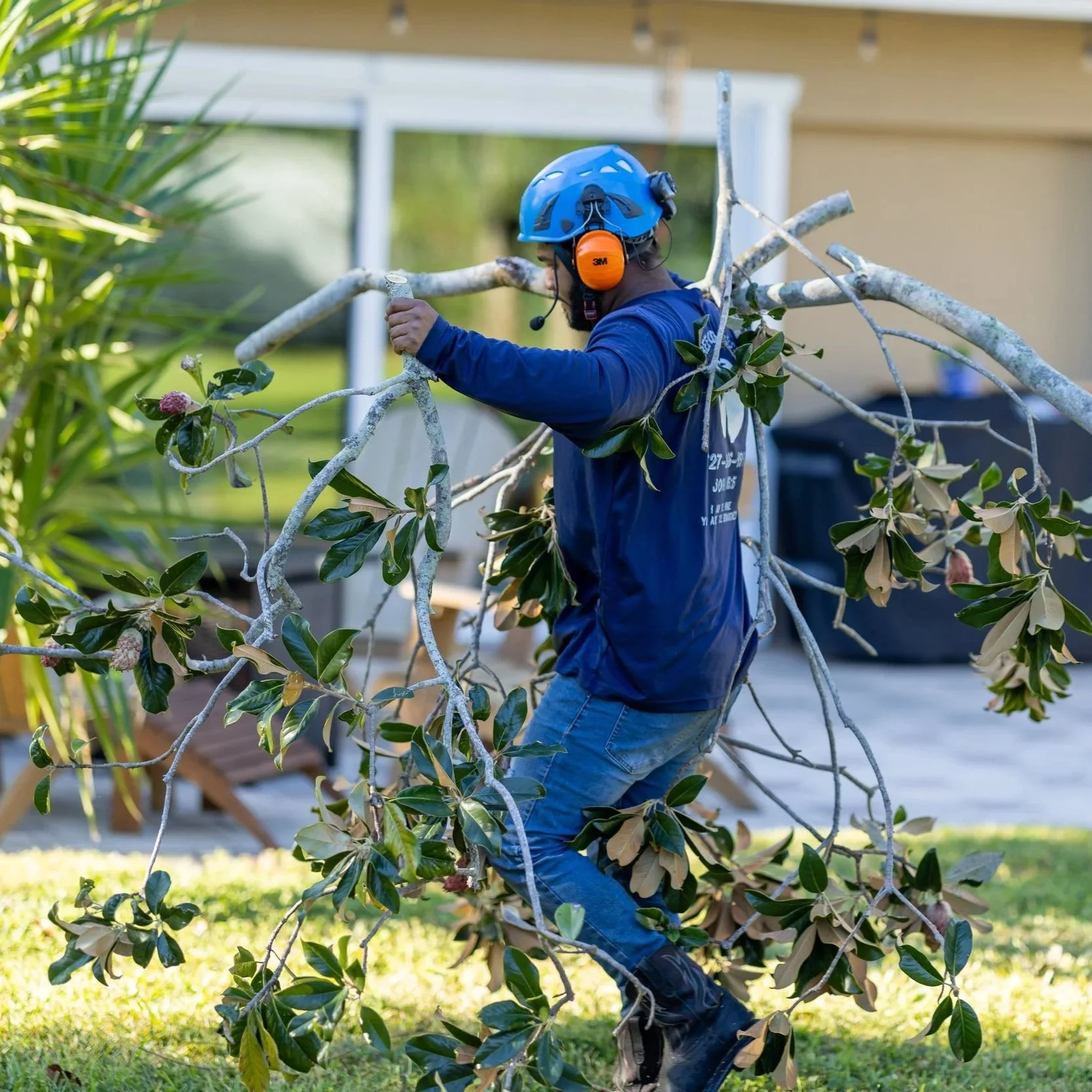
It’s not about cutting trees down to size but refining them to preserve both beauty and safety.
Understanding Crown Reduction
Crown reduction involves selectively shortening the height and spread of a tree’s canopy. The process focuses on removing outer branches while maintaining the tree’s natural shape and structure. The goal is to reduce stress on limbs, improve balance, and minimize the risk of breakage or damage to nearby property.
Unlike topping, which removes large sections of the canopy without thought to growth patterns, crown reduction respects the biology of the tree. Professionals make precise cuts that preserve vital growth points and promote healthy regrowth. The result is a well-shaped tree that remains stable, vibrant, and in harmony with its surroundings.
Why Crown Reduction Matters
Crown reduction serves both aesthetic and functional purposes. When a tree grows beyond its intended space, it can block light, crowd other plants, or pose hazards during storms. Overextended limbs can become heavy, unbalanced, or prone to splitting. Crown reduction corrects those issues by redistributing weight and creating a safer structure without compromising the tree’s natural grace.
For many property owners, the most immediate benefit is the peace of mind it brings. Reducing height and spread minimizes the chance of damage to nearby structures or power lines during high winds. At the same time, it allows more sunlight to reach gardens, lawns, or patios. A well-reduced crown not only protects property but also enhances curb appeal.
The Science Behind The Technique
Crown reduction isn’t just about trimming branches; it’s about understanding tree physiology. Every cut affects how a tree responds, heals, and grows. Professionals study branch unions, growth patterns, and nutrient flow before making any adjustments.
The cuts are carefully placed at growth nodes or lateral branches capable of taking over as new leaders. That method supports healthy regrowth and prevents decay. Removing too much at once can stress the tree or lead to rapid, weak regrowth that’s more vulnerable to damage. The art lies in finding the right balance between control and preservation.
Safety As A Guiding Principle
Safety is one of the primary reasons property owners schedule crown reduction. Trees located near homes, driveways, or walkways pose a potential risk when their branches grow too long or become too heavy. By strategically shortening those limbs, professionals reduce the risk of falling branches or tree failure during storms.
A properly reduced crown also improves wind resistance. Trees with overly dense canopies catch more wind, which increases the risk of uprooting. Thinning and reshaping allow wind to pass through more easily, lowering the pressure on both branches and roots. That stability keeps the tree standing strong through changing seasons.
Aesthetic Balance Without Compromise
One of the most misunderstood aspects of crown reduction is its impact on appearance. Many people fear the process will make their trees look butchered or unnatural. When done by professionals, the opposite is true. Crown reduction enhances the tree’s form by refining its proportions and emphasizing its natural beauty.
Each cut is planned to maintain symmetry and flow. The overall shape remains recognizable, just more refined. Trees appear lighter, more elegant, and better integrated into the landscape. In design terms, crown reduction restores visual harmony between nature and architecture, creating a cleaner and more open look.
Avoiding The Mistake Of Topping
Crown reduction is often confused with topping, but the two couldn’t be more different. Topping involves cutting off large sections of a tree’s canopy without regard for structure or health. The result is a disfigured tree that becomes more susceptible to decay, sunscald, and pest infestation.
Professionals never remove the entire upper portion of a tree. Instead, they trim selectively, targeting only the areas that affect balance or safety. The goal is to retain as much of the original canopy as possible while achieving measurable reductions in weight and size. Crown reduction is a sculptor’s approach, not a shortcut.
Protecting Tree Health During The Process
Tree health depends on how and where cuts are made. Each wound represents a potential entry point for disease, so precision and cleanliness matter. Professional arborists use sterilized tools and follow cutting techniques that encourage quick healing.
They also evaluate the tree’s energy reserves and age before trimming. Mature trees require more conservative reductions, while younger trees can handle more aggressive shaping. Timing matters too; crown reduction is best performed during the dormant season or early growth stages when stress is lowest.
When To Consider Crown Reduction
Several signs indicate that a tree may benefit from a crown reduction. Overhanging branches that threaten structures, excessive shading that limits growth below, or limbs showing cracks or heavy lean are all warning indicators. Trees that have grown too close to power lines or are obstructing sightlines can also be candidates.
Sometimes the motivation is purely aesthetic. Homeowners may want to open views, allow more sunlight into living spaces, or simply improve the tree’s proportions. A professional assessment helps determine whether crown reduction is appropriate and what scale of work will yield the best outcome.
Maintaining Balance And Stability
Crown reduction doesn’t end with a single service. Trees continue to grow and adapt, so regular maintenance helps maintain stability and form. Professionals recommend follow-up inspections every few years to monitor regrowth and address any developing issues.
By managing growth patterns over time, arborists help trees remain strong and balanced. Consistent care prevents the need for drastic reductions later and supports the long-term vitality of the landscape.
Environmental And Practical Benefits
Beyond beauty and safety, crown reduction contributes to the health of the surrounding environment. Reducing shading improves ground-level vegetation growth and encourages biodiversity. More sunlight reaches lawns and garden beds, promoting healthier plant communities.
Crown reduction also prevents overcrowding between trees. When multiple large canopies compete for light and nutrients, each tree struggles to thrive. Selective reduction restores balance and helps maintain an even distribution of resources throughout the landscape.
The Role Of Professional Skill
Crown reduction demands a high level of technical expertise. It’s not a matter of simply cutting back branches but understanding how each change affects the tree’s structure and long-term health. Professionals are trained to read subtle cues—such as leaf density, limb angle, and bark condition—that indicate how a tree will respond.
Certified arborists follow industry standards that prioritize both safety and biology. Their work seamlessly blends science and artistry, producing results that not only protect trees but also enhance the landscape. Attempting crown reduction without that experience risks harming the tree or creating safety hazards.
Why Crown Reduction Is A Long-Term Investment
Well-performed crown reduction offers lasting benefits that go far beyond appearance. It protects property, extends the life of mature trees, and reduces the likelihood of emergency removals after storms. It also preserves the natural shade and aesthetic value that make trees so important to a property’s character.
When performed by professionals, crown reduction is a sustainable solution that balances growth with safety. It helps trees age gracefully while keeping landscapes functional and inviting. Homeowners who invest in this service often discover that their trees not only look better but perform better, too.
How Crown Reduction Fits Into Overall Tree Care
Crown reduction often works hand in hand with other professional services like pruning, crown lifting, and thinning. Each method supports the tree’s health in different ways, and together they create a holistic care plan. Reduction focuses on size and balance, lifting improves clearance and light penetration, and thinning enhances airflow.
Arborists tailor these techniques to the specific needs of the property, creating customized maintenance schedules that promote long-term health and stability. The combination of structural care and visual refinement keeps every tree in peak condition year after year.
The Balance Between Beauty And Safety
Crown reduction perfectly illustrates how function and beauty can coexist in professional tree care. It brings structure to overgrown trees, restores light and space, and minimizes hazards without sacrificing the grace that makes mature trees so appealing. The true art lies in knowing where to cut, how much to remove, and when to stop.
When performed by experienced professionals, crown reduction transforms trees from looming giants into graceful anchors of the landscape. They stand strong, look refined, and continue to grow safely in harmony with their surroundings. It’s a practice that combines science, precision, and artistry to keep trees healthy, beautiful, and perfectly balanced.
