
Specialty Tree Services That Go Beyond Simple Trimming
Tree care involves far more than shaping branches or removing overgrowth. Professional arborists offer a wide range of specialty services designed to maintain health, safety, and longevity for every type of tree. From hazard inspections to growth management and soil health improvement, specialty tree services address complex issues that standard trimming cannot. These advanced techniques protect property, preserve natural beauty, and promote stronger, more resilient trees year after year.
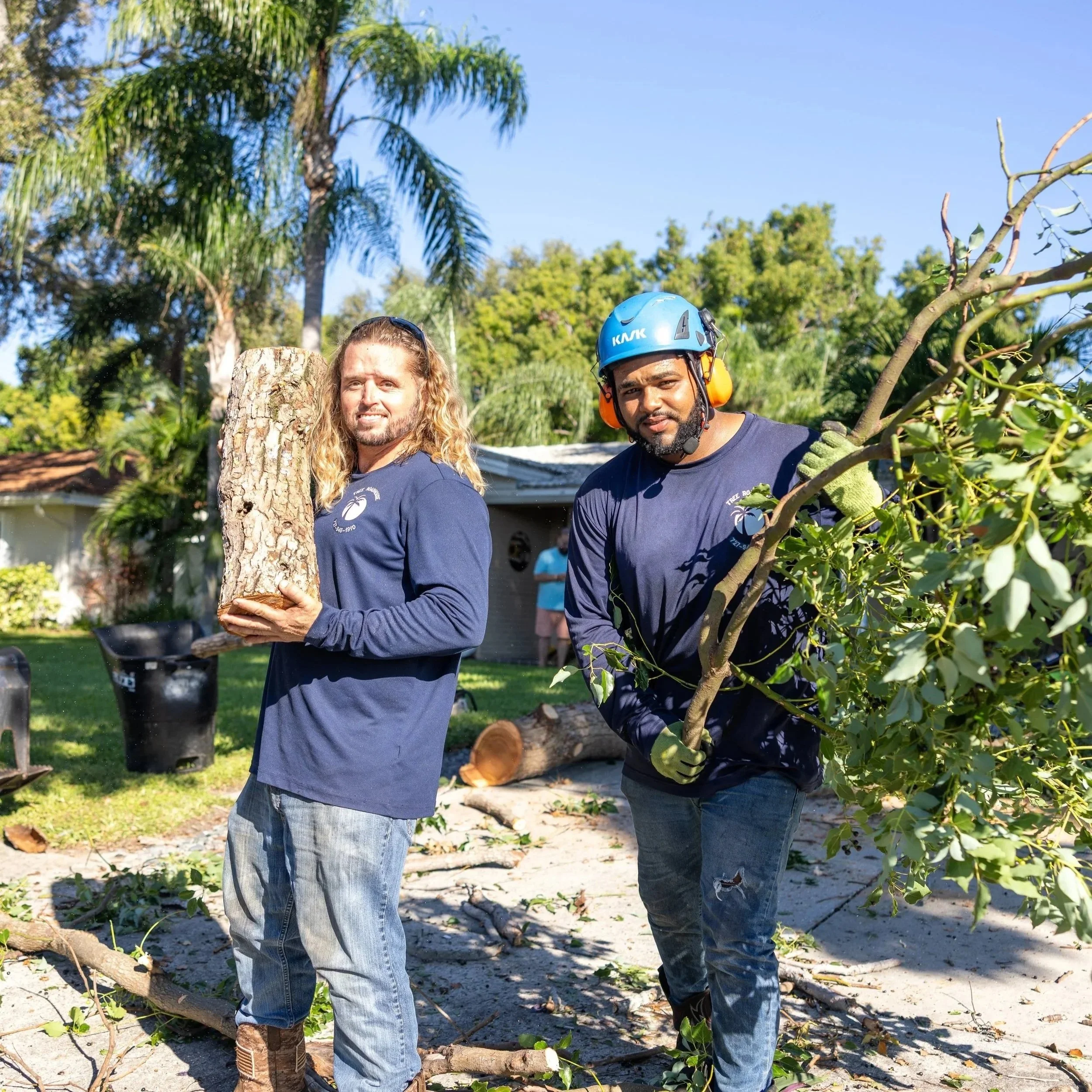
These advanced techniques protect property, preserve natural beauty, and promote stronger, more resilient trees year after year.
Tree Health Diagnostics And Assessments
Healthy trees start with an accurate assessment. Professional diagnostics help identify hidden issues such as root decay, nutrient deficiency, and pest infestations before they cause irreversible damage. Specialty tools, such as resistographs, soil probes, and aerial inspections, enable arborists to analyze the internal structure, moisture levels, and growth patterns.
Early detection makes a huge difference. A tree that appears healthy on the outside may hide internal rot or fungus spreading through the trunk. Professionals read subtle warning signs that most people overlook, such as changes in bark texture, leaf density, or branch alignment. By catching problems early, they prevent costly removals and keep trees thriving.
Tree assessments also guide maintenance decisions. Knowing whether a tree needs structural pruning, soil treatment, or pest control helps arborists create a precise plan. Instead of applying generic trimming methods, they use data-driven approaches that enhance tree health from the ground up.
Cabling And Bracing For Structural Support
Trees with heavy or uneven canopies often develop weak branch unions or splits in the trunk. Cabling and bracing provide the extra support needed to stabilize them. Professionals install high-strength steel cables or rods between major limbs to redistribute weight and reduce movement during storms.
Cabling is particularly useful for large, mature trees with sentimental or historical value. It allows them to stay intact while reducing the risk of branch failure. Bracing, on the other hand, strengthens trunks or limbs that have already started to separate. The combination of both keeps trees upright and stable even under stress.
Proper installation requires technical knowledge and precision. Cables must be tensioned correctly to provide flexibility without restricting growth. Professionals also inspect these systems regularly to adjust or replace hardware as the tree grows. The result is long-term support that maintains safety and structural integrity.
Lightning Protection Systems
Tall trees often act as natural lightning rods, especially in open yards or near buildings. A direct strike can split a trunk, kill roots, or ignite nearby structures. Specialty tree services include lightning protection systems that safely redirect electrical current away from the tree and into the ground.
Arborists install conductive copper cables along the trunk, connected to grounding rods buried in the soil. These systems provide a path of least resistance for lightning energy, sparing the tree and surrounding property from severe damage.
Lightning protection is especially valuable for heritage trees, specimen trees, or those located near homes, barns, or playgrounds. Protecting them not only preserves their beauty but also safeguards the landscape from fire and electrical hazards.
Root Collar Excavation
Root collar excavation addresses one of the most common yet overlooked threats to tree health: buried root flares. When soil or mulch accumulates around the base of a tree, it covers the root collar and traps moisture, which can lead to root rot. That excess moisture invites decay, mold, and pest infestations that weaken the trunk.
Professionals use specialized air tools to gently remove excess soil without harming roots. The process exposes the root flare, restoring oxygen flow and preventing disease. Once completed, the base of the tree can dry properly, reducing the risk of girdling roots and improving nutrient exchange.
Root collar excavation also helps identify deeper root problems. Arborists often uncover circling roots, compacted soil, or rot that requires further treatment. Correcting these issues increases stability and extends the tree’s lifespan.
Soil Aeration And Nutrient Management
Healthy trees rely on healthy soil. Over time, foot traffic, construction, or natural settling can compact the soil, making it challenging for roots to access air and water. Soil aeration relieves that pressure by loosening the ground around the root zone.
Professionals use air spades or augers to create pockets in the soil, improving drainage and allowing oxygen to penetrate. After aeration, they may apply organic matter or nutrient-rich fertilizer to replenish depleted soil. This process revitalizes struggling trees and promotes steady, vibrant growth.
Nutrient management is closely tied to aeration. Arborists perform soil testing to identify deficiencies in nitrogen, phosphorus, potassium, or other essential trace minerals. They then apply customized treatments that match each tree’s specific needs. A well-balanced nutrient plan supports stronger roots, better foliage, and improved resistance to disease.
Pest And Disease Management
Even the healthiest trees can fall victim to pests and pathogens. Specialty pest management services target invasive insects, fungal infections, and bacterial diseases that threaten the vitality of trees. Professionals identify the exact cause of distress and apply treatment accordingly.
Integrated pest management is a common strategy that combines biological, cultural, and chemical controls for balanced results. Beneficial insects can be introduced to naturally control harmful pests. When necessary, targeted treatments like trunk injections or soil drenches deliver medicine directly where it’s needed.
Fungal and bacterial diseases require equally precise intervention. Arborists may prune infected areas, apply fungicides, or recommend improved drainage and airflow to address the issue. Preventive treatments before peak pest seasons reduce future infestations and keep trees strong throughout the year.
Tree Risk Assessment And Hazard Mitigation
Hazardous trees pose serious safety concerns, especially during storms. Specialty tree services include risk assessments that evaluate the potential for limb or trunk failure. Arborists inspect canopy structure, root anchoring, and decay levels to determine stability.
If a tree shows signs of weakness, professionals develop a mitigation plan to address the problem. That might include pruning to reduce wind load, cabling for support, or removal if the risk is too great. Risk assessments also guide property owners in maintaining safe clearances around buildings and utilities.
Detailed reports from certified arborists provide documentation for insurance or municipal requirements. Beyond safety, these assessments help preserve trees that might otherwise be removed unnecessarily by identifying manageable risks and hazards.
Deep Root Fertilization
Deep root fertilization delivers nutrients directly to where trees need them most. Unlike surface feeding, which benefits only grass or shallow-rooted plants, deep injections penetrate the soil to reach root zones. Professionals use pressurized equipment to inject liquid fertilizer, organic matter, and beneficial microbes deep into the ground.
This treatment enhances soil structure, stimulates root growth, and improves drought tolerance. It’s especially effective for trees in compacted or nutrient-poor environments, such as urban landscapes or construction sites. Regular fertilization strengthens trees against pests and environmental stress, leading to healthier canopies and stronger roots.
Emergency Tree Services
When storms or high winds strike, quick action is essential to prevent property damage. Specialty emergency tree services handle fallen limbs, split trunks, and uprooted trees safely and efficiently. Crews arrive equipped with cranes, saws, and rigging gear to manage even the most complicated situations.
Emergency removal focuses on safety first. Professionals stabilize unstable trees, clear blocked driveways, and remove hanging branches that threaten buildings or power lines. Once immediate hazards are handled, they assess the remaining trees to prevent future problems.
Professionals also assist with documentation for insurance claims, providing detailed reports and photos of damage. Fast, organized service restores safety and order without risking further harm to the property.
Tree Preservation And Transplanting
Sometimes, a tree needs to be moved rather than removed. Tree transplanting allows valuable specimens to be relocated safely without losing years of growth. Professionals handle the process using precision equipment that lifts the tree along with its root ball, preserving as much of the root system as possible.
Transplanting requires careful timing, typically during dormant seasons to reduce stress. Arborists prepare both the original and new sites to support recovery. After relocation, they apply treatments that promote root establishment and monitor the tree’s progress.
Preservation services also extend to protecting trees during nearby construction. Root barriers, protective fencing, and watering systems help shield trees from soil compaction and mechanical injury. These proactive steps maintain the health of mature trees in developing areas.
Stump Grinding And Root Management
After tree removal, the remaining stump can become an eyesore and a safety hazard. Stump grinding eliminates it quickly and cleanly, restoring usable space in the yard. Professionals use powerful grinders to break the stump into mulch, which can be recycled for landscaping.
Beyond aesthetics, stump removal prevents regrowth and discourages pests that nest in decaying wood. Once the area is cleared, professionals may treat or aerate the soil to prepare it for replanting or reseeding.
Root management is often paired with stump grinding to control invasive root systems that threaten sidewalks, driveways, or foundations. By pruning or redirecting growth underground, arborists prevent future damage while preserving surrounding vegetation.
Why Specialty Tree Services Matter
Every landscape contains unique challenges, and standard trimming rarely addresses them all. Specialty services combine science, experience, and technology to handle complex tree health, safety, and structural issues. Whether it’s protecting roots, stabilizing canopies, or preventing disease, professional care secures strong and beautiful trees.
Specialty tree services go beyond surface-level maintenance. They focus on longevity, safety, and sustainability, creating landscapes that thrive for generations to come. With the right expertise, even the most challenging trees can continue standing tall, healthy, and full of character.
