
Post-Storm Tree Cleanup: Clearing Branches and Debris Safely
When storms leave behind chaos in the yard, professional storm damage cleanup becomes more than a convenience—it’s a necessity. Fallen branches, uprooted trees, and scattered debris not only make properties look like disaster zones but also pose serious safety hazards. Professional crews handle storm damage cleanup efficiently, restoring safety and order while protecting the property from further harm.
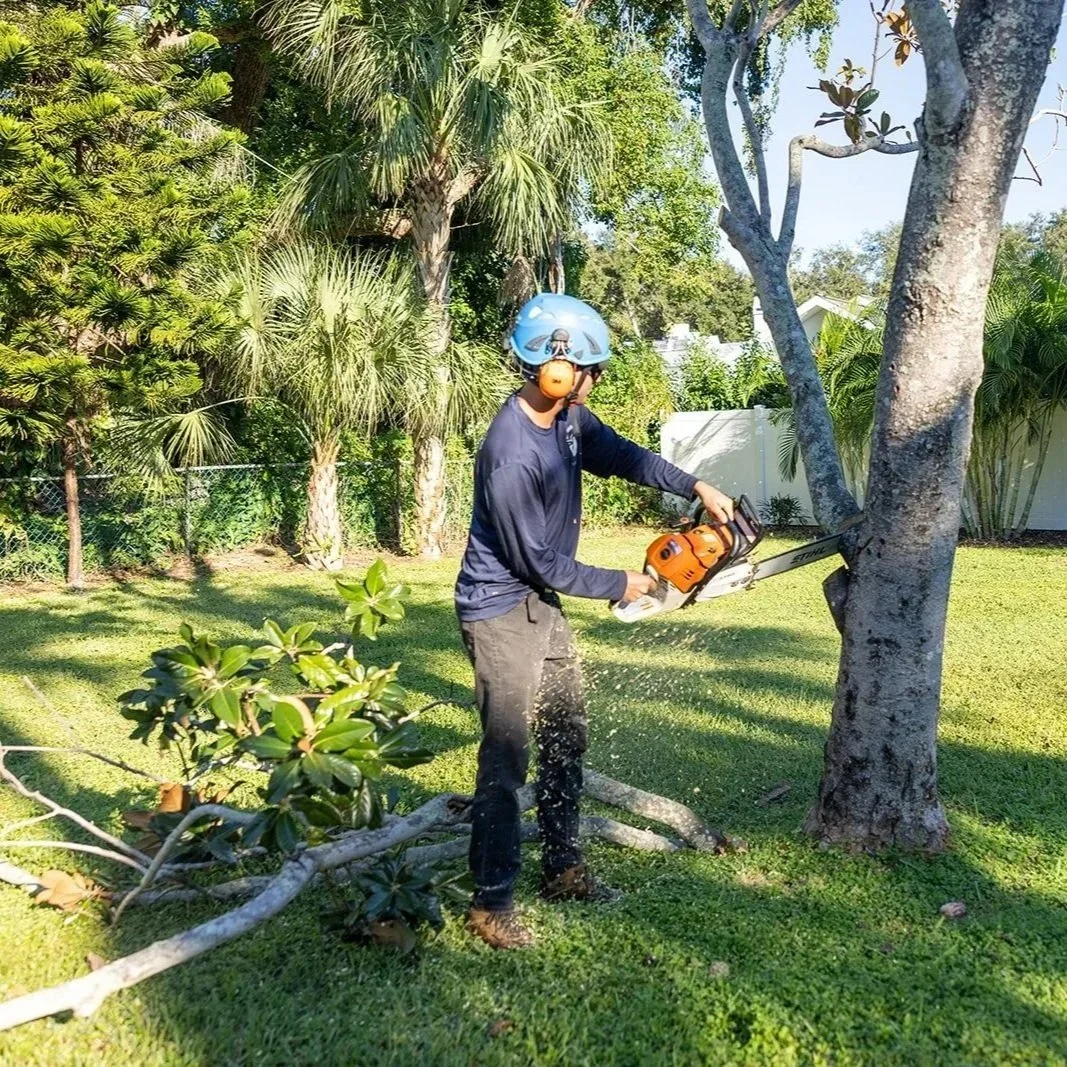
Professional crews handle storm damage cleanup efficiently, restoring safety and order while protecting the property from further harm.
Assessing The Extent Of Storm Damage
Every storm leaves a unique mark. Heavy winds may scatter branches across the yard, while lightning or saturated soil can uproot entire trees. Before any cleanup begins, professionals carefully assess the extent of the damage. They examine leaning trees, broken limbs, and hidden hazards such as hanging branches that could fall unexpectedly.
A professional evaluation also identifies which trees are salvageable and which require removal. Some trees may appear stable but may have internal damage that compromises their structural integrity. Trained arborists utilize their expertise in tree health and root systems to make accurate assessments, helping property owners avoid future surprises.
By prioritizing safety and strategy, the crew develops a step-by-step plan to clear debris without worsening the damage. That organized approach makes storm recovery faster, safer, and more thorough.
Why Professional Cleanup Is Essential
Storm cleanup often looks simple until the work begins. Fallen trees can weigh thousands of pounds, branches may hang under tension, and hidden electrical lines can create dangerous conditions. Professional crews are trained to handle all these factors safely and effectively.
Attempting to move heavy debris without proper tools or experience can lead to injury or property damage. Professionals arrive equipped with the right tools—chainsaws, cranes, chippers, and safety gear—to manage even the most complex situations. They know how to relieve tension from bent branches and control cuts so nothing shifts or snaps unexpectedly.
Safety is always the top priority. Crews follow strict procedures to stabilize unstable trees before cutting and avoid working near energized power lines until utilities confirm safety. Every action is deliberate and designed to protect both people and property.
Removing Fallen Trees Safely
Fallen trees often cause the most visible damage after storms. Whether blocking driveways or resting on rooftops, their removal requires expertise and precision. Professionals begin by analyzing how the tree fell and what structures or obstacles it may be affecting.
If the tree has landed on a building, specialized rigging and cranes allow controlled lifting without adding pressure to damaged areas. For trees across power lines or fences, crews coordinate with utility companies or property managers before beginning work. Each scenario demands its own approach, but safety and control guide every move.
Once the main trunk is sectioned and removed, professionals handle the stump to prevent regrowth or decay. Stump grinding leaves a clean finish that allows for future landscaping or reseeding. By the end of the process, the property is safe, stable, and clear of any hazards.
Dealing With Broken And Hanging Branches
Not every damaged tree needs removal, but broken or hanging limbs always require attention. These “widowmakers,” as professionals often call them, can fall without warning, even days after a storm. Their unpredictable nature makes them one of the most dangerous post-storm hazards.
Professionals use climbing gear or aerial lifts to access damaged sections safely and securely. They assess the weight, balance, and tension of each branch before cutting. Proper technique prevents sudden movement that could harm workers or cause additional damage to the tree.
Removing hanging branches also protects the tree’s health. Open wounds created by storm breakage invite pests and decay. Clean, professional cuts enable the tree to recover more quickly and promote healthy regrowth.
Handling Smaller Debris And Branch Piles
While large trees draw attention, smaller branches, leaves, and debris can create their own set of challenges. They clog drainage systems, smother lawns, and create tripping hazards. Professional crews handle these details with the same care as they would for major removals.
Using chippers and shredders, they turn smaller debris into mulch or haul it away for recycling. Removing buildup quickly prevents mold growth and pest infestations that thrive in damp organic material. Cleanup also restores airflow and sunlight to the soil, helping the landscape recover naturally.
Professionals systematically rake and clear all debris, leaving the property tidy and hazard-free. What once looked like chaos becomes clean and orderly again.
Protecting Property During Cleanup
Storm cleanup isn’t just about removing what’s broken—it’s about preserving what’s still standing. Professionals protect surrounding structures, landscaping, and soil during every stage of the process.
When heavy equipment is needed, crews use protective mats to prevent ruts or compaction in the lawn. They also use ropes, pulleys, and cranes to control the direction of falling sections, avoiding nearby fences or gardens. Every decision is made with care for the property’s long-term health.
Professionals also check for hidden damage after debris is cleared. Trees may have cracked trunks or roots that loosened in saturated soil. Early detection allows for timely corrective action before a weakened tree becomes a future hazard.
Restoring Balance To The Landscape
Once branches, stumps, and debris are removed, the landscape often needs some help recovering. Professional crews assess soil conditions, drainage, and the remaining health of the trees to promote a healthy regrowth environment.
Compacted soil from heavy rain or fallen trees may require aeration to help roots breathe again. Mulching and watering help stabilize the soil and replenish nutrients lost during the storm. Arborists can also recommend pruning or cabling to support weakened trees still standing.
By addressing both cleanup and recovery, professional services help the yard regain strength and stability. The result is not just a cleared space, but a revitalized and healthier landscape.
Preventing Future Storm Damage
Storm cleanup is only part of the equation. Prevention keeps future storms from causing the same level of damage. Professional arborists offer maintenance plans that focus on regular trimming, thinning, and inspecting trees.
Reducing canopy density allows wind to pass through rather than push against solid mass. Removing weak or diseased branches before storm season improves resilience. Checking root systems and soil health ensures trees remain firmly anchored.
Preventive trimming also reduces the risk of limbs growing too close to roofs, power lines, or windows. Making small adjustments before severe weather can prevent costly emergencies later.
The Environmental Impact Of Responsible Cleanup
Professional storm cleanup goes beyond simply removing debris. It’s about managing materials responsibly. Tree services often recycle branches into mulch or wood chips, which can be reused for landscaping. Larger logs may be milled or repurposed for lumber, minimizing waste.
Proper disposal also prevents contamination. Diseased or insect-infested wood is handled separately to prevent the spread of problems to nearby healthy trees. By recycling and composting whenever possible, cleanup becomes part of a sustainable cycle that benefits the environment.
Communities also benefit from responsible cleanup efforts. Streets cleared efficiently allow emergency vehicles to pass, and neighborhoods return to normal faster. Organized cleanup is both a safety measure and a community service.
Why Professional Help Beats DIY Cleanup
Storm damage cleanup may seem straightforward, but without proper training and equipment, it quickly becomes a risky endeavor. Homeowners working with chainsaws or ladders often underestimate the weight of branches or the hidden tension in fallen trees. One wrong move can cause injury or additional property damage.
Professionals bring expertise and teamwork to every job. They understand how to manage load-bearing cuts, avoid pinch points, and operate heavy machinery safely and effectively. Their experience enables them to work efficiently without compromising care.
Time is another factor. Professional crews can clear large properties in a fraction of the time it would take a single person to do so. That efficiency means less disruption and a faster return to normal life.
The Value Of Post-Storm Inspection
After the cleanup, a professional inspection completes the process. Even trees that appear stable can hide cracks, decay, or root damage. Inspecting for these issues early helps prevent future emergencies.
Arborists look for signs such as bark separation, tilted trunks, and exposed roots. They may also check for soil erosion that could weaken support. Addressing these issues promptly keeps trees healthy and prevents them from becoming hazards in future storms.
An inspection also helps property owners plan for ongoing maintenance. Understanding which trees need extra care or monitoring makes it easier to maintain a safe and attractive landscape.
Professional Storm Damage Cleanup You Can Trust
Storms leave behind more than a mess—they leave uncertainty. Professional storm damage cleanup restores confidence, as well as safety. Crews handle everything from heavy tree removals to the smallest branches with skill and care.
Through detailed assessments, safe techniques, and efficient debris management, professionals protect what matters most: property, people, and the trees themselves. Storms may be unpredictable, but with expert help, recovery is always within reach.
Professional storm damage cleanup is not just about clearing debris. It’s about bringing order back to the landscape and helping every tree, branch, and blade of grass recover stronger than before. When the storm passes, trusted professionals make sure the calm that follows feels truly safe.
